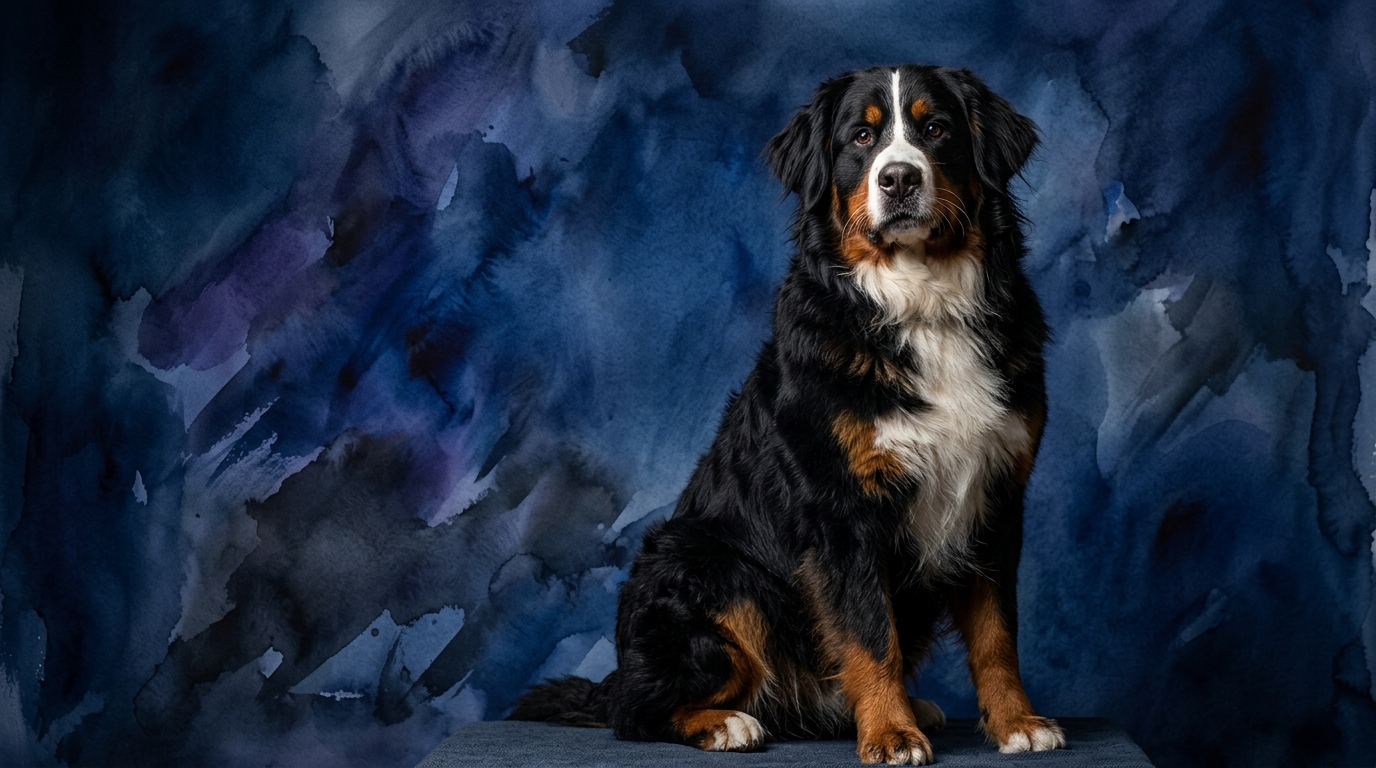
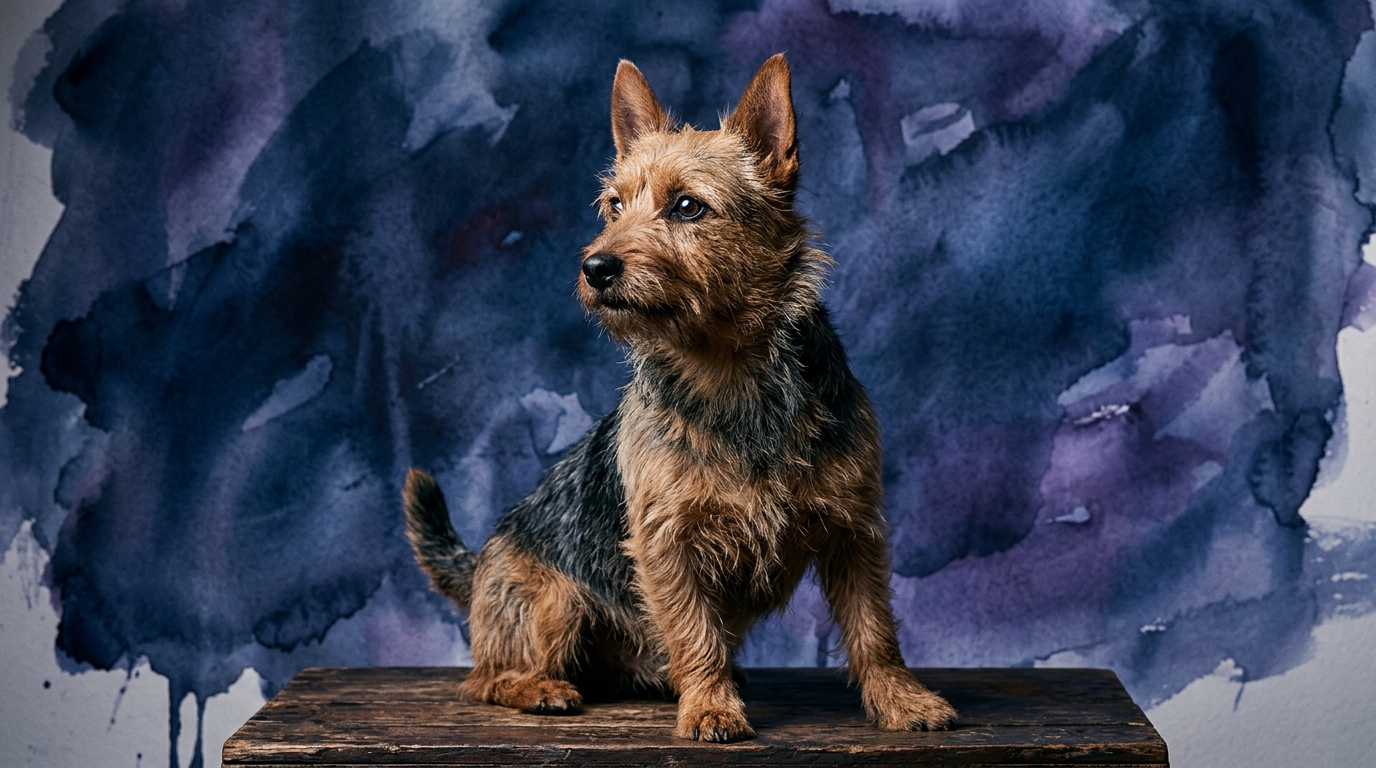
Side-by-Side IQ Profile
The Cosmic Pet Pet IQ Lab assesses canine intelligence across five key dimensions, providing a granular view of each breed's cognitive strengths and inclinations. Let's examine how the Bernese Mountain Dog and Australian Terrier measure up.
**Bernese Mountain Dog:** Problem Solving (3/5): Berners display a moderate capacity for independent problem-solving, capable of learning solutions to common obstacles but less inclined to devise entirely novel strategies without guidance. Training Speed (4/5): This breed quickly grasps new commands and routines, often requiring fewer repetitions due to their cooperative nature and eagerness to engage with their handler. Social Intelligence (5/5): Their exceptional social intelligence means they are highly attuned to human emotions and cues, fostering deep bonds and excelling in collaborative tasks. Instinctive Drive (4/5): Their strong drive is geared towards cooperative working tasks like pulling or herding, rather than independent hunting, valuing partnership and purpose. Memory (3/5): Berners have a solid memory for learned commands and routines, retaining information well, though complex or infrequent tasks might benefit from occasional refreshers.
**Australian Terrier:** Problem Solving (3/5): Australian Terriers show moderate problem-solving skills, often using tenacity to overcome challenges like accessing desired objects or navigating obstacles. Training Speed (3/5): They learn at an average pace, but their independent spirit demands consistent, engaging, and positive reinforcement-based training to maintain focus. Social Intelligence (3/5): This breed exhibits an average understanding of human social cues, connecting well with family but often being more reserved in interpreting subtle emotional signals. Instinctive Drive (3/5): Their natural drives are rooted in terrier heritage: independent vermin hunting, digging, and exploration, rather than collaborative work. Memory (3/5): Australian Terriers possess a reliable memory for training and routines, effectively retaining learned behaviors and recognizing familiar individuals and places.
Where Bernese Mountain Dog Wins Cognitively
The Bernese Mountain Dog's cognitive strengths lie profoundly in its capacity for human connection and cooperative learning. Its exceptional Social Intelligence (5/5) means it intuitively understands human cues, emotions, and intentions, fostering an empathetic bond that translates into highly responsive behavior. This attunement, combined with a swift Training Speed (4/5), enables Berners to quickly integrate new commands and complex sequences, eagerly participating in training as a shared endeavor. Their Instinctive Drive (4/5) is inherently directed towards purposeful partnership, making them ideal for roles that benefit from a strong human-animal team. This unique blend of social understanding, rapid learning, and cooperative motivation gives them a distinct cognitive advantage for seamless family integration and tasks requiring a deep, reciprocal working relationship.
Where Australian Terrier Wins Cognitively
While not scoring higher in raw metrics, the Australian Terrier's cognitive profile excels in areas of independent action and resourceful perseverance. Its Problem Solving score of 3/5, matching the Bernese, is impressive for its breed type, indicating a robust ability to independently navigate challenges and overcome obstacles through tenacious effort, a trait refined by its vermin-hunting background. This breed's Instinctive Drive (3/5), though lower, is intensely focused on self-initiated pursuits like digging, chasing, and exploration. This combination of moderate problem-solving and focused independent drive makes the Australian Terrier exceptionally capable of acting autonomously, making quick decisions without constant human oversight. Its strengths lie in its self-sufficiency and resourcefulness, appealing to owners who value a dog with a strong, independent spirit and an inherent drive to engage with its environment on its own terms.
Which is Easier to Train and Why
The Bernese Mountain Dog generally offers a more straightforward training experience due to its higher Training Speed (4/5) and superior Social Intelligence (5/5). Berners are naturally cooperative and adept at interpreting human cues, enabling them to grasp commands quickly and reliably. Their eagerness to please and cooperative Instinctive Drive motivate them to engage in training as a collaborative activity, accelerating the learning process. Conversely, the Australian Terrier, with average scores in Training Speed (3/5) and Social Intelligence (3/5), coupled with its independent nature, requires more consistent, creative, and highly motivating reinforcement. While capable, their terrier tenacity means they might test boundaries or prioritize their own interests, necessitating engaging, game-based training to maintain focus and achieve desired behaviors.
Which Suits Active Owners vs Relaxed Owners
The Bernese Mountain Dog suits both active and moderately relaxed owners, provided its significant cognitive and social needs are met. Its high Social Intelligence and cooperative drive mean it thrives on deep companionship, mental engagement through training, and interactive play. While enjoying outdoor activities, its primary need is for consistent human interaction and a sense of belonging. A relaxed owner prioritizing calm training, puzzle toys, and quality bonding time would find a Bernese fulfilling.
The Australian Terrier is better suited for active owners who appreciate a spirited dog with a strong drive for independent exploration. Its instinctive urges for chasing, digging, and investigating demand regular opportunities to expend energy and satisfy its curious mind. While affectionate, it values independence and requires outlets for its terrier instincts through structured play or dog sports. Owners unable to provide consistent mental and physical stimulation might find an Australian Terrier's self-reliance leads to boredom-driven behaviors, making it a match for those prepared to channel its tenacious energy.
The Verdict
Choose a Bernese Mountain Dog if you seek a deeply empathetic, highly cooperative companion who excels in training and thrives on a strong, communicative bond with their family, fitting well into roles requiring social attunement and a desire to please. This breed is ideal for owners who value a dog's keen ability to understand and respond to human emotions and who enjoy consistent, positive training interactions, offering profound companionship and a willingness to participate in shared endeavors.
Opt for an Australian Terrier if you appreciate a spirited, independent, and tenacious companion with robust problem-solving abilities and a strong drive for self-initiated exploration and engagement. This breed suits owners prepared to provide consistent mental and physical stimulation to channel its inherent terrier instincts, enjoying a dog that can be both affectionate and wonderfully self-reliant. Choosing an Australian Terrier means welcoming a resilient, clever dog into your home, one that thrives on adventures and offers a lively presence to those who understand and celebrate its spirited independence.
🧠 Find Your Pet's IQ Score
Our Pet IQ Lab assessment covers 25+ tests across 5 cognitive dimensions — personalized to your breed.
Take the Full IQ Test →Frequently Asked Questions
Does the Bernese Mountain Dog's high social intelligence make it prone to separation anxiety?
Their deep bond means they thrive on companionship, but proper socialization and training can help them cope with short absences. Prolonged isolation, however, is not ideal for their social well-being.
Are Australian Terriers difficult to train because of their independence?
Australian Terriers are capable learners, but their independent nature requires more consistency, creativity, and positive reinforcement. Engaging, game-based training methods are key to maintaining their focus and achieving desired behaviors.
How do their different instinctive drives impact their suitability for urban living?
The Bernese's cooperative drive makes it adaptable to urban life with regular walks and mental stimulation. The Australian Terrier's independent hunting drive means it needs more structured outlets for its energy and curiosity, making secure outdoor spaces crucial for channeling its instincts.