Side-by-side IQ profile
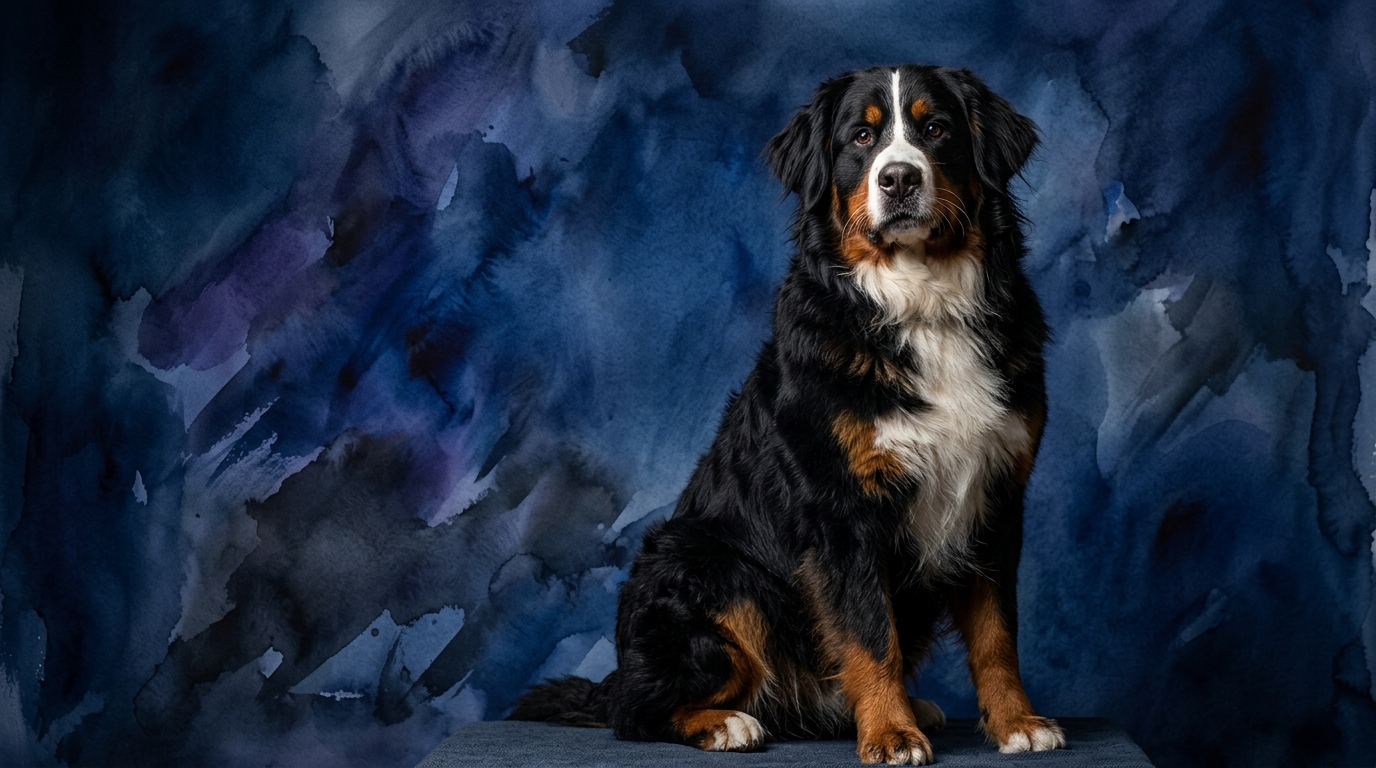
The Bernese Mountain Dog, a Working breed ranked #27 by Coren, demonstrates a balanced cognitive profile geared towards cooperative tasks and social engagement. Their Problem Solving is rated 3/5, indicating a practical intelligence for learning routines and applying known solutions to straightforward environmental challenges, rather than inventing novel approaches. Training Speed is a strong 4/5, reflecting their willingness and ability to grasp new commands and concepts relatively quickly, often driven by a desire to understand and comply with human directives. Their Social Intelligence is an exceptional 5/5, meaning they are deeply attuned to human emotions and social cues, excelling at forming profound bonds and interpreting subtle communication. An Instinctive Drive of 4/5 highlights their inherent desire for purpose, thriving on tasks like guarding, carting, or being a contributing member of their human family. Their Memory score of 3/5 suggests reliable recall for learned commands, routines, and familiar individuals, though perhaps not for highly intricate, multi-step sequences over extended periods.
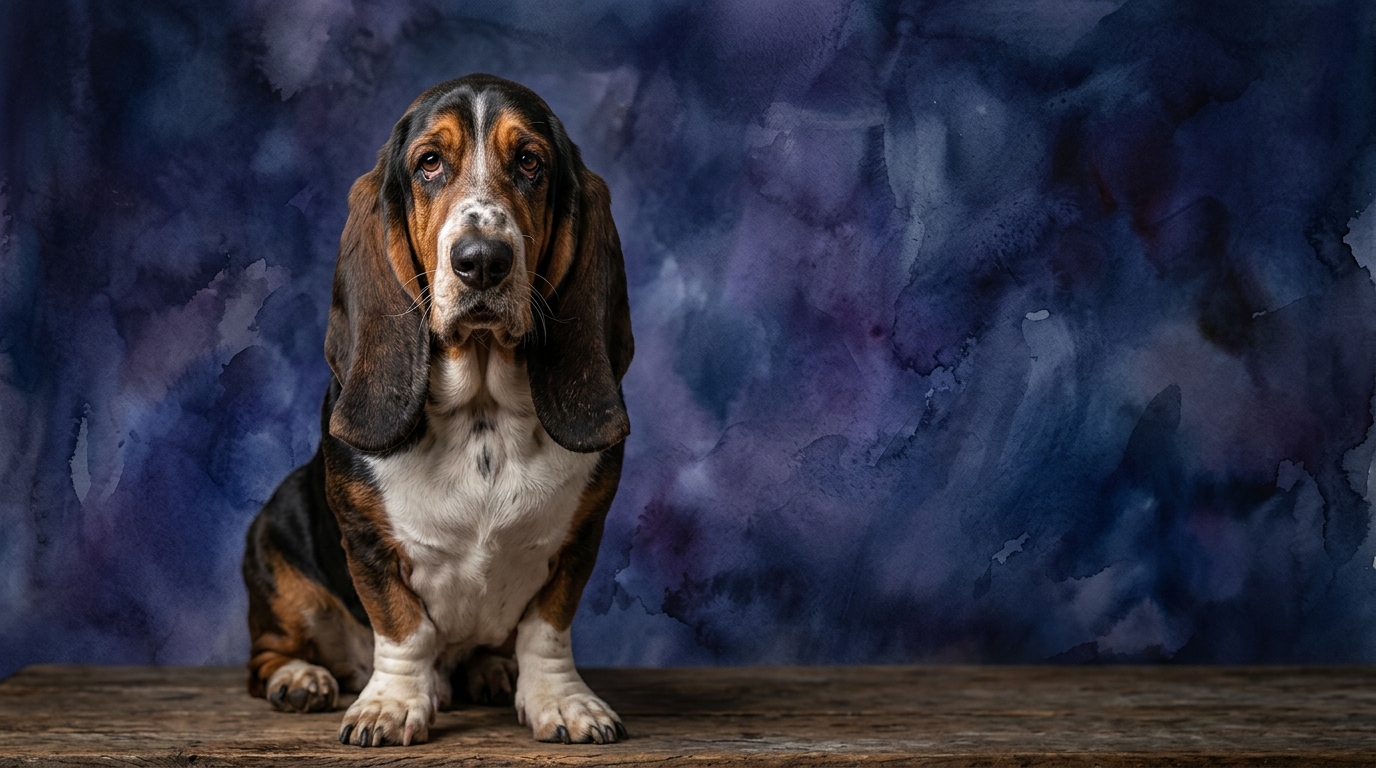
In contrast, the Basset Hound, a Hound breed ranked #71 by Coren, exhibits a cognitive makeup profoundly specialized in olfactory pursuit. Their Problem Solving is also 3/5, but this manifests primarily in their mastery of navigating complex scent trails with impressive dedication and independent thought, rather than general environmental puzzles. Training Speed is 3/5; while they are capable of learning, they often require more repetition and patience due to their independent nature and a tendency to prioritize their immediate sensory environment, especially compelling scents. Their Social Intelligence is 3/5, indicating they are affectionate and generally good-natured, but their focus is more on personal comfort and companionship rather than actively seeking to interpret or please human emotional states. The Basset's Instinctive Drive, rated 3/5, is almost entirely dominated by their profound sense of smell, impelling them to track and follow scents, often making them less interested in human-assigned “jobs” that don’t align with this primary drive. Their Memory, also 3/5, is functional for daily routines and familiar people, but truly shines in its capacity for recalling specific scent profiles and complex trail patterns over time.
Where Bernese Mountain Dog wins cognitively
Bernese Mountain Dogs demonstrate a clear advantage in their capacity for human-centric social interaction and adaptable trainability. Their exceptional Social Intelligence (5/5) means they are highly perceptive of human moods and intentions, often anticipating needs and offering comfort without direct prompting. This makes them incredibly intuitive companions and adept in roles requiring emotional support or nuanced communication, fostering a deep, empathetic connection with their families. They interpret body language and vocal tones with remarkable accuracy, allowing for seamless integration into the human household.
Furthermore, their robust Training Speed (4/5) and strong Instinctive Drive (4/5) for meaningful tasks allow them to master a wider array of commands and participate eagerly in activities like obedience, therapy work, or even search and rescue. They derive satisfaction from working alongside their humans, using their cognitive abilities to understand and execute complex requests. This cooperative spirit and desire to be a purposeful partner is a hallmark of their cognitive strength, a trait less pronounced in the more independently minded Basset Hound.
Where Basset Hound wins cognitively
While their general IQ scores might not appear as high, the Basset Hound's cognitive prowess is profoundly specialized and unparalleled in its domain: olfaction. Their Problem Solving (3/5) and Memory (3/5), while average in other contexts, become extraordinary when applied to scent work. A Basset doesn't just 'smell'; it constructs a detailed, three-dimensional map of its environment through scent, tracking faint trails with a relentless determination that few breeds can match. This unique cognitive focus is their defining intellectual characteristic, allowing them to process and remember an intricate world invisible to humans.
This specialized cognitive ability allows them to solve incredibly complex 'scent puzzles' that would be impossible for many other breeds, demonstrating an impressive capacity for sustained attention and deduction through their nose. Their Instinctive Drive (3/5) is almost entirely dedicated to this pursuit, showcasing an independent, focused intelligence that prioritizes sensory information above all else. This singular focus, often perceived as stubbornness, is, in fact, a testament to their deep cognitive specialization, allowing them to excel in tasks where a powerful, persistent nose is the ultimate tool for discovery and navigation.
Which is easier to train and why
The Bernese Mountain Dog generally presents a smoother training experience due to its higher Training Speed (4/5) and superior Social Intelligence (5/5). They are inherently motivated by human approval and connection, making them highly responsive to positive reinforcement and eager to engage in cooperative learning. Their background as working dogs means they are predisposed to taking direction and understanding their role within a human structure. They are keen observers of human body language and vocal tones, which aids immensely in communication during training sessions, allowing for quicker comprehension and compliance.
In contrast, the Basset Hound's training journey often requires more patience and creative strategies. Their Training Speed (3/5) is slower, and their Social Intelligence (3/5) means they are less driven by the desire to please and more by their own sensory interests, particularly scents. A Basset's powerful Instinctive Drive (3/5) to follow a trail can easily override any command, making recall a significant challenge. Training a Basset effectively means understanding their scent-driven world, making sessions fun, incredibly rewarding, and often integrating their nose work into the learning process to keep them engaged, rather than expecting eager, immediate compliance.
Which suits active owners vs relaxed owners
The Bernese Mountain Dog suits owners who are prepared for consistent engagement and interaction, aligning with an 'active' lifestyle that prioritizes mental stimulation and companionship. While they don't require extreme athleticism, they thrive on regular walks, opportunities for play, and active participation in family activities. Their strong Instinctive Drive (4/5) means they benefit from having a 'job,' whether it's carrying a backpack on a hike, learning new tricks, or simply being a constant, involved presence in the home. Owners who enjoy teaching and bonding through shared activities and appreciate a communicative companion will find a Bernese to be a willing and joyful partner.
The Basset Hound, on the other hand, often appeals to more 'relaxed' owners who appreciate a calm, independent companion. While they do require daily walks, these are often more about sniffing and exploring than strenuous exercise; their mental stimulation comes from simply following interesting odors. They are generally content with lounging and being part of the family without needing constant tasks or high-energy play. Owners who enjoy a quiet presence, appreciate a unique cognitive focus, and can provide patient, consistent guidance for their scent-driven adventures will find a Basset Hound to be a charming, albeit sometimes stubborn, companion.
The Verdict
Choose a Bernese Mountain Dog if you seek a highly communicative, trainable companion eager to participate in family life and fulfill a purposeful role, valuing strong social bonds and cooperative learning.
Opt for a Basset Hound if you appreciate a charmingly independent spirit with an unparalleled dedication to scent exploration, and are prepared for a more relaxed pace and patient, consistent training.
🧠 Find Your Pet's IQ Score
Our Pet IQ Lab assessment covers 25+ tests across 5 cognitive dimensions — personalized to your breed.
Take the Full IQ Test →Frequently Asked Questions
Is it true that Basset Hounds are difficult to train?
Basset Hounds can be more challenging to train compared to some other breeds, primarily due to their strong independent streak and powerful scent drive. Their focus on following scents often outweighs their desire to please, requiring consistent, positive reinforcement and patience to achieve reliable obedience.
How do Bernese Mountain Dogs demonstrate their exceptional social intelligence?
Bernese Mountain Dogs show their social intelligence through their deep empathy, often sensing human moods and offering comfort without explicit cues. They excel at reading body language, responding to subtle vocal tones, and forming strong, intuitive bonds with their family members, making them highly attuned companions.
What kind of 'work' or activities do Bernese Mountain Dogs enjoy that utilize their cognitive strengths?
Bernese Mountain Dogs enjoy activities that engage their working dog instincts and social intelligence, such as obedience training, therapy work, carting, or even simply being an active, involved family member. They thrive on having a purpose and collaborating with their humans on various tasks or adventures.