Side-by-Side Cognitive Profile
The Cosmic Pet Pet IQ Lab provides a unique framework to understand canine cognition across five key dimensions. Let's delve into how the Bernese Mountain Dog and the Belgian Sheepdog (Groenendael) stack up.
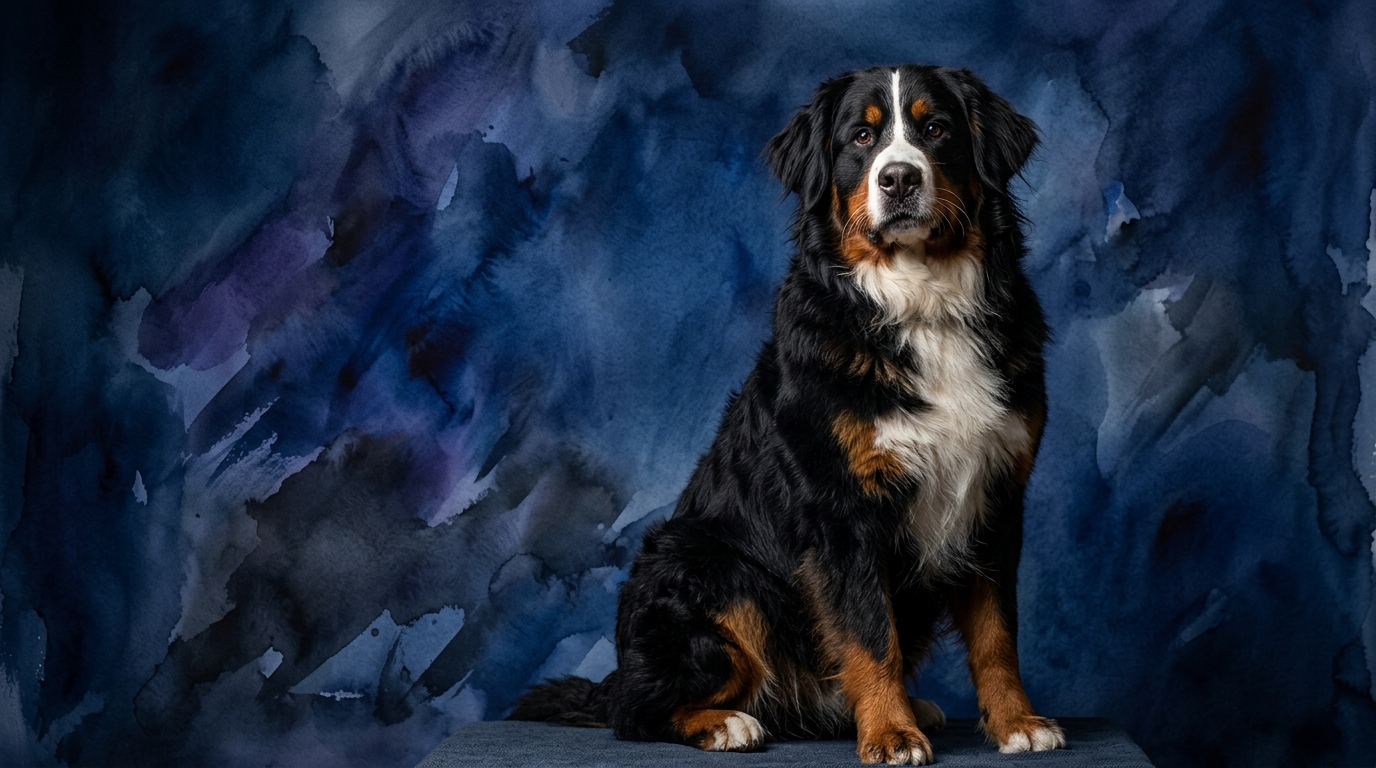
For the Bernese Mountain Dog (Working Group, Coren rank #27): Problem Solving (3/5): Berners approach new challenges with a steady, methodical pace, often preferring guidance or relying on learned patterns rather than spontaneous invention. Their problem-solving manifests in practical, task-oriented ways once a routine is established. Training Speed (4/5): These dogs exhibit a commendable capacity to grasp new commands and routines efficiently. Their willingness to please and generally calm disposition contribute to a relatively smooth training process, especially with consistent positive reinforcement. Social Intelligence (5/5): This is a standout trait for the Bernese Mountain Dog. They possess an exceptional ability to read human emotions, understand social cues, and integrate seamlessly into family dynamics. Their empathetic nature allows them to form deep bonds and respond appropriately to the moods and needs of their human companions. Instinctive Drive (4/5): Originating as farm dogs, Berners retain a strong intrinsic motivation for purposeful work, such as carting or guarding, translating into a desire to be useful and engaged in activities aligned with their heritage. Memory (3/5): While capable of retaining learned behaviors and routines, the Bernese Mountain Dog's memory isn't their most dominant cognitive strength. They remember key people and places well, but complex sequences or long-past events might not be recalled with the same precision; consistent reinforcement helps solidify their recall.
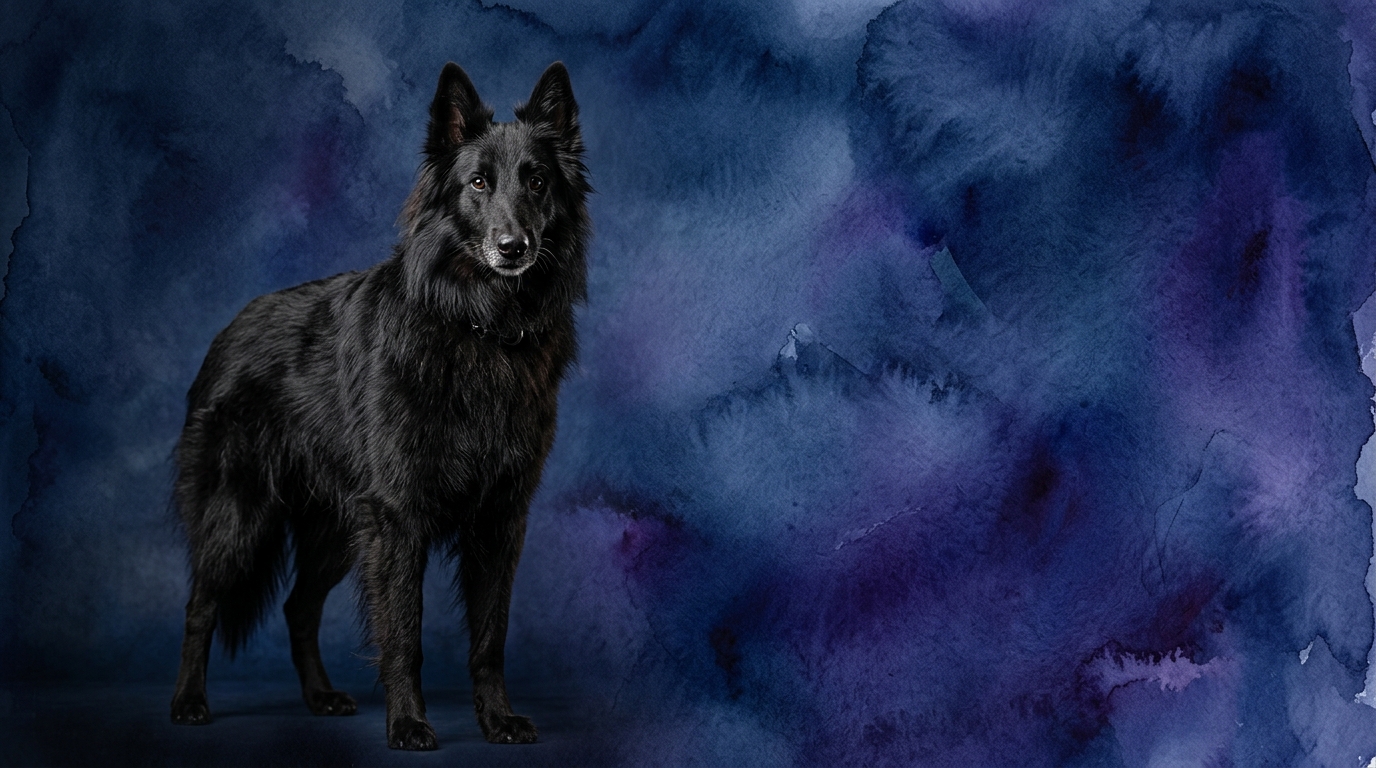
For the Belgian Sheepdog (Groenendael) (Herding Group, Coren rank #15): Problem Solving (5/5): The Groenendael excels at independent thought and quickly assessing situations to find solutions. Their historical role required swift decisions in dynamic environments, which translates into a sharp aptitude for navigating complex tasks, figuring out puzzles, and adapting to novel challenges without much prompting. Training Speed (5/5): This breed demonstrates an extraordinary ability to learn new commands and behaviors with remarkable rapidity, often picking up concepts after only a few repetitions. Their intense focus and strong desire to work with their handler make them exceptionally receptive to training. Social Intelligence (3/5): While capable of forming strong bonds with their primary family, the Groenendael's social intelligence is more focused on the working relationship than broad emotional attunement. They are observant of their handler's cues but may be more reserved or less overtly empathetic towards strangers or subtle shifts in human emotion. Instinctive Drive (3/5): The Groenendael possesses a distinct herding drive, manifesting as a keen awareness of their environment, a desire to manage and control movement, and an intrinsic motivation for activities that simulate their original purpose. Memory (5/5): A hallmark of the Groenendael's cognitive profile is their outstanding memory. They recall learned commands, past experiences, and environmental details with impressive accuracy and longevity, contributing significantly to their rapid training speed and consistent performance.
Where Bernese Mountain Dog Wins Cognitively
The Bernese Mountain Dog's primary cognitive advantage lies in its profound social intelligence (5/5). They possess an unparalleled capacity to understand and respond to human emotions, making them exceptionally attuned companions. This means a Berner can often sense when a family member is distressed, offering quiet comfort without being prompted, or intuitively understanding a subtle shift in tone during a command. Their empathy fosters incredibly strong, reciprocal bonds, allowing them to integrate into family life not just as pets, but as emotionally aware participants. This social acumen also translates into a calmer, more stable presence in diverse social settings, as they are less likely to misinterpret human interactions or become overly reactive. Furthermore, their instinctive drive (4/5) leans towards partnership and responsibility, making them naturally inclined to collaborate on tasks like carting or carrying a pack, embracing a role that brings mutual benefit.
Where Belgian Sheepdog (Groenendael) Wins Cognitively
The Belgian Sheepdog (Groenendael) demonstrates a clear cognitive edge in both problem-solving (5/5) and memory (5/5). Their ability to independently analyze and resolve new situations is exceptional; a Groenendael is more likely to figure out how to open a complex latch or navigate an unfamiliar obstacle course with minimal human intervention. This cognitive flexibility and quick thinking are invaluable for dynamic activities and sports. Coupled with their outstanding memory, they can master intricate command sequences and recall them flawlessly, even after long periods. This makes them superb candidates for advanced obedience, agility, and protection work, where precision and consistent performance are paramount. Their training speed (5/5) is a direct beneficiary of this powerful memory and problem-solving ability, allowing them to absorb and execute new information faster than many other breeds.
Which is Easier to Train and Why
Assessing ease of training requires considering both the speed of acquisition and the behavioral nuances of each breed. The Belgian Sheepdog (Groenendael) generally appears easier to train in terms of raw speed (5/5 Training Speed). Their exceptional memory (5/5) and problem-solving aptitude (5/5) mean they grasp new commands and complex sequences with remarkable quickness, often after just a few repetitions. They thrive on structured work and have a strong desire to engage with their handler in a purposeful way, which translates into focused attention during training sessions. However, their lower social intelligence (3/5) can mean they are less forgiving of inconsistent cues or emotionally charged training environments; they prefer clarity and precision.
In contrast, the Bernese Mountain Dog, while possessing a commendable training speed (4/5), might take slightly longer to initially acquire new commands compared to the Groenendael. Where the Berner truly shines in 'ease' of training, however, is in their social intelligence (5/5) and willingness to please. They are highly attuned to their owner's emotions and body language, making them very responsive to positive reinforcement and subtle cues. A Berner is more likely to forgive a handler's mistake or adapt to a slightly varied approach due to their empathetic nature. Their training journey, while perhaps not as lightning-fast, is often characterized by a strong, cooperative bond and a desire to work with their human, making the process feel less like instruction and more like a shared activity. For an owner who values a harmonious, emotionally connected training experience, the Berner's social grace can make them feel 'easier' in a different, more profound sense.
Which Suits Active Owners vs. Relaxed Owners
The choice between these two breeds depends significantly on an owner's lifestyle and energy levels. The Belgian Sheepdog (Groenendael) is unequivocally suited for active owners. Their high problem-solving ability (5/5), rapid training speed (5/5), and need for mental engagement mean they require consistent, stimulating activities. These are dogs that thrive on purpose, whether it's participating in dog sports like agility, obedience, flyball, or undertaking protection work. They need daily vigorous exercise, both physical and mental, to prevent boredom and potential destructive behaviors. An owner who enjoys long runs, challenging hikes, or dedicated training sessions several times a week would find a Groenendael a perfect, energetic partner.
Conversely, the Bernese Mountain Dog is a better fit for owners who appreciate a more relaxed, yet still engaged, companion. While they benefit from regular walks and moderate exercise, their energy levels are generally lower than the Groenendael's. Their high social intelligence (5/5) means they are happiest when integrated closely into family life, participating in daily routines and receiving ample affection. They enjoy purposeful but less intense activities like leisurely hikes, carting, or simply accompanying their owners on errands. A Berner thrives in a home where they can be a cherished family member, comfortable lounging after a good walk, rather than constantly seeking the next challenge. Owners who lead a moderately active lifestyle and desire a deeply empathetic, calm presence will find the Bernese Mountain Dog an ideal match.
The Verdict
If you seek a deeply empathetic, emotionally attuned family companion who excels in social integration and offers a calm, steady presence, the Bernese Mountain Dog is an exceptional choice. They thrive in homes that prioritize a strong emotional bond and provide moderate, consistent engagement.
Opt for the Belgian Sheepdog (Groenendael) if you are an active, experienced owner eager for a highly trainable, problem-solving partner for dog sports, advanced obedience, or a working role. This breed requires significant mental and physical challenge to be truly fulfilled.
🧠 Find Your Pet's IQ Score
Our Pet IQ Lab assessment covers 25+ tests across 5 cognitive dimensions — personalized to your breed.
Take the Full IQ Test →Frequently Asked Questions
How do their social needs differ?
The Bernese Mountain Dog has very high social intelligence and thrives on deep emotional connections with its family, often seeking to be physically close. The Belgian Sheepdog (Groenendael) is more reserved socially, forming strong bonds with its primary handler but often being wary of strangers and less outwardly empathetic.
Which breed is better for first-time dog owners?
The Bernese Mountain Dog's higher social intelligence and more relaxed demeanor generally make it a more forgiving and suitable choice for first-time dog owners. The Belgian Sheepdog (Groenendael)'s intensity and higher training demands typically require an owner with prior experience.
Do either of these breeds require a lot of grooming?
Both breeds possess thick double coats and require regular grooming to manage shedding and prevent matting. Bernese Mountain Dogs typically have longer hair and might need slightly more frequent brushing, especially during seasonal shedding periods, while Groenendaels also require consistent care to maintain their flowing black coats.