Side-by-Side IQ Profile: Unpacking Cognitive Dimensions
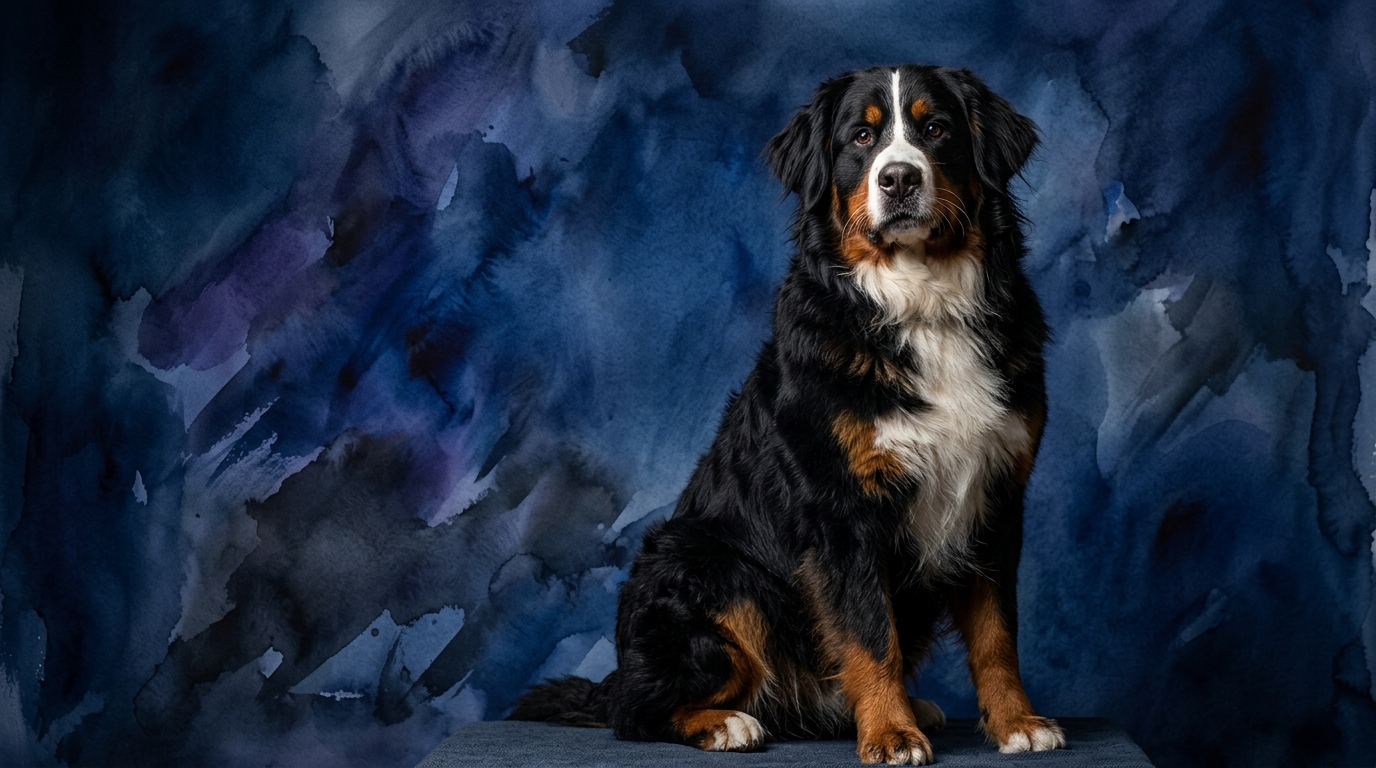
Hailing from the Swiss Alps, the Bernese Mountain Dog's cognitive profile reflects its history as a versatile farm dog. Their Problem Solving ability rates at 3/5, indicating a moderate capacity to navigate new challenges and figure out solutions independently. With a Training Speed of 4/5, these dogs generally grasp new commands and routines with efficiency, making them responsive learners. Their Social Intelligence truly stands out at 5/5, signifying an exceptional ability to interpret human cues, understand social hierarchies, and form deep, empathetic bonds. An Instinctive Drive of 4/5 points to their ingrained tendencies for tasks like drafting or herding, requiring purpose and engagement. Their Memory is rated at 3/5, suggesting a solid recall for learned behaviors and experiences.
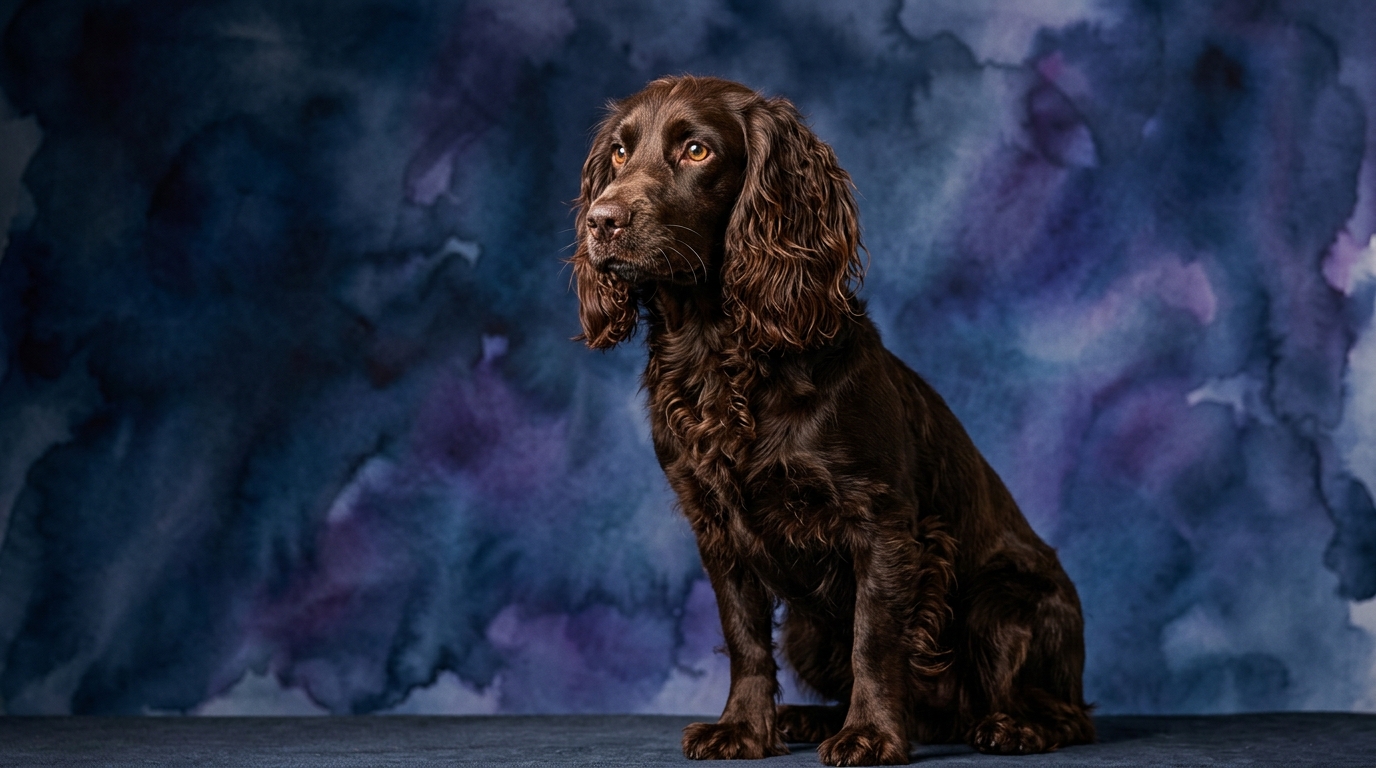
The Boykin Spaniel, a beloved gundog from South Carolina, presents a cognitive makeup tailored for its retrieving role. Their Problem Solving mirrors the Bernese at 3/5, showing a similar moderate aptitude for overcoming obstacles. Their Training Speed is 3/5, meaning they require a bit more repetition and patience compared to the Bernese, though they are certainly capable learners. Social Intelligence for the Boykin is 3/5, indicating a good understanding of social interactions, though perhaps less nuanced or expansive than a Bernese. An Instinctive Drive of 3/5 reflects their strong natural inclination for hunting and retrieving, albeit with a slightly less intense manifestation than some other working breeds. Their Memory also scores 3/5, allowing them to retain training and recall specific locations or scents.
Where the Bernese Mountain Dog Excels Cognitively
The Bernese Mountain Dog clearly distinguishes itself in two key cognitive areas: social intelligence and training speed. Their 5/5 rating in Social Intelligence is a significant advantage, meaning they are incredibly attuned to human emotions, body language, and vocal tones. This deep understanding fosters exceptional companionship, making them highly responsive to subtle social cues and particularly adept at integrating into family dynamics. They often anticipate needs or react empathetically to human moods, creating a profoundly connected relationship. Furthermore, their 4/5 Training Speed suggests a more efficient learning curve compared to the Boykin. Bernese Mountain Dogs typically pick up new commands and complex sequences more quickly, requiring fewer repetitions to solidify a behavior. This responsiveness stems from a combination of their eagerness to please and their capacity to process and internalize instructions effectively, making initial training periods smoother and more rewarding for owners.
Where the Boykin Spaniel Shines Cognitively
While the Bernese Mountain Dog has higher scores in some areas, the Boykin Spaniel’s cognitive profile is perfectly adapted for its sporting heritage, particularly in the application of its Instinctive Drive and Problem Solving within its domain. Although rated 3/5 for problem-solving, this ability, combined with their 3/5 instinctive drive, manifests powerfully in field scenarios. A Boykin's problem-solving often focuses on navigating complex terrain to retrieve game, figuring out the most efficient path through dense cover, or locating a downed bird. This isn't about generalized abstract problem-solving, but rather a specialized, practical application of their cognitive resources towards their primary purpose. Their memory (3/5) also plays a crucial role here, enabling them to recall specific locations of retrieves, remember scent patterns, and retain complex multi-step hunting commands. While their overall scores might appear lower, the Boykin's cognitive strengths are precisely calibrated for their specialized work, demonstrating a focused and effective application of their mental attributes in their chosen field.
Which is Easier to Train and Why
Based on their respective IQ profiles, the Bernese Mountain Dog generally presents as the easier breed to train. Their 4/5 Training Speed indicates a quicker assimilation of new commands and routines, often requiring fewer repetitions before a behavior becomes reliable. This is further bolstered by their exceptional 5/5 Social Intelligence, which makes them highly motivated by human approval and very receptive to communication. Bernese Mountain Dogs tend to be eager to please and form strong bonds, translating into a dog that actively seeks to understand and comply with an owner's wishes. They are less likely to become distracted by environmental stimuli during training sessions, preferring to focus on the human interaction. In contrast, the Boykin Spaniel’s 3/5 Training Speed suggests they may require more consistent, patient repetition. Their 3/5 Instinctive Drive, while valuable in the field, can sometimes translate into a stronger pull towards environmental stimuli (like scents or moving objects) during training, potentially requiring more effort to maintain focus. While Boykins are certainly trainable, their process might involve more creative methods to hold their attention and a longer duration to solidify complex behaviors compared to the Bernese.
Which Suits Active Owners vs. Relaxed Owners
When considering lifestyles, the Bernese Mountain Dog often aligns better with owners seeking a more relaxed pace, while the Boykin Spaniel is a clear match for highly active individuals. The Bernese, despite its working dog heritage, has a moderate energy level once past puppyhood. Their 4/5 Instinctive Drive is present but not overwhelming in a daily context, often satisfied with regular walks, yard play, and opportunities for companionship. Their high Social Intelligence means they thrive on being part of family activities, even if those activities are simply quiet evenings at home, making them wonderful companions for those who enjoy a more laid-back routine but still appreciate an engaged dog. In contrast, the Boykin Spaniel's 3/5 Instinctive Drive, while numerically lower, is intensely focused on physical activity and purpose-driven work, particularly retrieving. They possess boundless energy and a strong desire to "do something." These dogs require significant daily exercise, often including mentally stimulating activities like scent work, long retrieves, or agility. An owner who enjoys hiking, hunting, running, or has the time and inclination for dedicated dog sports will find the Boykin Spaniel an ideal partner, whereas a more relaxed owner might struggle to meet their substantial physical and mental stimulation needs.
The Verdict
Choose the Bernese Mountain Dog if you value deep social connection, a relatively easier training experience, and a canine companion that thrives on being an integral, empathetic part of a moderately active family lifestyle.
Opt for the Boykin Spaniel if you lead a highly active life, enjoy outdoor pursuits like hunting or extensive hiking, and seek a driven, energetic partner whose cognitive strengths are best showcased in purposeful, athletic endeavors.
🧠 Find Your Pet's IQ Score
Our Pet IQ Lab assessment covers 25+ tests across 5 cognitive dimensions — personalized to your breed.
Take the Full IQ Test →Frequently Asked Questions
Are Bernese Mountain Dogs good apartment dogs?
While Bernese Mountain Dogs appreciate space, their high social intelligence means they prioritize being with their family. With sufficient daily exercise and mental engagement, a Bernese can adapt to apartment living, though a house with a yard is generally preferred.
Do Boykin Spaniels need a lot of grooming?
Boykin Spaniels have a medium-length, wavy coat that requires regular grooming to prevent matting, especially after outdoor activities. Weekly brushing and occasional trims are typically sufficient to keep their coat healthy and clean.
How do their instinctive drives differ in daily life?
The Bernese Mountain Dog's instinctive drive often manifests as a desire for purpose, like pulling a cart or 'herding' family members, and a strong protective instinct. The Boykin Spaniel's drive is primarily focused on hunting, retrieving, and swimming, translating into intense focus on moving objects and scents during walks and play.