Side-by-Side IQ Profile
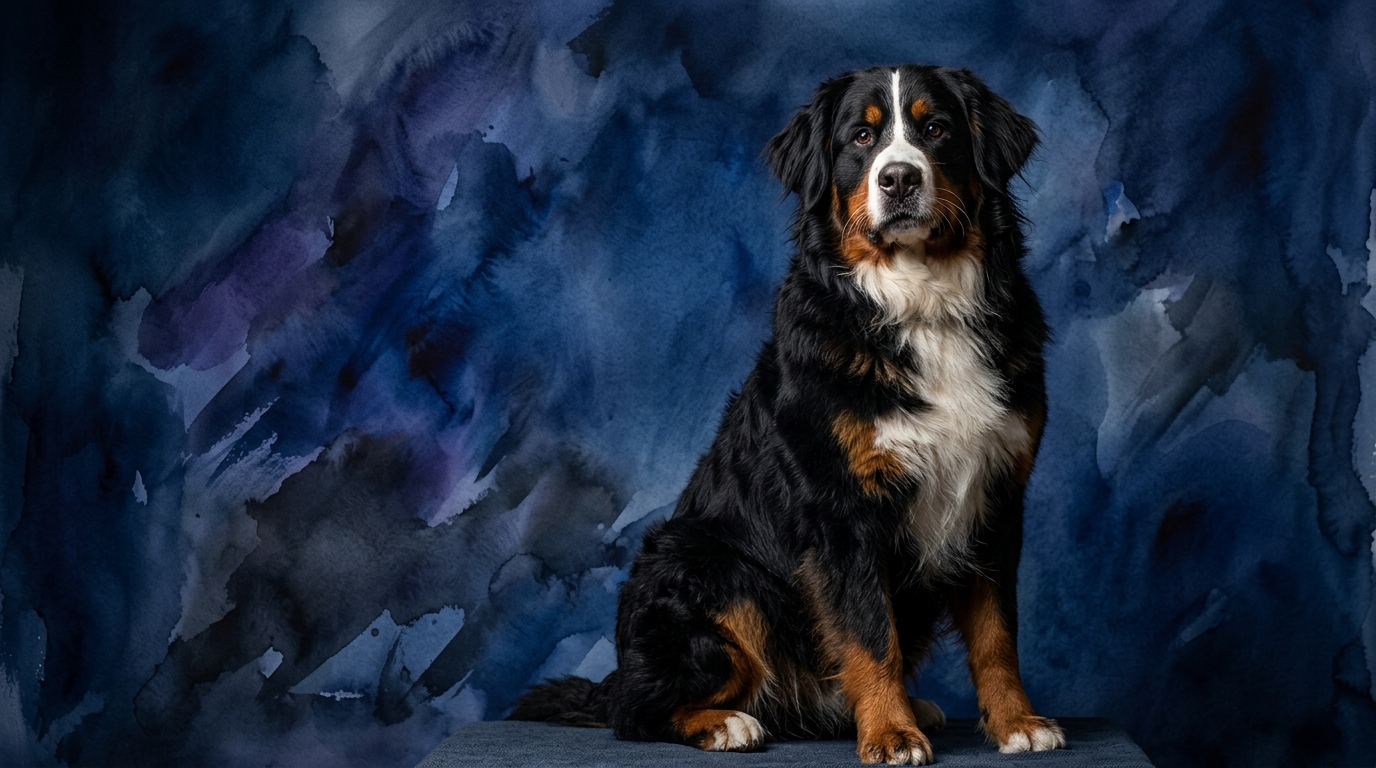
In The Cosmic Pet Pet IQ Lab, the Bernese Mountain Dog (BMD) presents a cognitive profile characterized by a moderate 3/5 in Problem Solving, a strong 4/5 in Training Speed, an exceptional 5/5 in Social Intelligence, a robust 4/5 in Instinctive Drive, and a balanced 3/5 in Memory. This suggests a dog that excels in understanding human interaction and purpose-driven tasks, learning quickly within a social context, even if complex novel challenges are not their primary strength. Their memory supports daily routines and learned behaviors, albeit without the intricate retention seen in some breeds.
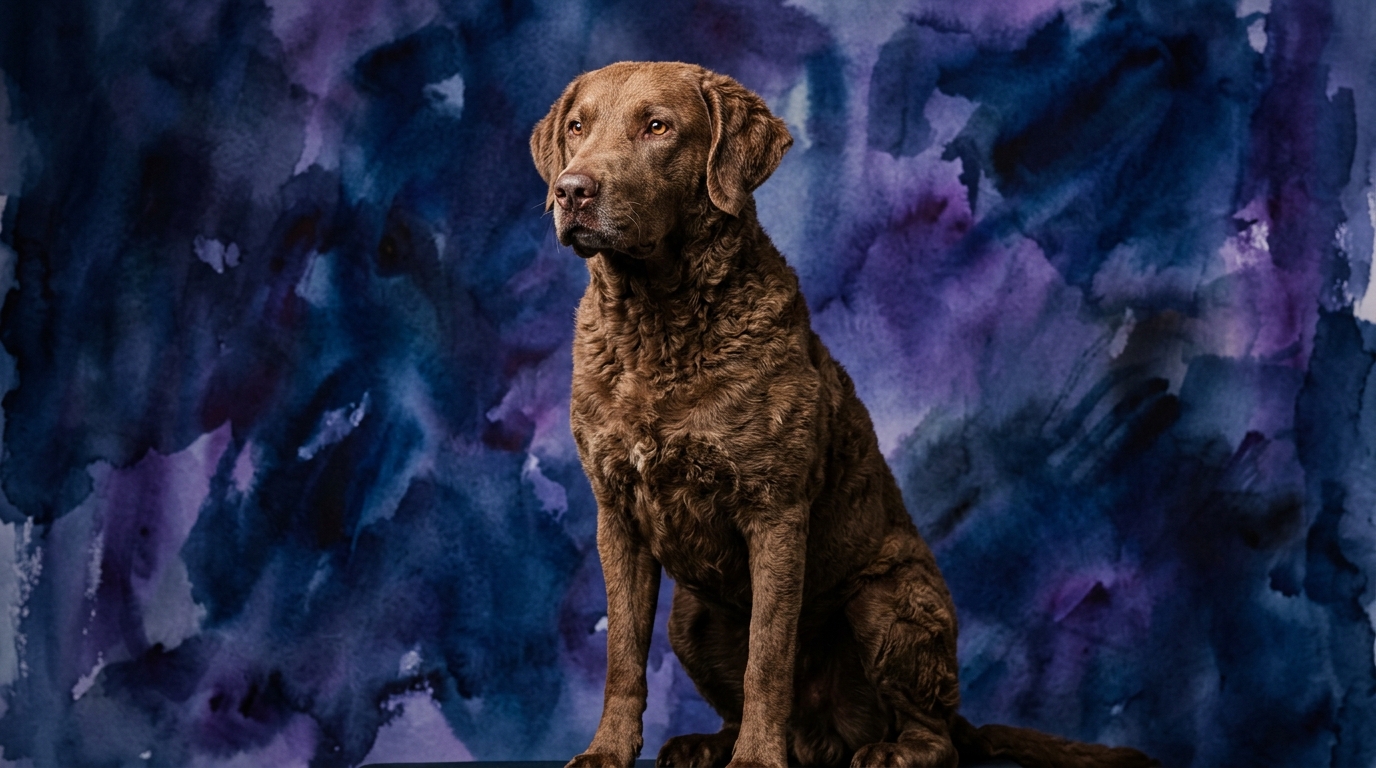
The Chesapeake Bay Retriever (CBR), in contrast, showcases a solid 4/5 in Problem Solving, a commendable 4/5 in Training Speed, a more reserved 3/5 in Social Intelligence, a moderate 3/5 in Instinctive Drive, and an impressive 4/5 in Memory. This indicates a resourceful dog adept at independent thought and retaining information over time, grasping new instructions efficiently. While their drive is sufficient for tasks, their social interactions might be more selective, requiring a nuanced approach to build connection.
Where the Bernese Mountain Dog Excels Cognitively
The Bernese Mountain Dog's standout cognitive strength lies in their remarkable Social Intelligence, scoring a perfect 5/5. This translates into an unparalleled ability to read human emotions, interpret subtle social cues, and integrate seamlessly into family dynamics. A BMD often anticipates owner needs, responding to shifts in tone or body language with an intuitive understanding that fosters deep emotional bonds. This acumen makes them exceptionally responsive companions, often appearing to understand unspoken desires.
Their robust 4/5 Instinctive Drive further supports their role as a cooperative family member. This drive isn't merely about physical work; it’s an inherent desire to be useful, to have a purpose within their human 'pack.' Whether carrying a light pack on a hike or simply sitting watchfully by a family member, they find satisfaction in contributing. This strong drive, coupled with their social understanding, makes them eager participants in structured activities, aligning their actions with their owner's intentions.
Additionally, their 4/5 Training Speed, while matched by the CBR, is likely amplified by their high social intelligence. A Bernese learns rapidly not just through repetition, but because they value harmonious interaction and seek to please their human companions. This eagerness to comply and their responsiveness to positive reinforcement make early socialization and basic obedience a relatively smooth and rewarding process, as they are inherently motivated by the positive feedback from their family.
Where the Chesapeake Bay Retriever Excels Cognitively
The Chesapeake Bay Retriever truly shines in Problem Solving, boasting a 4/5 score. This indicates a practical ingenuity, allowing them to independently assess situations and devise solutions, whether it’s figuring out how to retrieve a toy from an awkward spot or navigating a complex environment during a field exercise. They possess a resourceful mind, often thinking through challenges and adapting their approach without constant human guidance, a trait invaluable for their original purpose as independent retrievers in challenging conditions.
Complementing their problem-solving skills is an impressive 4/5 in Memory. This robust memory allows CBRs to retain complex sequences of commands, recall specific locations where items were dropped, and remember intricate training protocols over extended periods. For tasks demanding precision and multi-step execution, their capacity to store and retrieve detailed information gives them a significant advantage, making them proficient in advanced obedience, intricate agility courses, or complex hunting scenarios.
Their 4/5 Training Speed, while numerically equal to the BMD, is underpinned by different cognitive strengths. For the CBR, quick learning is often driven by their problem-solving ability and memory, enabling them to efficiently grasp and internalize instructions that have a clear purpose or reward. They process information effectively, quickly connecting actions with outcomes, which means they learn new skills swiftly and can apply them consistently once understood, rather than relying primarily on social motivation for compliance.
Training Ease: Bernese Mountain Dog vs. Chesapeake Bay Retriever
While both breeds share a commendable 4/5 Training Speed, the underlying cognitive mechanisms and practical ease of training differ significantly. The Bernese Mountain Dog, with its exceptional 5/5 Social Intelligence, is generally perceived as easier for the average owner to train. Their eagerness to please, responsiveness to human cues, and desire for close companionship make them highly receptive to positive reinforcement. They thrive on interaction and are less likely to challenge authority, making basic obedience and socialization a more cooperative and straightforward endeavor. Their strong instinctive drive means they enjoy having a 'job,' making task-oriented training engaging and rewarding for them, reinforcing their bond with their handler.
The Chesapeake Bay Retriever, conversely, requires a more specific and consistent approach to training, largely due to their 3/5 Social Intelligence and 4/5 Problem Solving. Their independence means they might not always be driven by a desire to please, but rather by the intrinsic reward of the task itself or a tangible outcome. Trainers must be clear, consistent, and engaging, as a CBR might attempt to 'outthink' or test boundaries, using their problem-solving skills to find shortcuts. While they learn quickly and retain information well thanks to their strong memory, their lower social motivation means they may not be as forgiving of inconsistent training or a lack of clear leadership. Success with a Chessie often hinges on understanding their working dog mentality and providing purposeful, structured training that challenges their intellect.
Matching Cognitive Profiles to Lifestyles: Active vs. Relaxed Owners
Considering their distinct cognitive profiles, each breed aligns with different owner lifestyles. The Bernese Mountain Dog, with its high social intelligence and desire for companionship, is an excellent fit for owners seeking a devoted, present family member. While they benefit from regular exercise, their cognitive makeup allows them to be content participating in daily household routines and quiet companionship. Their moderate problem-solving score means they are less inclined to invent their own entertainment or seek out independent mischief, preferring structured activities that involve their human family. This makes them well-suited for a more relaxed, companionship-focused home where their primary 'job' is to be a loving and interactive presence.
The Chesapeake Bay Retriever, with its higher problem-solving and memory scores, thrives with active owners who enjoy engaging in demanding outdoor activities. These dogs excel in pursuits like hunting, agility, or advanced obedience, where their wits and ability to recall complex sequences are regularly challenged. They require significant mental stimulation that caters to their independent and resourceful nature. A sedentary lifestyle without purpose-driven engagement can lead to boredom, potentially manifesting as self-directed problem-solving that might not always align with owner expectations. Owners considering a CBR should be prepared to provide consistent, challenging activities that tap into their innate drive for work and their capacity for independent thought.
The Verdict
Choose the Bernese Mountain Dog when you seek a deeply connected companion eager to integrate into family life and respond intuitively to emotional cues, offering warmth and a desire to participate in shared activities.
Opt for the Chesapeake Bay Retriever if you desire a resourceful, independent partner for demanding outdoor pursuits or activities requiring keen problem-solving and memory, valuing a dog that thinks for itself.
🧠 Find Your Pet's IQ Score
Our Pet IQ Lab assessment covers 25+ tests across 5 cognitive dimensions — personalized to your breed.
Take the Full IQ Test →Frequently Asked Questions
Do Bernese Mountain Dogs get bored easily if not given a 'job'?
While they possess a strong instinctive drive (4/5), a Bernese Mountain Dog's high social intelligence means they are often content with being involved in family activities. They thrive on companionship and structured interaction, rather than constantly needing complex independent tasks to avoid boredom, finding satisfaction in simply being with their humans.
Is a Chesapeake Bay Retriever a good choice for a first-time dog owner?
A Chesapeake Bay Retriever's independent problem-solving (4/5) and more reserved social intelligence (3/5) can present challenges for a novice owner. They require consistent, firm, and experienced guidance to channel their cognitive strengths effectively, making them better suited for those with prior dog ownership experience who understand their unique needs.
How does memory impact daily life for these breeds?
A Bernese Mountain Dog's moderate memory (3/5) means they'll learn routines and basic commands effectively, but might need more refreshers for intricate sequences or less frequently performed tasks. A Chesapeake Bay Retriever's stronger memory (4/5) allows them to retain complex training protocols and detailed information more readily, excelling in tasks requiring precise recall over extended periods, making them highly reliable for learned behaviors.