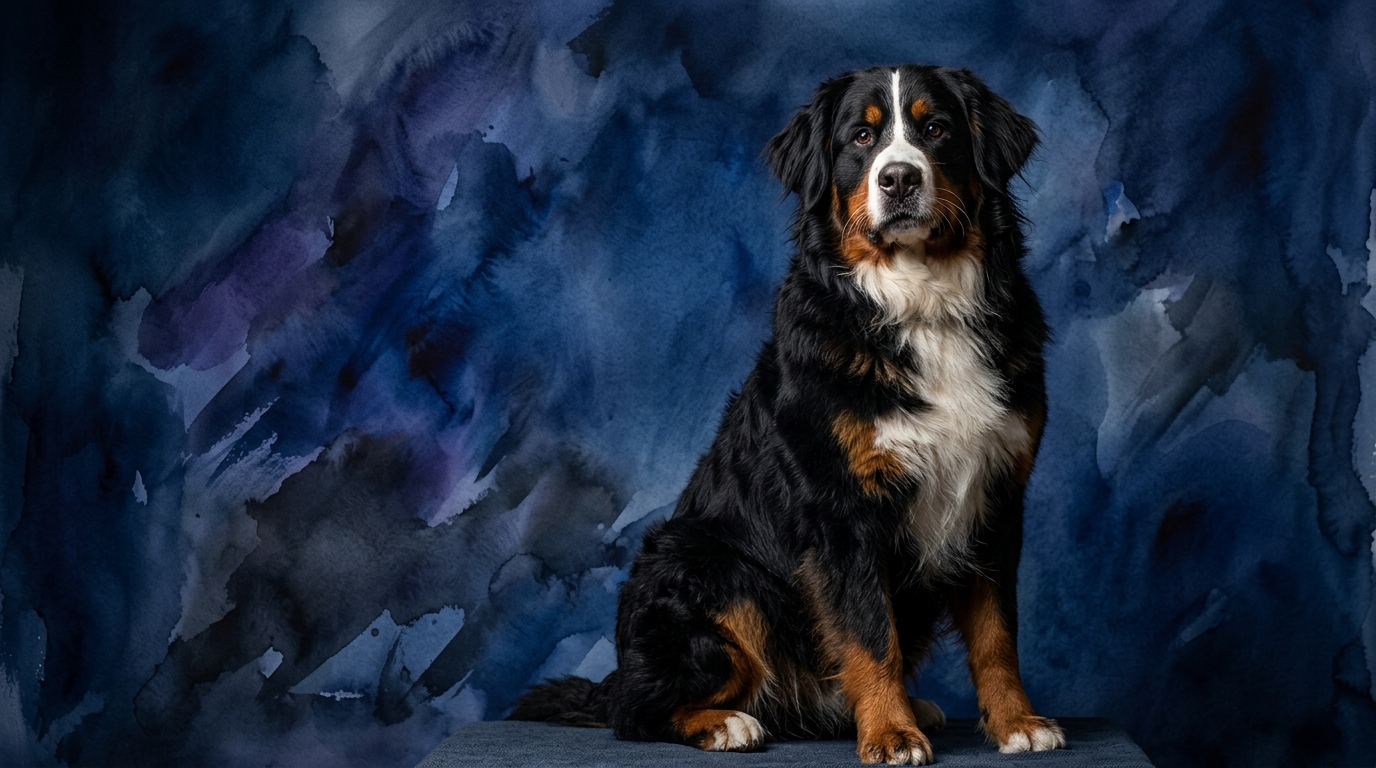
Side-by-Side IQ Profile: Bernese Mountain Dog
The Bernese Mountain Dog, ranked #27 by Coren, demonstrates a cognitive profile geared towards companionship and collaborative work. Their Problem Solving is rated 3/5, indicating competence in applying learned solutions to familiar tasks rather than consistently innovating novel approaches. Training Speed scores 4/5, reflecting a cooperative nature and eagerness to please that makes them relatively quick learners in structured environments. A standout 5/5 in Social Intelligence highlights their exceptional ability to read human emotions and social cues, fostering deep, empathetic bonds. Their Instinctive Drive, at 4/5, encompasses a historical inclination for drafting and guarding, translating into a desire for purposeful activity alongside their human partners. Memory is rated 3/5, sufficient for retaining commands and routines, particularly those reinforced through positive social interaction.
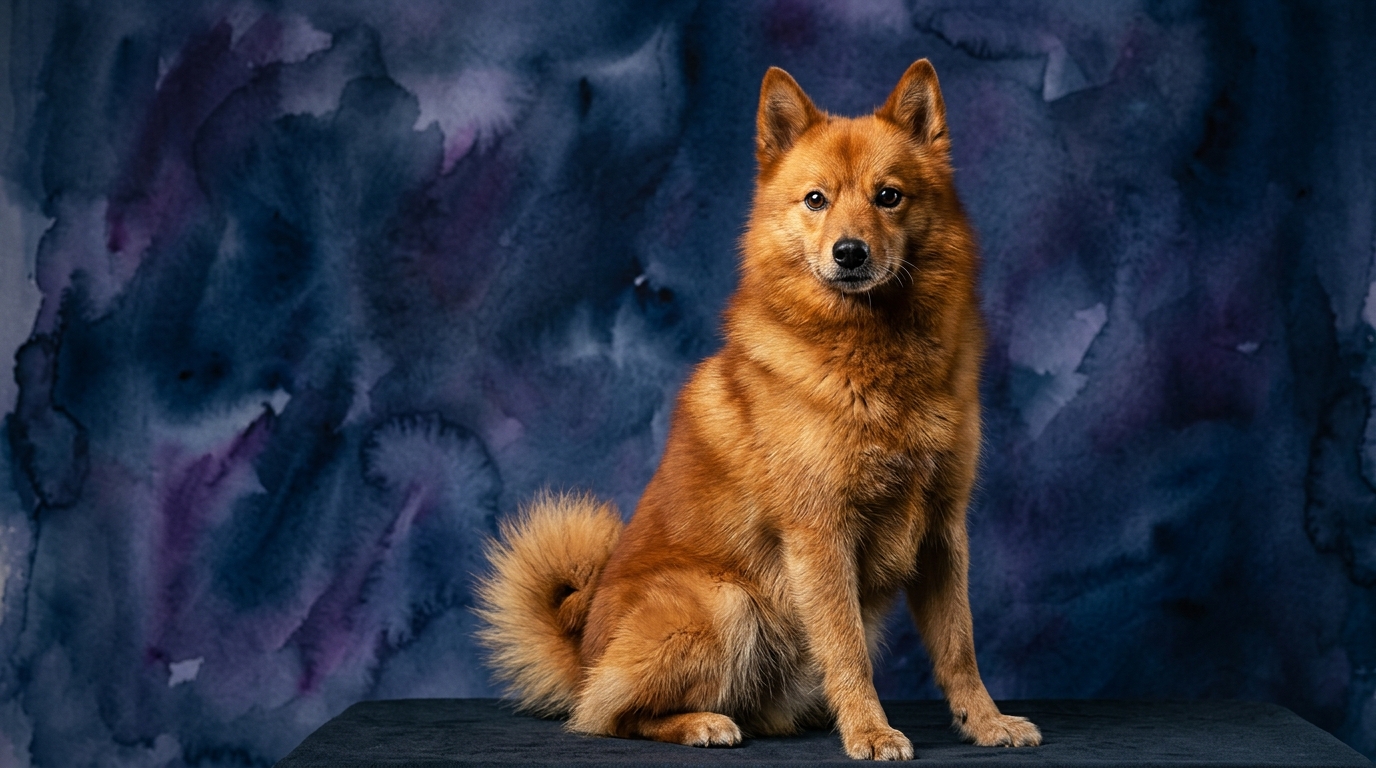
Side-by-Side IQ Profile: Finnish Spitz
The Finnish Spitz, a breed unranked by Coren but with a clear cognitive blueprint, exhibits an independent and alert mental makeup. Their Problem Solving is 3/5, often manifesting as persistent, trial-and-error efforts, particularly when engaged in their traditional role of locating and barking at game. Training Speed is 3/5, suggesting they can learn, but their independent spirit often requires more patience, motivation, and engaging methods compared to more biddable breeds. Social Intelligence also scores 3/5; while deeply bonded with their family, they tend to be more reserved with strangers, their social awareness primarily focused on their immediate pack and environmental vigilance. Their Instinctive Drive, rated 3/5, is highly specialized, centered on a powerful, sustained barking instinct for hunting, rather than generalized working tasks. Memory is 3/5, functional for retaining learned associations and routines, though their independent nature means recalling a command might depend on its immediate perceived relevance.
Where Bernese Mountain Dog Wins Cognitively
The Bernese Mountain Dog's cognitive strengths shine brightest in areas of collaboration and emotional attunement. Their exceptional 5/5 Social Intelligence means they possess an innate ability to interpret complex human expressions, moods, and intentions, making them extraordinarily empathetic companions. This mental faculty allows them to seamlessly integrate into family dynamics, often anticipating needs or offering comfort without explicit prompting. Furthermore, their 4/5 Training Speed is a direct reflection of their biddable nature and strong desire to cooperate; they actively seek to understand and comply with human direction, making them proficient learners in obedience, therapy work, or even search and rescue. Their Instinctive Drive, rated 4/5, is rooted in their heritage as working farm dogs, driving them to engage in purposeful activities with their owners, whether it's pulling a cart or carrying a backpack, demonstrating a collaborative cognitive framework.
Where Finnish Spitz Wins Cognitively
The Finnish Spitz excels in a different realm of cognitive function, specifically in their highly specialized instinctive drives and independent environmental processing. Their 3/5 Instinctive Drive, while numerically lower, represents a formidable and unique cognitive strength: a finely tuned, persistent barking instinct for game location. This requires acute auditory discrimination, sustained focus, and a specific problem-solving approach to pinpoint and “point” game by vocalization, a skill honed over centuries. This isn't just barking; it's a sophisticated communication system with hunters. Coupled with their independent 3/5 Problem Solving, they demonstrate a capacity for autonomous decision-making in the field, navigating terrain and making choices without constant human instruction. Their cognitive strengths are less about pleasing a human and more about executing their specific, ancestral task with self-reliance and acute environmental awareness, processing subtle changes in their surroundings to detect potential game.
Which is Easier to Train and Why
Without question, the Bernese Mountain Dog presents a significantly easier training experience due to their inherent cognitive makeup. Their 4/5 Training Speed is underpinned by a strong desire to please their human companions, making them highly responsive to positive reinforcement and eager to learn new commands. This biddability, combined with their 5/5 Social Intelligence, means they quickly grasp what is expected of them and are motivated by praise and connection. They thrive in structured training environments where they can work collaboratively with their owner, making basic obedience and even more advanced tasks relatively straightforward to teach. In contrast, the Finnish Spitz, with its 3/5 Training Speed and independent nature, requires a more nuanced and patient approach. They are not inherently driven by a desire to please and often prioritize their own interests, which can make training feel like a negotiation rather than a direct instruction. Their strong hunting instincts mean distractions can be powerful, and owners must find creative, highly motivating methods to engage their minds, often leveraging their prey drive or vocalizations in constructive ways, rather than relying on sheer compliance.
Which Suits Active Owners vs Relaxed Owners
The Bernese Mountain Dog generally suits owners seeking a deeply connected companion for moderate activity levels, making them a good fit for relaxed to moderately active households. While they possess a 4/5 instinctive drive for work, their activity needs are not extreme. They thrive on daily walks, family outings, and being an integral part of household life, enjoying both active engagement and quiet companionship. Their high social intelligence means they are content to be present with their family, whether on a hike or lounging indoors. Conversely, the Finnish Spitz, despite a 3/5 instinctive drive, suits owners who are prepared for consistent, engaging activity that caters to their specific cognitive and physical needs, leaning more towards active ownership. Their specialized hunting instinct and alert nature mean they require regular mental stimulation and opportunities to exercise their independent spirit. This could involve scent work, “find it” games, or activities that allow them to use their vocalizations constructively. Without proper outlets, their intelligence can manifest as restlessness or excessive barking, making them better suited for owners who enjoy a more hands-on, active approach to their dog's well-being and thrive on a companion with a spirited, independent streak.
The Verdict
For those seeking a deeply empathetic, cooperative, and relatively straightforward companion eager to integrate into family life and respond readily to training, the Bernese Mountain Dog is an excellent choice. If your lifestyle prioritizes strong social bonds, moderate activity, and a biddable partner, the Bernese excels.
Conversely, if you are drawn to an independent, spirited, and vocal companion with a keen sense of its surroundings, prepared for consistent, creative training that taps into their unique hunting instincts, the Finnish Spitz will be a rewarding partner. This breed suits owners who appreciate a dog with a distinctive personality and are ready for a more active, engaging relationship.
🧠 Find Your Pet's IQ Score
Our Pet IQ Lab assessment covers 25+ tests across 5 cognitive dimensions — personalized to your breed.
Take the Full IQ Test →Frequently Asked Questions
Do Bernese Mountain Dogs bark a lot?
Bernese Mountain Dogs typically have moderate barking tendencies, primarily using their voice for alerts or communication within their family. While they can be vocal, especially when greeting or in response to unfamiliar stimuli, they are generally not considered excessive barkers compared to some other breeds. Their social intelligence often means their barking is purposeful and context-driven.
Are Finnish Spitz good with children?
Finnish Spitz can be good with respectful children within their own family, forming close bonds, but their independent nature and preference for a quieter environment mean supervision is always recommended. They might be less tolerant of boisterous play than some other breeds and are often reserved with unfamiliar children, preferring a calm approach.
What kind of mental stimulation do Finnish Spitz need?
Finnish Spitz thrive on mental stimulation that engages their natural hunting and alerting instincts, such as scent work, puzzle toys, and “find it” games. Activities that allow them to use their vocalizations constructively, like “speak” on command or controlled alert barking, can also be highly beneficial for their cognitive well-being.