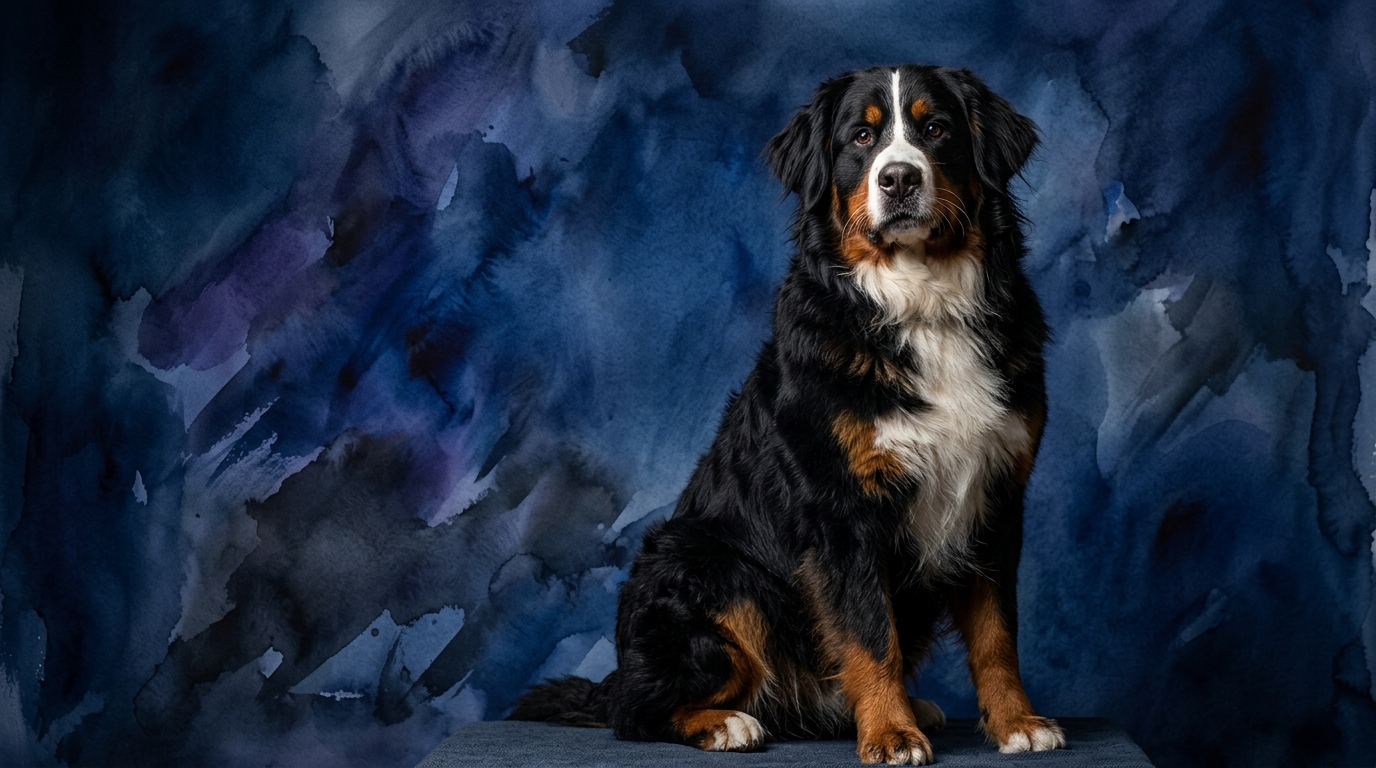
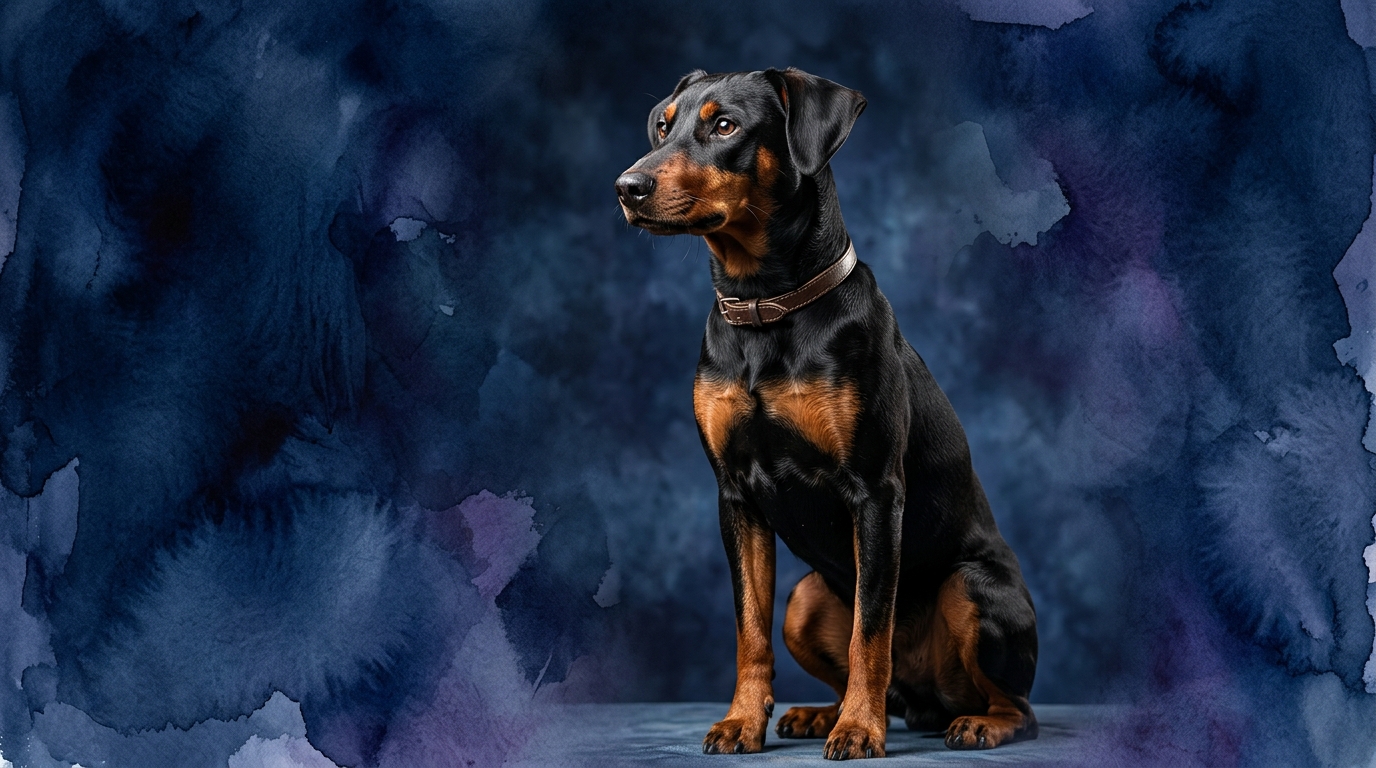
Side-by-Side IQ Profile: Bernese Mountain Dog vs. German Pinscher
The Cosmic Pet Pet IQ Lab employs five key dimensions to evaluate canine intelligence, offering a granular view beyond general perceptions. For the Bernese Mountain Dog, a majestic working breed, their Coren rank of #27 places them among the more adept learners in formal obedience and problem-solving contexts. Their IQ scores reveal a thoughtful, cooperative nature: Problem Solving at 3/5 indicates a solid capacity to navigate novel situations and figure out solutions, often through observation and trial-and-error. Training Speed, rated at 4/5, suggests they pick up new commands and routines with relative ease, responding well to consistent, positive reinforcement. Social Intelligence, a standout at 5/5, highlights their exceptional ability to read human emotions, cues, and intentions, fostering deep, empathetic bonds. Their Instinctive Drive, at 4/5, reflects a strong inclination towards their original purpose – drafting and farm work – manifesting as a desire to be useful and involved in family activities. Memory, scoring 3/5, allows them to retain learned behaviors and recognize people and places effectively over time.
In contrast, the German Pinscher, another robust working breed, is not Coren-ranked, suggesting a different profile that might emphasize independent action over collaborative obedience, or simply less widespread participation in the types of trials Coren studied. Their IQ scores paint a picture of an alert, agile companion: Problem Solving matches the Bernese at 3/5, indicating a competent ability to overcome obstacles, often with a clever, self-reliant approach. Training Speed is 3/5, meaning they are capable learners, but might require more consistent and engaging methods to maintain their focus and enthusiasm compared to the Bernese. Social Intelligence also scores 3/5, suggesting they are perceptive enough to interact appropriately with their human family but may display a more independent streak, not constantly seeking validation or interaction. Instinctive Drive, also 3/5, is typically channeled into their historical roles as ratters and guard dogs, translating to vigilance, a keen prey drive, and territorial awareness. Memory, like the Bernese, is 3/5, providing a reliable foundation for remembering commands, routines, and identifying familiar individuals or potential threats.
Where the Bernese Mountain Dog Excels Cognitively
The Bernese Mountain Dog demonstrates clear cognitive advantages, particularly in areas that foster harmonious human-canine partnership. Their exceptional Social Intelligence (5/5 vs. German Pinscher's 3/5) is a significant win. This means a Bernese is inherently more attuned to human emotional states, capable of understanding subtle cues, and often seeks to please their people. They excel in environments where empathy, responsiveness, and close companionship are valued, making them remarkably adaptable family members who integrate seamlessly into diverse social dynamics. This superior social acumen facilitates clearer communication and a deeper emotional connection.
Furthermore, the Bernese Mountain Dog's higher Training Speed (4/5 vs. German Pinscher's 3/5) gives them an edge in acquiring new skills and behaviors efficiently. Their eagerness to engage and their capacity to quickly associate actions with rewards make them quicker to master obedience commands, tricks, and even complex tasks. This cognitive trait, combined with their strong instinctive drive to work alongside humans, means they are often more straightforward to guide through structured learning programs, leading to faster progress and a more polished behavioral repertoire.
Where the German Pinscher Demonstrates Distinct Cognitive Strengths
While the German Pinscher's numerical scores may not always surpass the Bernese, their cognitive strengths lie in their unique application and manifestation of these traits, making them suitable for different lifestyles. Their Problem Solving (3/5), while numerically equal, often manifests with a more independent and resourceful flair. A German Pinscher is adept at figuring out solutions to environmental challenges, such as escaping a perceived confinement or outsmarting a small pest, relying less on human guidance and more on their innate wit and agility. This independent problem-solving can be a distinct advantage for owners who appreciate a dog capable of making quick, autonomous decisions.
The German Pinscher's Instinctive Drive (3/5), though numerically matching the Bernese, is typically channeled into vigilance and a pronounced prey drive. For owners seeking an alert watchdog or a companion with a keen eye for small vermin, this drive is a significant asset. Their social intelligence (3/5), while lower than the Bernese, fosters a sense of self-reliance and allows them to be content without constant human attention, a 'win' for owners who desire a dog with a degree of independence rather than one that constantly seeks interaction and reassurance. Their solid Memory (3/5) further supports their vigilance, enabling them to reliably recall potential threats or the layout of their territory.
Training Dynamics: Bernese Mountain Dog vs. German Pinscher
When it comes to ease of training, the Bernese Mountain Dog generally presents a more straightforward experience due to their higher scores in Social Intelligence and Training Speed. Their 5/5 Social Intelligence means they are exceptionally receptive to human communication and emotional states, making them eager to please and highly motivated by positive interaction with their owner. They tend to form strong collaborative bonds, which translates into a willingness to work alongside their trainer. Coupled with a 4/5 Training Speed, they grasp new concepts quickly and retain them well, allowing for rapid progression through various obedience levels and task-oriented training.
The German Pinscher, with a 3/5 in both Social Intelligence and Training Speed, is a capable learner but often requires a different approach. Their more independent nature means they might not be as inherently driven to please as the Bernese and can be more prone to boredom if training isn't engaging and varied. Their instinctive drive, often focused on vigilance and prey, can sometimes override their attention to commands, requiring consistent, firm, and positive reinforcement to maintain focus. While they certainly learn, their training journey may demand more patience, creativity, and a proactive understanding of their independent mindset to ensure success.
Lifestyle Suitability: Active vs. Relaxed Owners
The Bernese Mountain Dog generally suits owners who appreciate a balanced lifestyle, offering both active engagement and periods of calm companionship. While large and requiring consistent moderate exercise to maintain their physical health and channel their 4/5 instinctive drive, their 5/5 social intelligence makes them very content to spend significant time with their family, whether on a hike or simply relaxing indoors. They thrive on inclusion in family activities and are generally adaptable to various living situations as long as they receive adequate attention and mental stimulation. They are an excellent choice for families seeking a loyal, affectionate, and relatively adaptable companion.
The German Pinscher, despite being smaller, typically demands a more active and engaged owner. Their 3/5 instinctive drive, often geared towards vigilance and chasing, translates into a need for ample mental and physical stimulation to prevent boredom and destructive behaviors. They are agile, energetic, and thrive on consistent exercise, structured playtime, and opportunities to use their problem-solving skills. Owners who enjoy dog sports like agility, obedience, or scent work, and can provide a stimulating environment, will find the German Pinscher a rewarding companion. Their independent social intelligence means they are not constantly demanding attention but still require consistent interaction and training to channel their energy constructively.
The Verdict: When to Choose Each Companion
The Verdict
Choose the Bernese Mountain Dog if you seek a highly social, empathetic, and relatively easier-to-train companion who thrives on close family bonds and collaborative activities. They are ideal for owners who appreciate a dog that integrates seamlessly into family life and offers both loyalty and emotional responsiveness.
Opt for the German Pinscher if you desire an alert, independent, and agile companion with a keen problem-solving mind and a strong drive for vigilance and activity. They are best suited for engaged owners who can provide consistent mental and physical stimulation, appreciating a dog with a spirited, self-reliant character.
🧠 Find Your Pet's IQ Score
Our Pet IQ Lab assessment covers 25+ tests across 5 cognitive dimensions — personalized to your breed.
Take the Full IQ Test →Frequently Asked Questions
Does the Bernese Mountain Dog's Coren rank truly indicate superior intelligence?
The Coren rank of #27 for the Bernese Mountain Dog primarily reflects their strong performance in obedience and working intelligence, indicating they learn and execute commands effectively. While a valuable metric, it's one aspect of intelligence, focusing on a dog's ability to respond to human direction and problem-solve within structured tasks, rather than encompassing all cognitive dimensions.
How does social intelligence impact the daily life of these breeds?
Higher social intelligence, like the Bernese Mountain Dog's 5/5, means they are more attuned to human emotions and cues, fostering deeper, more responsive bonds and easier communication in daily interactions. The German Pinscher's 3/5 social intelligence suggests a more independent nature; they understand their human family but might not constantly seek validation or interaction, making them suitable for owners who appreciate a degree of self-sufficiency in their companion.
Which breed requires more mental stimulation to stay content?
While both breeds benefit from mental engagement, the German Pinscher's combination of problem-solving (3/5) and instinctive drive (3/5) often requires more consistent and varied mental stimulation to prevent boredom and channel their energy constructively. Their independent nature means they might create their own 'work' if not provided with engaging activities, whereas the Bernese Mountain Dog's social intelligence makes them more content with collaborative human-led activities.