Side-by-Side Cognitive Profiles
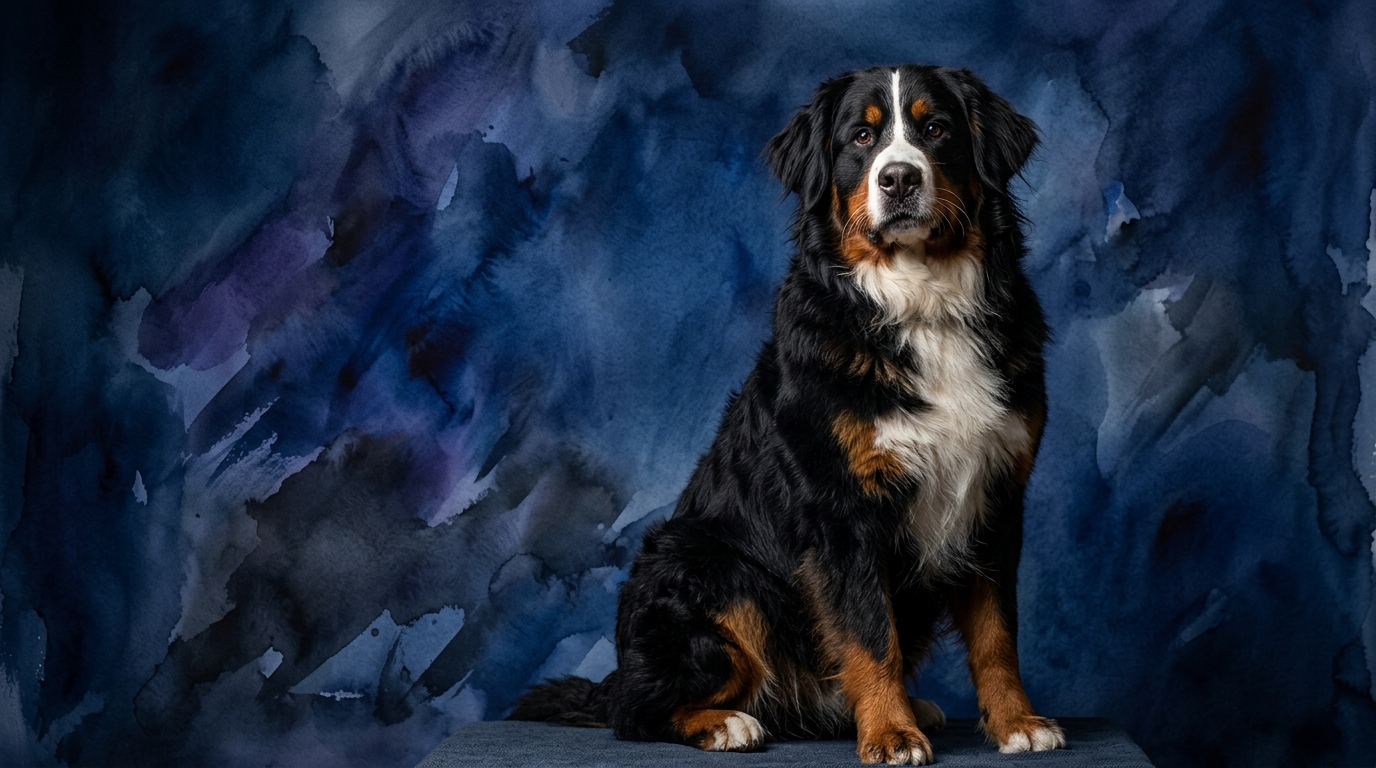
The Bernese Mountain Dog, ranking #27 on the Coren scale, presents a cognitive profile characterized by practicality and profound social connection. Their Problem Solving is rated 3/5, indicating a moderate ability to independently navigate new challenges, often relying on learned patterns rather than spontaneous innovation. Training Speed is 4/5, signifying a quick grasp of new commands, likely aided by their exceptional Social Intelligence, which scores a perfect 5/5. This suggests a deep understanding of human cues and a strong desire for cooperative interaction. Their Instinctive Drive is 4/5, reflecting a solid working ethic often manifested in tasks involving companionship or gentle assistance, while Memory stands at 3/5, suggesting a practical retention of information.
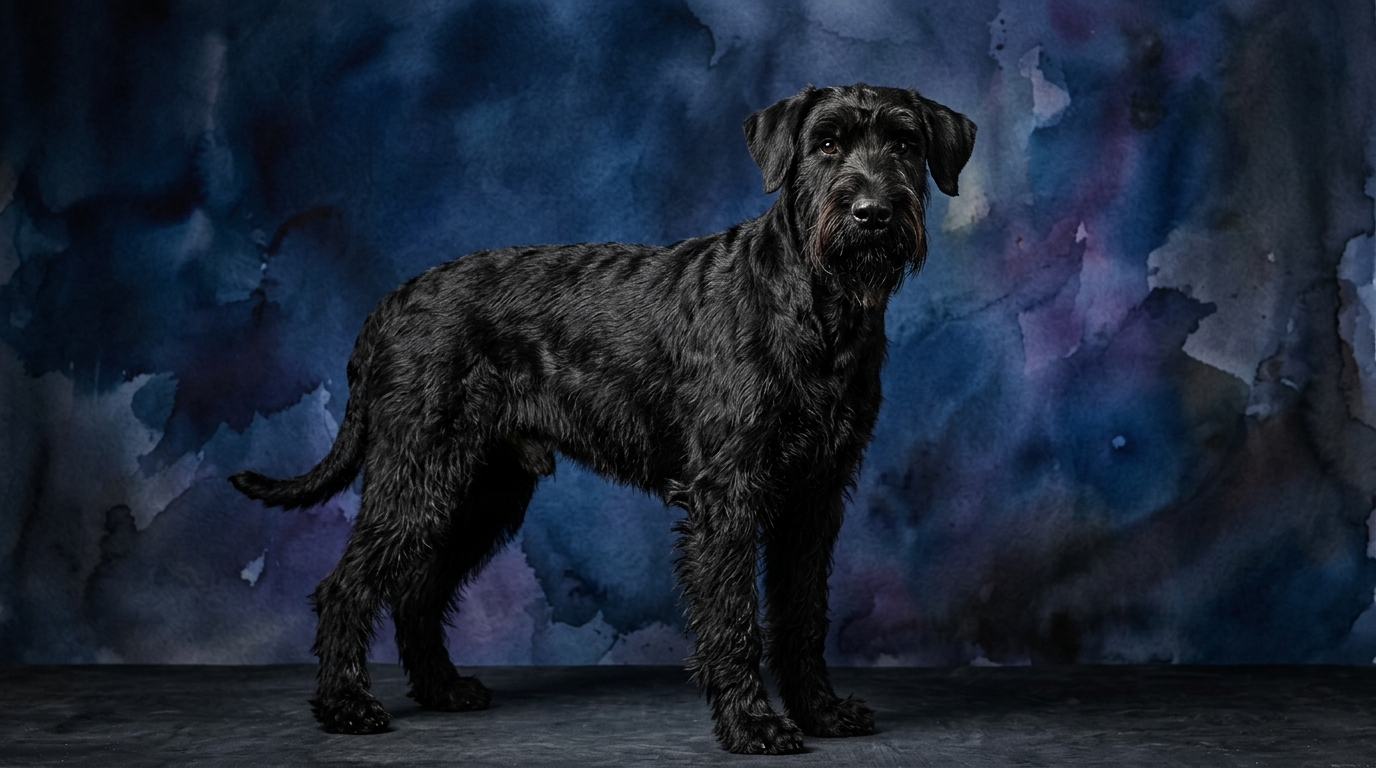
In contrast, the Giant Schnauzer, positioned closely at #28 on the Coren scale, demonstrates a cognitive makeup geared towards independent thought and robust recall. Their Problem Solving is 4/5, indicating a more pronounced aptitude for strategizing and resolving complex situations on their own. Training Speed matches the Bernese at 4/5, showing they are equally swift in acquiring new skills, though perhaps driven by a different motivational framework. Social Intelligence is 3/5, suggesting a more independent nature compared to the Bernese, less overtly focused on constant human validation. Instinctive Drive is 3/5, a moderate level that often translates into focused task orientation, and notably, their Memory is 4/5, signifying superior retention of learned behaviors and experiences over time.
Where the Bernese Mountain Dog Excels Cognitively
The Bernese Mountain Dog's cognitive strengths are most evident in areas demanding emotional attunement and cooperative effort. Their perfect 5/5 Social Intelligence is a standout feature, making them profoundly responsive to human communication, subtle cues, and emotional states. This isn't just about understanding commands; it's about forming deep, empathetic bonds and thriving in a family structure where mutual understanding is paramount. This high social intelligence makes them exceptional therapeutic companions, as they intuitively pick up on human needs and respond with comforting presence. Their 4/5 Training Speed is significantly amplified by this social drive; they learn quickly not just because they can, but because they genuinely desire to engage and please their human counterparts, making training sessions feel like a collaborative effort rather than a directive. They often anticipate their owner's wishes and react with a willingness that reflects their strong social bond, making them remarkably intuitive partners in daily life and in activities that involve close teamwork, such as carting or simply navigating busy public spaces gracefully alongside their handler. Their practical problem-solving, while not the highest, is often sufficient for navigating social situations and adapting to family routines with minimal fuss.
Where the Giant Schnauzer Excels Cognitively
The Giant Schnauzer's cognitive prowess shines in tasks requiring independent thought, strategic planning, and enduring recall. Their 4/5 Problem Solving ability means they are more inclined to analyze situations and devise solutions autonomously, rather than waiting for human direction. This makes them highly effective in roles that demand initiative, such as protection work, where they must assess threats and respond decisively. This capacity for independent problem-solving also makes them adept at complex puzzle toys or scent work, where they must figure out intricate steps to reach a goal. Coupled with their 4/5 Memory, Giant Schnauzers demonstrate a remarkable ability to retain complex sequences of commands or learned behaviors over extended periods. This is invaluable for advanced obedience, agility, or competitive dog sports where intricate routines must be performed flawlessly after long breaks. They can recall precise movements and commands with impressive accuracy, allowing them to build upon a vast repertoire of skills without significant retraining. Their moderate instinctive drive, while not as high as some other working breeds, is often channeled into focused, purposeful activities that leverage these cognitive strengths, making them determined and thorough in their endeavors, particularly when a task has a clear objective and a rewarding outcome.
Which Is Easier to Train and Why
When it comes to ease of training, the Bernese Mountain Dog generally presents a more straightforward experience for the average owner, primarily due to their superior Social Intelligence (5/5). This profound attunement to human intent and desire to cooperate means they are highly receptive to positive reinforcement and eager to please. They view training as an opportunity for connection and interaction, often responding quickly to verbal cues and body language. Their 4/5 Training Speed is significantly bolstered by this inherent willingness to work alongside their human, making them quick studies in basic obedience and more complex tasks alike. Behavioral differences manifest in their readiness to comply; a Bernese is likely to offer behaviors proactively to gain approval, making shaping new actions simpler. They are less prone to stubbornness when their bond with the trainer is strong, making the learning process feel intuitive and rewarding for both parties. Their moderate instinctive drive can be easily channeled into constructive activities within a family setting, further simplifying management and training.
The Giant Schnauzer, while also possessing a 4/5 Training Speed, might present a different training dynamic. Their 3/5 Social Intelligence suggests a more independent and less overtly people-focused approach. While they learn quickly, their motivation might stem more from the satisfaction of mastering a task or the clear reward, rather than an overwhelming desire to please. This can mean they require a more consistent, firm, and structured training approach, where expectations are clear and boundaries are well-defined. Their 4/5 Memory is a huge asset for retaining commands once learned, but getting them to initially commit to a behavior might require more patience and a clearer demonstration of the task's value to them. Their moderate instinctive drive means they are not easily deterred by distractions, but this focus needs to be directed; without clear guidance, they might apply their problem-solving skills to unintended behaviors. Training a Giant Schnauzer is highly rewarding, but often demands an owner who enjoys the challenge of working with a dog that thinks for itself and thrives on purpose-driven activities rather than constant social validation.
Which Suits Active Owners vs. Relaxed Owners
For owners seeking a more relaxed, yet still engaged, companion, the Bernese Mountain Dog is often the more suitable choice. Their high Social Intelligence and moderate Problem Solving mean they thrive on companionship and integration into family life without necessarily demanding constant, high-intensity mental or physical challenges. While they certainly benefit from regular exercise and mental stimulation, their instinctive drive (4/5) is often satisfied with being a present, affectionate family member, participating in moderate walks, and engaging in gentle play or cooperative tasks like carting. They are generally content with a routine that includes ample human interaction and a comfortable home environment. Their cognitive profile lends itself to being a calm, responsive presence, making them excellent companions for individuals or families who prefer a more laid-back pace but still appreciate a dog that is engaged and responsive to their social cues. They are less likely to invent their own 'work' if under-stimulated, preferring to relax with their people.
Conversely, the Giant Schnauzer is better suited for active owners who relish providing structured mental and physical challenges. Their higher Problem Solving (4/5) and strong Memory (4/5), combined with a moderate but focused Instinctive Drive (3/5), mean they require consistent engagement to prevent boredom and potential destructive behaviors. These dogs thrive on having a 'job' to do, whether it's advanced obedience, agility, protection sports, or extensive hiking and exploring. They are not content to simply be a decorative presence; they need outlets for their sharp minds and robust bodies. An owner who enjoys training, problem-solving activities, and a more rigorous exercise routine will find the Giant Schnauzer an incredibly rewarding partner. Their independent nature also means they can be excellent companions for long outdoor adventures, confidently navigating new environments. They require an owner who understands their need for purpose and is willing to invest time in channeling their cognitive strengths into productive and enjoyable activities.
The Verdict
Choose the Bernese Mountain Dog if you prioritize a deeply social, empathetic companion eager for cooperative interaction and a more relaxed family integration. They thrive on connection and are ideal for owners who appreciate an intuitive, gentle presence.
Opt for the Giant Schnauzer if you seek an independent, problem-solving partner who excels in structured activities and retains complex tasks with impressive memory. They are best for active owners who enjoy providing consistent mental and physical challenges.
🧠 Find Your Pet's IQ Score
Our Pet IQ Lab assessment covers 25+ tests across 5 cognitive dimensions — personalized to your breed.
Take the Full IQ Test →Frequently Asked Questions
Which breed is more adaptable to new environments?
The Bernese Mountain Dog, with its high social intelligence, often adapts well to new environments when accompanied by its familiar human companions, drawing comfort from their presence. The Giant Schnauzer, while adaptable, might take a bit longer to assess and adjust to new surroundings due to its more independent and observant nature, preferring to understand its new territory before fully settling.
Do either of these breeds excel in dog sports?
Both breeds can excel in dog sports, but in different capacities. Bernese Mountain Dogs, with their training speed and social intelligence, often shine in activities like carting, obedience, and rally where teamwork and cooperation are key. Giant Schnauzers, with their superior problem-solving and memory, are particularly well-suited for agility, protection work, advanced obedience, and tracking, thriving on tasks that require precision and independent thought.
How do their instinctive drives differ in daily life?
The Bernese Mountain Dog's 4/5 instinctive drive often manifests as a desire to be a helpful companion, eager to participate in family activities and 'work' alongside their owners in gentle ways. The Giant Schnauzer's 3/5 instinctive drive is more focused and task-oriented; they might have a stronger inclination towards guarding or specific tasks, needing clear direction to channel this drive productively in a domestic setting.