Side-by-Side IQ Profile: Bernese Mountain Dog vs. Harrier
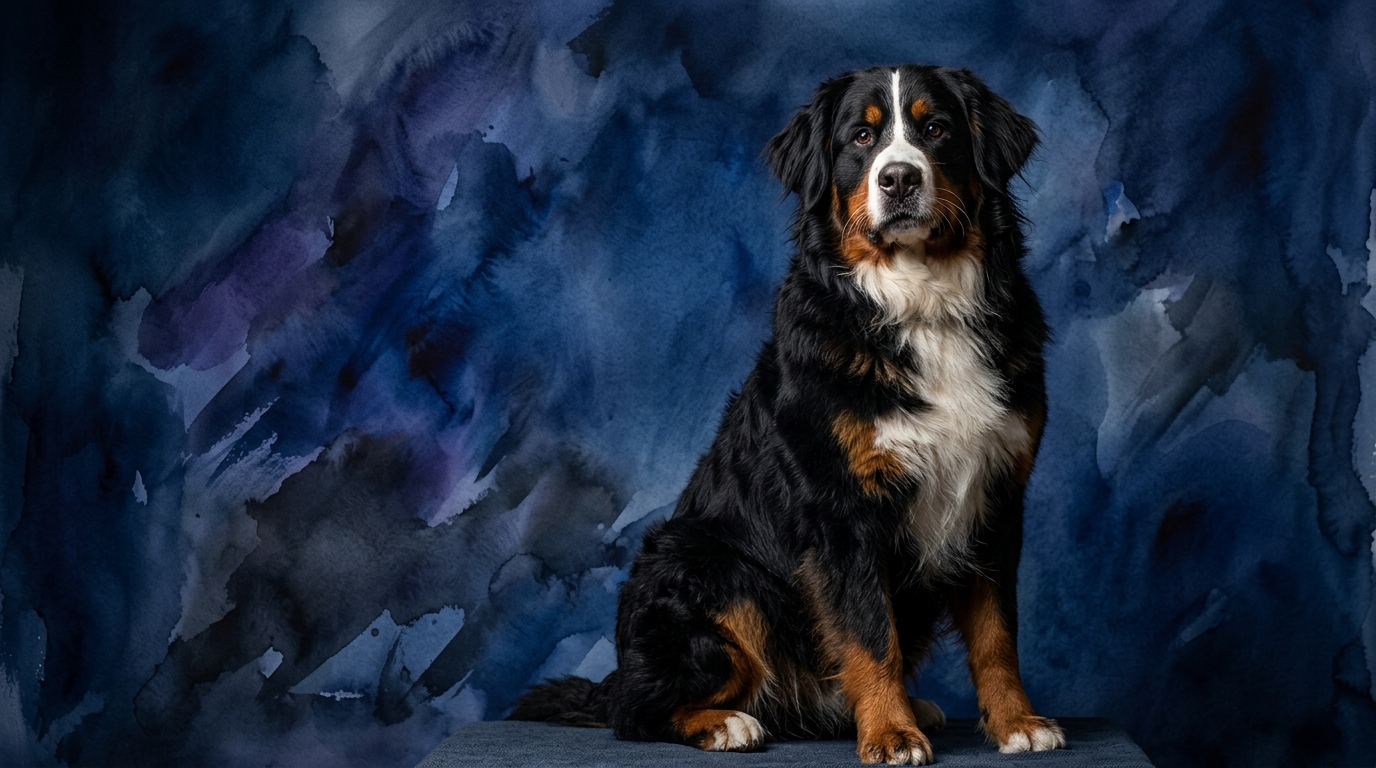
At The Cosmic Pet Pet IQ Lab, we dissect canine cognition across five crucial dimensions, providing a nuanced understanding beyond simple labels. The Bernese Mountain Dog, a robust working breed, holds a respectable Coren rank of #27, signaling a notable capacity for understanding human directives and adapting to domestic life. Its cognitive scores reflect this: Problem Solving at 3/5 indicates a moderate ability to navigate novel challenges independently, often preferring to consult with its human companions. Training Speed shines at 4/5, suggesting a readiness and enthusiasm to pick up new commands and routines with relative ease. Social Intelligence is a standout at 5/5, highlighting an exceptional ability to interpret human cues, form strong bonds, and integrate seamlessly into family dynamics. Instinctive Drive, rated 4/5, speaks to its inherent inclination for tasks like drafting and guarding, rooted in its heritage. Memory, at 3/5, is solid, allowing it to retain learned behaviors and routines effectively.
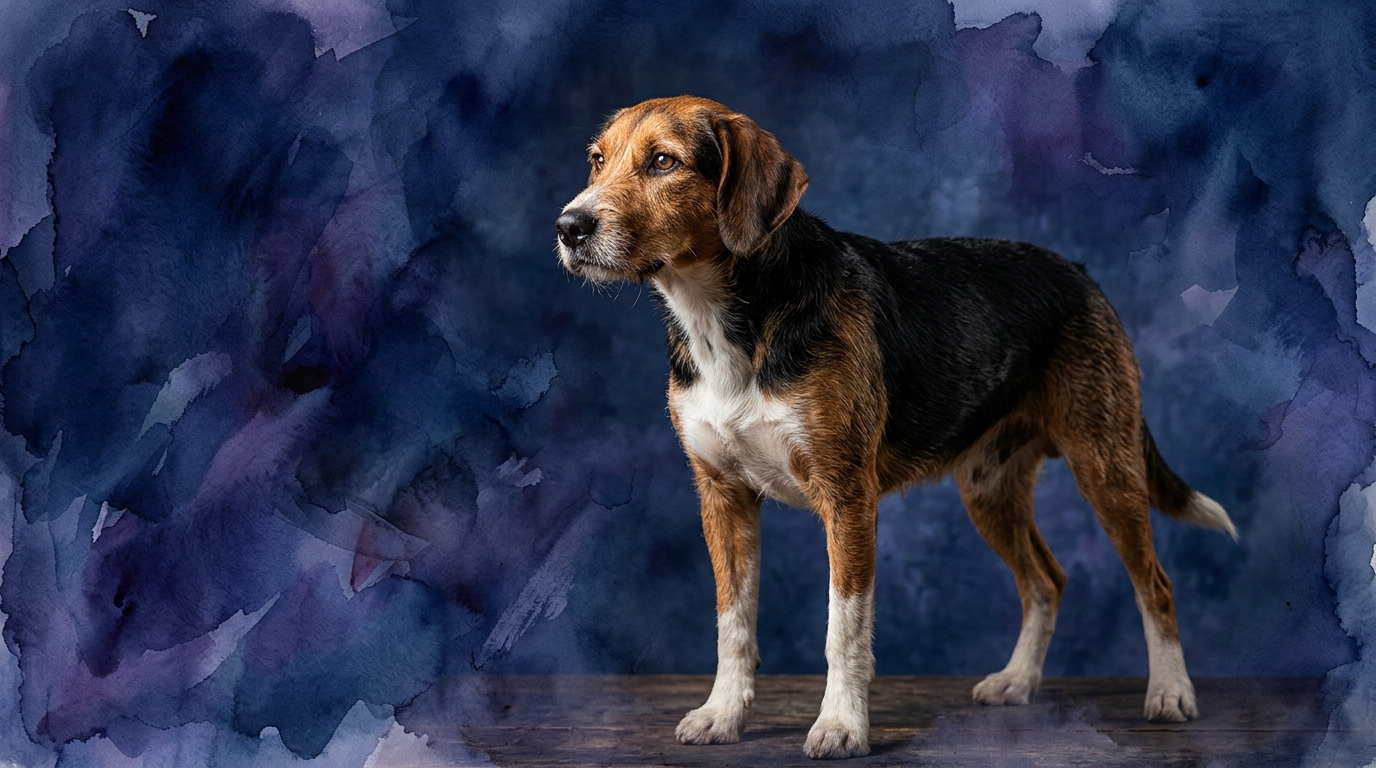
The Harrier, a spirited hound breed, is not Coren-ranked, which is common for breeds whose primary cognitive strengths lie outside complex obedience and problem-solving tasks in a human-centric context. Its IQ profile reflects a more balanced, purpose-driven set of aptitudes. Problem Solving scores 3/5, similar to the Bernese, but often applied to scent-related puzzles or navigating terrain during a chase rather than human-directed tasks. Training Speed is 3/5, indicating a willingness to learn but perhaps with less urgency or consistent focus compared to a working dog, often needing more repetition and motivation. Social Intelligence also registers 3/5; Harriers are affectionate but tend to be more independent, less overtly people-focused than the Bernese, prioritizing their sensory world. Instinctive Drive is 3/5, firmly rooted in its powerful prey drive and scenting abilities, which are paramount to its existence. Memory, at 3/5, is functional for remembering scent trails and learned hunting patterns, but may not be as readily applied to complex, multi-step human commands.
Where the Bernese Mountain Dog Excels Cognitively
The Bernese Mountain Dog’s cognitive architecture truly distinguishes itself in areas of social engagement and responsiveness to human guidance. Its exceptional Social Intelligence score of 5/5 means it possesses an innate capacity for empathy and connection, making it highly attuned to the emotional states and intentions of its human family. This manifests in a dog that seeks interaction, thrives on companionship, and often anticipates needs, making it a profoundly intuitive presence in the home. This deep social awareness is a cornerstone of its cooperative nature, making joint activities and shared experiences deeply rewarding.
Coupled with its 4/5 Training Speed, the Bernese demonstrates a remarkable aptitude for learning and adherence to commands. This isn't just about rote memorization; it's about a desire to participate and contribute, which stems directly from its social intelligence. When presented with a new task, a Bernese often approaches it with a willing attitude, eager to understand what is expected and to earn positive reinforcement. This combination allows for a relatively smooth and enjoyable training process, enabling them to excel in various dog sports that require close partnership, such as obedience or drafting. Its Coren rank further underscores its capacity for understanding and executing complex instructions within a human framework, far beyond basic commands.
Where the Harrier's Cognitive Strengths Lie
While the Harrier's scores might appear lower in comparison to the Bernese in human-centric metrics, it’s crucial to understand these scores within the context of its breed purpose. The Harrier's cognitive strengths are deeply rooted in its heritage as a scent hound, where independence and unwavering focus on a task define success. Its Problem Solving at 3/5, while matching the Bernese, is applied differently; a Harrier excels at unraveling the complex puzzle of a scent trail, navigating varied terrain, and maintaining concentration for extended periods, tasks that require a specific brand of persistence and sensory processing. This cognitive persistence, often misinterpreted as stubbornness in a domestic setting, is a profound asset in its intended role.
The Harrier’s Instinctive Drive, also 3/5, is a powerful engine for its activities. This drive is not simply about energy; it's a cognitive imperative to follow scent, to pursue, and to work as part of a pack. This translates to an unwavering determination once a scent is engaged, demonstrating a single-mindedness that can be a marvel to observe in its element. Its Memory (3/5) is particularly effective for recalling scent patterns and navigating familiar hunting grounds, suggesting a spatial and olfactory memory that is highly refined for its specific purpose, even if it doesn't manifest as readily in remembering a long list of arbitrary human commands.
Which is Easier to Train and Why
When it comes to ease of training in a typical pet home, the Bernese Mountain Dog generally presents a more straightforward experience. Its Training Speed of 4/5, coupled with its outstanding Social Intelligence of 5/5, means the Bernese is inherently motivated to please its human companions and quick to grasp new concepts. They often exhibit a strong desire for cooperation, making them responsive to positive reinforcement and clear directives. For instance, a Bernese will typically make eye contact, solicit guidance, and adjust its behavior based on subtle cues, allowing for quicker progress in obedience and household manners. Their background as working dogs has instilled a natural inclination towards partnership and understanding human expectations.
The Harrier, with a Training Speed of 3/5 and Social Intelligence of 3/5, requires a different approach. While certainly capable of learning, Harriers often prioritize their sensory world, particularly scents, over human directives. This means that during training, a tempting smell might easily override a command, leading to a perception of distraction or independence. Their instinctive drive to follow a trail is a powerful internal motivator that can often conflict with external training efforts. Therefore, training a Harrier demands more patience, consistency, and a deep understanding of hound motivation, often leveraging their love for scent games or food rewards to maintain engagement. They are less inclined to offer voluntary compliance and more likely to question the immediate benefit of a task, making the training journey a longer, more deliberate process.
Suitability for Active vs. Relaxed Owners
The cognitive and physical profiles of these two breeds offer distinct fits for different owner lifestyles. The Bernese Mountain Dog, while possessing a moderate instinctive drive (4/5) for its working tasks, also boasts a high social intelligence (5/5) that makes it highly adaptable to a range of family dynamics. They enjoy being active but are equally content with periods of relaxation alongside their people. An owner who enjoys regular walks, moderate hikes, or engaging in casual dog sports will find a willing partner in the Bernese. Their cooperative nature means they are generally amenable to varied schedules, as long as they receive consistent companionship and mental stimulation through interaction.
Conversely, the Harrier's cognitive makeup, particularly its persistent problem-solving (3/5) applied to scent and its instinctive drive (3/5) for pursuit, makes it a better match for active owners who can provide specific outlets for its energy and mental engagement. A Harrier thrives when given opportunities to use its nose and legs, whether through long runs, scent work, or participation in activities like agility or lure coursing. A relaxed owner who cannot commit to rigorous daily exercise and mental challenges tailored to a hound’s instincts might find a Harrier's independent nature and strong drive challenging to manage. They require an owner who understands and respects their need to explore and follow their nose, as this is where their cognitive strengths truly come alive and prevent boredom-induced behaviors.
The Verdict
Choose the Bernese Mountain Dog if you seek a highly cooperative companion with exceptional social intelligence, eager to learn and integrate deeply into family life, offering a rewarding and relatively straightforward training experience.
Opt for the Harrier if you are an active individual or family prepared to channel a keen scent hound's independent problem-solving and instinctive drive into engaging activities, appreciating a dog whose cognitive world is richly informed by its powerful nose.
🧠 Find Your Pet's IQ Score
Our Pet IQ Lab assessment covers 25+ tests across 5 cognitive dimensions — personalized to your breed.
Take the Full IQ Test →Frequently Asked Questions
Do Bernese Mountain Dogs need a lot of mental stimulation?
Yes, Bernese Mountain Dogs benefit greatly from consistent mental engagement. Their high social intelligence and training speed mean they thrive on learning new commands, participating in family activities, and solving interactive puzzles that reinforce their bond with their owners.
Are Harriers difficult to train for basic obedience?
Harriers can be more challenging for basic obedience due to their independent nature and powerful instinctive drive for scent work. They require patient, consistent training with high-value rewards, often needing more repetition and creative motivation to maintain focus compared to more people-oriented breeds.
Which breed is better with children?
The Bernese Mountain Dog, with its exceptional social intelligence and cooperative nature, generally adapts more readily and patiently to a family environment with children. Harriers can be affectionate but might be too boisterous or independent for very young children, requiring careful supervision and training to ensure harmonious interactions.