Side-by-Side IQ Profile
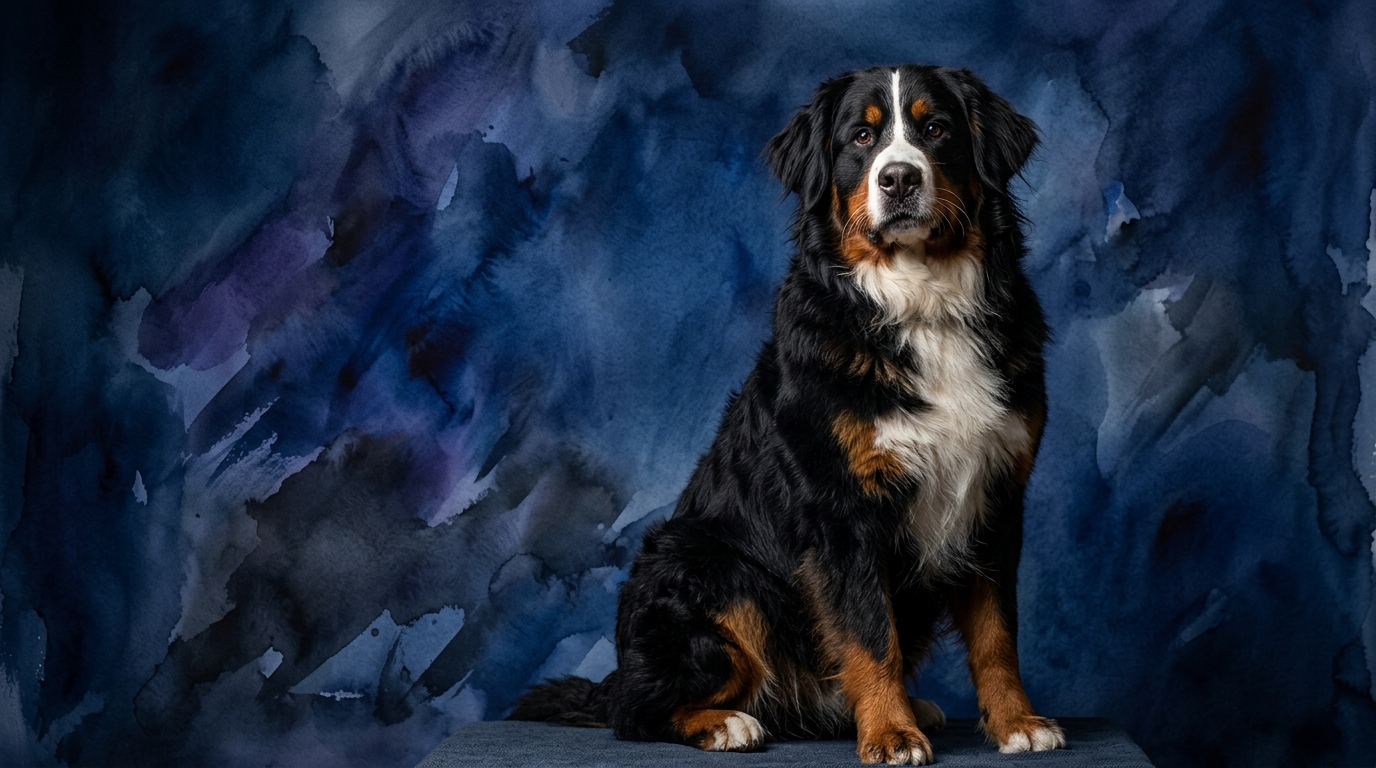
The Cosmic Pet Pet IQ Lab assesses canine cognition across five key dimensions, providing a granular view beyond simple 'smart' labels. For the Bernese Mountain Dog, a member of the Working Group and Coren-ranked at #27, their profile shows a Problem Solving score of 3/5, indicating an average capacity for independent thought and navigating novel situations. Their Training Speed is a solid 4/5, suggesting they pick up new commands and routines relatively quickly. Social Intelligence stands at an impressive 5/5, reflecting their profound ability to understand human cues and integrate into family dynamics. Instinctive Drive, crucial for their working heritage, is rated 4/5, while Memory is an average 3/5.
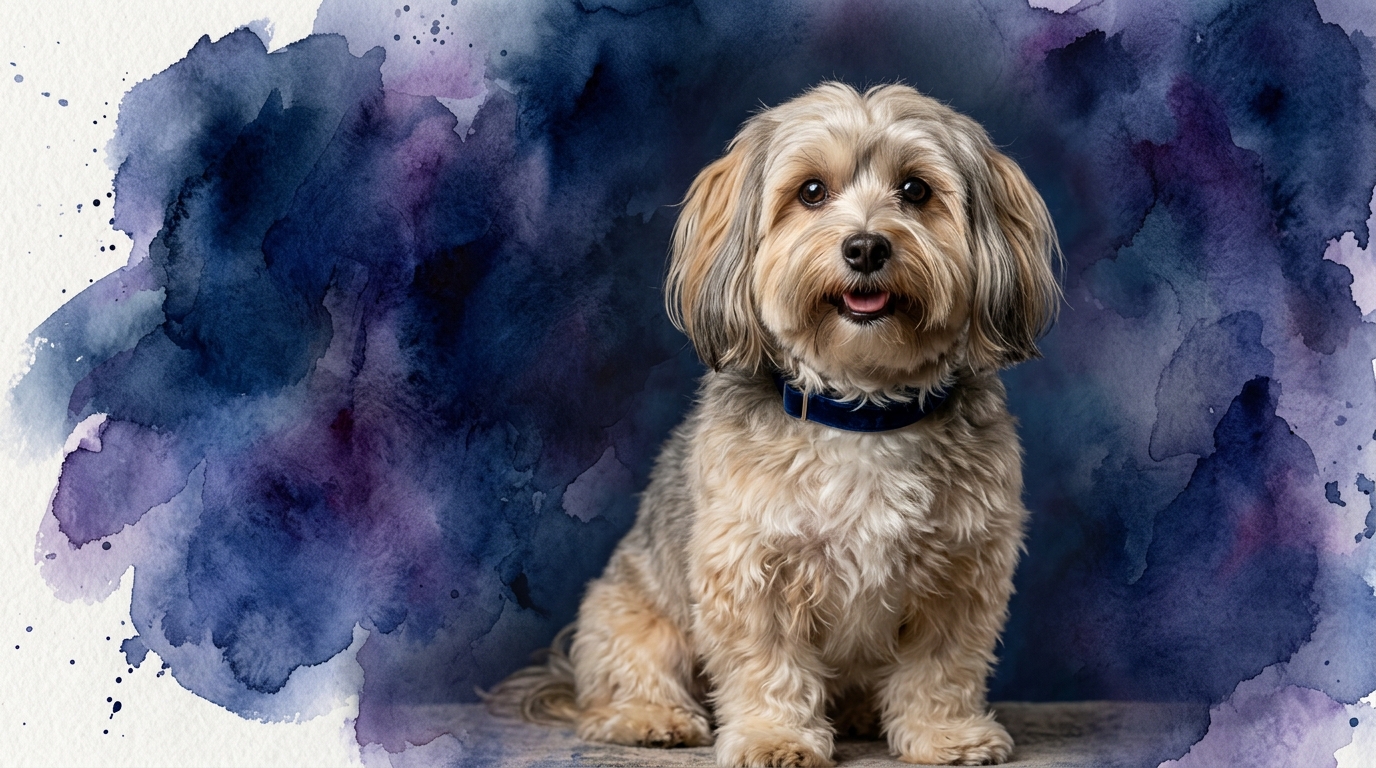
In contrast, the Havanese, a delightful Toy breed not currently Coren-ranked, presents a slightly different cognitive blueprint. They share the same Problem Solving score of 3/5, demonstrating comparable general cognitive flexibility to the Bernese. Their Training Speed is 3/5, meaning they learn at an average pace, perhaps requiring more repetition than their larger counterpart. Like the Bernese, their Social Intelligence is an outstanding 5/5, underscoring their exceptional ability to connect with people and adapt to social environments. However, their Instinctive Drive is lower at 2/5, and their Memory also registers at 3/5.
Where Bernese Mountain Dog Wins Cognitively
The Bernese Mountain Dog's cognitive strengths distinctly align with their historical role as a farm dog, excelling in areas vital for practical application. Their superior Training Speed (4/5 versus Havanese's 3/5) means they are generally quicker to grasp and execute complex commands, making them more efficient learners in structured environments. This attribute is further bolstered by their higher Instinctive Drive (4/5 versus Havanese's 2/5), which translates into a greater intrinsic motivation to engage in tasks and follow direction, a characteristic refined over generations of working alongside humans. Their Coren ranking of #27 further reinforces their capacity for obedience and working intelligence.
This combination of quicker learning and stronger drive makes the Bernese better suited for roles requiring consistent engagement and purpose, such as advanced obedience, drafting, or even therapy work where specific tasks are performed. While both breeds show equal Problem Solving skills, the Bernese's drive often means they are more inclined to apply those skills in a directed manner, persevering through challenges when a clear objective is presented. They possess a mental framework geared towards partnership in effort, rather than solely companionship.
Where Havanese Wins Cognitively
While the Havanese doesn't outscore the Bernese in any single cognitive dimension, their unique blend of attributes creates a distinct advantage for specific lifestyles. Their exceptional Social Intelligence (5/5, matching the Bernese) combined with their lower Instinctive Drive (2/5) means they are exquisitely tuned to human emotional states and desire close interaction without the strong urge to 'work' or fulfill a specific job. This makes them highly adaptable and content in varied domestic settings, prioritizing emotional connection over task execution. They excel at simply 'being' with their people, offering comfort and companionship.
The Havanese's cognitive profile, particularly their average Training Speed (3/5) and Problem Solving (3/5) alongside their lower drive, indicates a dog that can learn and adapt effectively to household routines without demanding constant mental challenges rooted in performance. They are adept at navigating social nuances and thrive on being central to family life, using their social intellect to foster strong bonds rather than complete complex tasks. Their cognitive 'win' is truly in their specialized capacity for pure, adaptable companionship.
Which is Easier to Train and Why
When considering ease of training, the Bernese Mountain Dog generally holds an advantage due to its higher Training Speed (4/5) and robust Instinctive Drive (4/5). These traits suggest that a Bernese will typically pick up new commands more rapidly and possess a stronger inherent desire to cooperate and follow instructions, often eager to please and engage in structured learning sessions. Their working heritage means they are predisposed to taking direction and performing tasks, which translates into a more straightforward training experience for owners committed to consistency. They often respond well to positive reinforcement methods and can quickly generalize learned behaviors.
The Havanese, with a Training Speed of 3/5 and a lower Instinctive Drive of 2/5, while certainly trainable, may require more patience and creative motivation. Their training success often hinges on leveraging their high Social Intelligence (5/5) and making learning a fun, bonding experience rather than a strict task. They might be more easily distracted if training isn't engaging, and their lower drive means they aren't inherently driven to perform 'jobs.' Owners should expect to use shorter, more frequent sessions and rely heavily on positive reinforcement and play to keep a Havanese motivated and focused during training.
Which Suits Active Owners vs. Relaxed Owners
The Bernese Mountain Dog is an ideal match for active owners who are prepared to integrate their dog into a dynamic lifestyle that includes both physical exercise and mental engagement. Their significant Instinctive Drive (4/5) means they thrive on having a purpose, whether it's participating in dog sports, hiking, or even just regular, stimulating walks that allow them to explore and use their senses. Owners who enjoy structured training, have time for consistent mental challenges, and can provide ample outdoor activity will find the Bernese a rewarding and engaged companion. Their larger size and strength also necessitate an owner capable of handling a powerful dog.
Conversely, the Havanese is perfectly suited for more relaxed owners who prioritize companionship and indoor activities, though they certainly enjoy playtime. Their lower Instinctive Drive (2/5) means they are content with moderate daily exercise, such as short walks or indoor games, and do not typically demand intense physical exertion or complex tasks to feel fulfilled. Their high Social Intelligence (5/5) ensures they are deeply attuned to their family's needs and thrive on being included in daily routines, making them excellent companions for those seeking an affectionate presence without the demands of a high-drive working breed. They are particularly adaptable to apartment living or homes with less expansive outdoor space.
The Verdict: When to Choose Each
Choosing between a Bernese Mountain Dog and a Havanese comes down to understanding your lifestyle and what you seek in a canine partner. If you are an active individual or family looking for a robust, task-oriented companion who learns quickly and thrives on having a job, the Bernese Mountain Dog's cognitive profile makes them an excellent choice. They will excel with owners who can provide consistent training, mental stimulation, and opportunities for purposeful activity, embracing their working heritage.
If your home is a calmer environment and you desire an adaptable, highly social companion whose primary 'job' is to provide affection and connection, the Havanese is likely your ideal match. They will flourish with owners who appreciate their charming personality, lower exercise demands, and exceptional ability to integrate seamlessly into a relaxed family life, valuing their presence over their performance.
The Verdict
Choose the Bernese Mountain Dog if you seek a powerful, task-oriented companion eager for structured training and consistent mental engagement, thriving on purpose.
Choose the Havanese if you desire an adaptable, highly social companion who prioritizes affection and thrives in a relaxed home environment, valuing presence over performance.
🧠 Find Your Pet's IQ Score
Our Pet IQ Lab assessment covers 25+ tests across 5 cognitive dimensions — personalized to your breed.
Take the Full IQ Test →Frequently Asked Questions
Do Bernese Mountain Dogs need more mental stimulation than Havanese?
Yes, Bernese Mountain Dogs generally require more mental stimulation due to their higher Instinctive Drive and working background. They benefit greatly from consistent training, puzzle toys, and activities that challenge their problem-solving abilities and provide a sense of purpose.
Are Havanese difficult to train because of their lower training speed?
Havanese are not inherently difficult to train, but their average training speed (3/5) means they may require more patience and repetition than a Bernese. Success often comes from keeping training sessions short, fun, and highly rewarding, leveraging their strong social intelligence.
Which breed is better with children based on their social intelligence?
Both breeds score an outstanding 5/5 in Social Intelligence, indicating excellent understanding of human cues and a strong desire to connect. With proper socialization and training, both can be wonderful family dogs, though a Havanese's smaller size might make them a better fit for younger children who might accidentally overwhelm a larger dog.