
Side-by-Side IQ Profile: Bernese Mountain Dog vs. Lakeland Terrier
At The Cosmic Pet Pet IQ Lab, we analyze canine cognition across five crucial dimensions. Understanding these profiles helps us appreciate the nuanced intellectual capabilities each breed brings. Let's delve into how the Bernese Mountain Dog and the Lakeland Terrier stack up, revealing their inherent cognitive strengths and predispositions.
The Bernese Mountain Dog, a robust working dog, demonstrates a moderate capacity for Problem Solving (3/5), often approaching new situations with a thoughtful, measured demeanor. Their forte truly lies in Training Speed (4/5), where they exhibit a commendable aptitude for quickly grasping new commands and behaviors, driven by a strong desire to please and cooperate. Their Social Intelligence (5/5) is exceptionally developed, allowing them to form deep, empathetic bonds and keenly interpret human emotions and intentions. Instinctive Drive (4/5) is robust, channeled into their historical roles of guarding, drafting, and companionship, leading to protective and 'useful' behaviors within their family unit. Memory (3/5) is moderate, sufficient for retaining routines and commands with consistent reinforcement.
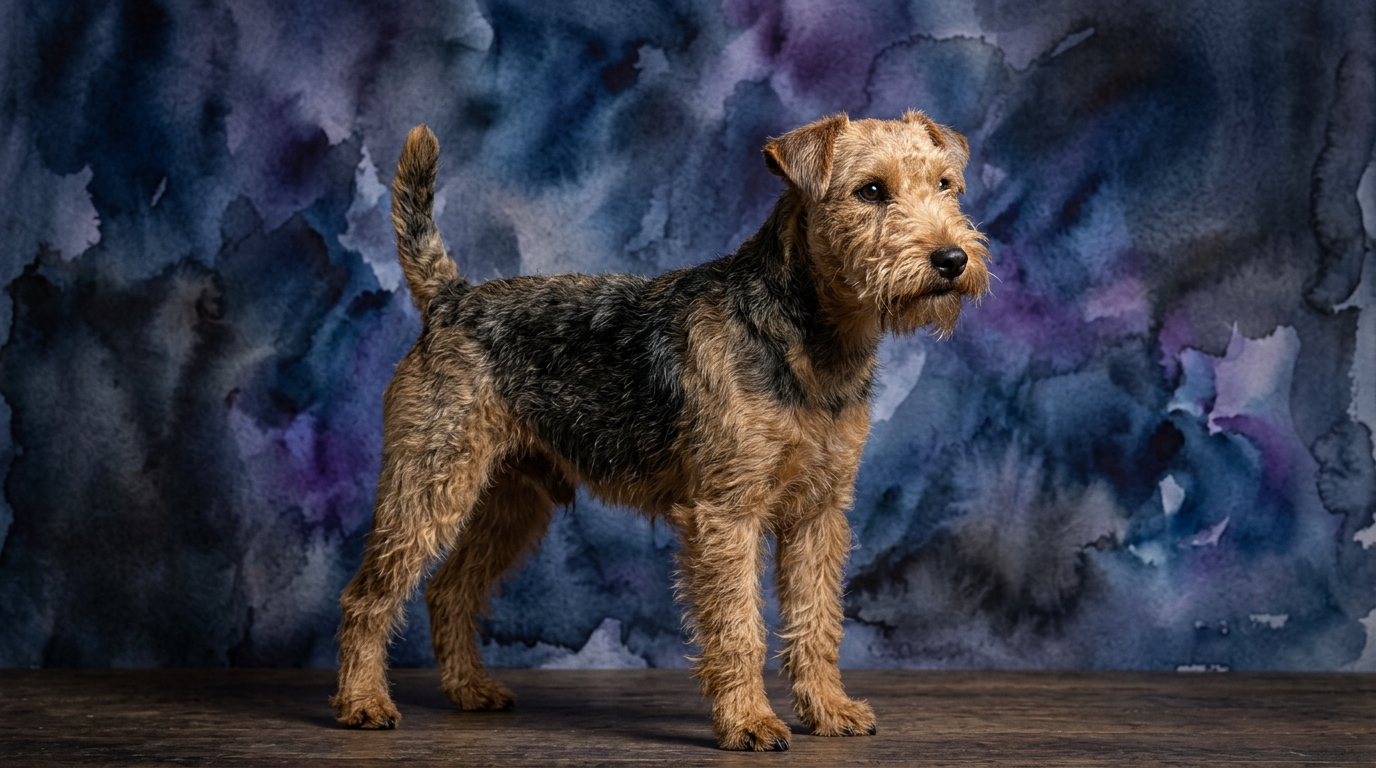
The Lakeland Terrier, a spirited member of the terrier group, mirrors the Bernese in Problem Solving (3/5), though their approach is characteristically more independent and tenacious, often employing persistent trial-and-error. Their Training Speed (3/5) is moderate; while capable learners, their independent streak necessitates engaging, patient, and consistent methods to maintain focus. Social Intelligence (3/5) is also moderate; they form strong bonds with their immediate family but tend to be more reserved or selective with strangers and other animals, expressing affection in their own distinct way. Instinctive Drive (3/5) is a defining feature, strongly oriented towards prey drive, exploration, and digging, influencing much of their self-directed behavior. Like the Bernese, their Memory (3/5) is moderate, capable of retaining information but sometimes overshadowed by more immediate instinctual impulses.
Where the Bernese Mountain Dog Excels Cognitively
The Bernese Mountain Dog's cognitive profile truly shines in areas of social connection and cooperative learning. Their exceptional Social Intelligence (5/5) stands as a significant advantage, making them profoundly adept at reading human cues, anticipating needs, and integrating seamlessly into the intricate dynamics of a family. This cognitive strength translates into an empathetic companion who is highly attuned to the emotional landscape of their human counterparts, often offering comfort or companionship precisely when it's needed most. They are not merely present; they are actively engaged in the social fabric of their household, demonstrating a sophisticated understanding of relational nuances.
Complementing this social prowess is their superior Training Speed (4/5). This indicates a greater inherent willingness and capacity for cooperative learning compared to many breeds. Bernese Mountain Dogs genuinely thrive on positive interaction during training sessions, quickly picking up new tasks and relishing the shared activity. Their attentiveness and desire for approval make them highly receptive students. This combination of high social intelligence and quick training aptitude renders them remarkably adaptable to various roles within a household, from being a steadfast family pet to excelling in activities that require close partnership and understanding, such as therapy work or obedience trials.
Where the Lakeland Terrier's Cognition Offers Unique Advantages
While the Lakeland Terrier’s scores may not surpass those of the Bernese in any single dimension, their cognitive profile presents a distinct set of advantages, particularly for owners who appreciate tenacity and independent problem-solving. Their Problem Solving (3/5) is often applied with an unyielding spirit; unlike breeds that might seek human guidance, a Lakeland is more inclined to relentlessly pursue a goal on its own terms, whether it's investigating a novel scent, navigating a complex burrow-like environment, or figuring out how to reach a desired object. This self-reliance is a specific cognitive strength, making them formidable in situations requiring persistent, self-directed effort rather than collaborative strategizing.
Furthermore, their Instinctive Drive (3/5), though rated similarly to their other dimensions, is profoundly effective for their historical purpose. This drive equips them with a relentless focus on prey and exploration. This isn't just a physical attribute; it's a cognitive one that enables them to process environmental stimuli with a keen, targeted intensity. For owners interested in activities like earthdog trials or those living in rural settings where independent vermin control is valued, the Lakeland’s specific application of its cognitive resources—its unwavering focus and independent decision-making in pursuit of its instincts—becomes a significant asset. They are masters of their niche, demonstrating a focused determination that is a hallmark of their cognitive makeup.
Ease of Training: Bernese Mountain Dog vs. Lakeland Terrier
When it comes to the practical aspect of training, the Bernese Mountain Dog generally presents a smoother experience due to its higher Training Speed (4/5) and exceptional Social Intelligence (5/5). Their inherent desire to please their human companions, coupled with their keen ability to understand and respond to social cues, makes them highly receptive and eager students. They thrive on positive reinforcement and clear communication, often picking up new commands quickly and performing them reliably. This cooperative cognitive framework means they are often more forgiving of handler errors and maintain focus more readily.
In contrast, the Lakeland Terrier’s Training Speed (3/5) and moderate Social Intelligence (3/5) suggest a more challenging, albeit rewarding, training journey. Their independent nature and strong instinctive drives mean that while they are capable of learning, they may require greater patience, creativity, and consistency from their owner. A Lakeland might choose to prioritize an interesting scent or a perceived 'more important' task over a command, exhibiting what some owners affectionately call 'selective hearing.' Successful training with a Lakeland often involves making lessons highly engaging, leveraging their natural curiosity, and understanding that their independent problem-solving style means they are less inclined to blindly follow instructions and more likely to question or explore alternatives.
Matching Cognitive Profiles to Owner Lifestyles: Active vs. Relaxed Owners
The cognitive profiles of these two breeds offer clear guidance for matching them with suitable owner lifestyles. For owners seeking a more relaxed, socially integrated companion, the Bernese Mountain Dog is often an ideal fit. Their high Social Intelligence (5/5) means they are most content when deeply integrated into family life, craving companionship and interactive, shared experiences over intense, independent activities. While they enjoy moderate exercise, their mental stimulation often comes from being involved in daily family routines and receiving affection. Their cooperative nature and lower demand for independent, high-intensity mental tasks make them well-suited for households valuing harmonious coexistence and mutual emotional support.
Conversely, the Lakeland Terrier's cognitive makeup aligns better with active owners who appreciate and can channel a dog's independent spirit and pronounced drives. Their strong Instinctive Drive (3/5) and independent Problem Solving (3/5) mean they require significant mental stimulation and outlets for their natural terrier behaviors, such as digging, chasing, and exploring. They thrive with owners who can provide structured activities like agility, earthdog trials, or long, exploratory walks where their cognitive tenacity and keen senses can be fully engaged. Owners who embrace a dog that makes independent decisions and possesses a spirited, self-reliant approach to the world will find the Lakeland Terrier a profoundly rewarding, albeit demanding, partner.
The Verdict
Choose the Bernese Mountain Dog if you seek a deeply empathetic and cooperative companion, valuing a dog highly attuned to human social cues and eager to participate in shared activities and training. They thrive in environments where they are integral family members, offering unwavering loyalty and emotional support.
Opt for the Lakeland Terrier if you appreciate a tenacious, independent spirit in a canine partner, and are prepared to engage with a dog driven by specific instincts and enjoying a more self-reliant approach to problem-solving. They are best suited for active owners who can provide consistent mental and physical outlets for their spirited nature.
🧠 Find Your Pet's IQ Score
Our Pet IQ Lab assessment covers 25+ tests across 5 cognitive dimensions — personalized to your breed.
Take the Full IQ Test →Frequently Asked Questions
Does a Bernese Mountain Dog's high social intelligence mean they can be left alone for long periods?
No, their elevated social intelligence (5/5) means Bernese Mountain Dogs thrive on human companionship and can experience distress or anxiety if left isolated for extended durations. They are cognitively wired to be integral family members, not solitary animals, and require regular interaction to maintain their well-being.
How does the Lakeland Terrier's problem-solving ability compare when faced with complex puzzles?
While scoring 3/5, similar to the Bernese, a Lakeland Terrier approaches complex puzzles with a distinct, tenacious independence. They might employ more trial-and-error and persistent exploration, driven by their instinctive curiosity, rather than seeking human assistance or following complex sequences, often preferring to 'figure it out' themselves.
Is a Bernese Mountain Dog's moderate memory (3/5) a disadvantage in daily life?
A Bernese Mountain Dog's moderate memory (3/5) is generally not a disadvantage in daily life, as they retain essential commands and routines effectively. Consistent reinforcement and clear communication ensure they remain responsive, and their strong social intelligence often compensates by making them attentive to cues and eager to please.