Unpacking Their Cognitive Profiles: A Side-by-Side Look
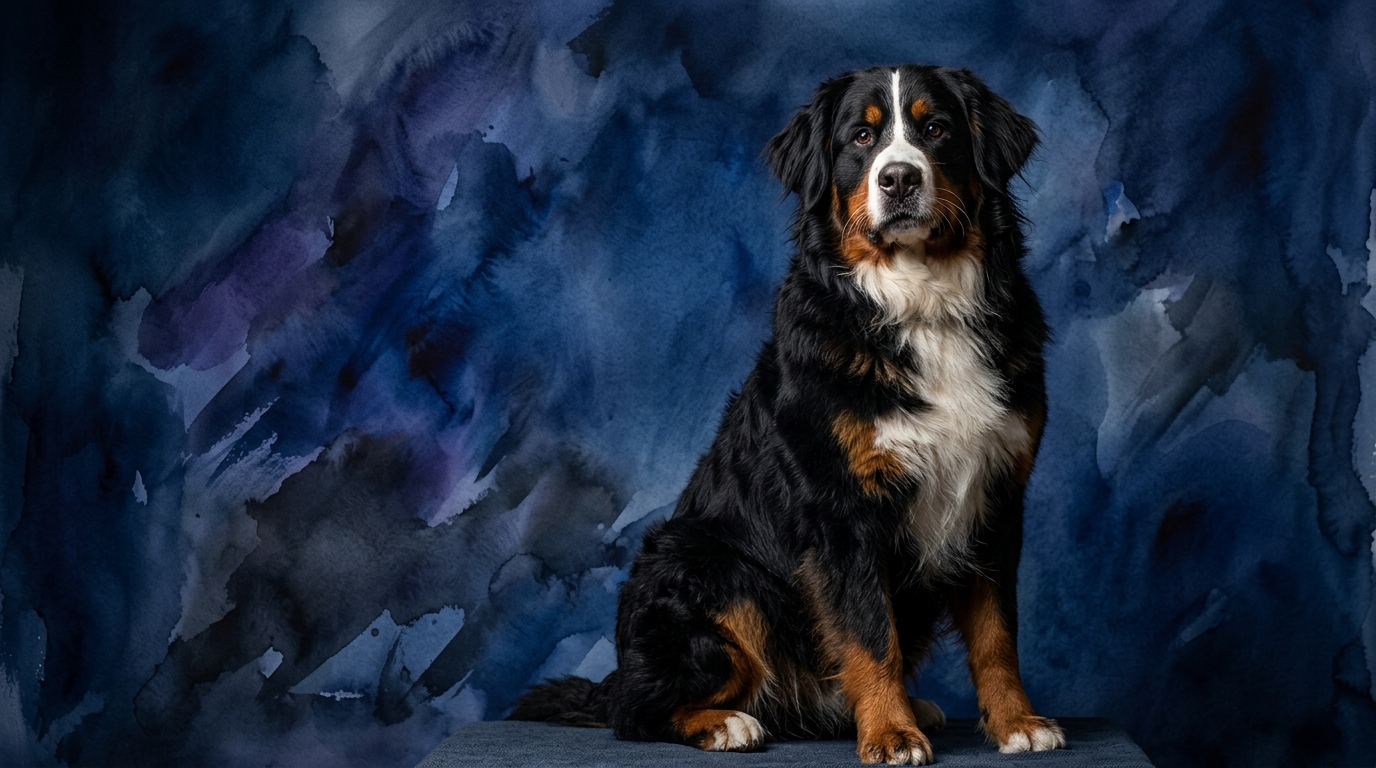
At The Cosmic Pet Pet IQ Lab, we assess canine cognition across five distinct dimensions. The Bernese Mountain Dog, with a Coren rank of #27, exhibits a balanced profile suited to its working heritage. Its Problem Solving is rated 3/5, indicating an ability to navigate moderate challenges, while its Training Speed of 4/5 suggests a relatively quick grasp of new commands and routines. Social Intelligence shines at 5/5, reflecting its deep connection to human companions and understanding of social cues. An Instinctive Drive of 4/5 points to a strong internal motivation for activity and purpose, complemented by a Memory score of 3/5, allowing for retention of learned behaviors.
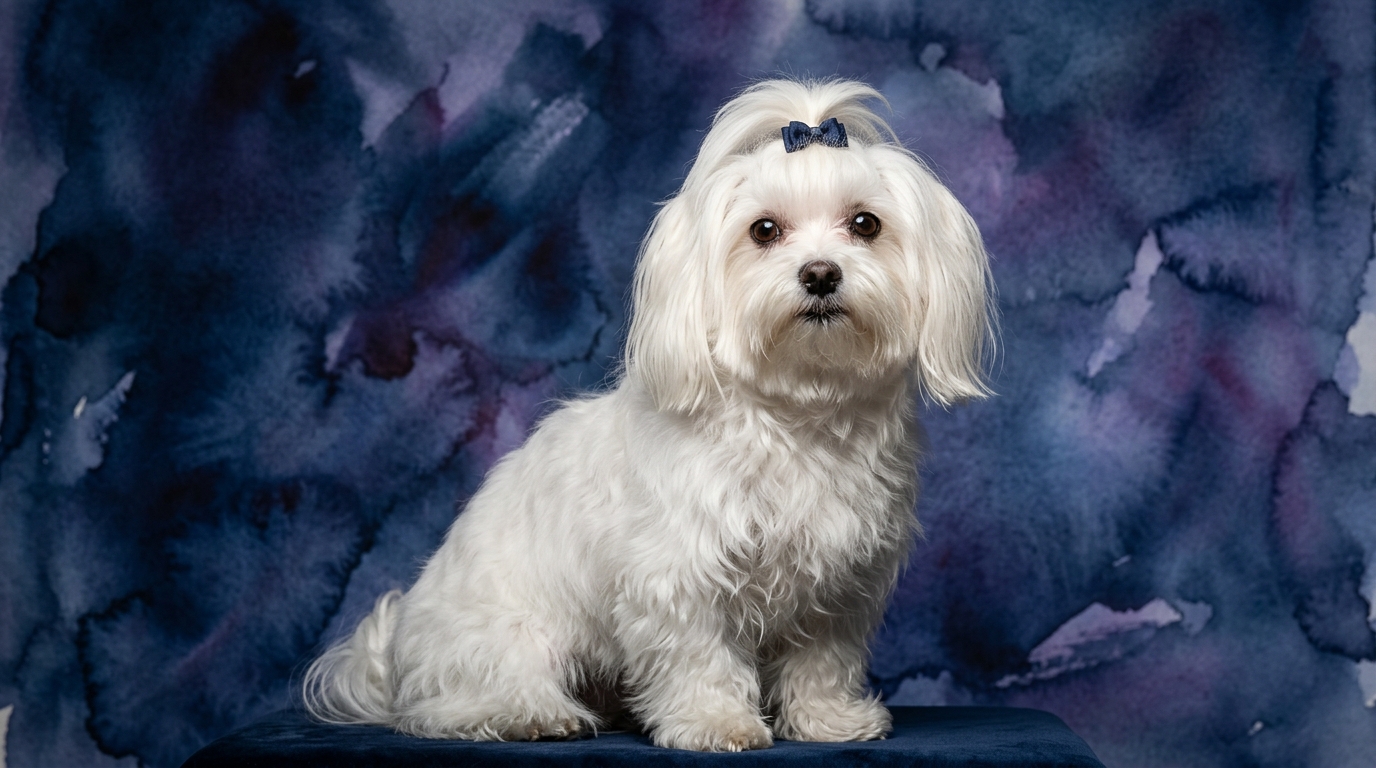
The Maltese, ranked #59 by Coren, presents a profile more aligned with its role as a dedicated companion. Its Problem Solving also stands at 3/5, showing it can tackle everyday puzzles, though perhaps with less physical emphasis than a larger breed. Training Speed is 3/5, meaning it learns at a steady pace, requiring consistent reinforcement. Like the Bernese, its Social Intelligence is a perfect 5/5, underscoring its profound ability to bond and communicate non-verbally with its human family. However, its Instinctive Drive is lower at 2/5, indicating less inherent motivation for complex tasks or physically demanding work, while its Memory is also 3/5, sufficient for daily routines and beloved interactions.
Where the Bernese Mountain Dog Demonstrates Cognitive Strengths
The Bernese Mountain Dog's cognitive strengths distinctly emerge from its history as a versatile working animal. Its superior Training Speed (4/5 compared to the Maltese's 3/5) allows it to master complex command sequences and multi-step tasks with greater efficiency. This isn't merely about obedience; it reflects a capacity to process and execute instructions that involve a series of actions, crucial for roles like carting or herding. Furthermore, the Bernese's elevated Instinctive Drive (4/5 versus the Maltese's 2/5) provides an internal motivation for engagement, making it more inclined to participate in structured activities and problem-solving scenarios that require sustained effort. This drive translates into a willingness to collaborate on tasks, whether it's navigating an agility course or figuring out how to retrieve a specific toy from an obstacle.
Their higher Coren rank (#27) generally correlates with a stronger aptitude for working obedience and understanding human directives within a task-oriented framework. When faced with a novel situation, a Bernese might leverage its physical capabilities and inherent drive to experiment with solutions, such as figuring out how to open a gate or retrieve an item from a challenging spot. This practical problem-solving, often tied to their physical presence and desire to 'do' something, differentiates their cognitive approach from a breed primarily focused on social interaction.
Maltese Cognitive Excellence: Niche Intelligence
While the raw scores might not show outright numerical superiority in specific cognitive dimensions for the Maltese, their excellence lies in the nuanced application of their abilities, particularly their exceptional Social Intelligence (5/5). This isn't just about being friendly; it's about an acute sensitivity to human emotions, subtle cues, and the dynamics of a household. A Maltese can often 'read' a person's mood and adjust its behavior accordingly, offering comfort or seeking attention at precisely the right moment. This sophisticated understanding of human-canine social contracts allows them to thrive as dedicated companions, often anticipating needs and desires with remarkable accuracy.
Their problem-solving (3/5), while numerically equal to the Bernese, is typically applied to their immediate environment and social interactions. A Maltese might excel at figuring out how to get onto a favorite lap, manipulate a toy to gain attention, or navigate household spaces to find comfort. Their lower Instinctive Drive (2/5) isn't a deficit; rather, it shapes their cognitive focus towards companionship and less towards demanding physical tasks. This means their cognitive efforts are often channeled into strengthening bonds and ensuring their own comfort and social well-being, a form of intelligence that is invaluable to owners seeking an intimate, devoted presence rather than a working partner.
Trainability: Bernese Mountain Dog vs. Maltese
When it comes to ease of training, the Bernese Mountain Dog generally holds an advantage due to its higher Training Speed (4/5) and robust Instinctive Drive (4/5). Bernese dogs are often eager to please and possess a natural inclination to work alongside humans, stemming from their historical roles as farm dogs. This predisposition makes them more receptive to learning complex commands and multi-step tasks. They tend to pick up new behaviors relatively quickly, provided training is consistent and uses positive reinforcement. Their working background means they find purpose and reward in structured activities, making them highly motivated students for obedience, agility, or even drafting.
The Maltese, with a Training Speed of 3/5 and a lower Instinctive Drive of 2/5, may require a more patient and creative approach. While they are certainly capable of learning, their primary motivation is often companionship and comfort rather than performing tasks. They might learn at a slower pace and require more repetition to solidify commands. Owners might find that a Maltese is more inclined to learn tricks that involve interaction and attention, like sitting on command to receive a treat, rather than intricate sequences. Their training success often hinges on making the process fun, rewarding, and directly linked to their desire for human connection, rather than relying on a strong inherent drive for 'work'.
Matching Canine Cognition to Lifestyle: Active vs. Relaxed Owners
For active owners seeking a canine partner for adventures and structured activities, the Bernese Mountain Dog is often a more suitable cognitive match. Their higher Instinctive Drive (4/5) means they thrive on having a purpose and enjoy engaging in physically and mentally stimulating tasks such as hiking, carting, or advanced obedience training. Their problem-solving skills (3/5) are readily applied to navigating new environments or learning complex sequences in sports. They are built for endurance and collaboration, making them excellent companions for owners who spend a significant amount of time outdoors or engaged in dog sports, where their cognitive abilities can be fully challenged and appreciated.
Conversely, the Maltese is an ideal fit for more relaxed owners who prioritize close companionship and indoor comfort. Their lower Instinctive Drive (2/5) means they are content with shorter walks, indoor play, and extensive cuddle sessions. Their exceptional Social Intelligence (5/5) ensures they are deeply attuned to their owner's presence and emotional state, making them devoted lapdogs and attentive house companions. For individuals seeking a canine presence that seamlessly integrates into a calmer, less physically demanding lifestyle, the Maltese offers profound loyalty and affection without the constant need for strenuous mental or physical exertion, excelling at being a comforting and responsive presence.
The Verdict
Choose a Bernese Mountain Dog if you seek a collaborative, task-oriented companion eager to engage in structured activities and outdoor adventures, valuing their quicker training speed and higher drive.
Opt for a Maltese if your lifestyle is more relaxed and you desire a devoted, highly social companion who thrives on close human interaction and indoor comfort, appreciating their profound sensitivity to social cues.
🧠 Find Your Pet's IQ Score
Our Pet IQ Lab assessment covers 25+ tests across 5 cognitive dimensions — personalized to your breed.
Take the Full IQ Test →Frequently Asked Questions
Is a Bernese Mountain Dog difficult to train?
No, Bernese Mountain Dogs generally respond well to training due to their 4/5 Training Speed and strong desire to please. They grasp commands relatively quickly, especially when training is consistent and positive reinforcement is used.
Do Maltese dogs have good memory?
Maltese dogs have a Memory score of 3/5, indicating they can retain routines and learned behaviors effectively. They remember their daily schedules, favorite people, and where certain items are kept within their environment.
Which breed is better for a first-time dog owner?
The 'better' breed depends on the owner's lifestyle and expectations. A Maltese might be easier for a first-time owner seeking a low-maintenance companion, while a Bernese, though trainable, requires more commitment to exercise and managing its larger size and working drives.