Side-by-Side IQ Profile
The Cosmic Pet IQ Lab assesses canine intelligence across five key dimensions, providing a granular view of each breed's mental aptitudes. Let's examine how the Bernese Mountain Dog and the Miniature Bull Terrier stack up.
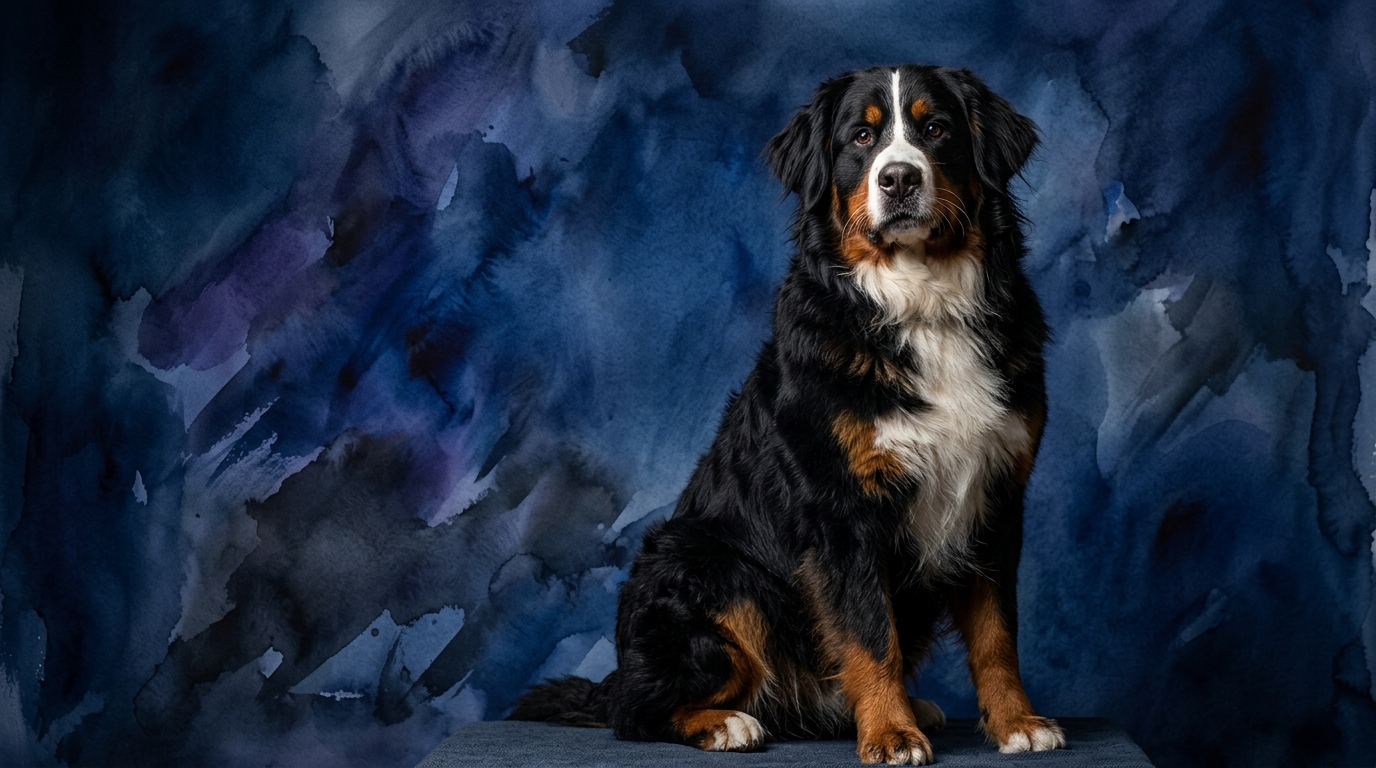
**Bernese Mountain Dog (Working Group, Coren Rank #27)**
**Problem Solving (3/5):** Berners possess a moderate capacity for independent problem-solving. They can figure out basic puzzles or navigate familiar obstacles, but complex, multi-step challenges might require guidance or repetition. Their approach is often methodical rather than spontaneously innovative.
**Training Speed (4/5):** These dogs exhibit a commendable aptitude for learning new commands quickly, often grasping concepts within a few repetitions. Their eagerness to please and focus on their handler contribute significantly to their efficient training progress.
**Social Intelligence (5/5):** The Bernese Mountain Dog excels in understanding and responding to human cues, body language, and emotional states. They form strong bonds, are highly attuned to their family's dynamics, and often display an innate empathy, making them incredibly perceptive companions.
**Instinctive Drive (4/5):** Rooted in their working heritage, Berners possess a strong drive for companionship, protection, and often a desire to "work" alongside their humans, whether through hauling, herding, or simply being a vigilant presence. This drive translates into a willingness to engage in structured activities and a clear sense of purpose within their family unit.
**Memory (3/5):** Their memory is solid for routines, familiar people, and learned commands. While they retain information well over time, their recall for less frequently encountered situations or very complex sequences might not be as sharp as breeds with higher scores in this dimension.
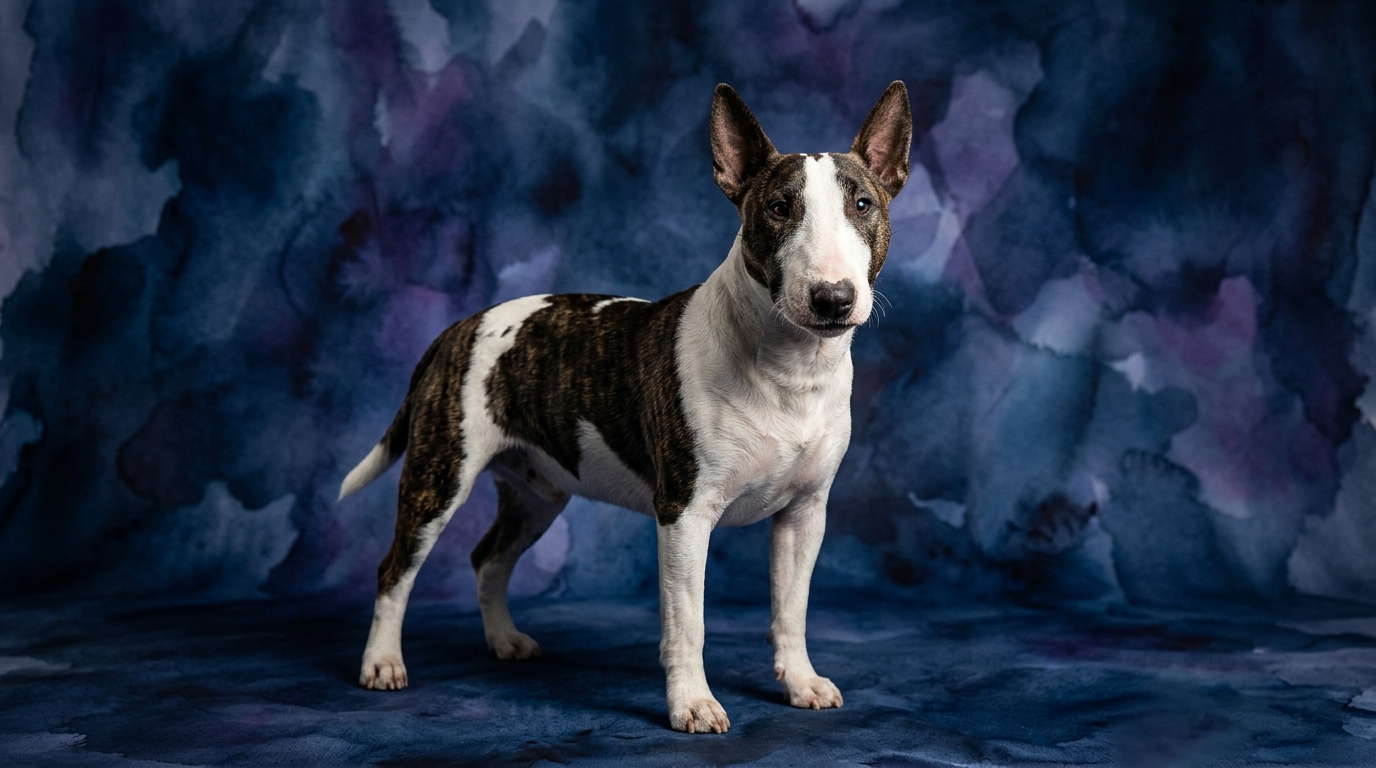
**Miniature Bull Terrier (Terrier Group, Not Coren-Ranked)**
**Problem Solving (3/5):** Miniature Bull Terriers demonstrate a moderate ability to solve problems, often employing a combination of persistence and trial-and-error. They can work through challenges, especially if motivated, but may not always seek the most direct or efficient solution, sometimes opting for a more determined, head-on approach.
**Training Speed (3/5):** Learning new commands is a moderate process for Miniature Bull Terriers. While capable of learning, their independent spirit and occasional stubbornness mean they might require more repetitions and consistent motivation compared to breeds with higher scores. Patience and engaging training methods are key.
**Social Intelligence (3/5):** Mini Bull Terriers are affectionate with their families but exhibit a moderate level of social perceptiveness. They are aware of their owner's presence and moods but might not always be as finely tuned to subtle emotional shifts as more socially oriented breeds. Their interactions are often direct and less nuanced.
**Instinctive Drive (3/5):** Their terrier heritage endows them with a moderate but distinct prey drive and a robust sense of self-preservation. This manifests as a desire for independent exploration, digging, and chasing small objects. While loyal, their innate drives are often more internally focused than externally cooperative.
**Memory (3/5):** Similar to the Bernese, Miniature Bull Terriers have a reliable memory for routines and learned commands. They remember people and places well, but their recall for intricate sequences or less common experiences also sits in the moderate range.
Where Bernese Mountain Dog Wins Cognitively
The Bernese Mountain Dog's cognitive strengths truly shine in areas of social interaction and cooperative learning. Their perfect 5/5 in Social Intelligence means they possess an exceptional capacity to interpret human emotions, body language, and vocal tones. This makes them incredibly responsive to their family's needs, often anticipating desires or offering comfort without explicit commands. Furthermore, their 4/5 Training Speed indicates a superior ability to grasp and execute new commands quickly, often driven by their keen desire to please and work alongside their human companions. This cooperative spirit, combined with a 4/5 Instinctive Drive for purposeful engagement, means Berners are often more readily motivated by shared tasks and interaction, making them highly adaptable to various training disciplines and family routines where teamwork is valued.
Where Miniature Bull Terrier Wins Cognitively
While the Miniature Bull Terrier's scores might not outrank the Bernese in any single category, their consistent 3/5 across the board points to a balanced and resilient cognitive profile, particularly valuable in specific contexts. Their Problem Solving at 3/5, combined with a moderate Instinctive Drive (3/5) rooted in terrier tenacity, means they approach challenges with a determined, independent spirit. They might not always seek the quickest solution, but their persistence allows them to work through obstacles, often relying on their own resourcefulness rather than constant human direction. This independent streak, while sometimes perceived as stubbornness in training, can be a distinct advantage for owners who appreciate a dog with a strong, self-reliant character capable of entertaining themselves or navigating less structured environments with confidence. Their moderate social intelligence means they are affectionate without being overly clingy, valuing their personal space while still enjoying family connection.
Which is Easier to Train and Why
Based on their cognitive profiles, the Bernese Mountain Dog is demonstrably easier to train for most owners. Their 4/5 Training Speed signifies that they pick up new commands with fewer repetitions, making training sessions more efficient and rewarding. This is heavily supported by their exceptional 5/5 Social Intelligence; Berners are inherently motivated to understand and please their human companions, making them highly responsive to praise, gentle corrections, and positive reinforcement. Their 4/5 Instinctive Drive further reinforces this, as they often seek a purpose and enjoy engaging in cooperative activities. In contrast, the Miniature Bull Terrier's 3/5 Training Speed means they will require more patience, consistency, and varied training methods. Their moderate social intelligence and more independent instinctive drive mean they might not always be as naturally inclined to defer to human instruction, sometimes prioritizing their own interests or exhibiting a "what's in it for me?" attitude. Training a Miniature Bull Terrier often requires more creativity to keep them engaged and prevent boredom, whereas a Bernese is typically content to follow a clear lead.
Which Suits Active Owners vs. Relaxed Owners
The Bernese Mountain Dog, with its 4/5 Instinctive Drive and desire for companionship, generally suits owners who appreciate a moderately active lifestyle and enjoy including their dog in daily routines. While not hyperactive, Berners thrive on purposeful engagement, whether it's leisurely walks, supervised outdoor play, or simply being involved in family activities. Their high social intelligence means they are happiest when integrated into the family unit, making them ideal for owners who want a constant, interactive companion.
The Miniature Bull Terrier, despite its moderate 3/5 Instinctive Drive, often possesses a surprising burst of energy and a need for mental stimulation. They are well-suited for active owners who can provide consistent exercise and engaging activities to channel their terrier drive, such as structured playtime, puzzle toys, or even dog sports. Their independent nature means they can also enjoy periods of self-directed play, making them suitable for owners who appreciate a dog that isn't constantly demanding attention, but still requires dedicated activity time. They are less suited for entirely sedentary lifestyles, as their moderate problem-solving and drive can lead to boredom and destructive behaviors if not properly managed.
The Verdict
Choose the Bernese Mountain Dog if you seek a highly socially intelligent, cooperative companion eager to learn and integrate seamlessly into family life, valuing shared activities and a strong emotional bond.
Opt for the Miniature Bull Terrier if you appreciate a resilient, independent, and persistent dog that requires consistent, engaging training and thrives with owners who can channel their unique terrier drives into structured activities.
🧠 Find Your Pet's IQ Score
Our Pet IQ Lab assessment covers 25+ tests across 5 cognitive dimensions — personalized to your breed.
Take the Full IQ Test →Frequently Asked Questions
Is a Bernese Mountain Dog good with children?
Yes, their 5/5 social intelligence and gentle nature often make them excellent family dogs, typically patient and understanding with children, though supervision is always advised for any dog-child interactions.
Do Miniature Bull Terriers need a lot of exercise?
While their instinctive drive is 3/5, Miniature Bull Terriers benefit from regular, engaging exercise to prevent boredom and channel their energy, making daily walks and structured playtime essential for their well-being.
How do their problem-solving skills compare for escape artistry?
Both breeds score 3/5 in problem-solving, meaning neither is particularly adept at complex escapes, but a persistent Miniature Bull Terrier might try more varied methods to get what they want compared to a Bernese, who might give up sooner if the solution isn't obvious.