Side-by-side IQ profile
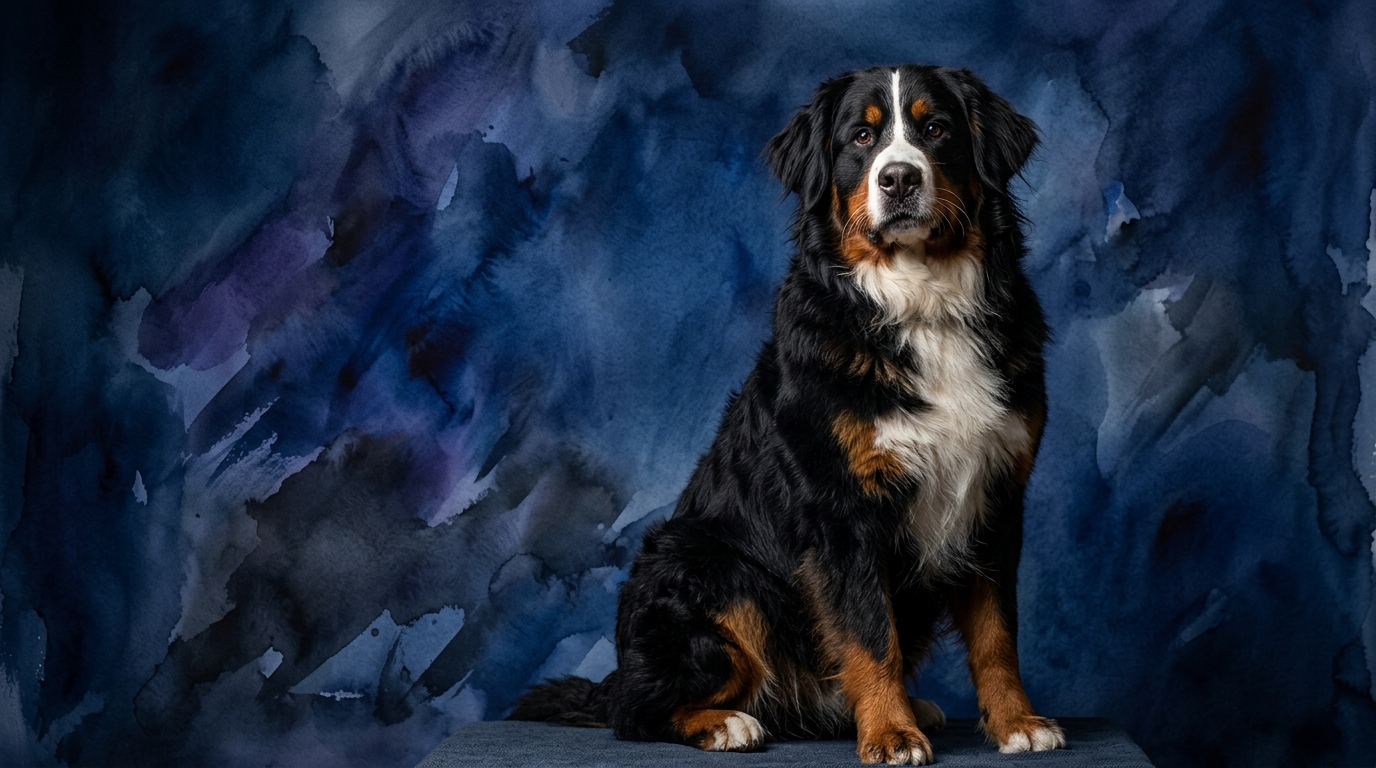
The Cosmic Pet Pet IQ Lab provides a unique lens through which to examine canine cognition, offering a granular view beyond general perceptions. For the Bernese Mountain Dog, a proud member of the Working group, its Coren rank of #27 is supported by a robust cognitive profile tailored for collaboration and purpose.
The Bernese Mountain Dog exhibits a Problem Solving score of 3/5, indicating practical intelligence suitable for navigating real-world tasks rather than abstract puzzles. Its Training Speed shines at 4/5, suggesting a quick grasp of commands and routines, while its Social Intelligence is exceptional at 5/5, demonstrating a profound ability to read and respond to human cues and social dynamics. An Instinctive Drive of 4/5 reflects its heritage of pulling carts and herding, maintaining a strong desire for engagement, and its Memory is a solid 3/5, ensuring consistent recall of learned behaviors and experiences.
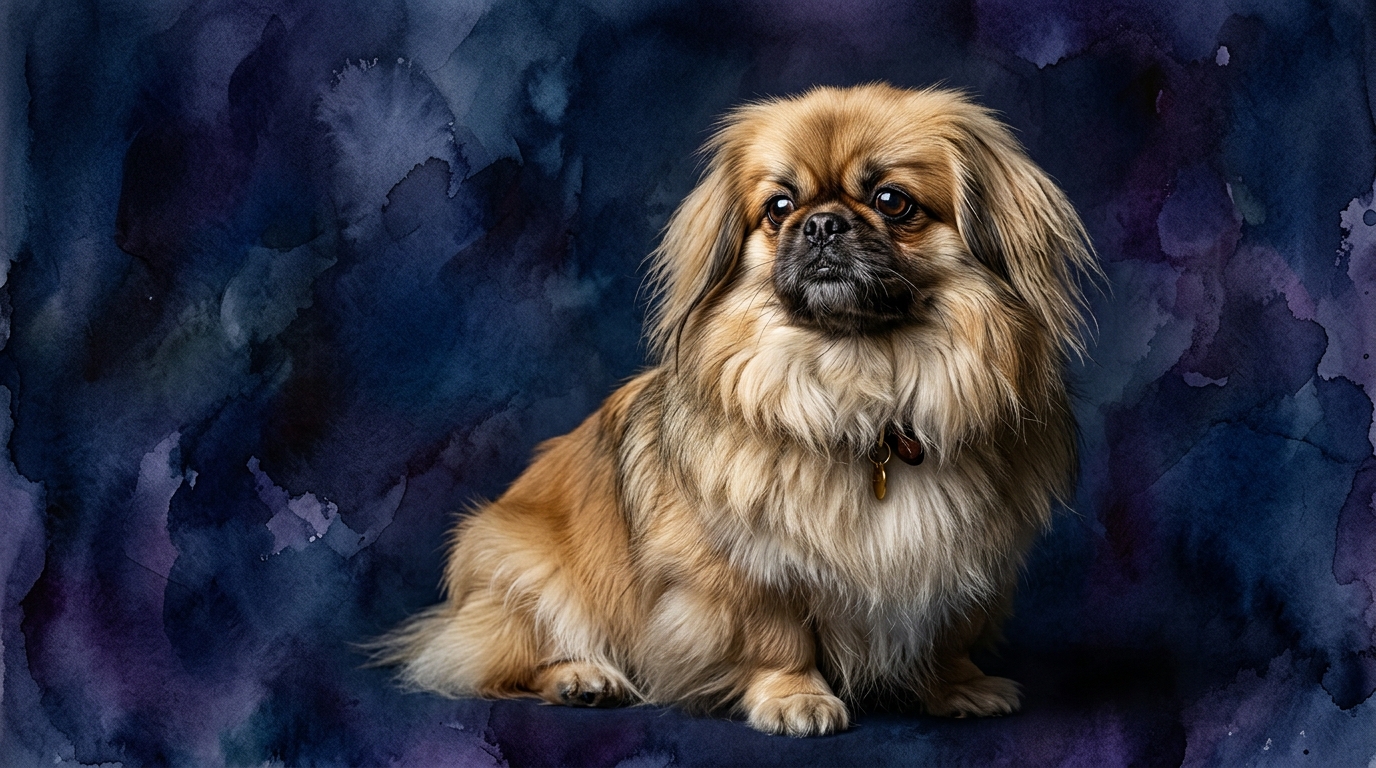
In contrast, the Pekingese, a distinguished member of the Toy group with a Coren rank of #77, presents a cognitive makeup optimized for companionship and self-sufficiency. Its overall profile suggests a dog content within its own sphere, rather than one driven by external tasks or constant human direction.
The Pekingese shares a Problem Solving score of 3/5 with the Bernese, indicating it can competently navigate its immediate environment and routine challenges. Its Training Speed is 3/5, meaning it learns at an average pace, requiring consistent and patient instruction. Social Intelligence also stands at 3/5, suggesting it forms strong bonds with its inner circle but may be less universally receptive or attuned to broader social interactions. An Instinctive Drive of 3/5 points to a moderate internal motivation, primarily focused on comfort and companionship, without the strong working impulses of larger breeds, and its Memory is also 3/5, allowing it to remember its routines and preferred individuals.
Where Bernese Mountain Dog wins cognitively
Examining the Pet IQ Lab scores, the Bernese Mountain Dog clearly distinguishes itself in two key cognitive dimensions: Training Speed and Social Intelligence. With a Training Speed of 4/5 compared to the Pekingese's 3/5, the Bernese demonstrates a more efficient learning curve, absorbing new commands and complex sequences with fewer repetitions. This isn't just about raw speed; it reflects a deeper willingness to engage and cooperate in the learning process.
The Bernese Mountain Dog's most significant cognitive advantage lies in its Social Intelligence, scoring a perfect 5/5 against the Pekingese's 3/5. This metric highlights an exceptional capacity to understand human emotions, intentions, and social cues, fostering a profound connection and responsiveness. A Bernese is often keenly aware of its owner's mood, body language, and expectations, making it an extraordinarily empathetic and attuned companion that actively seeks to participate in family life and respond to direction.
Where Pekingese wins cognitively
While the Pekingese doesn't surpass the Bernese in numerical scores, its cognitive profile shines in areas that cater to a distinct lifestyle preference, particularly its balanced Instinctive Drive and Social Intelligence. The Pekingese's Instinctive Drive of 3/5, compared to the Bernese's 4/5, means it generally has fewer innate urges to perform specific “jobs” like herding or pulling, translating into a lower demand for structured activities to feel fulfilled. This makes them inherently less 'needy' for complex engagement.
Furthermore, its Social Intelligence of 3/5, while lower than the Bernese, contributes to a more self-reliant and independent nature. A Pekingese is typically content with its own company for periods, not constantly seeking validation or direction from its human companions. This independence, combined with its average Problem Solving and Memory scores (both 3/5), means the Pekingese is perfectly equipped to navigate a comfortable home environment without requiring extensive mental stimulation or constant supervision, making it a champion for owners who appreciate a dog with a strong sense of self.
Which is easier to train and why
Based on their Pet IQ Lab scores, the Bernese Mountain Dog is undeniably the easier of the two breeds to train, and the reasons are deeply rooted in their cognitive makeup. The Bernese's superior Training Speed (4/5) means it processes and internalizes new information more rapidly, shortening the time required to teach commands and modify behaviors. This efficiency is a direct advantage for owners aiming for quick and consistent results.
Crucially, the Bernese's exceptional Social Intelligence (5/5) plays a pivotal role in its trainability. These dogs are inherently driven to cooperate and understand their human counterparts, often viewing training as a collaborative activity that strengthens their bond. They actively seek to please and grasp subtle cues, making them highly responsive to positive reinforcement and consistent guidance. In contrast, the Pekingese, with its 3/5 Training Speed and 3/5 Social Intelligence, requires a more patient and persistent approach. Its more independent nature means it may not always be as intrinsically motivated to comply or seek human approval during training sessions, often preferring to follow its own inclinations, which can sometimes be perceived as stubbornness.
Which suits active owners vs relaxed owners
The distinct cognitive profiles of these two breeds clearly delineate their suitability for different owner lifestyles. For active owners seeking a canine partner for adventures and structured activities, the Bernese Mountain Dog is the natural fit. Its high Instinctive Drive (4/5) means it thrives on having a purpose, whether it's hiking, participating in dog sports, or even just regular, engaging walks. Coupled with its superior Social Intelligence (5/5) and Training Speed (4/5), the Bernese eagerly learns new skills and cooperates in dynamic environments, making it an excellent companion for owners who lead an engaged and energetic life and want a dog actively involved.
Conversely, the Pekingese is ideally suited for relaxed owners who appreciate a calmer, more independent companion. Its moderate Instinctive Drive (3/5) means it doesn't possess an overwhelming urge for complex tasks or strenuous physical activity, making it content with shorter strolls and ample indoor relaxation. The Pekingese's Social Intelligence (3/5) allows for deep bonds within its immediate family but without the constant need for interaction or direction, perfectly complementing a lifestyle where a dog enriches the home environment through its presence rather than demanding constant participation in external activities. They are masters of comfort and quiet companionship.
The Verdict
Choose a Bernese Mountain Dog if you desire a highly cooperative, empathetic companion eager to learn and participate in an active family life, thriving on social interaction and having a clear purpose.
Opt for a Pekingese if you prefer an independent, self-sufficient companion who enjoys a relaxed pace and offers quiet affection without demanding constant engagement or extensive physical activity.
🧠 Find Your Pet's IQ Score
Our Pet IQ Lab assessment covers 25+ tests across 5 cognitive dimensions — personalized to your breed.
Take the Full IQ Test →Frequently Asked Questions
Is the Bernese Mountain Dog's high social intelligence beneficial for families with children?
Absolutely. A Bernese Mountain Dog's 5/5 Social Intelligence means they are exceptionally attuned to social dynamics, often showing patience and understanding with children. Their natural empathy helps them integrate smoothly into family life, making them gentle and watchful companions when properly socialized and trained.
Does the Pekingese's 3/5 social intelligence mean it is not affectionate?
Not at all. A Pekingese forms strong, devoted bonds with its chosen family, but its affection is often expressed more selectively and on its own terms. While it may not be universally friendly, it is deeply loyal and loving to those it trusts, valuing quiet companionship over constant boisterous interaction.
How do their Coren ranks of #27 and #77 translate to their daily lives?
The Coren rank broadly indicates a breed's working intelligence and trainability. A Bernese at #27 suggests a dog that generally learns new commands rapidly and obeys them reliably. A Pekingese at #77 implies it may require more repetitions to learn and might be less consistent in obedience, often reflecting its independent nature rather than a lack of cognitive ability.