Side-by-Side IQ Profile: Bernese Mountain Dog vs. Pug
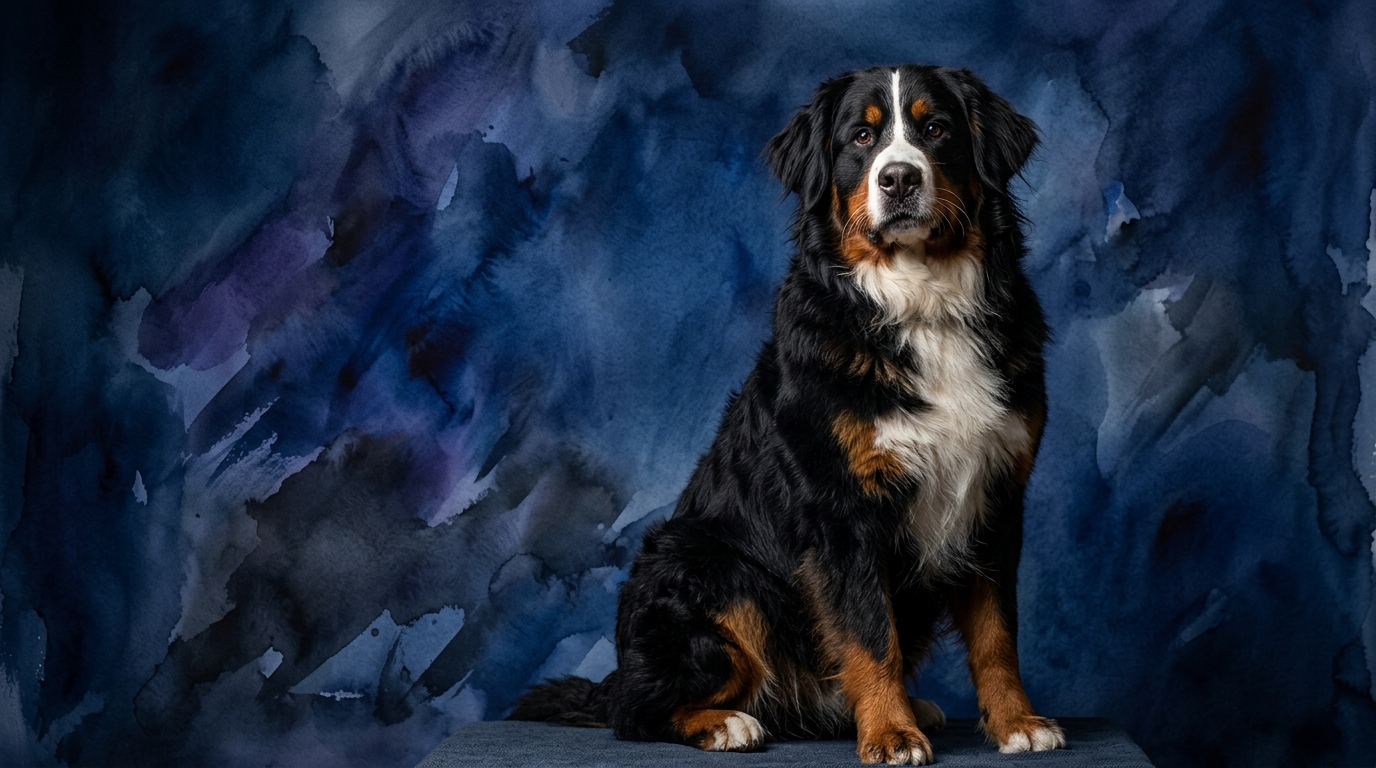
The Bernese Mountain Dog, a robust member of the Working Group with a Coren rank of #27, presents a cognitive profile shaped by centuries of farm work in the Swiss Alps. Their mental attributes are geared towards cooperation, reliability, and situational awareness. Their Problem Solving is rated 3/5, indicating a capacity for moderate complexity, often relying on learned patterns rather than novel solutions. When it comes to Training Speed, they score an impressive 4/5, reflecting their eagerness to please and quick grasp of new commands, particularly when tasks align with their cooperative nature. Their Social Intelligence is a perfect 5/5, demonstrating an exceptional ability to read human cues and integrate into family dynamics with deep empathy. An Instinctive Drive of 4/5 highlights their inherent motivation for companionship, protection, and a moderate desire to work alongside humans. Finally, their Memory at 3/5 means they hold onto learned commands and experiences with moderate retention, remembering routines and familiar faces well.
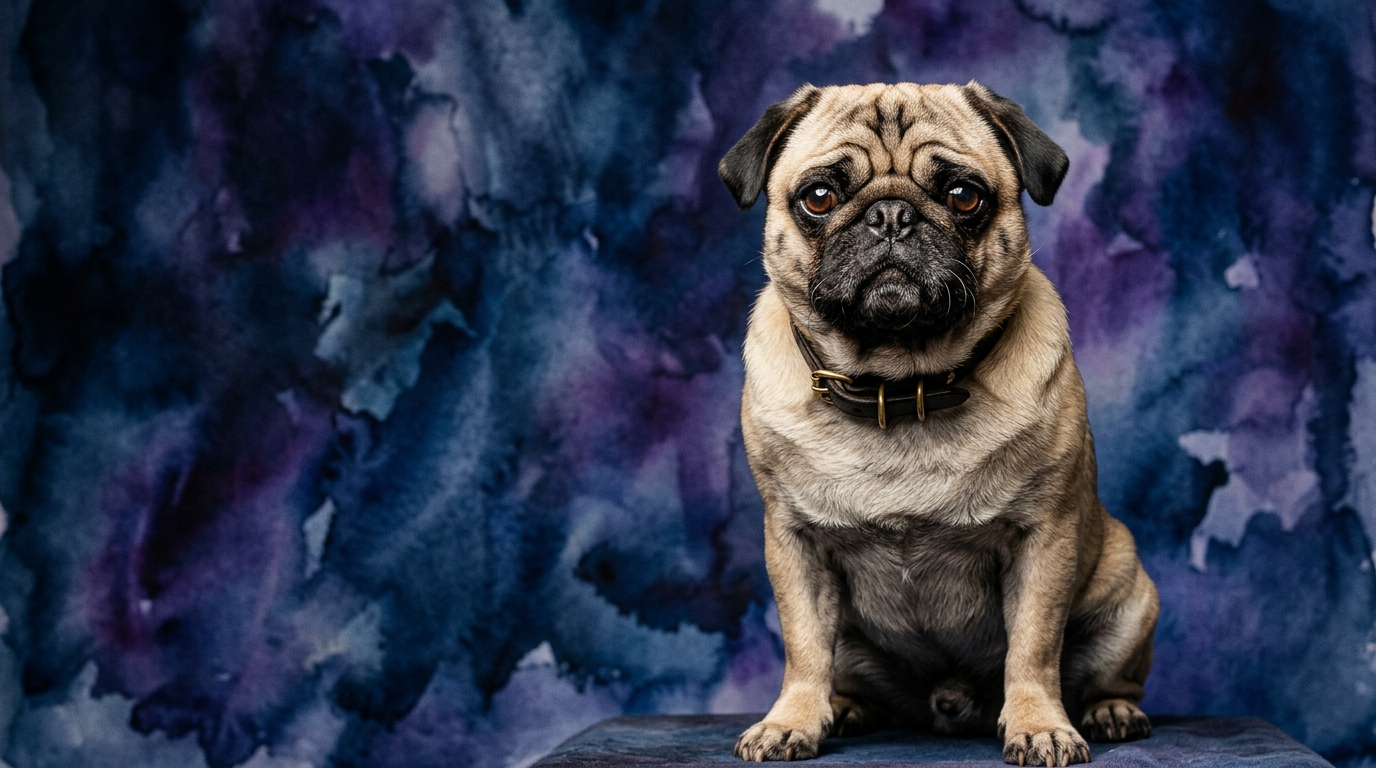
In stark contrast, the Pug, a charming member of the Toy Group with a Coren rank of #57, showcases a cognitive design optimized for companionship and comfort. Their Problem Solving is rated 2/5; they tend to approach challenges with less analytical thought, often preferring to seek human assistance or rely on their innate charm. Their Training Speed is 2/5, indicating they can be more deliberate in acquiring new commands, sometimes requiring more repetition and patience, as their motivation often stems from treats or affection rather than an inherent desire to perform complex tasks. Like the Bernese, their Social Intelligence is a perfect 5/5, but applied differently; they excel at understanding and manipulating human emotions and social dynamics, thriving on companionship and mastering the art of eliciting attention. The Pug’s Instinctive Drive is 2/5, primarily focused on companionship and comfort, with little intrinsic motivation for tasks like hunting or complex obedience. Their Memory, similar to the Bernese, is 3/5, effectively retaining routines and familiar interactions, especially those involving cuddles and treats.
Where the Bernese Mountain Dog Wins Cognitively
The Bernese Mountain Dog demonstrates clear cognitive advantages in areas demanding active engagement and practical application. Their superior training speed means they acquire and solidify new commands more rapidly, making them generally more responsive in varied environments and adaptable to new behavioral expectations. Furthermore, their robust instinctive drive for purpose-driven activities allows them to excel in tasks that require sustained focus and cooperation, such as advanced obedience, agility, or even carrying small packs on hikes. This breed's problem-solving, while moderate, is more geared towards understanding and executing sequential tasks, making them more adept at navigating physical obstacles or learning complex routines compared to their Pug counterpart.
Where the Pug Wins Cognitively
While both breeds score top marks in social intelligence, the Pug's application of this skill is distinctly specialized. Its cognitive strength lies in its profound ability to understand human emotional states and leverage them to secure comfort, attention, and affection. A Pug excels at reading subtle cues to determine the optimal moment for a cuddle or a treat, making them extraordinarily adept at managing their human environment for their own well-being and contentment. This isn't about complex environmental problem-solving, but rather an acute, almost intuitive, understanding of social dynamics to ensure their place as cherished, pampered companions. Their charm is not accidental; it is a finely tuned social strategy.
Which Is Easier to Train and Why
Without question, the Bernese Mountain Dog is generally easier to train for obedience and task-oriented behaviors. Their higher training speed, coupled with a strong instinctive drive for cooperation, means they are typically eager to learn and respond reliably to commands. They possess a natural inclination to work alongside their human companions, which translates into a more straightforward training experience with consistent positive reinforcement. Positive reinforcement and clear communication are key to harnessing their willingness to learn and please, making them responsive to a wide range of commands and behavioral adjustments.
In contrast, the Pug, with its lower training speed and minimal drive for formal obedience, can present more challenges. While Pugs are certainly trainable, their charming stubbornness often requires greater patience, more frequent repetition, and the use of high-value rewards to maintain engagement. Their focus is often on comfort and social interaction rather than performing complex tasks, making house training, for instance, a process that might demand more vigilance and consistency due to their smaller bladders and less intrinsic desire for outdoor elimination. Consistency and making training feel like a fun game are crucial for success with a Pug.
Which Suits Active Owners vs. Relaxed Owners
For active owners seeking a canine partner for outdoor adventures and consistent engagement, the Bernese Mountain Dog is the more suitable choice. Their working heritage means they thrive with regular physical activity, mental stimulation, and a sense of purpose, whether that involves hiking, canine sports, or simply being an active participant in family outings. They require consistent engagement to prevent boredom and channel their moderate instinctive drives constructively, making them excellent companions for those with an energetic lifestyle.
Conversely, the Pug is an ideal companion for relaxed owners who appreciate a devoted, low-key presence. Content with shorter strolls and extensive couch time, their primary need is constant companionship and close physical proximity. While they enjoy play, their exercise requirements are modest, making them perfect for apartment living or a more sedentary lifestyle where their role as a cuddly confidant is paramount. Their cognitive focus on social interaction means they are happiest when nestled close to their human family, requiring minimal strenuous activity.
The Verdict
Choose a Bernese Mountain Dog if you seek a loyal, trainable companion eager for outdoor adventures and family integration, appreciating a cooperative spirit and moderate working drive in a dog that learns readily.
Opt for a Pug if you desire a devoted, charming lap companion whose primary focus is comfort, affection, and being an ever-present, low-key member of the household, content with a relaxed pace of life.
🧠 Find Your Pet's IQ Score
Our Pet IQ Lab assessment covers 25+ tests across 5 cognitive dimensions — personalized to your breed.
Take the Full IQ Test →Frequently Asked Questions
Does a higher Coren rank mean a dog is 'smarter' in all aspects?
The Coren rank primarily assesses a dog's working and obedience intelligence, reflecting their ability to learn and follow human commands. It does not fully encompass other cognitive dimensions like social intelligence or problem-solving in natural environments, where breeds might excel in different ways. Therefore, a higher Coren rank indicates specific strengths in trainability and command acquisition, not overall cognitive superiority across all domains.
How does social intelligence differ between these two breeds, given they both score 5/5?
While both score 5/5, their social intelligence manifests distinctly. The Bernese Mountain Dog uses its social acumen for cooperative family integration, empathy, and working alongside humans, seeking to be a harmonious part of the unit. The Pug, conversely, leverages its social intelligence to skillfully read human emotions and manipulate social situations for comfort, attention, and affection, excelling as a devoted, charming companion who knows how to get its way.
Can a Pug be trained for complex tasks, despite its lower training speed?
Yes, a Pug can certainly learn complex tasks, but it will generally require more patience, repetition, and highly motivating rewards compared to a breed with a higher training speed like the Bernese Mountain Dog. Their cognitive strengths lie more in social interaction, so task-oriented training needs to be engaging and consistently reinforced to overcome their preference for comfort over complex performance, often turning training into a game.