
Side-by-Side IQ Profile
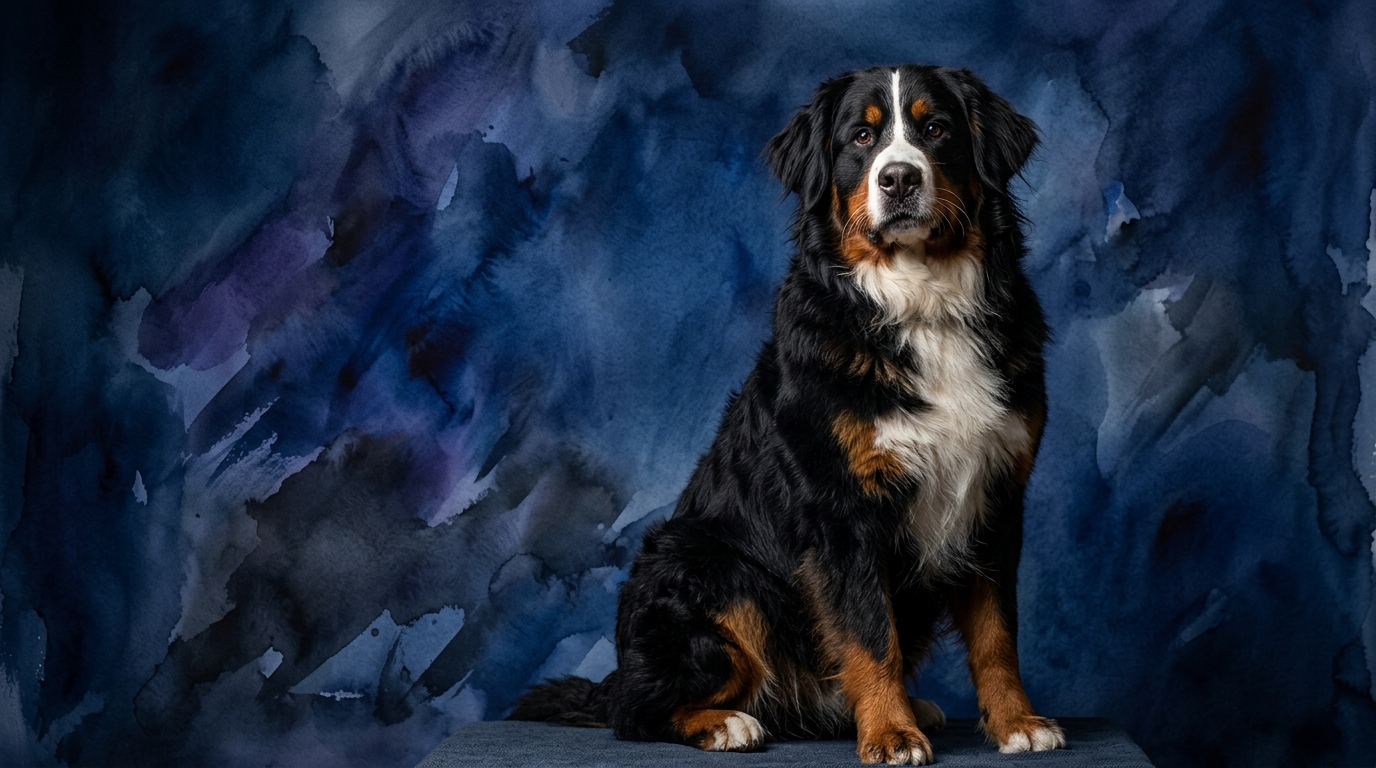
With a Coren rank of #27, the Bernese Mountain Dog presents a cognitive profile built for partnership and specific working roles. Their Problem Solving is rated 3/5, indicating a methodical, often patient approach to challenges rather than impulsive action. Training Speed is a commendable 4/5, reflecting an eagerness to cooperate and a capacity for relatively quick learning. Where they truly shine is Social Intelligence, scoring an exceptional 5/5, showcasing profound empathy and an ability to attune to human emotions and cues. Their Instinctive Drive, at 4/5, is rooted in historical roles of drafting and herding, requiring purpose and direction. Memory, rated 3/5, suggests an average retention of experiences and learned behaviors.
The Rat Terrier, while not appearing on Coren's list, possesses a distinct cognitive makeup shaped by its history as a versatile farm dog. Their Problem Solving is also 3/5, but this manifests as independent and often resourceful, driven by keen senses and terrier tenacity. Training Speed is 3/5, meaning they are capable learners but may require more consistent, engaging methods to maintain focus and overcome an inherent independence. Social Intelligence is 3/5, indicating they form strong bonds with their immediate family but can be more reserved or discerning with strangers. Their Instinctive Drive, also 3/5, is primarily focused on hunting small vermin, demanding quick reflexes and persistent focus. Memory is rated 3/5, suggesting a similar average recall capability to the Bernese.
Where Bernese Mountain Dog Wins Cognitively
The Bernese Mountain Dog's cognitive strengths distinctly lie in areas that foster deep human-animal partnership and emotional understanding. Their Social Intelligence, rated 5/5, is a standout attribute, enabling them to read human body language, tone, and emotions with remarkable accuracy. This profound empathy allows them to anticipate needs, offer comfort, and integrate seamlessly into family dynamics, making them exceptional companions where emotional attunement is paramount.
Furthermore, their Training Speed of 4/5, combined with this high social intelligence, means they often approach learning as a collaborative effort. They are motivated by positive reinforcement and the desire to please their human companions, leading to a relatively swift acquisition of complex commands and routines. This cognitive synergy translates into a dog that not only learns quickly but also understands the 'why' behind the training, reinforcing their role as a cooperative and responsive partner in various activities, from obedience to carting.
Where Rat Terrier Wins Cognitively
The Rat Terrier's cognitive advantages are rooted in their independent spirit and acute observational skills, honed over generations of solitary work. While their Problem Solving is rated 3/5, it manifests as a quick-witted, often self-reliant approach. They are adept at navigating complex environments, finding creative solutions to access prey, or figuring out how to bypass obstacles without constant human guidance. This ability to think on their paws, rather than waiting for direction, is a hallmark of their cognitive profile, making them excellent at tasks requiring independent decision-making.
Their Instinctive Drive (3/5), while numerically lower than the Bernese, is highly specialized and intensely focused on tasks like pest control, demanding sharp senses and rapid execution. This drive fuels their ability to identify subtle movements, scents, and sounds, processing environmental cues with speed and precision. While their Social Intelligence (3/5) may not match the Bernese's broad empathy, it allows for strong, focused bonds with their primary caregivers, providing a foundation for trust in working partnerships and a keen awareness of their immediate surroundings.
Which Is Easier to Train and Why
When evaluating ease of training, the Bernese Mountain Dog generally presents a more straightforward experience for most owners. Their exceptional Social Intelligence (5/5) means they are highly attuned to their handler's desires and emotional state, fostering a strong desire to cooperate. This intrinsic motivation, coupled with their Training Speed of 4/5, translates into a dog that picks up new commands and routines relatively quickly, often eager to please and respond to positive reinforcement. They thrive on clear communication and consistent, gentle guidance, viewing training as a shared activity.
The Rat Terrier, with a Training Speed of 3/5, can be a more nuanced training prospect. Their independent nature and Problem Solving (3/5) often mean they prefer to figure things out for themselves, which can sometimes be interpreted as stubbornness. While capable of learning, they require engaging, varied training sessions to maintain interest and prevent boredom, which might lead to them finding their own 'fun.' Their strong Instinctive Drive (3/5) for hunting can also be a significant distraction, requiring dedicated effort to redirect their focus during training. Success with a Rat Terrier often hinges on an owner's patience, creativity, and ability to make training feel like a rewarding game rather than a chore.
Which Suits Active Owners vs. Relaxed Owners
For relaxed owners seeking a calm, companionable presence, the Bernese Mountain Dog often makes an excellent fit. While they require regular, moderate exercise to maintain their physical and mental well-being, their overall demeanor is typically serene and composed. Their high Social Intelligence (5/5) means they thrive on human companionship and are content with quiet evenings at home, as long as they've had their daily walks or playtime. They are less prone to high-energy antics indoors and are often happy to simply be near their family, providing a comforting, reassuring presence that aligns well with a more laid-back lifestyle.
Conversely, the Rat Terrier is better suited for active owners who relish engaging in varied, stimulating activities. Despite their smaller stature, they possess a surprising amount of energy and a keen mind that demands regular mental and physical outlets. Their independent Problem Solving (3/5) and focused Instinctive Drive (3/5) mean they excel in dog sports like agility, earthdog trials, or scent work, which tap into their natural talents. Owners who enjoy hiking, running, or interactive games that challenge a dog's wit and agility will find a highly enthusiastic and capable partner in the Rat Terrier. Their need for engagement means they thrive with owners who can provide consistent stimulation beyond just a daily walk.
The Verdict
Opt for the Bernese Mountain Dog if you are seeking a profoundly empathetic, cooperative, and gentle companion who will integrate deeply into family life and thrives on partnership.
Select the Rat Terrier if you desire an agile, independent, and spirited companion for active pursuits, appreciating a dog with quick wits and a tenacious personality.
🧠 Find Your Pet's IQ Score
Our Pet IQ Lab assessment covers 25+ tests across 5 cognitive dimensions — personalized to your breed.
Take the Full IQ Test →Frequently Asked Questions
Do Bernese Mountain Dogs bark a lot?
Bernese Mountain Dogs are not typically excessive barkers, often using their voice for alerting or communicating specific needs rather than constant noise. Their high social intelligence means they are usually responsive to training aimed at managing vocalizations.
Are Rat Terriers good with children?
Rat Terriers can be excellent family dogs, forming strong bonds with children, especially when raised together and properly socialized. Their spirited nature and moderate social intelligence mean they thrive with respectful interaction and clear boundaries.
How much exercise does a Bernese Mountain Dog need?
Bernese Mountain Dogs require moderate daily exercise, typically 30-60 minutes, which can include walks, playtime, or light hiking, to maintain their physical health and calm demeanor. Consistent activity helps manage their instinctive drive and supports their joint health.