Side-by-Side IQ Profile
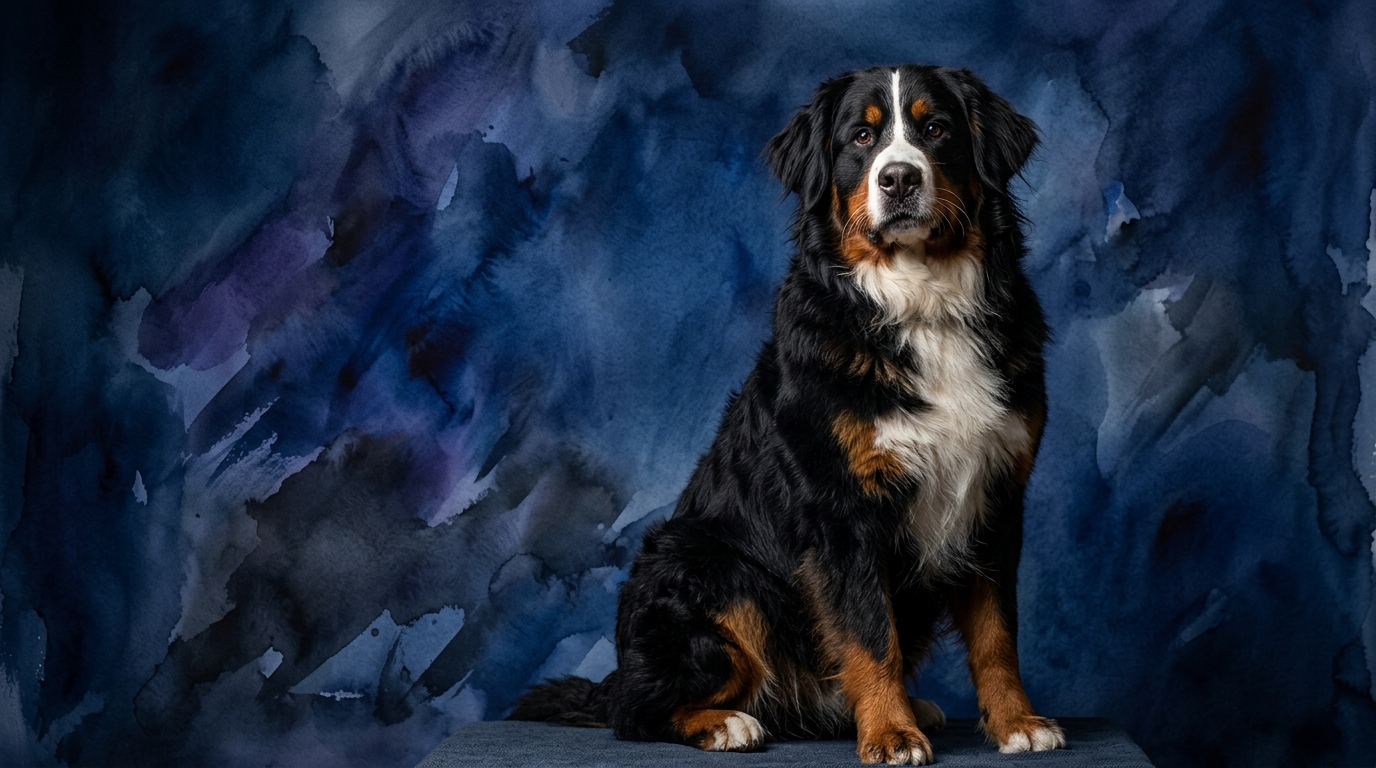
**Bernese Mountain Dog:** This Working group dog, ranked #27 by Coren, presents a balanced and socially adept cognitive profile. Their **Problem Solving (3/5)** is practical and moderate; solutions often stem from learned experiences and a desire for human-directed goals, making them reliable in applying known strategies rather than innovating complex new ones. Their **Training Speed (4/5)** is commendable, reflecting an eagerness and quickness in grasping new commands. They often pick up multiple commands with fewer repetitions, thriving on positive reinforcement. A standout trait is their **Social Intelligence (5/5)**, indicating exceptional empathy and attunement to human emotions, body language, and vocal cues. This high score reflects their ability to integrate seamlessly into family dynamics, anticipating needs and offering comfort. Their **Instinctive Drive (4/5)** is strong and primarily geared towards cooperative tasks like drafting and herding, manifesting as a desire to be useful and work alongside humans, making them excellent for activities like carting, obedience, and therapy work. Finally, their **Memory (3/5)** is reliable for established routines, commands, and the faces of their family and friends, consistently recalling expectations within their social circle.
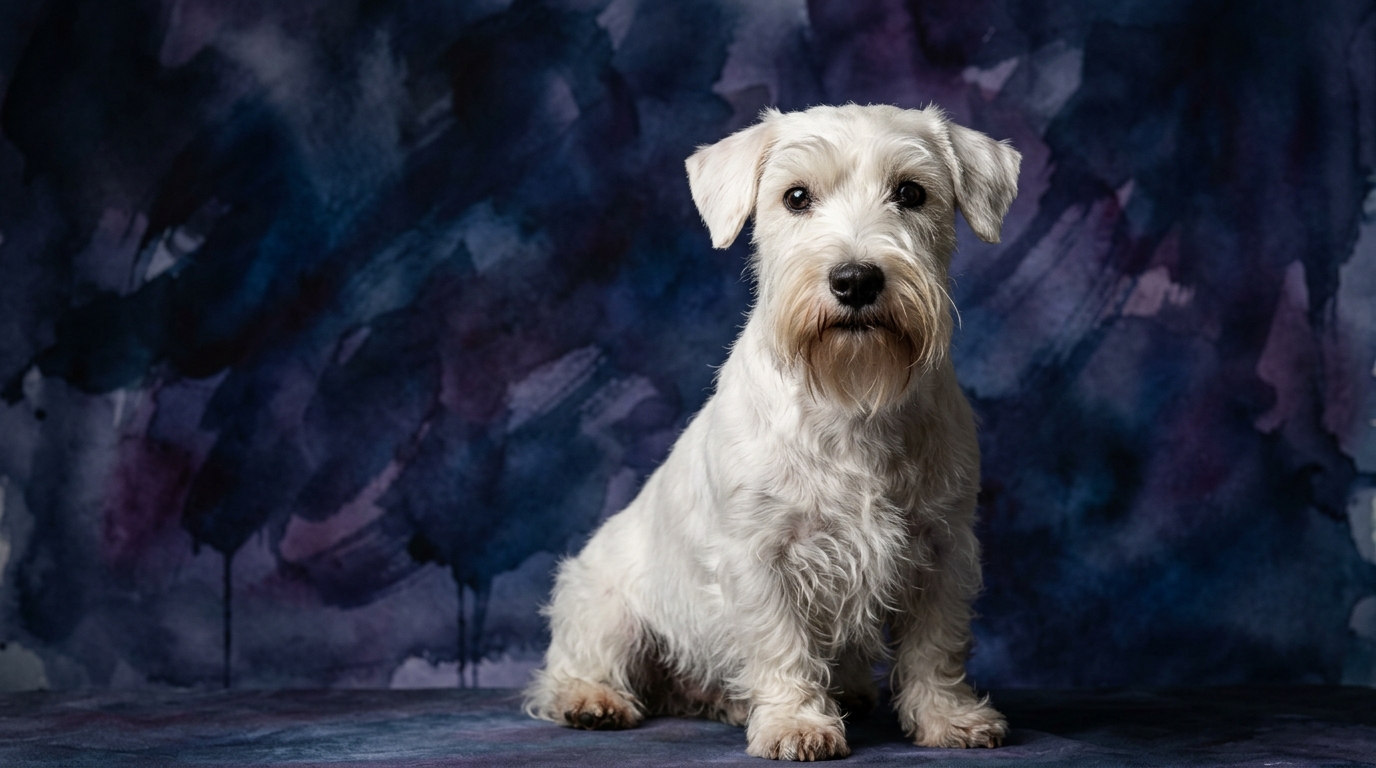
**Sealyham Terrier:** This Terrier group dog, not Coren-ranked, showcases a distinct, independent cognitive approach. Their **Problem Solving (3/5)**, while rated identically to the Bernese, is characterized by an independent, tenacious drive to achieve their own goals, like accessing a perceived 'prey' item or bypassing obstacles to explore, demonstrating cleverness outside human-prescribed solutions. Their **Training Speed (3/5)** is moderate; while capable of learning, their independent terrier spirit requires consistent, engaging, and highly motivating sessions to maintain focus. Repetition might be necessary, and trainers must make learning feel like a rewarding game to maintain engagement. **Social Intelligence (3/5)** is moderate; they form deep, loyal bonds with immediate family but can be reserved or discerning with strangers. Their social cues might be more subtle than the Bernese, and they may not possess the same broad empathetic range, preferring to engage primarily within their trusted inner circle rather than with all strangers. Their **Instinctive Drive (3/5)** is largely rooted in their heritage: hunting, digging, and exploring. While not as high as some other terriers, it's a significant aspect of their personality requiring appropriate outlets and management. Their **Memory (3/5)** is also moderate and reliable, particularly for significant events, routines that benefit them, and the location of favored items or intriguing scents, though recall might be more selective based on current motivation or perceived importance of the task.
Where Bernese Mountain Dog Wins Cognitively
The Bernese Mountain Dog truly excels in the realm of social intelligence, scoring a perfect 5/5. This remarkable capacity for empathy allows them to interpret human emotions and intentions with exceptional accuracy, making them unparalleled companions for emotional support, therapy work, and seamless integration into dynamic family environments. Their higher training speed (4/5 versus Sealyham's 3/5) is another significant advantage, reflecting their intrinsic eagerness to please and cooperative nature, which translates into quicker command acquisition and a more fluid response to instruction. Furthermore, their 4/5 instinctive drive is channeled towards collaborative tasks like drafting and herding, making them naturally inclined to work alongside humans rather than independently, a cognitive orientation fostering easier partnership.
Where Sealyham Terrier Wins Cognitively
While the Sealyham Terrier's scores might appear lower or equivalent in direct comparison, their cognitive strengths lie in their unique terrier-specific applications. Their problem-solving at 3/5, combined with their 3/5 instinctive drive, translates into a highly effective, independent tenacity for tasks requiring self-reliance and persistence, such as tracking a scent or digging out a perceived pest. This breed demonstrates a cleverness in navigating challenges on their own terms, often requiring less human direction to achieve a self-motivated goal. This independent spirit, while sometimes challenging for training, makes them formidable in activities like earthdog trials or situations requiring a dog to think on its feet without constant human input. Their moderate memory is particularly effective for recalling specific locations of interest or complex scent trails, demonstrating a focused, goal-oriented recall.
Which Is Easier to Train and Why
The Bernese Mountain Dog is generally considered easier to train due to several cognitive advantages. Their superior social intelligence (5/5) means they are highly attuned to their owner's wishes and feedback, making them eager to comply and understand expectations. Coupled with their higher training speed (4/5), they absorb new commands and behaviors quickly and with fewer repetitions. Their cooperative instinctive drive also predisposes them to working with humans. In contrast, the Sealyham Terrier’s moderate training speed (3/5) and social intelligence (3/5) mean they can be more independent and less inherently motivated by human approval alone. Their training requires more creativity, patience, and high-value rewards to overcome their innate tenacity and self-directed focus, which can sometimes be perceived as stubbornness. Effective Sealyham training often frames commands as an engaging game or a pathway to a desired independent outcome, appealing to their inherent tenacity.
Which Suits Active Owners vs Relaxed Owners
For owners seeking a companion that balances engagement with a generally calm demeanor, the Bernese Mountain Dog is often a better fit. While they possess a 4/5 instinctive drive, it's channeled into cooperative activities and a desire for companionship, making them content with moderate daily exercise, mental stimulation, and ample family interaction. They thrive in environments where they are integrated into daily life without demanding constant high-intensity physical activity. Relaxed owners who can provide consistent, gentle leadership and include their dog in family routines will find the Bernese a rewarding partner. The Sealyham Terrier, despite its smaller size, often requires a more active and engaged owner. Their 3/5 instinctive drive is geared towards hunting and exploring, demanding outlets for digging, chasing, and scent work. Owners who enjoy interactive games, consistent training challenges, or even earthdog sports will find the Sealyham's independent problem-solving and tenacity a good match. A relaxed owner might struggle with a Sealyham's potential for self-directed entertainment, which could manifest as digging or persistent barking if not adequately stimulated.
The Verdict
Opt for a Bernese Mountain Dog if your priority is a deeply empathetic, highly trainable companion that thrives on social interaction and cooperative activities, seamlessly integrating into a family-centric lifestyle.
Select a Sealyham Terrier if you appreciate an independent, tenacious spirit in a compact package, and are prepared to engage their specific terrier instincts with consistent, creative training and focused activities.
🧠 Find Your Pet's IQ Score
Our Pet IQ Lab assessment covers 25+ tests across 5 cognitive dimensions — personalized to your breed.
Take the Full IQ Test →Frequently Asked Questions
Are Bernese Mountain Dogs good with children?
Yes, Bernese Mountain Dogs are generally excellent with children due to their high social intelligence and gentle nature. They are patient and tolerant, often forming strong protective bonds, though supervision is always recommended with any dog and child interaction.
Do Sealyham Terriers bark a lot?
Sealyham Terriers can be prone to barking, especially if they are bored, feel their territory is threatened, or are alerting to perceived intruders. Their instinctive drive and independent nature mean they will often voice their opinions, requiring consistent training to manage.
What kind of mental stimulation do these breeds need?
Bernese Mountain Dogs thrive on activities like obedience training, puzzle toys, and participating in family routines, leveraging their social intelligence. Sealyham Terriers benefit from scent work, earthdog trials, interactive puzzle toys that challenge their problem-solving, and engaging training that taps into their tenacious, independent spirit.