Decoding Canine Cognition: Bernese Mountain Dog vs. Swedish Vallhund IQ Profiles
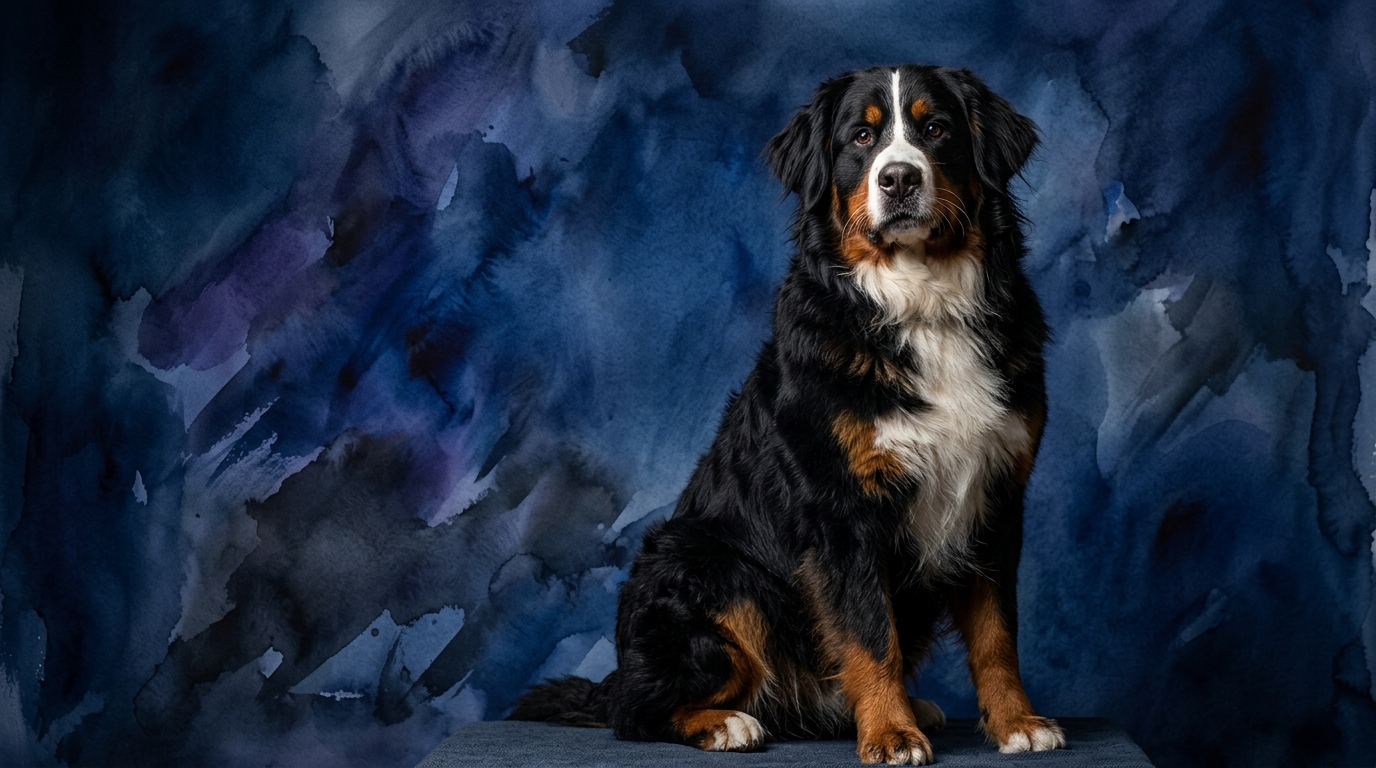
The Bernese Mountain Dog, a robust member of the Working Group, registers a Coren rank of #27, indicating a solid capacity for understanding and executing commands. Their Pet IQ Lab profile shows a Problem Solving score of 3/5, suggesting they can navigate moderate cognitive challenges and learn through trial and error, but might not be the most innovative thinkers when faced with novel puzzles. Where they truly shine is in Social Intelligence, scoring a perfect 5/5, reflecting their deep understanding of human emotions, body language, and social structures, making them exceptionally empathetic companions. Their Training Speed is rated 4/5, meaning they typically pick up new cues and behaviors with relative ease and consistency, responding well to positive reinforcement. Instinctive Drive, at 4/5, points to their strong inherent desire to perform tasks, a legacy of their historical roles as farm dogs pulling carts and guarding property. Memory, at 3/5, is average, allowing them to retain learned behaviors and routines effectively without being exceptional at recalling intricate details over long periods.
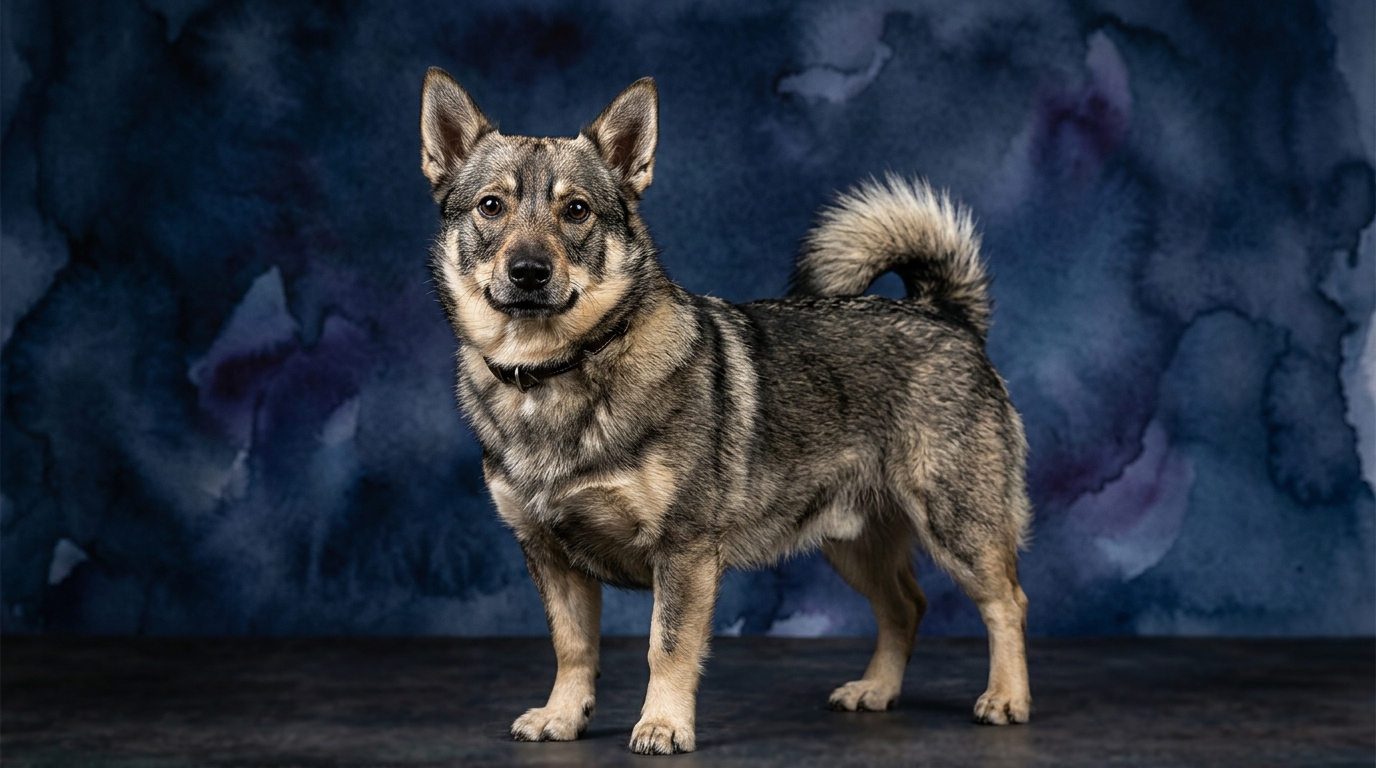
In contrast, the Swedish Vallhund, a spirited Herding dog not listed on Coren's ranking, presents a more uniformly balanced cognitive profile. Across the board, they score 3/5 in Problem Solving, Training Speed, Social Intelligence, Instinctive Drive, and Memory. Their 3/5 Problem Solving indicates a practical level of adaptability; they can figure out solutions to everyday challenges and learn from experience, though they might require more repetition or guidance than more cognitively agile breeds. A Training Speed of 3/5 suggests they are certainly trainable, but owners should anticipate a steady, consistent approach, as they may take a bit longer to master new commands compared to faster learners. Their Social Intelligence at 3/5 means they are generally responsive to human interaction and can form strong bonds, but they might not possess the same nuanced understanding of subtle emotional cues as the Bernese. Instinctive Drive, also 3/5, reflects their inherent herding tendencies and a moderate desire for purpose-driven activity, without the intense focus seen in some other working or herding breeds. Finally, their Memory score of 3/5 indicates they can reliably recall learned behaviors and routines, much like the Bernese, but without outstanding retention for complex sequences.
Bernese Mountain Dog's Cognitive Strengths: Empathy and Trainability
The Bernese Mountain Dog's primary cognitive advantage lies in its exceptional Social Intelligence, scoring a perfect 5/5. This means they possess a profound capacity to read human emotions, understand subtle social cues, and integrate seamlessly into family dynamics. They can sense distress, offer comfort, and respond appropriately to changes in their owner's mood or routine, making them incredibly intuitive and empathetic companions. This deep social understanding translates into a powerful bond and an ability to anticipate human needs, a trait less pronounced in many other breeds. Furthermore, their Training Speed of 4/5 gives them an edge in acquiring new behaviors and commands efficiently. While their problem-solving isn't top-tier, their willingness to cooperate and their responsiveness to instruction mean they can be taught a wide array of tasks and manners with relative ease. This combination of high social awareness and quick learning makes them exceptionally receptive to training that involves human interaction and cooperation, distinguishing them from breeds that might be more independent or less attuned to their handlers.
Swedish Vallhund's Cognitive Strengths: Balanced Adaptability and Herding Instinct
The Swedish Vallhund’s cognitive profile, while not excelling in any single dimension to the same degree as the Bernese's social intelligence, presents a compelling picture of balanced, practical adaptability. With a consistent 3/5 across all five IQ dimensions, the Vallhund demonstrates a reliable, all-around cognitive capability that prevents significant weaknesses. Their 3/5 in Problem Solving, coupled with a 3/5 in Instinctive Drive, means they are adept at figuring out practical solutions within their environment, particularly those related to their herding heritage. They can independently assess situations, make quick decisions in dynamic scenarios, and utilize their innate drive to manage livestock or "herd" their family members, albeit gently. This balanced profile suggests a robust, self-sufficient cognitive framework, less reliant on human direction for every step and more inclined to process information and react based on their own assessment. Unlike the Bernese, whose cognitive strengths are more externally focused on social interaction, the Vallhund's strength lies in its internal consistency and functional intelligence, making them resilient and capable in varied situations where independent thought is beneficial.
Training Trajectories: Bernese Mountain Dog vs. Swedish Vallhund
When considering ease of training, the Bernese Mountain Dog generally presents a smoother path for most owners, primarily due to its superior Social Intelligence (5/5) and faster Training Speed (4/5). Bernese dogs are inherently eager to please and deeply attuned to their owner's emotional state and intentions. This strong desire for connection means they are highly motivated by praise and positive interaction, making them incredibly responsive to cues. Their ability to quickly grasp what is being asked of them, combined with their cooperative nature, allows them to learn complex commands and routines with fewer repetitions. For instance, teaching a Bernese a multi-step retrieve or a nuanced obedience sequence often progresses rapidly because they are so focused on their handler and keen to cooperate.
The Swedish Vallhund, with a Training Speed of 3/5 and Social Intelligence of 3/5, requires a more patient and consistent training approach. While certainly trainable, their herding background means they possess a more independent streak and a higher propensity for self-directed action. They might process commands at a slightly slower pace and may require more creative motivation to maintain focus, especially in the face of environmental distractions. For example, a Vallhund might be more inclined to chase a squirrel during a training session than a Bernese, whose strong social bond usually overrides such distractions. Their problem-solving abilities (3/5) mean they can learn, but their attention might need more deliberate capturing and redirection. While both breeds benefit from positive reinforcement, the Bernese's inherent social attunement makes them naturally more inclined to follow human leadership, rendering training a more intuitive and often faster process.
Lifestyle Fit: Matching Cognitive Profiles to Owner Activity Levels
For owners seeking a more relaxed pace, the Bernese Mountain Dog is often the more fitting companion. While they benefit from regular exercise and mental stimulation, their high Social Intelligence (5/5) means they thrive on companionship and integration into family life, often content with moderate walks and ample time spent with their human pack. Their lower Problem Solving (3/5) and average Memory (3/5) scores suggest they aren't constantly seeking complex mental puzzles or high-intensity tasks to feel fulfilled. They are more inclined to be calm, watchful presences, happy to participate in gentle activities or simply rest near their loved ones. Their strong instinctive drive (4/5) for working tasks can be satisfied with occasional carting or similar activities, but it doesn't manifest as a constant demand for high-octane engagement.
Conversely, the Swedish Vallhund is an ideal match for active owners who relish regular engagement and mental challenges. Their balanced IQ profile, particularly their 3/5 in Instinctive Drive and Problem Solving, means they possess a persistent curiosity and a need for purposeful activity. Originating as herding dogs, they are accustomed to being physically and mentally active for extended periods. They will appreciate owners who can provide consistent opportunities for exercise, such as long hikes, agility training, or even dog sports that tap into their natural herding abilities. A Vallhund left without sufficient mental and physical outlets might invent their own "jobs," which could include playful nipping at heels or excessive barking. Their cognitive makeup thrives on varied experiences and tasks that allow them to utilize their quick wits and energetic nature, making them unsuitable for purely sedentary lifestyles.
The Verdict
Choose the Bernese Mountain Dog if you prioritize a deeply empathetic, highly responsive companion who integrates seamlessly into family life and is generally straightforward to train. Their strong social bond and cooperative nature make them a joy for owners seeking a gentle giant.
Opt for the Swedish Vallhund if you are an active owner looking for a spirited, adaptable companion that thrives on consistent mental and physical engagement. Their balanced cognitive profile and persistent herding drive make them excellent partners for varied dog sports and outdoor adventures.
🧠 Find Your Pet's IQ Score
Our Pet IQ Lab assessment covers 25+ tests across 5 cognitive dimensions — personalized to your breed.
Take the Full IQ Test →Frequently Asked Questions
Do Bernese Mountain Dogs need a lot of mental stimulation?
While Bernese Mountain Dogs enjoy mental engagement, their high social intelligence means their primary need is for companionship and integration into family life, rather than constant complex puzzles. Moderate mental exercises combined with quality time with their owners are usually sufficient to keep them content.
Are Swedish Vallhunds prone to destructive behaviors if not exercised enough?
Yes, Swedish Vallhunds, with their inherent herding drive and balanced problem-solving skills, require significant physical and mental exercise to prevent boredom. Insufficient outlets can lead to them creating their own entertainment, which might manifest as excessive barking, nipping, or exploring boundaries.
How do their memory scores impact daily life?
Both breeds have a 3/5 memory score, indicating they can reliably recall learned behaviors and routines, but they aren't exceptional at intricate detail over long periods. This means consistent training reinforcement is beneficial for both, ensuring commands remain fresh and reliable.