Side-by-Side IQ Profile: Bernese Mountain Dog vs. West Highland White Terrier
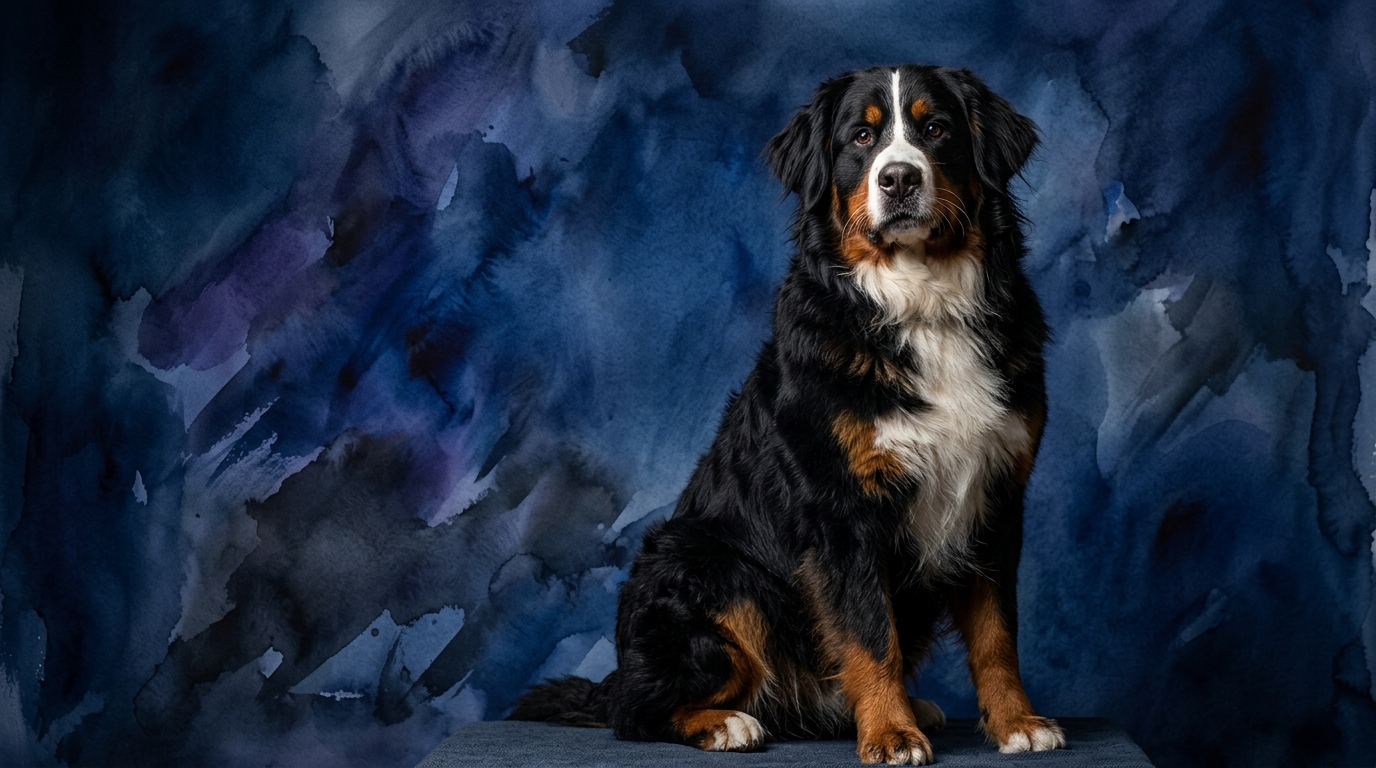
The Bernese Mountain Dog, a working breed ranked #27 by Coren, presents a cognitive profile built for cooperation and companionship. Their Problem Solving is rated 3/5, indicating a solid but not exceptionally inventive approach to new challenges, often preferring to work with a human. Training Speed stands at 4/5, reflecting their eager-to-please nature and quick grasp of commands. A standout is their Social Intelligence at 5/5, showcasing a profound understanding of human cues and emotional states, crucial for their historical roles as farm dogs. Instinctive Drive, at 4/5, is geared towards cooperative tasks like drafting or herding, rather than independent pursuit. Finally, Memory is 3/5, suggesting they retain information adequately but may not recall every minor detail with perfect clarity.
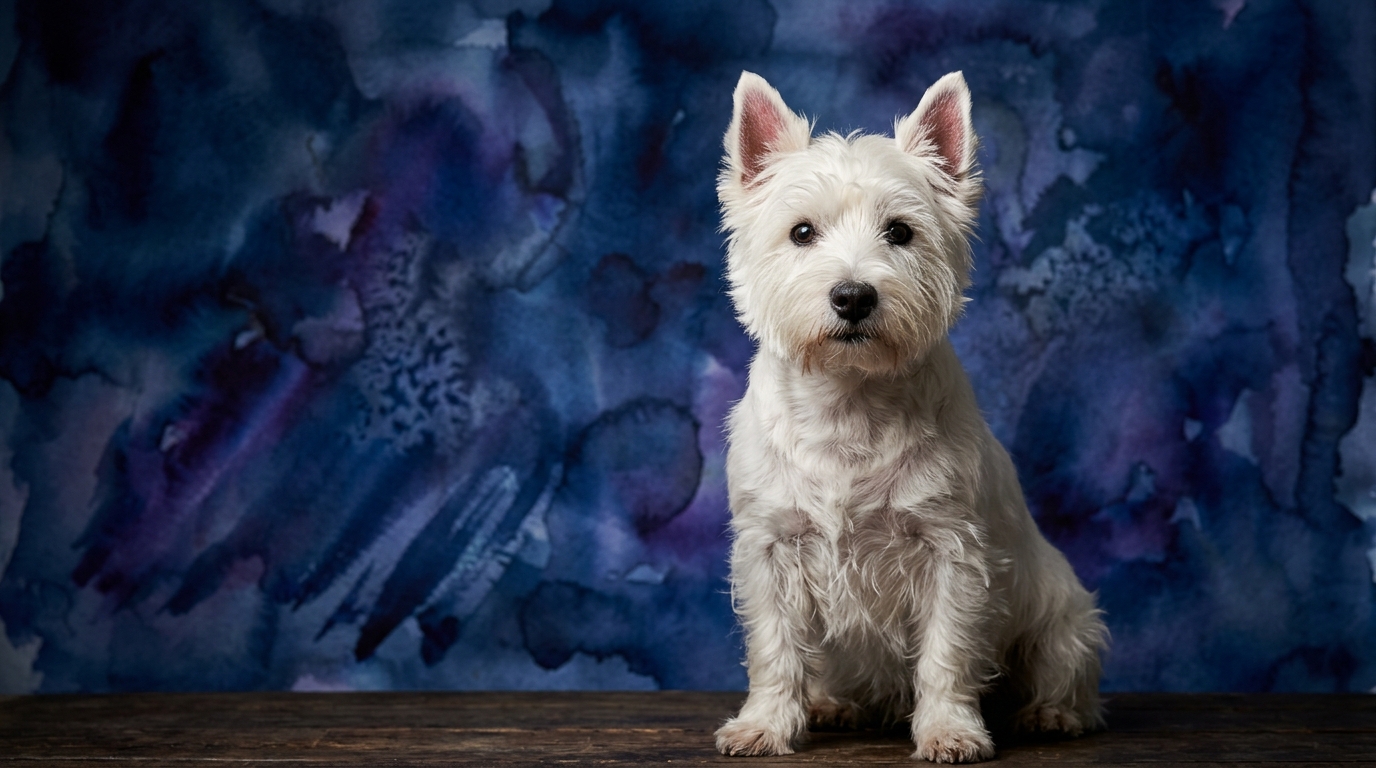
In contrast, the West Highland White Terrier, a terrier breed ranked #47, exhibits a cognitive makeup rooted in independent hunting and tenacity. Their Problem Solving is also 3/5, but often manifests as persistent, trial-and-error attempts to achieve a goal, typical of a burrowing hunter. Training Speed is 3/5, indicating they learn at a moderate pace, but their independent streak can sometimes make them less immediately compliant. Social Intelligence registers at 3/5; while affectionate, they are generally less overtly attuned to human emotional nuances than the Bernese. Their Instinctive Drive, also 3/5, is strongly focused on prey drive and exploration. A notable strength is their Memory, rated 4/5, allowing them to recall locations, scents, and past experiences with remarkable precision, vital for remembering den sites or preferred hunting grounds.
Where the Bernese Mountain Dog Excels Cognitively
The Bernese Mountain Dog truly shines in areas demanding collaboration and emotional attunement. Their Social Intelligence score of 5/5 is a clear advantage over the Westie’s 3/5. This isn't merely about being friendly; it reflects a deep capacity to interpret human body language, vocal tones, and intentions, making them exceptionally empathetic companions and natural therapy dogs. A Bernese will often anticipate your needs or respond to your mood shifts with a gentle nudge or a comforting presence, a trait honed by centuries of working alongside Swiss farmers.
Their superior Training Speed (4/5 compared to the Westie’s 3/5) is intrinsically linked to this social intelligence. Bernese Mountain Dogs possess a strong desire to please their human counterparts, which translates into a willingness to engage in learning and a quicker absorption of new commands and routines. They often require fewer repetitions and respond robustly to positive reinforcement, seeing training as a collaborative activity rather than a series of arbitrary demands. This cooperative spirit makes them receptive students in obedience, rally, or even carting.
Furthermore, their Instinctive Drive (4/5 vs. 3/5) is channeled towards purposeful, cooperative work. While a Westie’s drive might be to chase a squirrel, a Bernese’s drive is to pull a cart or gently herd livestock. This means their persistence is directed towards sustained tasks that involve partnership, allowing them to remain focused on a job when given clear direction, making them reliable partners in various activities where teamwork is paramount.
Where the West Highland White Terrier Excels Cognitively
The West Highland White Terrier, despite its smaller stature, possesses distinct cognitive strengths rooted in its tenacious terrier heritage. Their Memory, rated 4/5 compared to the Bernese’s 3/5, is particularly sharp for environmental details, scent trails, and spatial recall. This makes them exceptional at remembering where they buried a toy, where a particular scent originated, or the layout of their territory, a crucial trait for a dog historically tasked with tracking and unearthing prey from complex underground burrows. Owners might notice this as a Westie consistently returning to a specific spot where they once found a discarded treat or remembering a hidden escape route.
While both breeds share a 3/5 in Problem Solving, the *nature* of their problem-solving differs significantly. The Westie’s approach is typically more independent and persistent, characterized by trial-and-error, especially when motivated by a self-serving goal like accessing a treat or exploring a new space. They aren't waiting for human instruction; they are actively figuring out how to bypass an obstacle or manipulate an object to get what they want. This terrier tenacity, often mistaken for stubbornness, is a cognitive asset when it comes to independent exploration and overcoming physical barriers without human intervention.
Their Instinctive Drive, though rated equally at 3/5, is geared towards independent action and intense focus on a target. This manifests as an unwavering determination to pursue scents, dig, and investigate, a cognitive focus that allows them to ignore distractions when on a mission. This drive, while sometimes challenging to manage in a domestic setting, is a testament to their focused attention and single-mindedness when their natural instincts are engaged.
Which is Easier to Train and Why?
When it comes to ease of training, the Bernese Mountain Dog generally holds an advantage due to its higher Training Speed (4/5) and exceptional Social Intelligence (5/5). Bernese dogs are inherently eager to please and form strong bonds with their owners, making them highly receptive to instruction. They actively seek guidance and positive reinforcement, often understanding what is expected of them quickly and responding with enthusiasm. Their cooperative nature means they often comply with commands not just because they understand them, but because they value the partnership and approval of their human.
The West Highland White Terrier, with a Training Speed of 3/5 and Social Intelligence of 3/5, presents a more nuanced training experience. While capable of learning, their independent spirit and strong instinctive drives mean they require more patience, consistency, and creative motivation. A Westie might understand a command perfectly but choose not to comply if they perceive a more interesting activity, such as chasing a scent or investigating a rustle in the bushes. Their sharp Memory (4/5) can also be a double-edged sword; they remember past successes, both compliant and mischievous, meaning owners must be diligent in preventing unwanted behaviors from becoming habits. Training a Westie often involves convincing them that cooperation is more rewarding than their independent pursuits, demanding a firm yet positive approach to harness their innate determination.
Suited for Active vs. Relaxed Owners
The Bernese Mountain Dog is an excellent match for owners who appreciate a structured, moderately active lifestyle and desire a deeply connected companion. While not requiring extreme athleticism, they thrive on consistent daily walks, hiking, and engaging in activities like carting or companion obedience where they can work alongside their human. Their calm demeanor indoors makes them suitable for relaxed evenings, but their large size necessitates regular, purposeful outdoor time to maintain physical and mental well-being. They are ideal for families or individuals who enjoy shared, cooperative experiences and can provide ample affection and companionship.
The West Highland White Terrier, conversely, suits owners who embrace a more spirited, mentally engaging approach to activity. Despite their small stature, Westies possess significant energy and a need for mental stimulation to prevent boredom and potential mischief. They excel in short, intense bursts of play, earthdog trials, agility, or engaging puzzle toys that challenge their problem-solving skills. While they can adapt to apartment living, truly relaxed owners might find their independent, tenacious nature and propensity for barking or digging challenging without sufficient outlets for their instincts. They are best for owners who enjoy consistent training, interactive games, and can provide a structured yet stimulating environment to channel their lively spirit.
The Verdict: When to Choose Each Breed
The Verdict
Choose the Bernese Mountain Dog if you seek a highly cooperative, socially attuned companion eager to learn alongside you, excelling in tasks requiring teamwork and a gentle disposition.
Choose the West Highland White Terrier if you appreciate an independent, persistent problem-solver with a sharp memory, thriving on mental challenges and offering spirited companionship.
🧠 Find Your Pet's IQ Score
Our Pet IQ Lab assessment covers 25+ tests across 5 cognitive dimensions — personalized to your breed.
Take the Full IQ Test →Frequently Asked Questions
Are Bernese Mountain Dogs good with other pets?
Their high social intelligence often makes Bernese Mountain Dogs adaptable to other pets, especially with proper introductions and socialization from a young age, fostering a harmonious multi-pet household.
Do West Highland White Terriers bark a lot?
Westies can be prone to barking due to their terrier instincts for alerting and digging, particularly if bored or not adequately stimulated, requiring consistent training to manage this vocal tendency.
Which breed is better for first-time dog owners?
The Bernese Mountain Dog, with its cooperative nature and higher training speed, is generally more forgiving for first-time owners compared to the more independent and persistent West Highland White Terrier.