Side-by-Side Cognitive Profiles
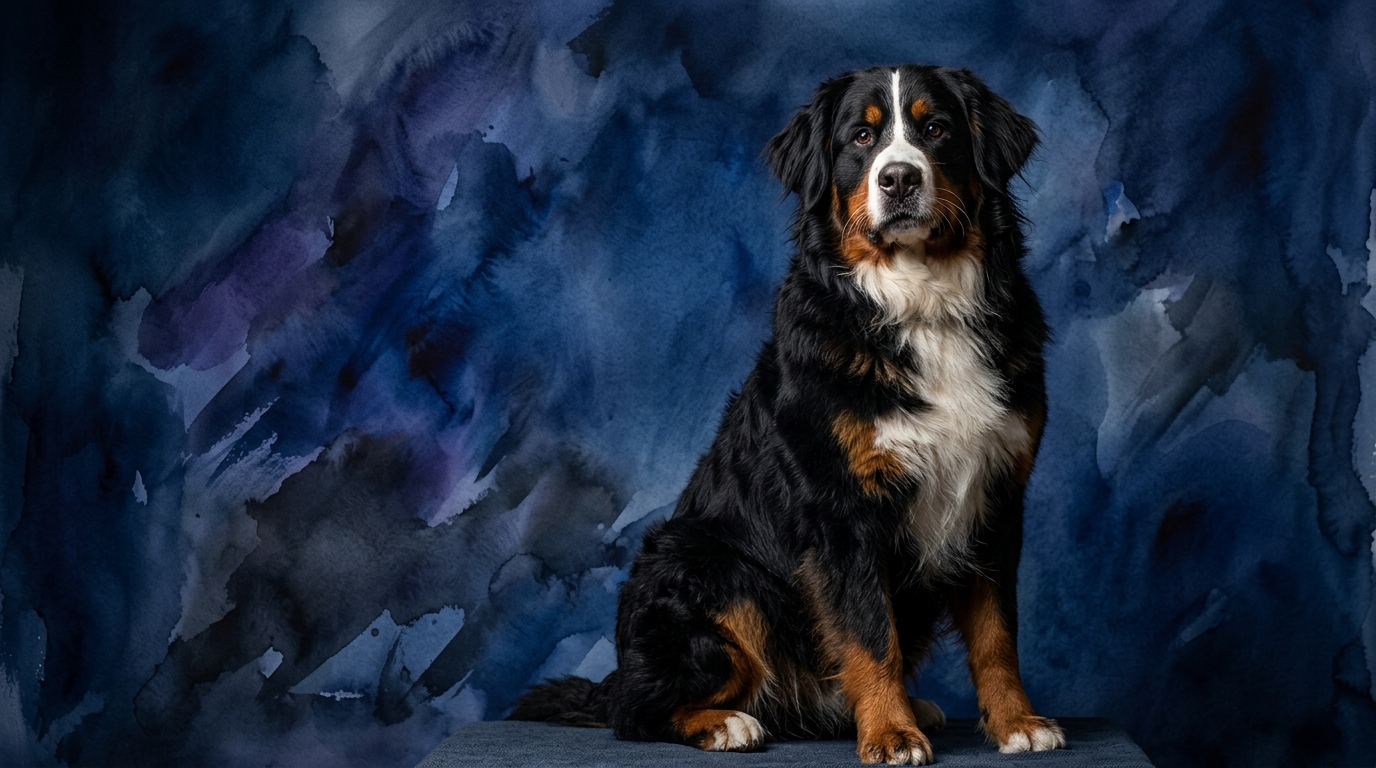
Hailing from the Swiss Alps, the Bernese Mountain Dog is a member of the Working Group, traditionally employed for drafting and herding. Our IQ Lab assessment gives them a problem-solving score of 3/5, indicating a moderate ability to navigate novel challenges independently, often relying on learned behaviors or human guidance. Their training speed is a notable 4/5, reflecting a strong desire to cooperate and a quick grasp of commands. Social intelligence truly shines at 5/5, showcasing an exceptional capacity to understand human emotions and social cues, making them highly attuned companions. An instinctive drive of 4/5 points to their inherent motivation for tasks and purpose, while memory stands at 3/5, suggesting a solid but not extraordinary recall of experiences and training.
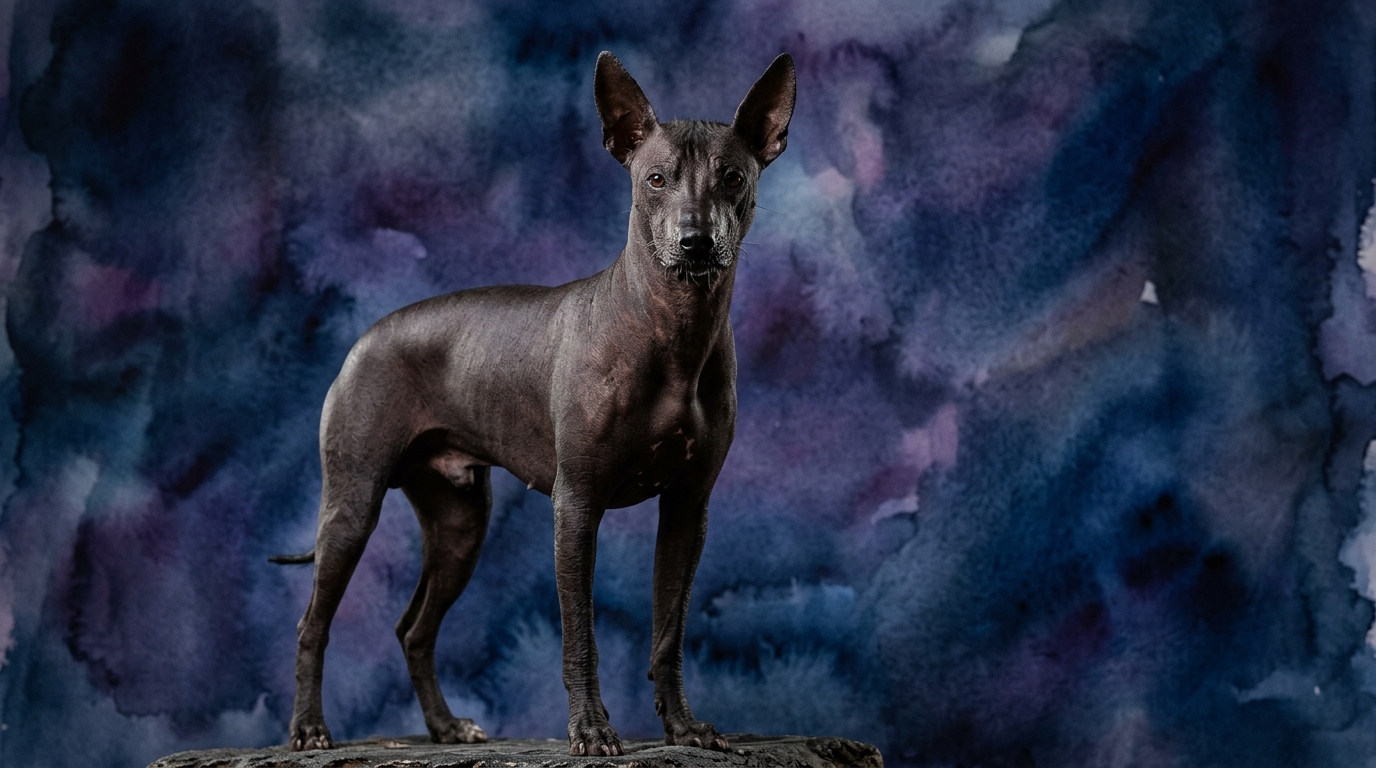
The Xoloitzcuintli, an ancient Mexican breed from the Non-Sporting Group, presents a balanced but distinct cognitive profile. Their problem-solving ability is rated 3/5, similar to the Bernese, suggesting they are capable of navigating their environment and resolving issues, often with a more independent approach. Training speed is 3/5, indicating they learn at a steady pace, though perhaps requiring more consistent and patient methods than a breed with a higher cooperative drive. Social intelligence also scores 3/5, meaning they are capable of forming strong bonds but might be less overtly expressive or attuned to subtle human cues than other breeds, often displaying a reserved demeanor. Their instinctive drive is 3/5, reflecting a moderate internal motivation without the strong task-oriented focus of many working breeds, and their memory is also 3/5, providing a reliable foundation for learning and recall.
Where the Bernese Mountain Dog Wins Cognitively
The Bernese Mountain Dog's cognitive strengths are deeply rooted in their history as cooperative working animals, making them particularly adept in areas requiring partnership and responsiveness. Their superior training speed, rated 4/5 compared to the Xolo's 3/5, means they typically absorb new commands and routines more rapidly, often eager to please their human companions. This quick learning is bolstered by their exceptional social intelligence, scoring a perfect 5/5. Bernese Mountain Dogs possess an innate ability to read human body language, vocal inflections, and emotional states with remarkable accuracy, allowing for seamless communication and a deep understanding of their role within a family unit.
Furthermore, their instinctive drive of 4/5 translates into a robust motivation for engagement and purpose, whether it's participating in structured activities like obedience or simply being involved in daily family life. This drive, combined with their social acumen, makes them highly responsive to direction and eager to participate in tasks, from carrying a pack on a hike to simply cuddling on the couch. Their cooperative nature means they often anticipate human wishes, making them intuitive partners in various activities and less prone to independent decision-making that might conflict with human expectations.
Where the Xoloitzcuintli Wins Cognitively
While the Bernese excels in cooperative intelligence, the Xoloitzcuintli's cognitive profile, marked by consistent 3/5 scores across the board, suggests a different kind of strength: a balanced, self-reliant, and resilient intellect. Their problem-solving ability, matching the Bernese at 3/5, often manifests in a more independent manner, showcasing their capacity to assess situations and find solutions without constant human intervention. This can mean navigating complex environments or adapting to new situations with a quiet confidence that stems from their ancient lineage as survivors.
The Xolo's moderate social intelligence (3/5) might not reflect an eagerness to please in the same way as a Bernese, but it indicates a discerning nature. They form profound, often singular bonds, and their intelligence here lies in their ability to observe and understand their chosen family deeply, rather than seeking approval from all. This reserved social approach can be a cognitive 'win' for owners who appreciate a dog that is not overly dependent or demonstrative, but rather an astute, self-possessed companion. Their consistent scores across all dimensions suggest a robust, adaptable general intelligence that has served them well through millennia, prioritizing self-sufficiency and keen observation over specialized cooperative tasks.
Which is Easier to Train and Why
When it comes to ease of training, the Bernese Mountain Dog generally presents a more straightforward experience for most owners. Their higher training speed (4/5) and exceptional social intelligence (5/5) mean they are typically enthusiastic learners who quickly pick up on cues and routines. They possess a strong desire to please their people and are highly attuned to feedback, making positive reinforcement techniques particularly effective. This cooperative spirit, a hallmark of their working heritage, translates into a dog that often anticipates commands and works alongside their handler with a joyful demeanor, making training sessions productive and rewarding.
The Xoloitzcuintli, with a training speed of 3/5 and social intelligence also at 3/5, can be a more nuanced training prospect. Their independence and discerning nature mean they might not always be driven by the same eager-to-please motivation as a Bernese. Xolos can be sensitive, requiring patient, consistent, and positive reinforcement methods, as harsh corrections can lead to withdrawal. Their training often benefits from making it feel like a game or a collaborative effort rather than a strict command-and-obey dynamic. While capable of learning anything, their less overt desire for human approval means an owner needs to be more creative and understanding of their unique motivations.
Which Suits Active Owners vs. Relaxed Owners
For active owners seeking a canine partner for adventures and structured activities, the Bernese Mountain Dog often makes an excellent match. Their instinctive drive (4/5) means they thrive on having a purpose, whether it's hiking, participating in dog sports like carting or obedience, or simply being a constant companion on daily outings. While they are large dogs who enjoy their comfort, they require consistent physical exercise and mental engagement to prevent boredom and maintain their well-being. Their robust build and social nature make them ideal for family-oriented activities, eager to be included in whatever their humans are doing.
The Xoloitzcuintli, while capable of activity, often suits owners who appreciate a more relaxed yet deeply connected companionship. Their moderate instinctive drive (3/5) means they don't typically demand intense, structured exercise in the same way as many working breeds. They enjoy walks and playtime, but are often equally content to curl up beside their owner, preferring warmth and close proximity. Their sensitive nature and lower social intelligence score (3/5) mean they thrive in stable, calm environments with predictable routines, making them excellent companions for individuals or families who prefer a quiet home life and appreciate a dog that is present without being constantly demanding.
The Verdict
Choose the Bernese Mountain Dog if you seek a highly cooperative, socially astute companion eager to participate actively in family life and structured training, thriving on a sense of purpose and strong human connection.
Choose the Xoloitzcuintli if you appreciate an independent, discerning, and self-possessed companion who forms deep, personal bonds and thrives in a stable, calm environment, valuing quiet companionship over constant activity.
🧠 Find Your Pet's IQ Score
Our Pet IQ Lab assessment covers 25+ tests across 5 cognitive dimensions — personalized to your breed.
Take the Full IQ Test →Frequently Asked Questions
Are Bernese Mountain Dogs prone to separation anxiety due to their high social intelligence?
Bernese Mountain Dogs' high social intelligence and strong desire for companionship can indeed make them prone to separation anxiety if not properly socialized and trained from a young age to tolerate being alone. Their deep bond with their family means they truly miss their humans, necessitating thoughtful preparation for periods of absence.
Do Xoloitzcuintli dogs bark a lot, given their ancient and independent nature?
Xoloitzcuintli dogs are generally not excessive barkers; they tend to be quite reserved and watchful. They will bark to alert their owners to new arrivals or unusual sounds, but they are not typically prone to nuisance barking, especially if well-socialized and confident in their environment.
How do the memory scores of these breeds impact their long-term training?
Both breeds score 3/5 in memory, indicating a solid capacity for recalling learned behaviors and experiences. This means both can achieve high levels of training, though the Bernese's higher training speed and social intelligence might make initial learning faster, while the Xolo's consistent memory ensures retention over time with proper reinforcement.