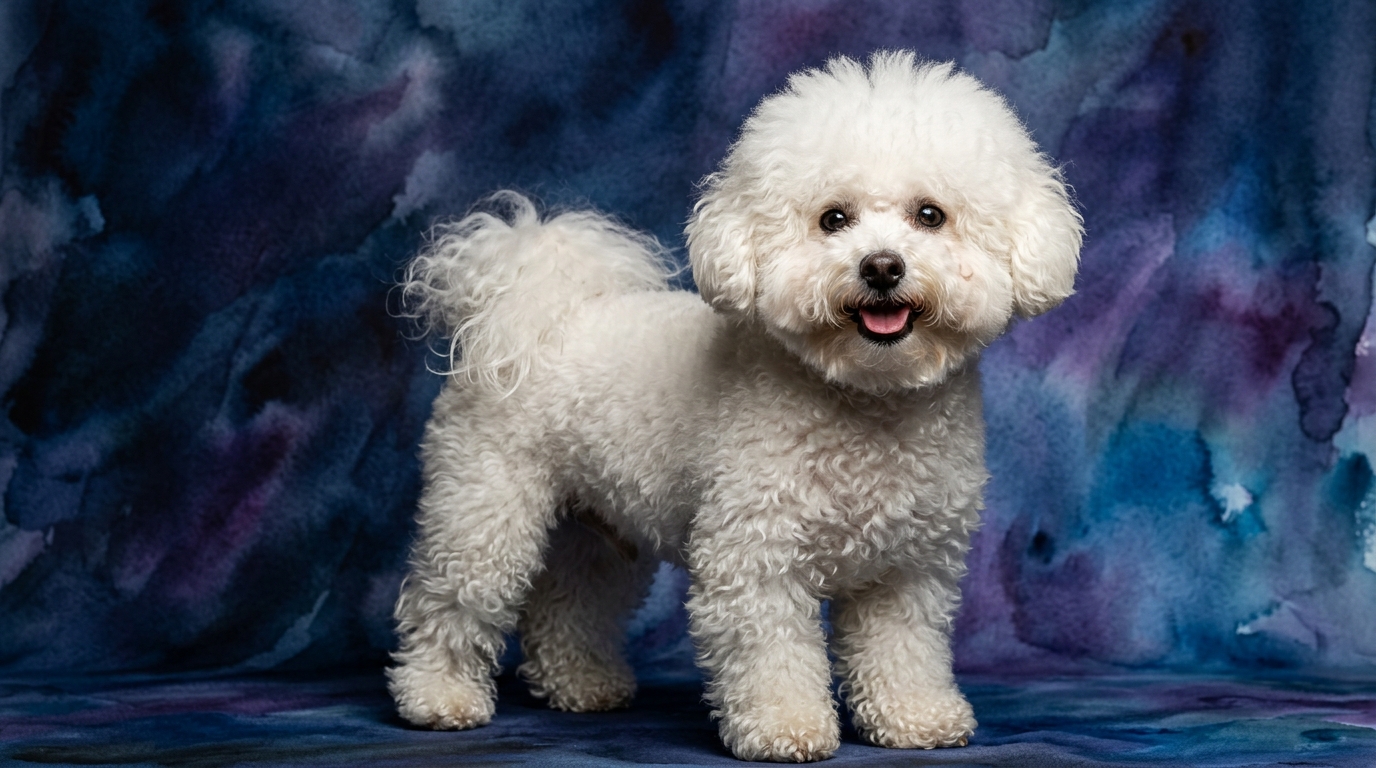
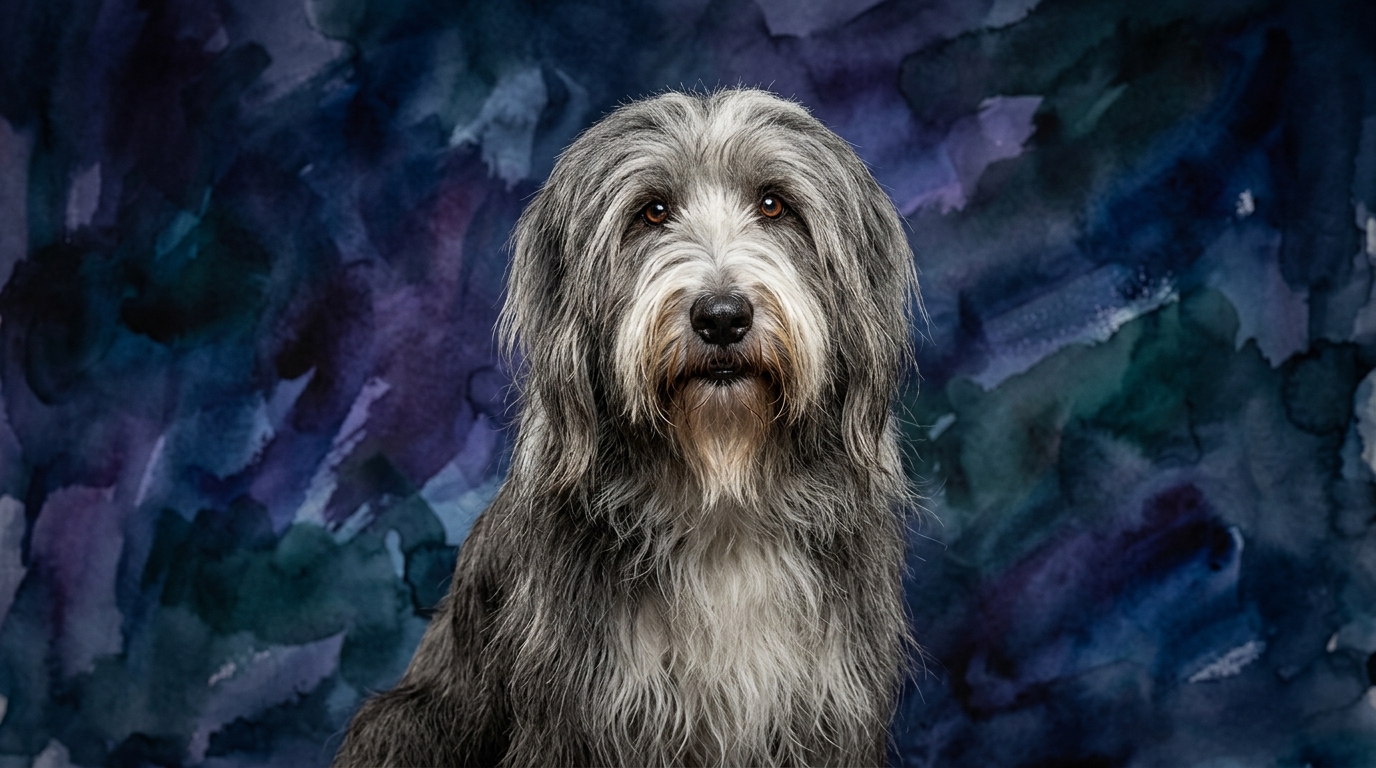
Side-by-Side IQ Profile: Bichon Frisé vs. Bearded Collie
The Cosmic Pet Pet IQ Lab employs five key dimensions to evaluate canine intelligence, offering a nuanced view beyond traditional rankings. For the Bichon Frisé, a Non-Sporting breed ranking #45 on the Coren scale, its profile emphasizes social prowess. With a Problem Solving score of 3 out of 5, the Bichon demonstrates a practical, home-centric intelligence. They are adept at navigating their immediate domestic environment, quickly learning how to access their favorite toys, secure a comfortable spot on the sofa, or signal their need for attention through charming persistence. While they might not excel at complex puzzle toys designed for working breeds, they are certainly capable of figuring out routine sequences, like anticipating dinner time or discerning the sound of a specific family member's car. Their ingenuity often manifests in their ability to 'train' their humans to respond to their needs and desires, showcasing a subtle yet effective form of problem-solving centered around social interaction and comfort. Scoring 3 out of 5 for Training Speed, Bichons learn new commands and behaviors at a moderate pace. They are not the fastest learners in a competitive obedience ring, but their strong desire to please, a byproduct of their high social intelligence, makes them responsive to positive reinforcement. Consistency is paramount, as their playful and sometimes independent nature can lead to moments of 'selective hearing.' Owners must make training fun and engaging, utilizing treats, praise, and play to capture their attention and solidify new skills. While they may require more repetitions than some breeds, their retention of learned behaviors is generally good once a command is truly understood. The Bichon Frisé truly shines with a perfect 5 out of 5 in Social Intelligence. This breed possesses an extraordinary capacity to read human emotions and social cues, often seeming to anticipate their owner's moods and needs. They are masters of empathy, offering comfort with a gentle nudge or a quiet presence when sensing distress. Their ability to form deep, reciprocal bonds with their human companions is exceptional, allowing them to integrate seamlessly into diverse family dynamics and adapt to various household routines with remarkable grace. This profound social attunement makes them superb therapy animals and unparalleled emotional support companions, thriving on close interaction and reciprocating affection readily. With an Instinctive Drive score of 2 out of 5, the Bichon Frisé typically exhibits low levels of innate working behaviors. Their primary drives are centered around companionship, comfort, and play within a domestic context. They possess minimal prey drive, a low inclination for independent exploration, and no strong urges to perform tasks like hunting or herding. This low drive profile contributes to their adaptability as house pets, as they are generally content with a moderate amount of exercise and mental engagement focused on interaction with their family rather than fulfilling a deep-seated working purpose. A Memory score of 3 out of 5 indicates that Bichons have a solid capacity for recalling routines, people, and learned behaviors. They remember commands and household rules consistently, particularly when those behaviors have been positively reinforced. Their memory serves them well in maintaining good manners and navigating their daily lives within a predictable environment. While they might not recall every minute detail of a complex multi-stage trick after a long break, they are reliable in remembering important family members, preferred walking routes, and the sequence of events leading up to their favorite activities.
In contrast, the Bearded Collie, a Herding breed with a Coren rank of #34, presents a cognitive profile geared towards active engagement and problem-solving. The Bearded Collie earns a robust 4 out of 5 in Problem Solving, a testament to its heritage as a working herding dog. This breed often displays a keen ability to analyze situations, devise strategies, and overcome obstacles. Whether it's figuring out how to open a gate, retrieve a hidden toy, or navigate a complex agility course, they approach challenges with ingenuity and determination. Their cognitive processes involve more than simple trial and error; they can often anticipate outcomes and adjust their approach, making them effective at tasks requiring independent thought and flexible solutions. With a Training Speed score of 4 out of 5, Bearded Collies are generally quick to grasp new concepts and commands. Their working background instilled a desire for purpose and cooperation, making them eager participants in training sessions. They respond well to clear instructions and varied, engaging methods. While they can sometimes exhibit a thoughtful independence, they typically pick up complex sequences and advanced obedience tasks with impressive speed. This quick learning ability, combined with good retention, makes them excellent candidates for various dog sports and advanced training disciplines. The Bearded Collie’s Social Intelligence is rated at 3 out of 5. While affectionate and loyal to their 'pack' (their human family), their social acuity differs from the Bichon's. They are observant of family dynamics and their role within the household, but their focus is less on universal human emotional attunement and more on understanding and interacting with their immediate social group. They might be more reserved or less overtly empathetic with strangers, preferring to assess new people and situations from a slight distance before engaging. Their social interactions are often energetic and playful, reflecting their gregarious yet discerning nature. A score of 3 out of 5 in Instinctive Drive highlights the Bearded Collie's moderate, yet distinct, working instincts. Originating as herding dogs, they possess an inherent desire to 'gather' and manage. This can manifest as a tendency to gently nudge family members, especially children, or to chase moving objects. While not as intense as some high-drive working breeds, these instincts necessitate appropriate outlets, such as herding games, fetch, or structured training, to prevent them from becoming misdirected or problematic in a domestic setting. This drive also fuels their need for mental engagement and purpose. The Bearded Collie's Memory score of 4 out of 5 is a significant asset, particularly in tasks requiring sustained learning and recall. This breed excels at remembering complex sequences, intricate routes, and a large repertoire of commands and learned strategies over extended periods. Their excellent memory is crucial for advanced training, agility courses where precise patterns must be recalled, and situations where they need to remember specific tasks or individuals. This cognitive strength allows them to build upon their learning continuously and perform reliably in various challenging scenarios.
Where the Bichon Frisé Excels Cognitively
The Bichon Frisé's absolute strength lies in its 5/5 social intelligence, making it a standout in emotional attunement and companionship. This high score translates into an exceptional ability to read human emotions, provide comfort, and adapt their behavior to maintain harmony within a household. Bichons are masters of emotional connection, often seeming to intuitively understand what their human needs, whether it's a quiet presence during a stressful moment or a playful nudge to lighten the mood. Their knack for charming people and integrating into various social settings with remarkable ease is unmatched by many breeds, making them profoundly effective companions for individuals seeking a dog deeply attuned to their emotional state. Their cognitive energy is primarily directed towards nurturing these bonds, making them highly responsive to social cues and adept at engaging in reciprocal emotional exchanges.
Where the Bearded Collie Excels Cognitively
The Bearded Collie's cognitive advantages are most evident in its 4/5 scores for both problem-solving and memory, giving it a distinct edge in tasks requiring strategic thinking and long-term retention of complex sequences. Their herding heritage demands they assess dynamic situations, anticipate movements, and recall intricate patterns to manage livestock effectively. This means they are better equipped for activities like advanced obedience, agility courses, or complex scent work, where figuring out novel solutions and remembering multi-step processes are paramount. Their ability to independently analyze and react to new situations, demonstrating both flexibility and foresight, is a hallmark of their cognitive profile. This breed thrives on mental challenges that tap into their innate capacity for strategic thought and sustained recall.
Training Dynamics: Which is Easier to Train and Why?
When comparing ease of training, the Bearded Collie generally exhibits a faster training speed (4/5) compared to the Bichon Frisé (3/5). The Bearded Collie's working dog heritage predisposes them to be more focused on tasks and eager to engage in structured learning, provided the training is stimulating and consistent. Their higher problem-solving and memory scores mean they grasp and retain complex commands and multi-step sequences more readily. However, their independent thinking can sometimes lead to moments of 'creative interpretation' if training isn't clear, consistent, or engaging enough; they might try to find their own solutions rather than strictly adhering to a command if not properly motivated. This requires an owner who can be both firm and fair, providing clear direction and leveraging their drive to work.
The Bichon Frisé, while eager to please due to their high social intelligence, learns at a moderate pace. They can sometimes be easily distracted or exhibit a playful stubbornness, often using their charm to get their way. Training a Bichon often requires more patience, a greater reliance on positive reinforcement, and transforming sessions into fun, interactive games to leverage their desire for social interaction and attention. While they may take longer to master a command or achieve perfect consistency, they will eventually get it with persistent, gentle, and reward-based methods. House training can sometimes be a particular challenge for Bichons dueating to their smaller bladder size and sometimes less robust instinctive drive for "holding it," demanding extra vigilance and frequent outdoor trips from their owners.
Suitability for Active vs. Relaxed Owners
For active owners, the Bearded Collie is an ideal match. Their moderate instinctive drive (3/5) and higher scores in problem-solving and memory mean they thrive on significant mental and physical activity. They require regular, vigorous exercise, opportunities for complex play, and engagement in dog sports such as agility, flyball, or advanced obedience, or even herding activities. Owners who enjoy hiking, running, long walks, or participating in competitive dog sports will find a Bearded Collie an enthusiastic and capable partner. Without sufficient outlets for their cognitive and physical energy, their problem-solving skills might be redirected towards less desirable behaviors out of boredom or frustration, such as excessive barking, digging, or destructive chewing.
Conversely, the Bichon Frisé is perfectly suited for more relaxed owners. With a lower instinctive drive (2/5) and supreme social intelligence (5/5), Bichons prioritize companionship and indoor activities. While they certainly enjoy daily walks and playful romps, their exercise needs are generally moderate and easily met with a couple of short walks and indoor play sessions. They are content to cuddle on the couch, participate in family life, and be the center of attention without demanding constant, rigorous physical exertion or complex mental tasks. Their cognitive strengths are best utilized in a home environment focused on emotional connection, gentle interaction, and consistent affection, making them wonderful companions for those seeking a devoted, less demanding canine presence.
The Verdict
Opt for a Bichon Frisé if your primary desire is an exceptionally empathetic companion deeply attuned to your emotions and content with a relaxed, indoor-centric lifestyle, valuing connection above complex tasks.
Select a Bearded Collie if you seek an active, strategic partner for outdoor adventures and dog sports, appreciating a dog that thrives on mental challenges and collaborative work.
🧠 Find Your Pet's IQ Score
Our Pet IQ Lab assessment covers 25+ tests across 5 cognitive dimensions — personalized to your breed.
Take the Full IQ Test →Frequently Asked Questions
Are Bichon Frisés difficult to house train?
Bichons can sometimes be more challenging to house train than other breeds, partially due to their smaller bladder size and lower instinctive drive for holding it. Consistency, frequent outdoor trips, and positive reinforcement are crucial for success, often requiring more patience from their owners.
Do Bearded Collies need a lot of exercise?
Yes, Bearded Collies are an active breed with a moderate instinctive drive and a strong need for both physical and mental stimulation. Daily vigorous walks, playtime, and opportunities for engaging activities like herding games or dog sports are essential to keep them content and prevent boredom.
Which breed is better with children?
Both breeds can be good with children, but in different ways. Bichons excel with their high social intelligence and gentle nature, often making them patient and cuddly companions. Bearded Collies, while affectionate, might try to 'herd' children due to their instincts, requiring supervision and training to manage this behavior.