A Side-by-Side Cognitive Profile
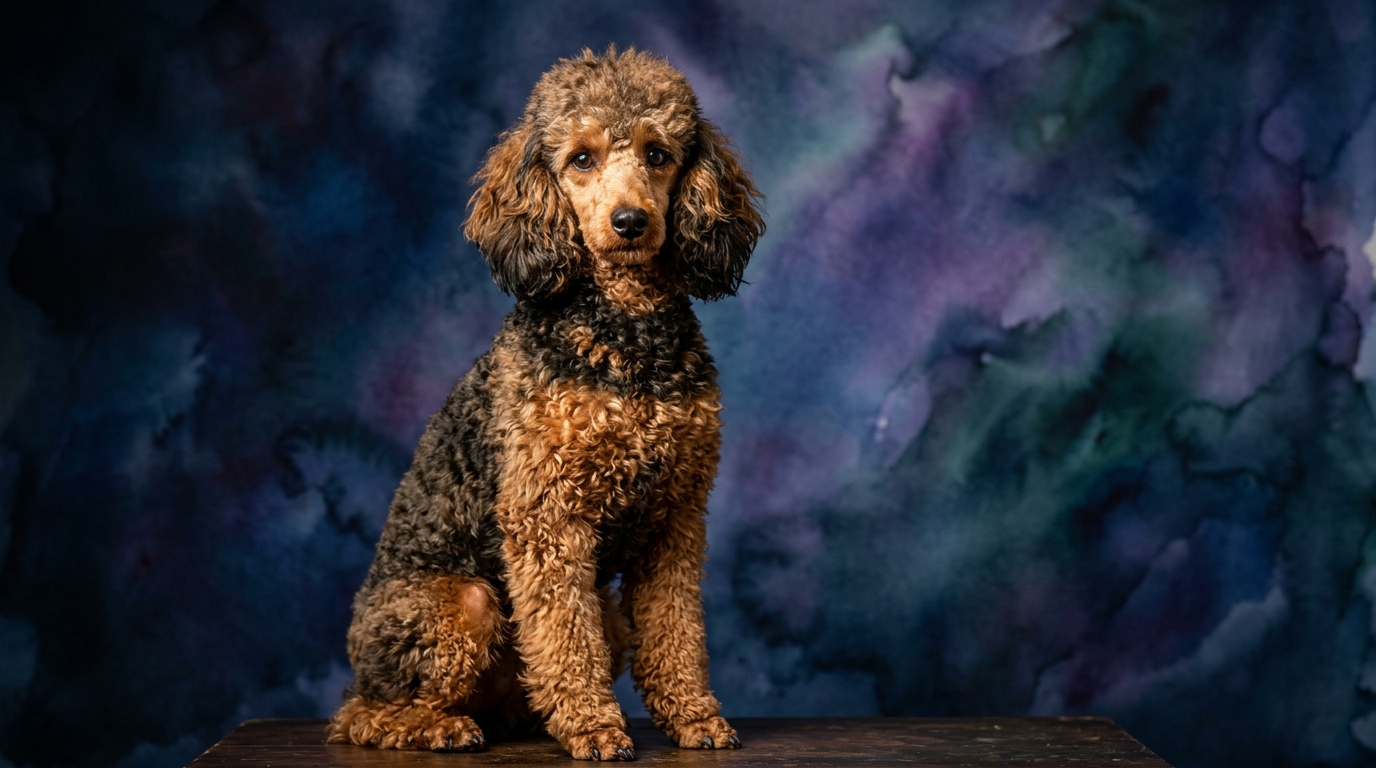
The Poodle (Standard), ranked #2 on Stanley Coren's scale of canine working and obedience intelligence, demonstrates a profound capacity for learning and application. Their problem Solving is rated 5/5, indicating an exceptional aptitude for navigating complex situations and understanding abstract concepts. Training Speed is also 5/5, meaning they grasp new commands with remarkably few repetitions, often showing an eagerness to engage in learning. Social Intelligence stands at 5/5, reflecting their deep understanding of human cues and emotional states, fostering strong, responsive bonds. An Instinctive Drive of 4/5 suggests a pronounced motivation for tasks, retrieving, or agility work, hinting at their historical roles beyond companionship. Finally, their Memory is 5/5, allowing for long-term retention of learned behaviors and routines, even after periods of inactivity.
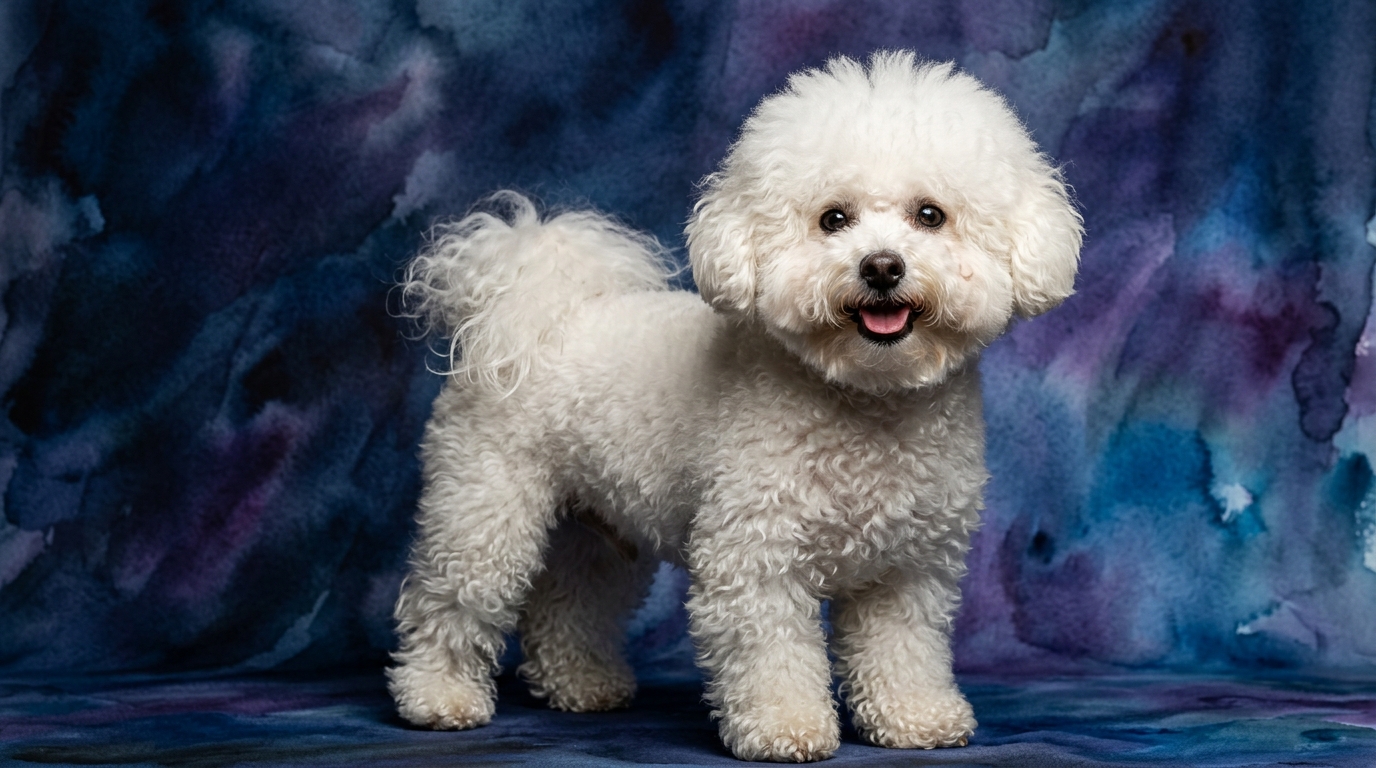
In contrast, the Bichon Frisé, positioned at #45 on Coren's ranking, offers a different, yet equally charming, cognitive blueprint. Their problem Solving is 3/5, meaning they can learn to navigate challenges, but may require more guidance and repetition for novel or intricate tasks compared to their Poodle counterparts. Training Speed is 3/5; while they are certainly trainable, they benefit from consistent, positive reinforcement and may take more sessions to solidify new commands. Where the Bichon truly excels is in Social Intelligence, also rated 5/5, demonstrating an outstanding ability to connect with humans, perceive moods, and thrive on interactive companionship. Their Instinctive Drive is 2/5, indicating a low intrinsic motivation for working tasks or strong prey drive, making them primarily companion-focused. Their Memory is 3/5, meaning they retain learned behaviors effectively with regular reinforcement, though occasional refreshers might be beneficial for less frequently practiced commands.
Where the Poodle (Standard) Excels Cognitively
The Poodle (Standard) showcases a remarkable cognitive advantage in areas demanding advanced reasoning and rapid acquisition of skills. Their 5/5 rating in problem Solving allows them to excel in complex tasks, such as puzzle toys requiring multiple steps, or navigating intricate agility courses with precision. This capacity extends beyond mere memorization; they often demonstrate an ability to generalize learned solutions to new, similar challenges, indicating a deeper understanding of underlying principles. For instance, a Standard Poodle taught to open a specific type of latch might quickly figure out a different, but structurally similar, mechanism.
Furthermore, the Poodle's combined 5/5 Training Speed and 5/5 Memory make them unparalleled candidates for advanced obedience, competitive dog sports, and even specialized service roles. They can master an extensive vocabulary of commands and retain them over time, allowing for a vast repertoire of behaviors. This cognitive prowess means they thrive on mental stimulation, often seeking out opportunities to engage their minds, whether through learning new tricks or participating in interactive games that require strategic thinking. Their 4/5 Instinctive Drive further fuels this engagement, providing a natural inclination towards directed activity and purpose.
Where the Bichon Frisé Excels Cognitively
The Bichon Frisé's cognitive strengths are profoundly rooted in their social acumen and adaptability as companions. Their 5/5 Social Intelligence is a standout feature, enabling them to form incredibly strong, intuitive bonds with their human families. This isn't just about being friendly; it's a sophisticated ability to read subtle human cues, understand emotional states, and respond with comforting or engaging behaviors. A Bichon often seems to instinctively know when a family member needs cheering up, offering a gentle nudge or a playful invitation, demonstrating a perceptive understanding of social dynamics within the household.
While their problem Solving and training speed are moderate at 3/5, their high social intelligence significantly aids in their trainability for domestic life. They are motivated by human interaction and praise, making them eager to comply with commands to please their people, even if it takes a few more repetitions. Their 2/5 Instinctive Drive, rather than being a deficit, is a cognitive win for a companion breed; it means they are less likely to be driven by external stimuli like prey or intense work, making them content and focused on their family unit. This low drive contributes to their calm demeanor indoors and their suitability for a life centered around companionship, where emotional intelligence often outweighs the need for complex task performance.
Training: Poodle's Precision vs. Bichon's Persistence
When it comes to training, the differences between these two breeds become quite pronounced, primarily due to their respective Training Speed and Memory scores. The Poodle (Standard), with its 5/5 ratings in both categories, is often described as a 'one-take wonder.' They absorb new commands and concepts with remarkable speed, requiring minimal repetitions. This allows owners to progress quickly to advanced obedience, intricate tricks, or specialized tasks. Their strong memory ensures that once a behavior is learned, it is retained, making them highly reliable in performing commands consistently, even after a break in training. This breed thrives on varied and challenging training sessions that engage their active minds.
The Bichon Frisé, while certainly trainable, operates at a different pace with 3/5 ratings for Training Speed and Memory. They require more patience and consistency from their owners. Basic commands will be learned, but they might need more repetitions and frequent reinforcement to solidify the behavior. Their high social intelligence, however, works in their favor; they are eager to please their beloved human, which can be a strong motivator. Owners should utilize positive reinforcement, making training sessions fun and engaging to capitalize on the Bichon’s desire for interaction. While they may not pick up complex sequences as rapidly as a Poodle, their persistence and desire for connection ensure they can become well-mannered and delightful companions with dedicated effort.
Matching Breeds to Lifestyles: Active vs. Relaxed Owners
The cognitive profiles of the Standard Poodle and Bichon Frisé naturally align them with different owner lifestyles. An active owner, one who enjoys hiking, running, dog sports like agility or obedience trials, or even considers a working role for their canine, would find a Poodle (Standard) to be an exceptional match. Their high problem Solving, training Speed, and Instinctive Drive (4/5) mean they not only tolerate but genuinely thrive on mental and physical challenges. They need consistent engagement to prevent boredom, which can manifest as undesirable behaviors. These dogs enjoy having a 'job' and excel when their cognitive abilities are regularly exercised through varied activities, making them ideal for individuals or families committed to an involved, stimulating routine.
Conversely, a relaxed owner, one who seeks a devoted companion for quiet evenings, gentle strolls, and abundant cuddles, would likely find the Bichon Frisé more suitable. With their moderate problem Solving and Instinctive Drive (2/5), they are perfectly content with less intense physical activity and more focused on close companionship. Their exceptional Social Intelligence (5/5) means they are happiest when interacting with their family, providing comfort and joy through their affectionate nature. While they still benefit from daily walks and playtime, their primary need is for social connection and being an integral part of their human's everyday life, making them ideal for individuals or families seeking a charming, emotionally perceptive companion without the demands of high-intensity training or activity.
The Verdict
Choose the Poodle (Standard) if you seek a highly capable, adaptable partner for advanced training, dog sports, or a working role, thriving on intellectual challenge and consistent engagement.
Opt for the Bichon Frisé if your priority is a deeply affectionate, socially perceptive companion who excels at forming strong emotional bonds and thrives in a home environment focused on companionship and gentle interaction.
🧠 Find Your Pet's IQ Score
Our Pet IQ Lab assessment covers 25+ tests across 5 cognitive dimensions — personalized to your breed.
Take the Full IQ Test →Frequently Asked Questions
Do Standard Poodles require a lot of mental stimulation?
Yes, Standard Poodles, with their 5/5 problem Solving and Memory, benefit significantly from mental stimulation. They thrive on learning new commands, puzzle toys, and engaging in activities like agility or obedience to prevent boredom and channel their cognitive energy constructively.
Is a Bichon Frisé difficult to train for basic commands?
A Bichon Frisé, with 3/5 training Speed, is certainly trainable for basic commands but may require more patience and consistency than some other breeds. Their high social intelligence means they respond well to positive reinforcement and a desire to please their owners, making training successful with dedicated effort.
Which breed is better for a first-time dog owner?
The 'better' breed depends on the first-time owner's lifestyle and commitment. A Bichon Frisé can be an excellent choice for a first-timer seeking a devoted companion, provided they are prepared for consistent training. A Standard Poodle requires an owner willing to dedicate significant time to mental and physical exercise, which might be more demanding for a novice but rewarding for those up to the task.