Unpacking Their Cognitive Frameworks: A Side-by-Side IQ Profile
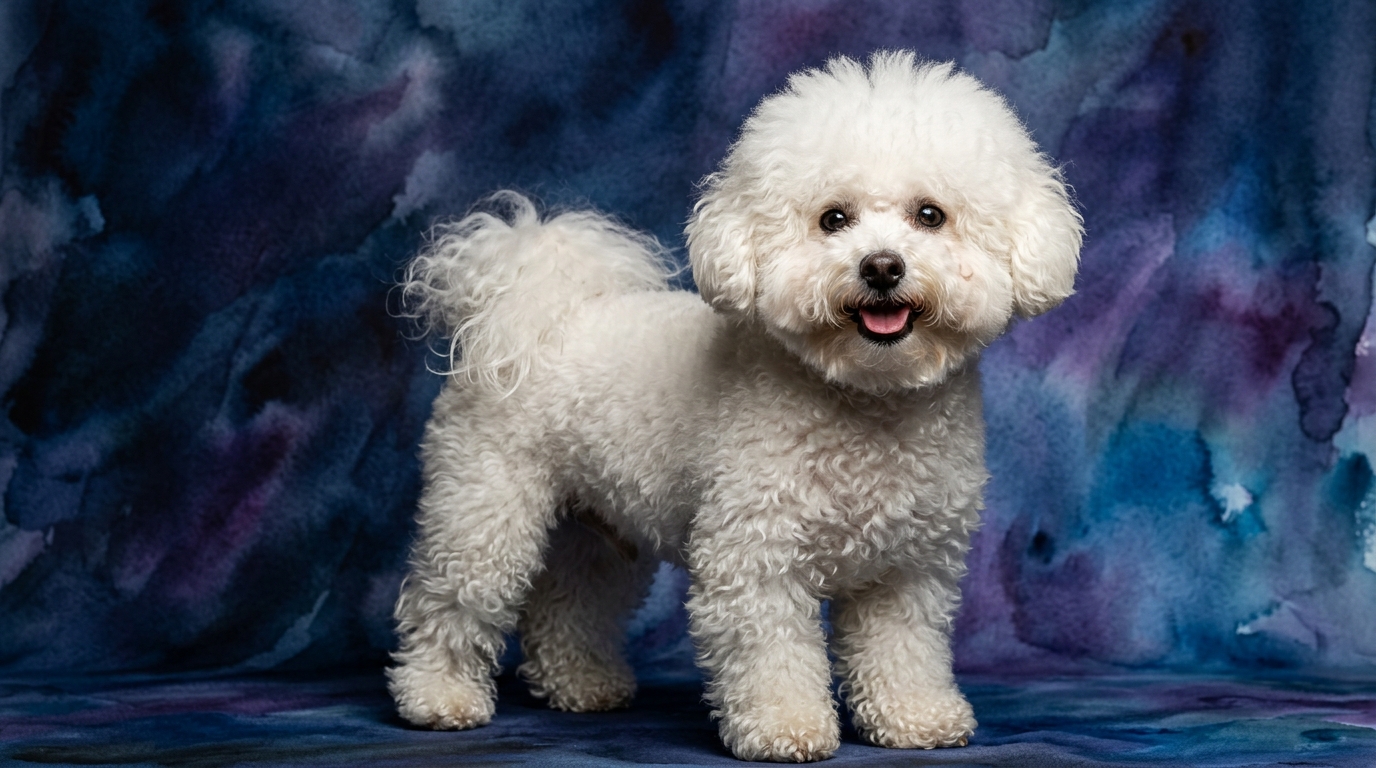
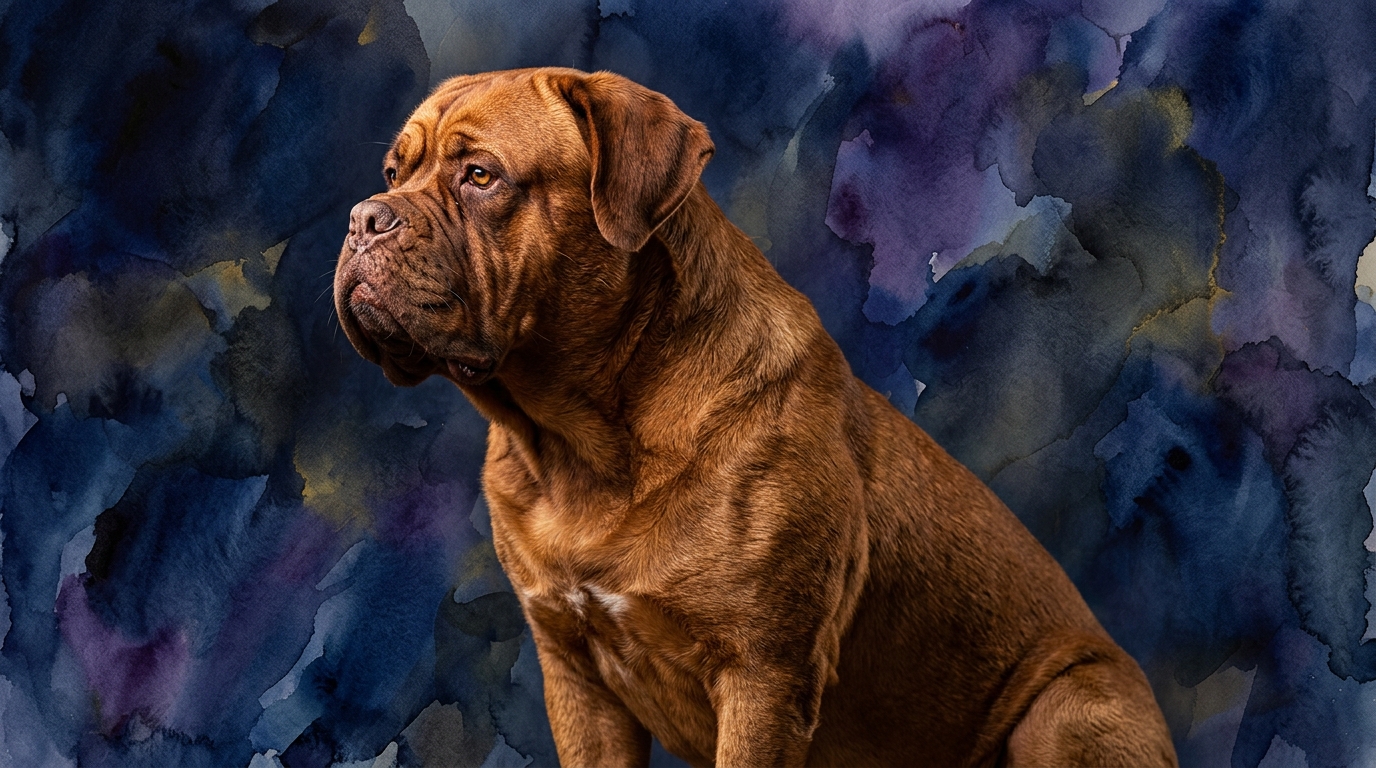
The Cosmic Pet Pet IQ Lab employs a five-dimensional model to assess canine intelligence, moving beyond simplistic labels to offer a nuanced understanding of how different breeds think and learn. For the Bichon Frisé, a Non-Sporting group member, and the Dogue de Bordeaux, a robust Working breed, these dimensions paint a compelling picture of their inherent capabilities.
Both breeds share a Problem Solving score of 3/5. This indicates a moderate capacity to independently tackle novel challenges. A Bichon Frisé with this score might, for instance, figure out how to retrieve a favorite toy from under a piece of furniture after a few attempts, perhaps through pushing or nudging. A Dogue de Bordeaux, similarly, would likely engage in a moderate level of strategic thinking to navigate a new obstacle course or solve a puzzle feeder, showing persistence but often benefiting from initial guidance.
In terms of Training Speed, both breeds again register a 3/5. This suggests they learn new commands and routines at a steady, moderate pace. Neither breed is an instant learner, nor are they particularly slow; consistent, patient, and positive reinforcement-based training methods will yield good results over time. Repetition is key, and once a command is ingrained, it tends to stick.
Social Intelligence is where we see the first significant divergence. The Bichon Frisé scores an exceptional 5/5 in this area, highlighting their profound ability to understand and respond to human cues, emotions, and complex social interactions. They are highly attuned to their human companions, often anticipating needs and thriving on close connection. The Dogue de Bordeaux, with a 3/5, possesses a moderate level of social intelligence. They form strong bonds with their families and are capable of reading basic human signals, but may not exhibit the same nuanced understanding of subtle social dynamics or emotional states as the Bichon, particularly with unfamiliar individuals.
Instinctive Drive also differentiates these breeds. The Bichon Frisé has a lower score of 2/5, meaning their natural predispositions for tasks like hunting, guarding, or herding are minimal. Their primary drive is often companionship and interaction. The Dogue de Bordeaux, conversely, registers a 3/5 in Instinctive Drive. This moderate score reflects their inherent tendencies towards protective behaviors, vigilance, and a strong sense of territory. While not overly aggressive, they possess a natural inclination to be watchful and guardian-like, stemming from their historical role.
Finally, Memory is consistent across both breeds at 3/5. This indicates a moderate ability to retain learned information, commands, and experiences over time. Both the Bichon Frisé and the Dogue de Bordeaux will remember their training and routines, although periodic refreshers might be beneficial to keep skills sharp, especially for less frequently practiced behaviors.
Where the Bichon Frisé's Cognitive Strengths Shine
The Bichon Frisé truly excels in the realm of Social Intelligence, where their perfect 5/5 score outshines the Dogue de Bordeaux's 3/5. This superior social acumen translates into a dog that is exceptionally adept at forging deep, responsive connections with humans. A Bichon Frisé can often seem to read their owner's mood, offering comfort or initiating play at just the right moment. They are highly motivated by social interaction and approval, making them incredibly engaging companions who thrive on being an integral part of family life. Their ability to pick up on subtle facial expressions, tone of voice, and body language allows them to navigate complex human social environments with remarkable ease and charm, adapting quickly to new people and situations when properly socialized.
Where the Dogue de Bordeaux's Cognitive Strengths Prevail
The Dogue de Bordeaux's cognitive advantage lies in its Instinctive Drive, scoring 3/5 compared to the Bichon Frisé's 2/5. This moderate drive reflects a deep-seated, natural inclination towards purpose-driven behaviors, particularly those associated with guardianship and protection. This isn't about aggression, but rather a profound sense of awareness and a readiness to act as a watchful presence for their family and home. A Dogue de Bordeaux often possesses an innate ability to assess situations, discerning potential threats or unusual occurrences within their environment. This cognitive trait makes them inherently attentive to their surroundings and a steadfast, protective companion, often displaying a calm confidence rooted in their natural instincts.
Training Dynamics: Which Breed Offers an Easier Path?
While both the Bichon Frisé and the Dogue de Bordeaux share a Training Speed score of 3/5, meaning they learn at a moderate pace, their differing social intelligence and instinctive drives create distinct training experiences. The Bichon Frisé's outstanding 5/5 Social Intelligence makes them highly eager to please and deeply motivated by positive human interaction and approval. This strong desire for connection often makes them *feel* easier to train for compliance and tricks, as they actively seek to engage with their trainer and respond well to praise and affection. Their lower instinctive drive also means fewer strong natural urges to redirect during training, allowing them to focus more readily on the task at hand.
Conversely, the Dogue de Bordeaux's 3/5 Social Intelligence means they are bonded but may not be as inherently motivated by subtle social cues or human approval alone. Their 3/5 Instinctive Drive, particularly their protective nature, means training must often account for and channel these natural tendencies. While capable learners, they may require a more structured, consistent, and confident approach. Training a Dogue de Bordeaux often benefits from clear boundaries, a sense of purpose, and an understanding that their motivation might stem more from a desire for order and security than purely from social affirmation. Neither is inherently 'harder' to train, but the *approach* required for each differs significantly due to their distinct cognitive wiring.
Matching Breeds to Lifestyles: Active vs. Relaxed Owners
When considering which breed aligns with an active or relaxed owner, their cognitive profiles offer valuable guidance. The Bichon Frisé, with its high Social Intelligence, thrives on constant interaction and being a central part of family activities. While they have moderate energy levels that enjoy regular walks and playtime, their primary need is social engagement. They are well-suited for owners who are home frequently, enjoy a highly interactive companion, and can provide consistent attention and mental stimulation through games and companionship. They adapt well to various living situations, including apartments, provided their social needs are met.
The Dogue de Bordeaux, with its moderate Instinctive Drive and Social Intelligence, can be a surprisingly calm presence indoors, but their protective nature and substantial size necessitate a different approach. They require moderate daily exercise to maintain physical and mental well-being, but are not typically high-energy dogs. They are best suited for owners who appreciate a steadfast, watchful companion and are prepared for a dog with a strong sense of territory. Owners should be confident, consistent leaders who can provide early and ongoing socialization, structured training, and a secure environment, such as a fenced yard, to manage their protective instincts. They can be excellent companions for relaxed owners who still prioritize consistent training and outdoor activity.
The Verdict
Choose the Bichon Frisé if you seek an exceptionally socially attuned companion who thrives on constant interaction and will be a highly responsive, engaging member of your family.
Opt for the Dogue de Bordeaux if you appreciate a calm, watchful presence with a moderate protective instinct, and are prepared to provide confident leadership and consistent training for a steadfast guardian.
🧠 Find Your Pet's IQ Score
Our Pet IQ Lab assessment covers 25+ tests across 5 cognitive dimensions — personalized to your breed.
Take the Full IQ Test →Frequently Asked Questions
Do Bichon Frisés make good family dogs?
Yes, Bichon Frisés often make excellent family dogs due to their exceptional social intelligence. They typically bond well with all family members, adapt to various dynamics, and thrive on being included in household activities, making them interactive and affectionate companions.
Are Dogue de Bordeaux dogs difficult to train?
Dogue de Bordeaux dogs are not inherently difficult to train, as they have a moderate training speed and memory. However, their moderate social intelligence and instinctive drive mean they benefit most from consistent, clear, and confident training methods that establish boundaries and channel their natural protective tendencies positively.
How much exercise do these breeds need?
The Bichon Frisé requires moderate daily exercise, enjoying walks and playtime, with a strong emphasis on social interaction. The Dogue de Bordeaux also needs moderate daily exercise to maintain their physical condition, but their activity levels are generally less intense than many working breeds, often preferring calm indoor periods interspersed with outdoor activity.