
Side-by-Side IQ Profile: Understanding Their Minds
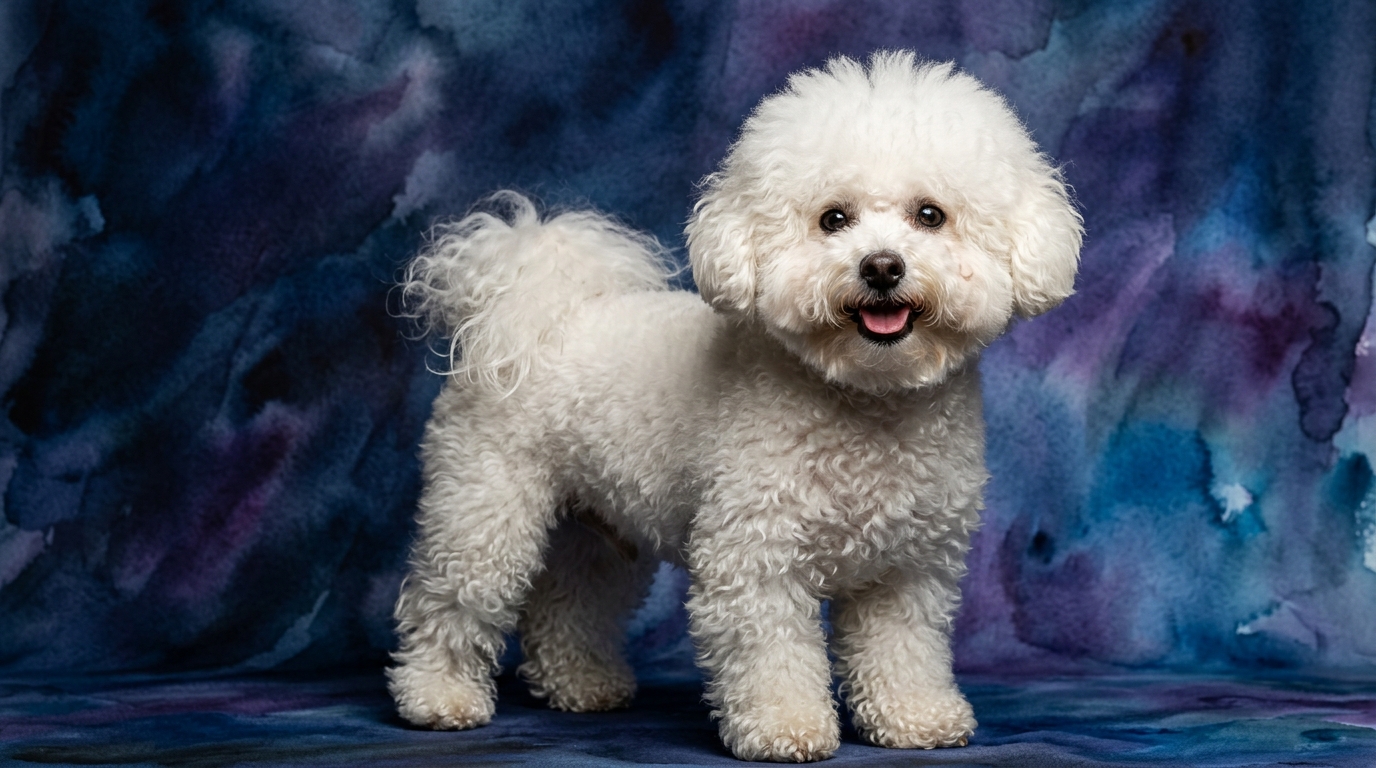
The Bichon Frisé, ranking #45 in Coren's intelligence scale, presents a cognitive profile geared towards companionship and interaction. Their problem-solving ability scores 3 out of 5, indicating a moderate capacity for navigating novel situations or figuring out puzzles. Training speed is also rated at 3 out of 5, suggesting they grasp new commands at a steady pace. Where the Bichon truly shines is in social intelligence, achieving a perfect 5 out of 5, signifying a profound ability to interpret human cues and social dynamics. Their instinctive drive is quite low at 2 out of 5, meaning they are less compelled by innate hunting or herding urges, and their memory stands at a moderate 3 out of 5.
In contrast, the English Setter, positioned at #37 on Coren's scale, demonstrates a more task-oriented cognitive makeup. Their problem-solving ability is higher than the Bichon, scoring 4 out of 5, indicating a greater aptitude for independent thought in challenging scenarios. Training speed also rates higher at 4 out of 5, suggesting a quicker uptake and retention of new instructions. Social intelligence for the English Setter is 3 out of 5, still capable but less pronounced than the Bichon's. Their instinctive drive is moderate at 3 out of 5, reflecting their heritage as gundogs, and their memory is a strong 4 out of 5, enabling them to recall complex sequences and commands over time.
Where the Bichon Frisé Excels Cognitively
The Bichon Frisé's standout cognitive strength lies squarely in its exceptional social intelligence, scoring a perfect 5 out of 5. This manifests as a remarkable capacity for empathy and understanding human emotional states, making them extraordinarily attuned companions. They are adept at reading subtle facial expressions, body language, and vocal tones, allowing them to adjust their behavior to match the mood of their household members. This high social acumen means a Bichon often anticipates needs for comfort or play, fostering deep, intuitive bonds with their people.
Furthermore, this profound social understanding contributes to their adaptability within various family structures and social settings. A Bichon can navigate complex human social dynamics with grace, rarely causing friction and often acting as a delightful, intuitive presence. While their problem-solving and training speed are moderate, their ability to connect on an emotional and social level is unparalleled in this comparison, making them masters of companionship and emotional support.
Where the English Setter Wins Cognitively
The English Setter’s cognitive profile shines brightly in areas requiring sustained focus, independent thought, and retention of learned behaviors. With a problem-solving score of 4 out of 5, they possess a greater capacity for figuring out solutions to environmental challenges or learning multi-step tasks without constant human intervention. This makes them more adept at navigating complex field scenarios or excelling in canine sports that demand strategic thinking.
Their training speed and memory, both rated 4 out of 5, are significant advantages. An English Setter can grasp new commands and sequences more rapidly and retain that information over longer periods, enabling them to build a broad repertoire of behaviors. This cognitive agility, combined with a moderate instinctive drive (3/5), means they are often eager to engage in structured activities and perform tasks, remembering intricate routes or retrieving specific items. Their Coren rank of #37 further underscores their aptitude for learning and applying knowledge in a structured environment.
Training Dynamics: Which Breed Learns Faster?
When it comes to the pure speed of acquiring new commands, the English Setter generally holds an advantage over the Bichon Frisé. The Setter's training speed rating of 4 out of 5 indicates they process and internalize instructions more quickly, making them efficient learners for complex obedience routines or specialized tasks. Their superior memory (4/5) also means that once a command is learned, it is likely to be retained for a significant duration, requiring less frequent reinforcement to maintain proficiency. This makes them well-suited for owners who enjoy teaching intricate sequences or participating in competitive dog sports.
The Bichon Frisé, with a training speed of 3 out of 5, learns at a steady but slightly slower pace. While they may take a few more repetitions to master a new cue, their exceptional social intelligence (5/5) means they are often highly motivated by pleasing their human companions. This willingness to cooperate can compensate for a slightly slower initial uptake, as they are keen observers of human intentions and desire positive interaction. However, their lower instinctive drive (2/5) means that motivation for training might need to lean more heavily on positive reinforcement, praise, and affection rather than task-oriented rewards or innate working desires.
Matching Lifestyles: Active vs. Relaxed Owners
For active owners seeking a canine partner for sports, outdoor adventures, or engaging in complex training, the English Setter is generally the more suitable choice. Their higher problem-solving ability, training speed, and memory, coupled with a moderate instinctive drive, mean they thrive on mental and physical challenges. These dogs enjoy having a 'job' to do, whether it's navigating agility courses, participating in scent work, or enjoying extensive hikes that allow them to utilize their natural senses and stamina. Their cognitive makeup demands consistent engagement to prevent boredom, making them an excellent match for individuals or families with an energetic lifestyle and a commitment to structured activities.
Conversely, the Bichon Frisé aligns beautifully with more relaxed owners who prioritize companionship and emotional connection. Their lower instinctive drive and moderate need for complex problem-solving mean they are content with regular walks, interactive play, and ample cuddle time. The Bichon's unparalleled social intelligence ensures they are deeply attuned to their owner's presence and emotions, making them ideal for individuals seeking a devoted, intuitive companion without the demand for rigorous physical or mental exertion. While they still benefit from consistent, positive training, their primary fulfillment comes from being an integral and cherished part of the family's daily life.
The Verdict
Choose the Bichon Frisé if your priority is an emotionally attuned companion who thrives on social interaction and a more relaxed daily routine, offering intuitive companionship and adaptability to family life.
Opt for the English Setter if you seek a capable, trainable partner for active pursuits, complex learning, and sustained engagement in tasks or dog sports, valuing a dog with a stronger drive for activity and structured challenges.
🧠 Find Your Pet's IQ Score
Our Pet IQ Lab assessment covers 25+ tests across 5 cognitive dimensions — personalized to your breed.
Take the Full IQ Test →Frequently Asked Questions
Does a higher Coren rank automatically mean a dog is 'smarter' for every owner?
Not necessarily; Coren's ranking primarily measures 'working and obedience intelligence,' reflecting how quickly a dog learns and obeys commands. A higher rank like the English Setter's (#37) suggests better aptitude for structured training, but a dog's suitability also depends on its social intelligence, instinctive drives, and how well these align with an owner's lifestyle and expectations.
How does social intelligence impact a dog's daily life and interaction?
High social intelligence, as seen in the Bichon Frisé (5/5), allows a dog to excel at understanding human emotions, intentions, and social cues. This translates to a more empathetic companion who can adapt to family dynamics, offer comfort when needed, and generally foster a deeper, more intuitive bond with their human companions, making daily interactions smoother and more rewarding.
Can a Bichon Frisé learn complex tricks despite its moderate training speed?
Absolutely, a Bichon Frisé with a 3/5 training speed can certainly learn complex tricks and advanced obedience. While it might require more patience and repetition compared to a breed with a 4/5 training speed, their strong social intelligence means they are highly motivated by pleasing their owners and receiving positive reinforcement, making the learning process a bonding experience.