A Side-by-Side Cognitive Profile
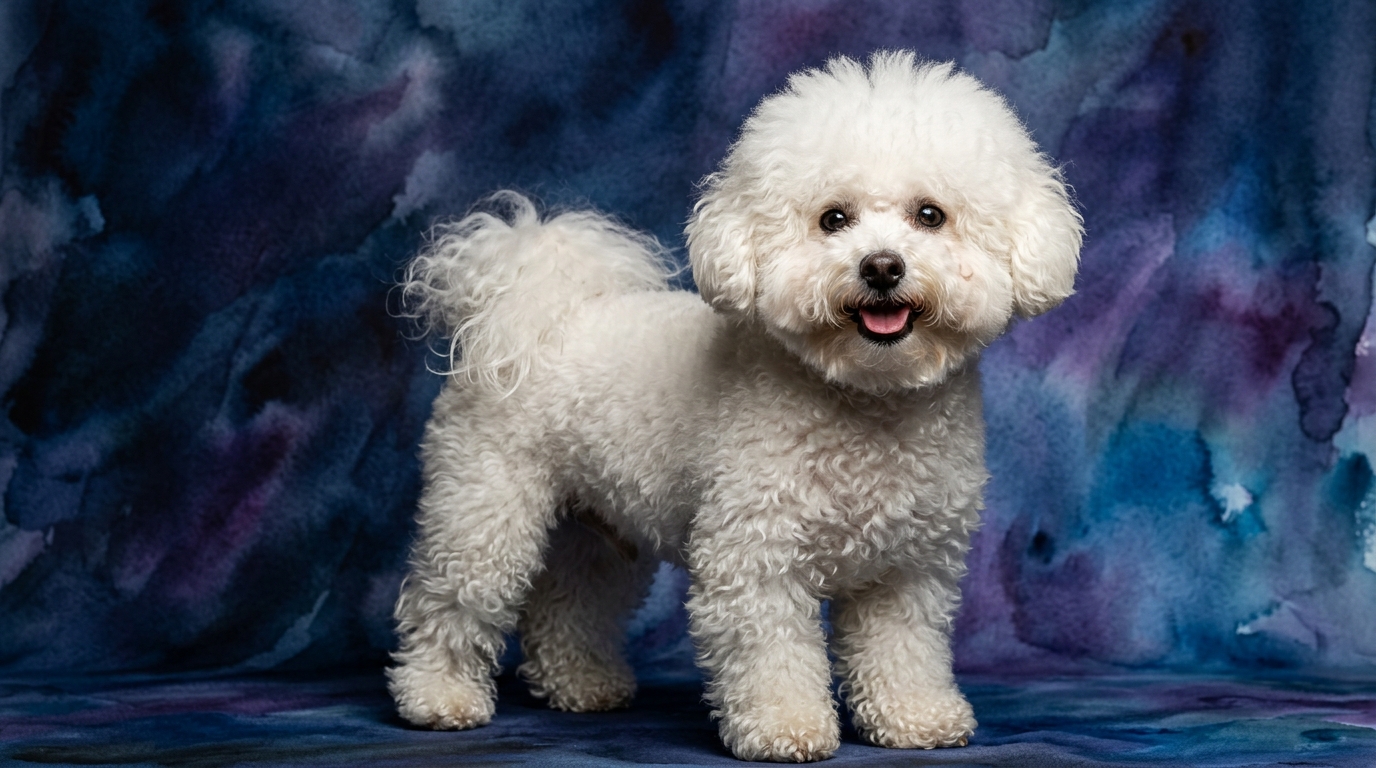
**Bichon Frisé: The Social Navigator**
Problem Solving (3/5): The Bichon demonstrates a moderate capacity for navigating novel challenges and figuring out solutions to environmental puzzles. They are capable of learning routines and adapting to new situations, but complex, multi-step problem-solving isn't their primary cognitive strength.
Training Speed (3/5): These dogs exhibit a moderate pace when acquiring new commands and behaviors. They respond well to consistent, positive reinforcement, and while they won't master new tricks in a single session, they are generally willing learners over time.
Social Intelligence (5/5): This exceptionally high score indicates a profound sensitivity to human emotions, social cues, and family dynamics, making them highly attuned companions who often anticipate their owners' needs and moods. Their ability to connect on a deep emotional level is a defining characteristic.
Instinctive Drive (2/5): The Bichon typically displays a low level of inherent drive for traditional dog "jobs" like herding, guarding, or retrieving. Their motivations are less about executing specific tasks and more about companionship and social interaction.
Memory (3/5): Their memory capacity is moderate, allowing them to recall learned commands, familiar faces, and established routines. They remember positive and negative experiences, which contributes to their responsiveness in training and their bond with their human family.
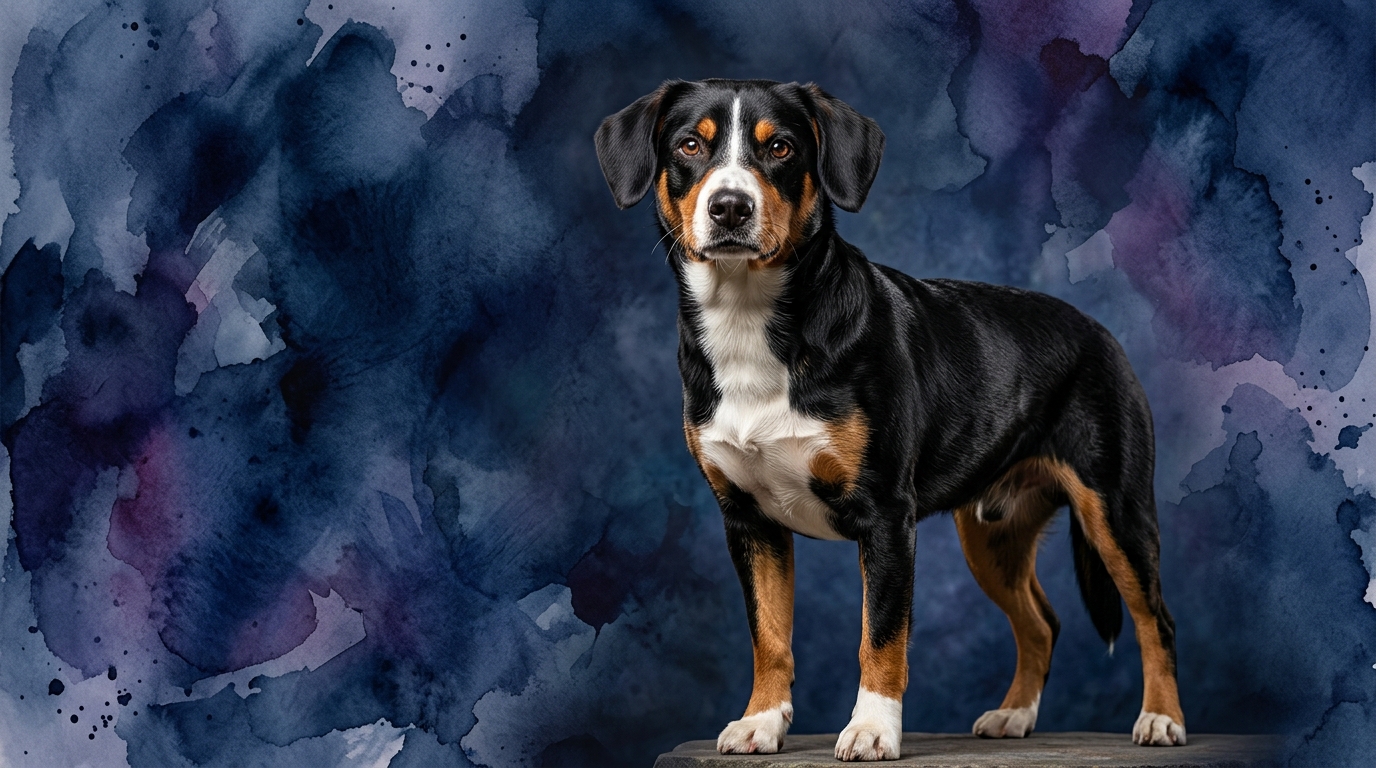
**Entlebucher Mountain Dog: The Balanced Worker**
Problem Solving (3/5): The Entlebucher also possesses a moderate ability to tackle new problems and adapt to changing circumstances. Their herding background suggests a practical intelligence for navigating livestock and terrain, but they aren't predisposed to abstract, complex cognitive puzzles.
Training Speed (3/5): Similar to the Bichon, Entlebuchers learn at a moderate pace, requiring consistent and clear instruction. Their working heritage means they often respond well to task-oriented training, finding satisfaction in purposeful activity.
Social Intelligence (3/5): With a moderate social intelligence score, the Entlebucher connects well with their family but might not exhibit the same profound emotional attunement as the Bichon. They are loyal and form strong bonds, yet they retain a degree of independence in their interactions.
Instinctive Drive (3/5): This breed shows a moderate, yet distinct, drive for work, particularly tasks related to their herding origins. This translates into a desire for purpose and activity, often manifesting as an inclination to "gather" or organize, and a general enthusiasm for engaging in physical and mental challenges.
Memory (3/5): Entlebuchers have a moderate memory, allowing them to retain training, remember people and places, and learn from past experiences. This contributes to their reliability and consistency once a behavior or routine is established.
Where the Bichon Frisé Shines Cognitively
The Bichon Frisé's standout cognitive strength lies squarely in their exceptional social intelligence, scoring a perfect 5 out of 5. This isn't just about being friendly; it signifies a deep, innate capacity to interpret human emotions, body language, and vocal nuances with remarkable precision. They often mirror their owners' moods and seek to provide comfort or engage in playful interaction based on subtle human cues.
This profound social attunement means Bichons are often masters of communication within a human family, understanding not just commands but also the underlying intent and emotional state. Their ability to form extraordinarily close, empathetic bonds makes them particularly adept at enriching human lives through companionship, distinguishing them significantly from breeds with a more moderate social awareness.
Where the Entlebucher Mountain Dog Excels Cognitively
The Entlebucher Mountain Dog's cognitive advantage manifests through its more pronounced instinctive drive, scoring 3 out of 5 compared to the Bichon's 2 out of 5. This difference, while numerically small, reflects a fundamental distinction in their inherent motivations and cognitive focus. Their herding lineage means they possess a natural inclination towards purpose-driven activities, often displaying a keen interest in movement, boundaries, and organization.
This moderate drive provides the Entlebucher with a practical, applied form of cognition, making them more inclined to engage in structured tasks, learn complex sequences for work, and exhibit a focused determination when given a job to do. Their cognitive strengths are geared towards effective execution and problem-solving within a functional, active context, rather than primarily social interaction.
Training: Nuances in Learning Engagement
Both the Bichon Frisé and the Entlebucher Mountain Dog share a Training Speed score of 3 out of 5, suggesting they acquire new commands at a moderate pace. However, the *ease* and *method* of training can differ significantly due to their other cognitive profiles. The Bichon's exceptional social intelligence means they are often highly motivated by praise, positive attention, and the desire to please their human companions. They thrive on social rewards, making relationship-based training particularly effective for obedience and household manners.
Conversely, while the Entlebucher also learns at a steady rate, their moderate instinctive drive and more independent social intelligence suggest they might respond best to training that incorporates purpose and activity. They are often more engaged when tasks have a clear objective, such as agility, herding games, or scent work. Their independence means they might require a more consistent and firm, yet always positive, approach to ensure their focus remains on the trainer rather than their environment or inherent impulses.
Matching Canine Minds to Lifestyles: Active vs. Relaxed Owners
For individuals seeking a more relaxed pace of life, the Bichon Frisé often presents an ideal cognitive match. Their lower instinctive drive (2/5) means they are generally content with moderate daily exercise, such as short walks and indoor play, and their primary cognitive fulfillment comes from close social interaction and companionship. They are adept at adapting to a home-centric lifestyle, finding joy in being part of family routines and emotional exchanges rather than needing constant physical or task-oriented challenges.
The Entlebucher Mountain Dog, with its moderate instinctive drive (3/5) and herding background, is better suited for active owners who can provide consistent outlets for their physical energy and cognitive engagement. These dogs thrive on activities that challenge both their bodies and minds, such as long hikes, regular training sessions, dog sports like agility, or even simply having a "job" to do around the house or yard. Their cognitive makeup benefits from purposeful activity, making them less suited for a sedentary lifestyle.
The Verdict
Opt for the Bichon Frisé if your primary desire is a deeply empathetic, socially attuned companion who thrives on close human interaction and a more relaxed daily routine. Their cognitive strengths are in forging profound emotional bonds and enriching home life through their amiable presence.
Select the Entlebucher Mountain Dog if you are an active owner seeking a loyal, purpose-driven companion who enjoys engaging in tasks, outdoor activities, and appreciates a mentally stimulating lifestyle. Their balanced cognitive profile excels in functional roles and structured engagement.
🧠 Find Your Pet's IQ Score
Our Pet IQ Lab assessment covers 25+ tests across 5 cognitive dimensions — personalized to your breed.
Take the Full IQ Test →Frequently Asked Questions
Is the Bichon Frisé easy to live with for first-time dog owners?
Yes, their high social intelligence and moderate training speed make them adaptable to new owners who are consistent with positive reinforcement. They thrive on companionship and are generally eager to please, simplifying the learning curve for new dog parents.
Do Entlebucher Mountain Dogs require extensive mental stimulation?
Entlebuchers benefit significantly from regular mental stimulation due to their herding lineage and moderate instinctive drive. Engaging them in training, puzzle toys, and purposeful activities helps channel their energy constructively and keeps their minds sharp.
How do their memory scores impact their suitability as pets?
Both breeds have a moderate memory score (3/5), meaning they effectively remember commands, routines, and experiences. This ensures they can be reliably trained and form lasting bonds, remembering their human family and learned behaviors consistently.