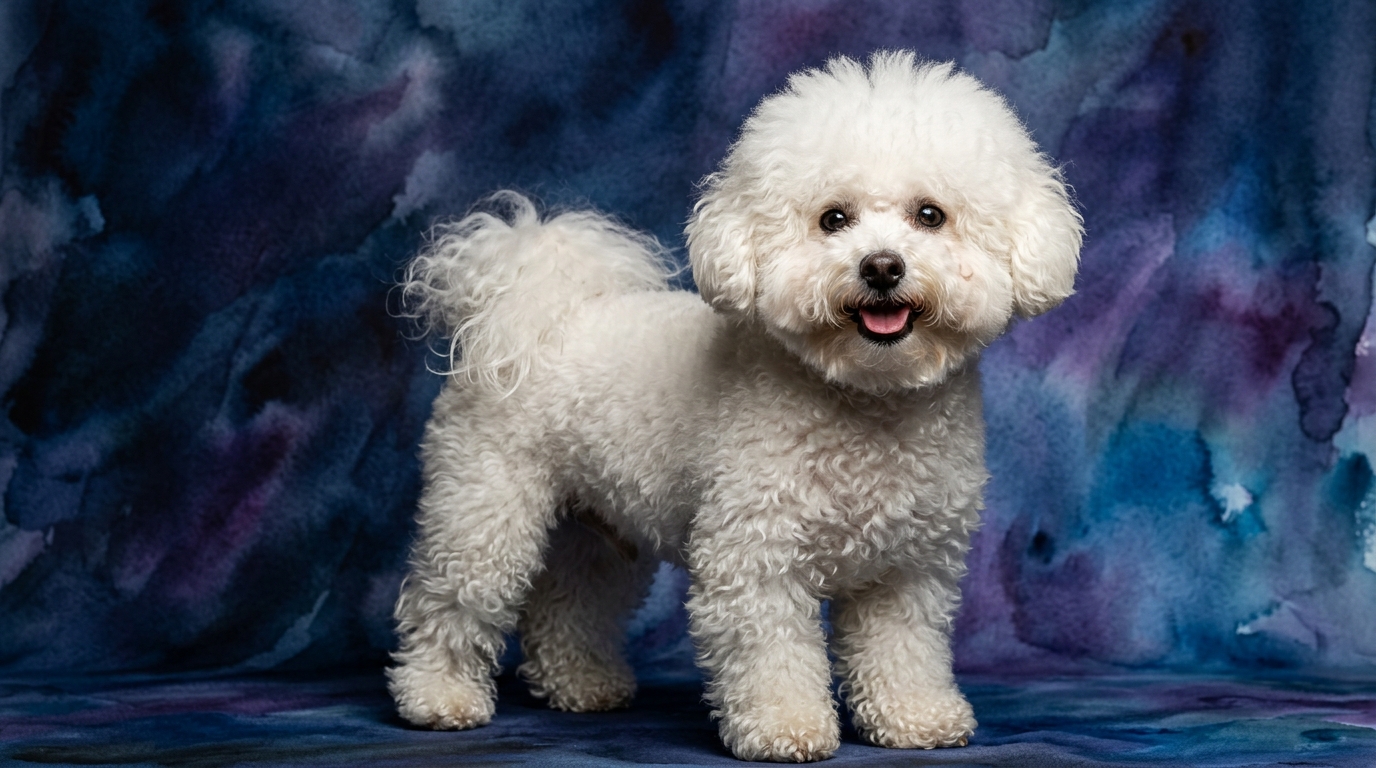
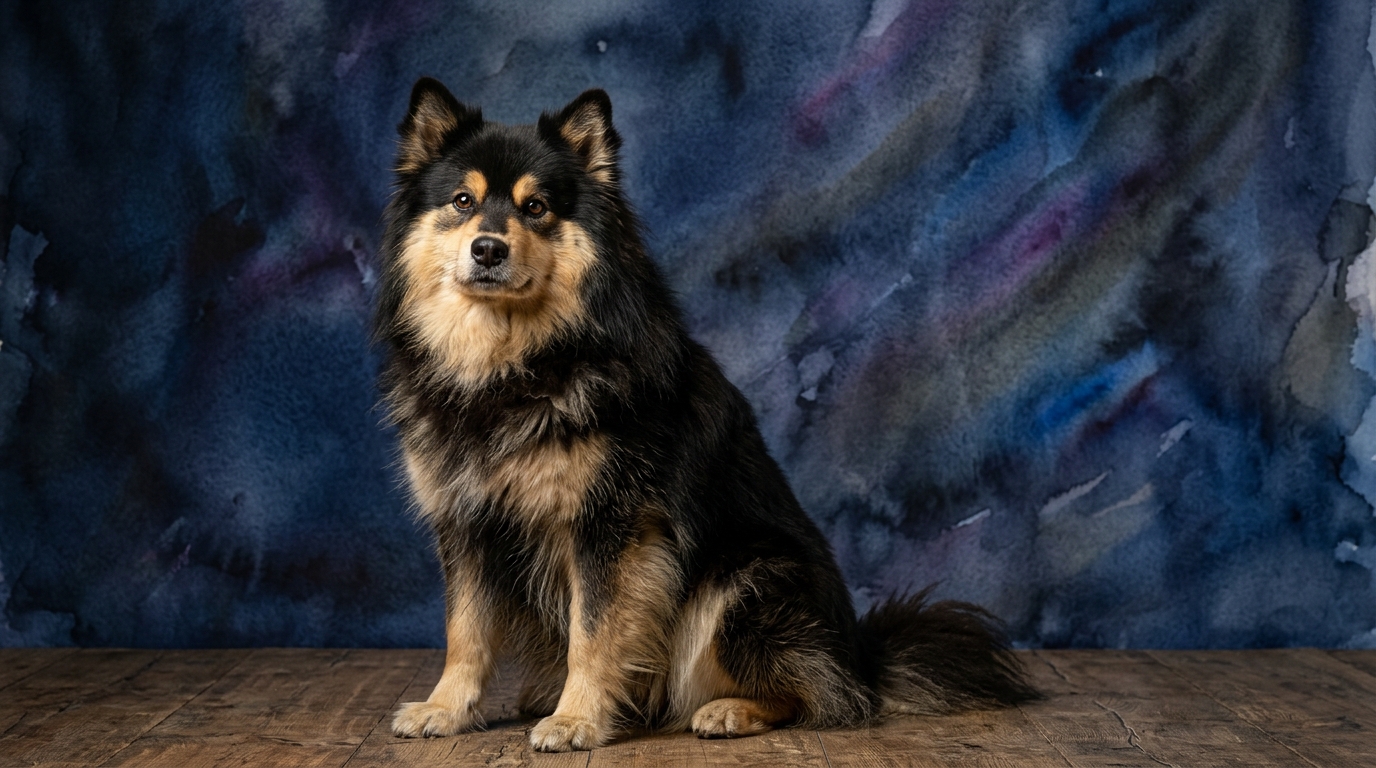
Side-by-Side IQ Profile: Bichon Frisé vs. Finnish Lapphund
The Bichon Frisé presents a fascinating cognitive profile, beginning with a Problem Solving score of 3/5. This indicates a moderate capacity for navigating novel challenges, where they can figure out basic puzzles or manipulate objects through learned behaviors and some trial-and-error, rather than complex abstract reasoning. Their Training Speed also stands at 3/5, suggesting they absorb new commands and routines at an average pace; consistent, clear communication is essential, but they are neither exceptionally quick nor particularly slow learners. The breed’s most distinguishing cognitive strength is its exceptional Social Intelligence, scoring a perfect 5/5. This means they are profoundly attuned to human emotions, subtle social cues, and intricate relationship dynamics, often anticipating their owner's needs and responding with remarkable empathy. In contrast, their Instinctive Drive is a low 2/5, reflecting their long history as companion animals rather than working dogs; they typically exhibit minimal prey drive, herding instincts, or territorial aggression, prioritizing social interaction above independent tasks. Finally, their Memory is rated 3/5, signifying an average capacity for retaining learned commands, routines, and past experiences, sufficient for daily life and consistent training.
The Finnish Lapphund, rooted in a working heritage, offers a distinct cognitive makeup. Like the Bichon, their Problem Solving ability is rated 3/5, indicating a moderate capacity to tackle new challenges. Their solutions often reflect their herding background, such as finding indirect routes or using their body to influence movement, showcasing practical rather than abstract reasoning. Their Training Speed mirrors the Bichon at 3/5; they learn new tasks at an average pace, but their independent streak, a hallmark of herding breeds, might necessitate more engaging and varied training methods to maintain their focus. Their Social Intelligence is a solid 3/5, demonstrating a good understanding of social cues and interactions, particularly within their trusted family unit. While not as overtly people-centric as the Bichon, they form strong, loyal bonds and communicate effectively. The Lapphund’s Instinctive Drive, however, is a higher 3/5. This score is a direct manifestation of their ancestral role as reindeer herders, imbuing them with a natural inclination to gather, patrol, or respond keenly to movement. This inherent drive requires appropriate mental and physical outlets to prevent boredom or misdirected behaviors. Their Memory also scores 3/5, allowing them to recall training, spatial layouts, and familiar individuals with average proficiency, which serves them well in their traditional roles and modern companionship.
Where the Bichon Frisé Wins Cognitively
The Bichon Frisé distinctly excels in social intelligence, scoring a perfect 5/5 compared to the Finnish Lapphund's 3/5. This superior social acumen means a Bichon is exceptionally adept at discerning human moods, interpreting subtle vocal inflections, and responding appropriately to non-verbal cues. They often anticipate their owner's desires, offering comfort or initiating play based on perceived emotional states, demonstrating a profound empathic connection. This remarkable ability to "read the room" and adapt their behavior to suit the social context is unparalleled, fostering deep, reciprocal bonds that significantly enrich the human-animal relationship. Their knack for understanding and responding to the nuances of human interaction makes them incredibly intuitive and responsive companions, often appearing to communicate on a deeper, almost telepathic level.
Where the Finnish Lapphund Wins Cognitively
The Finnish Lapphund's cognitive edge lies in its instinctive drive, scoring 3/5 against the Bichon's 2/5. This heightened drive is a direct legacy of their herding ancestry, manifesting as a persistent desire to engage with their environment and fulfill a perceived purpose. They possess a natural inclination to observe, patrol, and influence movement, even if it's just gathering family members or "organizing" toys. This isn't merely about physical energy; it's a profound cognitive readiness to act on intrinsic motivations, often showing initiative in exploring or "managing" their surroundings. This robust drive equips them with a proactive problem-solving approach rooted in their working heritage, giving them a distinct advantage in tasks requiring independent thought, sustained focus on a goal, and a degree of self-sufficiency. This inner motivation is a powerful force that shapes their engagement with the world.
Training Dynamics: Which is Easier and Why?
Both the Bichon Frisé and the Finnish Lapphund share a Training Speed score of 3/5, suggesting they absorb new commands at a similar average pace. However, the *experience* of training them can differ significantly due to their other cognitive strengths. The Bichon Frisé's outstanding social intelligence (5/5) means they are often highly motivated by human interaction, praise, and the desire to maintain harmonious relationships. This innate eagerness to please and responsiveness to their owner's enthusiasm can make training feel smoother and more rewarding for the owner, as the Bichon actively seeks to understand and comply. Their lower instinctive drive (2/5) also means fewer competing internal distractions from inherent urges like chasing or herding, allowing them to focus more readily on the task at hand and the social reward of pleasing their human.
Conversely, while the Finnish Lapphund also learns at an average speed, their higher instinctive drive (3/5) and slightly lower social intelligence (3/5) can introduce different training dynamics. Lapphunds are often independent thinkers, a trait invaluable in a herding dog that must make decisions autonomously. This independence can sometimes be perceived as stubbornness in a training context; they might question commands or require a stronger "why" before complying, especially if their instincts suggest an alternative action. Training a Lapphund often benefits from incorporating their natural drives into engaging activities, like advanced fetch, scent work, or agility, rather than solely relying on rote obedience. Their natural inclination to work and problem-solve means they respond well to mentally stimulating tasks that challenge their cognitive abilities. Therefore, while both learn at a similar rate, the Bichon often feels "easier" to train due to its innate social compliance and desire for approval, whereas the Lapphund requires a more nuanced, engaging approach that respects its working dog heritage and independent spirit, turning training into a collaborative problem-solving endeavor.
Lifestyle Suitability: Active vs. Relaxed Owners
For relaxed owners seeking a devoted lap companion, the Bichon Frisé often presents a more fitting choice. Their exceptionally high social intelligence (5/5) means they thrive on constant human companionship and derive immense satisfaction from being part of family activities, even if those activities are simply lounging together. This profound need for connection makes them incredibly adaptable to various home environments, as long as they are with their people. Their lower instinctive drive (2/5) indicates less intrinsic need for intense physical tasks or independent problem-solving, making them content with moderate daily walks and indoor play sessions. They are well-suited to apartment living and value the emotional connection above all else, making them perfect for owners who prioritize cuddles, gentle interaction, and a constant, loving presence.
Conversely, active owners who enjoy engaging their dogs in purpose-driven activities will find the Finnish Lapphund to be a highly rewarding partner. Their higher instinctive drive (3/5) and herding background mean they possess a robust desire for mental and physical stimulation. They excel in activities like agility, obedience, herding trials, or even long, exploratory hikes, where their problem-solving ability (3/5) and inherent drive can be channeled constructively. While they possess good social intelligence (3/5) and form strong family bonds, they are not content to merely observe; they need to participate and have a "job" or a meaningful activity to engage their minds. Owners who can provide consistent exercise, varied training challenges, and opportunities for exploration will find the Lapphund a vibrant, engaged, and fulfilling companion, far more suited to a dynamic lifestyle that actively involves their dog.
The Verdict
Choose the Bichon Frisé if you prioritize an exceptionally socially attuned companion who thrives on deep emotional connection and is content with a more relaxed pace of life.
Opt for the Finnish Lapphund if you seek a proactive, engaged partner for an active lifestyle, one who appreciates purpose-driven activities and independent challenges.
🧠 Find Your Pet's IQ Score
Our Pet IQ Lab assessment covers 25+ tests across 5 cognitive dimensions — personalized to your breed.
Take the Full IQ Test →Frequently Asked Questions
Do Bichon Frisés need a lot of mental stimulation?
While not possessing a high instinctive drive, Bichons do benefit from mental engagement to keep their 3/5 problem-solving skills sharp. Short training sessions, puzzle toys, and new social experiences prevent boredom and maintain their cognitive health.
Are Finnish Lapphunds good with children?
Finnish Lapphunds, with their 3/5 social intelligence, are generally patient and good with children, especially when raised together. Their herding instincts might cause them to gently "herd" kids, so supervision and teaching appropriate interactions are important.
How do their memory scores impact training?
Both breeds score 3/5 in memory, indicating they retain learned information at an average rate. This means consistent, positive reinforcement training will be effective, but occasional refreshers may be necessary to solidify commands and routines over time.