Side-by-Side IQ Profile: Bichon Frisé vs. Ibizan Hound
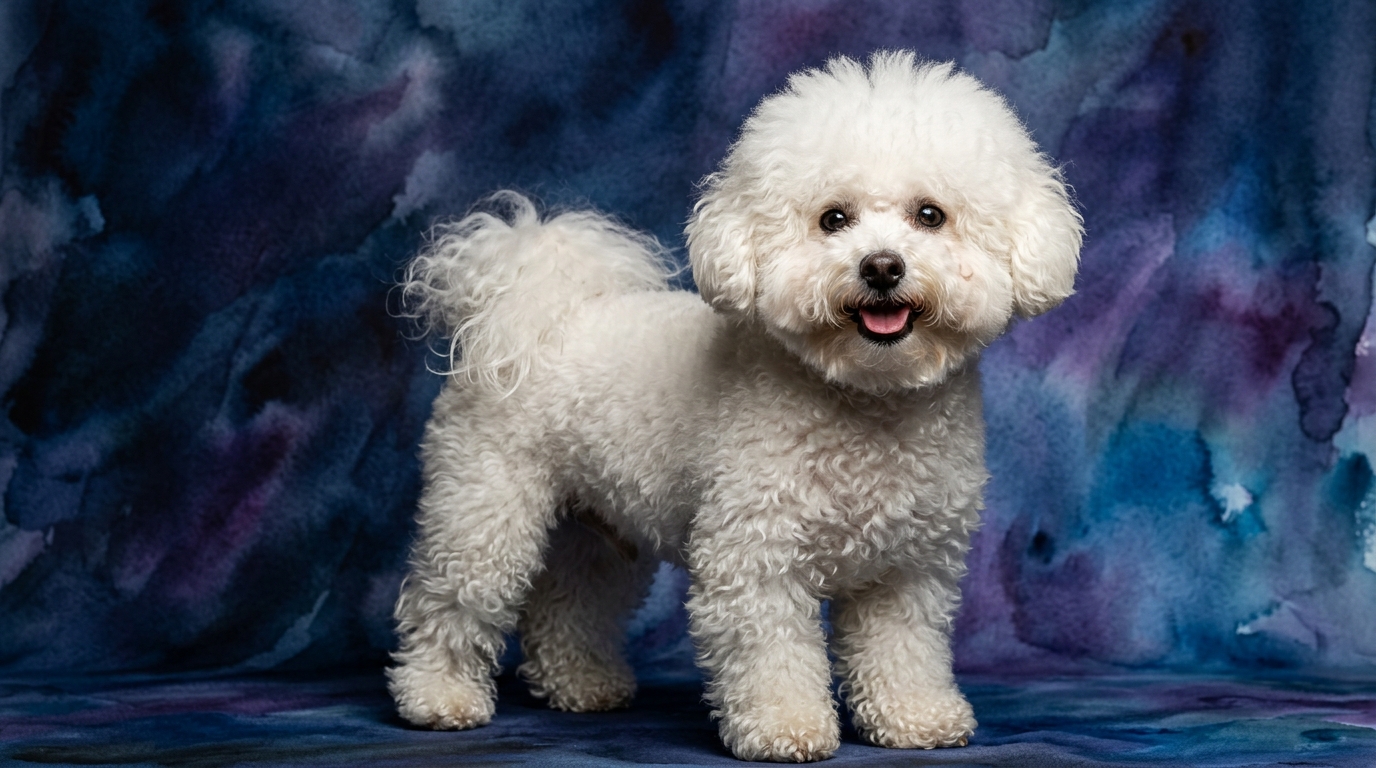
The Cosmic Pet Pet IQ Lab provides a nuanced view of canine cognition, moving beyond simple labels to illuminate specific intellectual dimensions. The Bichon Frisé, securing a Coren rank of #45, demonstrates a solid capacity for understanding and retaining new commands. Their problem-solving ability, rated at 3 out of 5, suggests a moderate aptitude for navigating challenges, such as figuring out how to retrieve a cherished toy from a tight spot or manipulating simple puzzle feeders. They learn new behaviors at an average pace, reflected by their 3/5 training speed, indicating that consistent positive reinforcement yields reliable results without excessive repetition. Where the Bichon truly shines is in social intelligence, earning a perfect 5 out of 5. This breed possesses an extraordinary attunement to human emotions, subtle vocal inflections, and body language, making them profoundly empathetic and responsive companions. Their instinctive drive, a low 2 out of 5, means they generally lack strong independent hunting or guarding urges, preferring human interaction over solitary pursuits. Finally, their memory, rated 3 out of 5, ensures they retain routines, learned commands, and associations with people and places effectively for daily life.
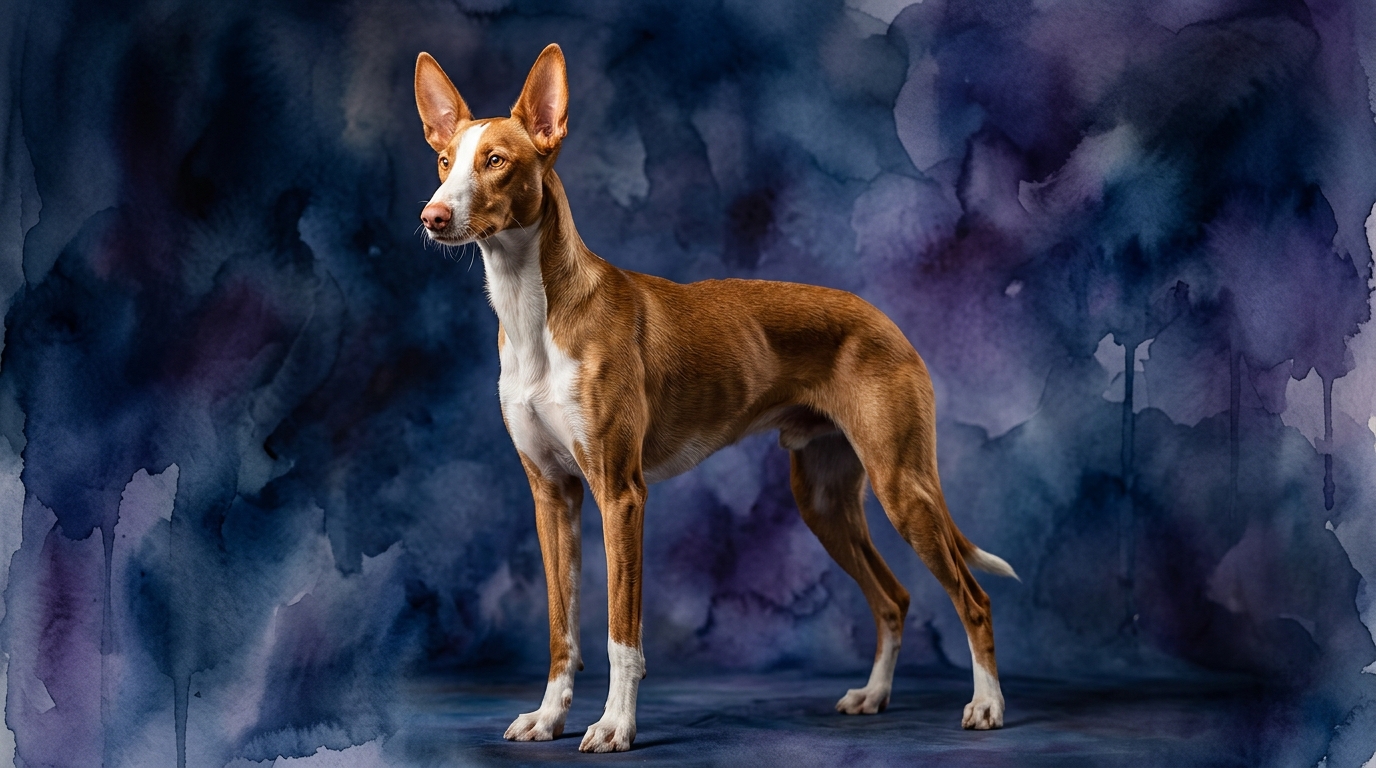
In contrast, the Ibizan Hound, with a Coren rank of #53, also exhibits a capable learning curve, though positioned slightly lower than the Bichon. Their problem-solving skills match the Bichon at 3 out of 5, but this aptitude often manifests differently, geared towards environmental navigation and strategic pursuit, reflecting their ancient sighthound heritage. Training speed is also an average 3 out of 5, yet their independent nature can sometimes make learning appear slower if motivation isn't precisely aligned with their drives. The Ibizan Hound’s social intelligence registers at 3 out of 5; while affectionate and loyal to their chosen family, they may not display the same overt emotional responsiveness or fine-tuned sensitivity to human nuances as the Bichon. Their instinctive drive, a moderate 3 out of 5, is a defining characteristic, embodying their heritage as swift, independent hunters with a strong prey drive and a natural inclination for chasing and exploration. Memory, like the Bichon, is rated 3 out of 5, allowing them to recall commands and routines, though their strong instincts might occasionally override learned behaviors in compelling situations.
Where the Bichon Frisé Wins Cognitively
When we delve into specific cognitive strengths, the Bichon Frisé undeniably holds an edge in social intelligence. Rated a perfect 5 out of 5, their capacity to interpret and respond to human emotions, intentions, and subtle cues is truly remarkable. This isn't merely about being 'friendly'; it's a sophisticated understanding of their human companions' inner states, allowing them to offer comfort, anticipate needs, and engage in deeply reciprocal interactions. This acute social awareness makes them exceptional companions, intuitive with children, and remarkably adaptable to various household dynamics, as they quickly learn the social rules and expectations of their environment. Their eagerness to engage and please stems directly from this profound social attunement, facilitating smoother integration into family life and fostering strong emotional bonds. This cognitive strength means a Bichon often seems to "understand" what you're feeling, responding with empathetic gestures or playful antics designed to lighten the mood. Furthermore, their lower instinctive drive, at 2 out of 5, while not a cognitive 'win' in itself, presents a significant advantage in a domestic setting. This reduced innate urge for independent hunting or territorial patrolling means fewer challenges with managing prey drive, less inclination to wander off in pursuit of scents or movement, and generally a more focused attention on their human family. This allows their strong social intelligence to truly flourish without being constantly overshadowed by competing primal instincts, making them exceptionally present and engaged companions.
Where the Ibizan Hound Wins Cognitively
The Ibizan Hound, while possessing a different cognitive profile, showcases distinct strengths that are equally compelling. Their instinctive drive, rated at a moderate 3 out of 5, represents a significant advantage for owners who appreciate and seek to channel these inherent sighthound behaviors. This drive is not merely a 'prey drive'; it encompasses an innate ability to spot, track, and pursue, coupled with exceptional agility and endurance. This makes them outstanding candidates for activities like lure coursing, where they can fully express their natural athleticism and strategic pursuit patterns, or for active roles in tracking and scent work where their independent problem-solving (also 3/5) can be applied to real-world tasks. While their problem-solving ability is numerically matched with the Bichon, the context and application differ profoundly. An Ibizan's problem-solving often manifests as cleverness in navigating complex outdoor environments, finding the most efficient path during a chase, or strategizing how to overcome an obstacle to reach a perceived target. This independence, stemming from their history as solo or small-group hunters, means they are adept at making decisions on their own, a trait that can be both admirable and challenging in training. Their cognitive strengths lie in their capacity for independent action and their physical prowess, making them uniquely suited for roles that demand self-reliance and the vigorous application of their natural instincts in a structured, enjoyable manner.
Which Is Easier to Train and Why
When comparing ease of training, the Bichon Frisé generally presents a more straightforward path for most owners. Their exceptional social intelligence (5/5) is the primary factor here; Bichons are deeply motivated by human interaction, praise, and approval. They actively seek to engage with their trainers and are highly sensitive to feedback, making them eager participants in learning new commands and tricks. While their training speed is an average 3 out of 5, their willingness to please and their low instinctive drive (2/5) mean they are less likely to be distracted by external stimuli like squirrels or distant scents. This focus on their human counterpart allows for more consistent learning sessions, as they are less prone to sudden bursts of independent action or a strong desire to follow their nose or eyes. Positive reinforcement, coupled with their desire for companionship, makes the Bichon a highly responsive and generally cooperative student.
In contrast, the Ibizan Hound, despite an identical 3/5 training speed, can be more challenging to train due to their moderate social intelligence (3/5) and a more pronounced instinctive drive (3/5). While capable learners, Ibizans are often described as independent thinkers; they are less inherently driven by human approval and more by their own internal motivations and the call of their sighthound heritage. This means that while they can certainly learn a wide array of commands, their compliance might be conditional on whether they perceive value in the interaction, or if a more compelling instinct (like spotting something to chase) suddenly takes precedence. Training an Ibizan requires immense patience, creativity, and a deep understanding of their sighthound nature, often focusing on building a strong relationship through positive reinforcement that taps into their love for movement and specific rewards, rather than relying solely on their desire to please.
Which Suits Active Owners vs. Relaxed Owners
The choice between a Bichon Frisé and an Ibizan Hound also hinges significantly on an owner's lifestyle and activity level. The Bichon Frisé, with its lower instinctive drive (2/5) and moderate energy requirements, is an excellent match for relaxed to moderately active owners. They thrive on companionship and social interaction, content with daily walks around the neighborhood, indoor playtime, and plenty of cuddle sessions on the sofa. Their primary need is for consistent human presence and engagement, rather than intense physical exertion or independent tasks. They adapt well to apartment living, provided their social and moderate exercise needs are met. For individuals or families who prefer a calm home environment and derive joy from a dog's affectionate presence, the Bichon offers a rewarding partnership without demanding strenuous outdoor adventures.
Conversely, the Ibizan Hound is unequivocally suited for active owners. Their sighthound heritage and moderate instinctive drive (3/5) translate into a profound need for significant physical exercise, particularly opportunities to run at full speed. These dogs are built for chasing and need secure, expansive off-leash areas or structured activities like lure coursing to truly thrive. Daily brisk walks are insufficient; they require outlets for their natural athleticism and the application of their chase instincts in a safe manner. Owners who enjoy running, hiking, or participating in dog sports will find the Ibizan an eager and capable partner. Their independence also means they appreciate having 'jobs' or activities that engage their minds and bodies, making them less suited for a purely sedentary lifestyle.
The Verdict
Choose the Bichon Frisé for individuals or families seeking a highly responsive, emotionally attuned companion dog that thrives on social interaction and requires moderate exercise.
Choose the Ibizan Hound for active owners who appreciate an independent, athletic sighthound, are prepared for consistent training, and can provide ample opportunities for running and instinctual expression.
🧠 Find Your Pet's IQ Score
Our Pet IQ Lab assessment covers 25+ tests across 5 cognitive dimensions — personalized to your breed.
Take the Full IQ Test →Frequently Asked Questions
Are Bichon Frisés good for first-time dog owners?
Yes, Bichon Frisés are often a suitable choice for first-time dog owners due to their high social intelligence, eagerness to please, and moderate exercise needs. Their adaptable nature and responsiveness to positive reinforcement make the training process generally smoother.
Do Ibizan Hounds need a lot of space?
Ibizan Hounds require considerable space for exercise, ideally a securely fenced yard where they can run freely. While they can adapt to indoor living, their need for regular, intense physical activity means they are not suited for cramped environments without ample outdoor access.
How do their Coren ranks compare in real-world scenarios?
The Coren ranks (#45 for Bichon, #53 for Ibizan) suggest both breeds are capable learners, but their application of intelligence differs. The Bichon's higher social intelligence makes them appear more compliant and eager to learn human-centric tasks, while the Ibizan's independence and instinctive drive mean their learning might be more task-oriented and less focused on pleasing.