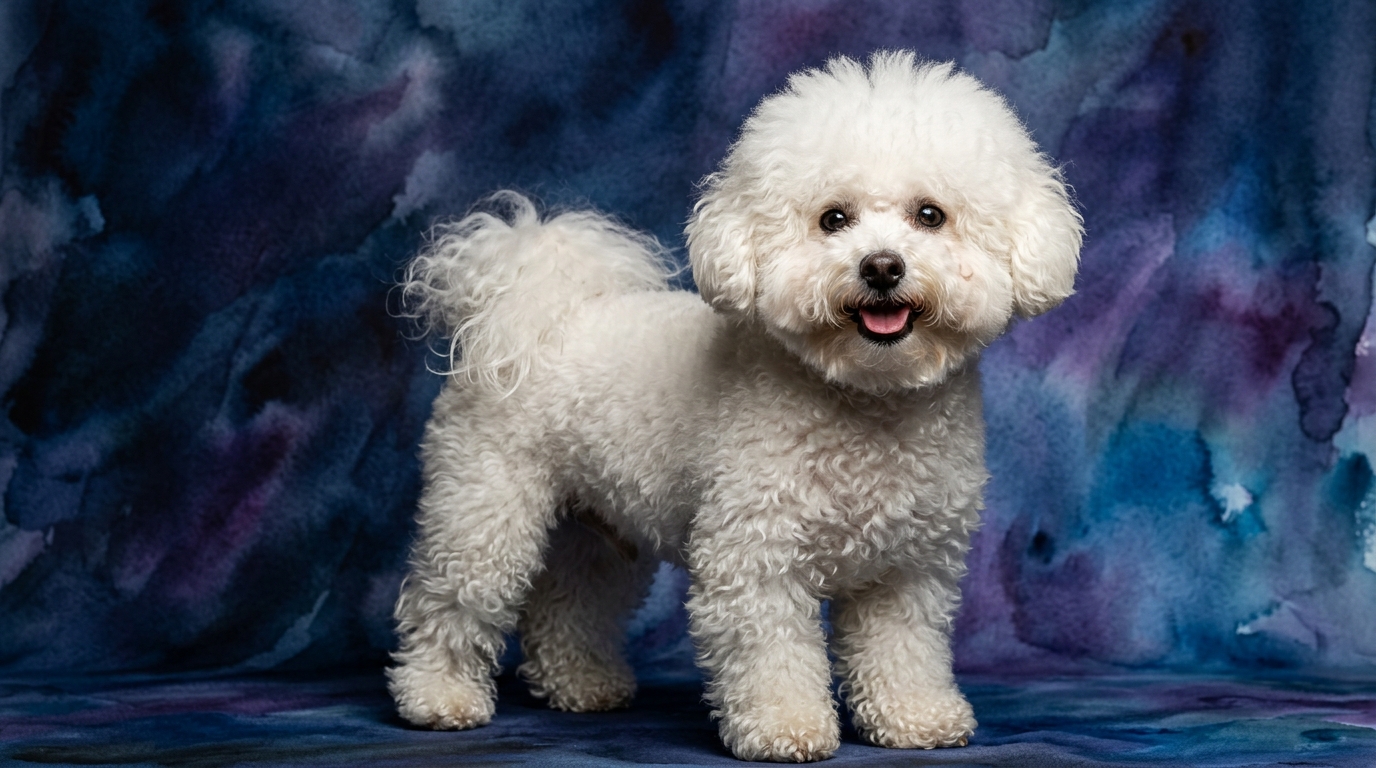
Side-by-Side IQ Profile: Bichon Frisé
The Bichon Frisé, a delightful member of the Non-Sporting group, showcases a distinctive cognitive blueprint. Their Problem Solving ability registers at a respectable 3/5, indicating a moderate capacity to navigate novel situations and figure out solutions to environmental challenges. Training Speed also sits at 3/5, suggesting they absorb new commands and routines at an average pace, responsive to consistent guidance.
A standout feature is their exceptional Social Intelligence, scoring a perfect 5/5; this reflects a profound understanding of human emotions, social cues, and an innate desire for connection, making them highly attuned companions. Their Instinctive Drive is lower at 2/5, meaning they possess less inherent motivation for tasks traditionally associated with working breeds, such as hunting or herding. Finally, their Memory is rated 3/5, allowing them to retain learned behaviors and experiences reasonably well over time.
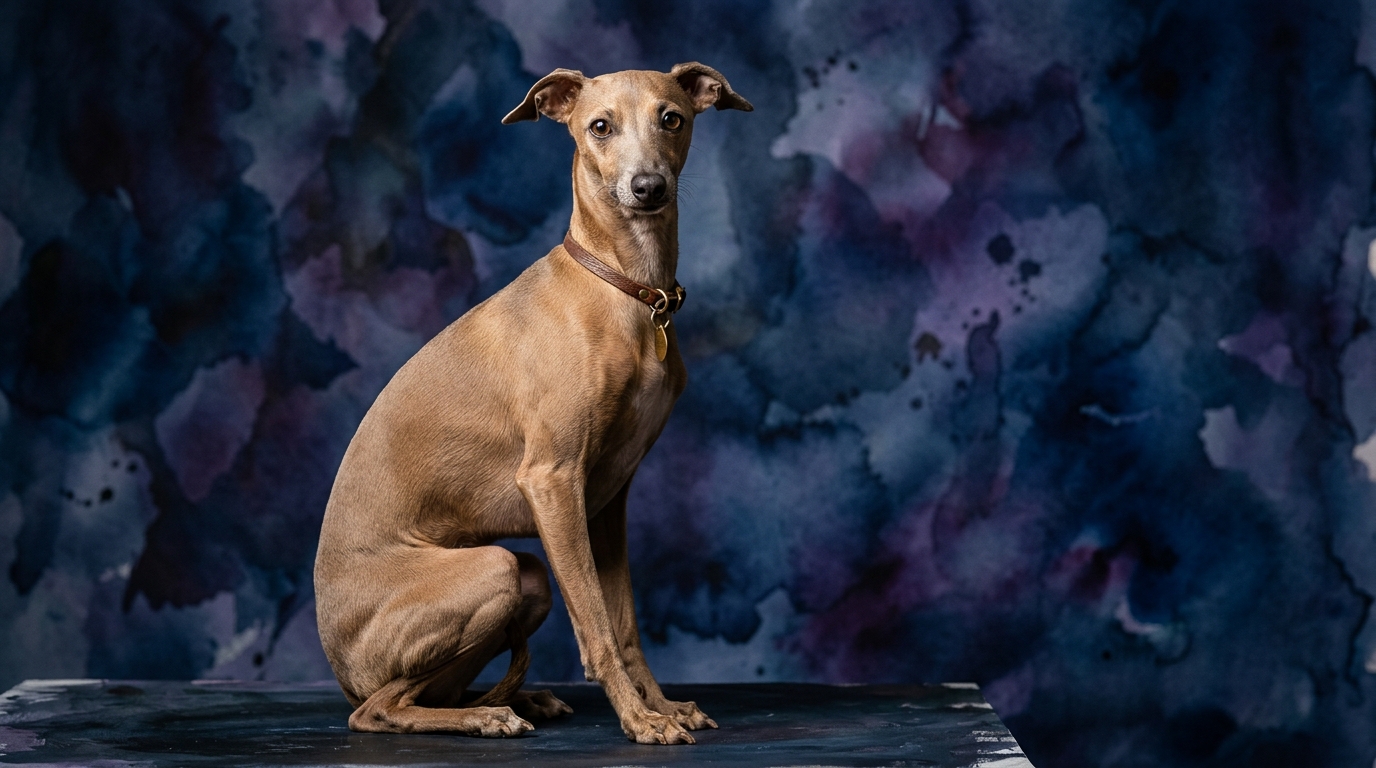
Side-by-Side IQ Profile: Italian Greyhound
The Italian Greyhound, a graceful member of the Toy group, presents a balanced yet distinct cognitive profile. Like the Bichon, their Problem Solving capacity is rated 3/5, demonstrating an average aptitude for tackling new mental puzzles and adapting to changing scenarios. Their Training Speed also matches at 3/5, implying they can learn new tasks and commands with moderate effort and repetition from their guardians.
Where they differ notably is in Social Intelligence, scoring 3/5; while capable of forming strong bonds, they may exhibit a more independent streak or require clearer communication compared to the Bichon. Their Instinctive Drive is rated 3/5, slightly higher than the Bichon, hinting at a more pronounced, albeit still moderate, innate drive, often manifesting as a keen interest in chasing small, fast-moving objects, characteristic of their sighthound heritage. Their Memory, like the Bichon's, is assessed at 3/5, enabling them to recall past lessons and experiences effectively.
Where the Bichon Frisé Excels Cognitively
The Bichon Frisé truly shines in the realm of social cognition, an area where their 5/5 score significantly surpasses the Italian Greyhound's 3/5. This elevated social intelligence means a Bichon is exceptionally adept at interpreting human body language, vocal inflections, and emotional states. They often seem to anticipate their owner's moods and respond with comforting gestures or playful invitations, fostering an extraordinarily deep emotional connection.
This cognitive strength translates into a dog that readily integrates into family dynamics, adapting quickly to new people and social environments with a natural affability. Their capacity for empathy and their desire for interaction make them consummate companions, often perceived as 'reading minds' due to their acute sensitivity to human social cues. This isn't just about being friendly; it's a sophisticated understanding of their place within a social structure and how to navigate it harmoniously.
Where the Italian Greyhound Excels Cognitively
While the Italian Greyhound's cognitive profile is remarkably balanced, their slight edge in Instinctive Drive, rated 3/5 compared to the Bichon's 2/5, offers a unique strength. This score indicates a more pronounced inherent motivation, often linked to their sighthound lineage. For an Italian Greyhound, this means a natural inclination towards observing and pursuing movement, a characteristic that can be channeled into specific activities like lure coursing or focused play.
This drive, while not as intense as in traditional working breeds, provides a baseline for engagement and a certain tenacity when focused on a task or a perceived 'prey' item, such as a favorite toy. It suggests a dog that might exhibit more independent exploration driven by their senses, and a focused determination when something captures their visual attention, making them particularly engaging for owners who appreciate this innate, elegant athleticism and sharp visual acuity.
Ease of Training: Bichon Frisé vs. Italian Greyhound
Both breeds share a 3/5 Training Speed, implying neither is inherently more challenging or effortless to train. However, their differing social intelligence scores offer a crucial nuance in the training experience. The Bichon Frisé's 5/5 Social Intelligence often makes them appear more eager to please and more attuned to their trainer's feedback. They thrive on positive reinforcement and human approval, translating into a dog that actively seeks to understand and comply with commands to maintain that social harmony. Their strong desire for interaction and deep bond with their owner can make training a highly collaborative and rewarding experience, as they are motivated by the connection itself.
Conversely, the Italian Greyhound's 3/5 Social Intelligence and 3/5 Instinctive Drive suggest a potentially more independent learner. While they are capable of learning at the same pace, their sighthound instincts might lead them to be more easily distracted by visual stimuli or to follow their own nose or eyes rather than always focusing solely on their handler. Training an Italian Greyhound might require more patience, consistency, and a greater understanding of their intrinsic motivations, such as using high-value rewards or incorporating their natural chase drive into games that reinforce commands. Therefore, while both learn at a similar rate, the Bichon's social acumen often makes the process of training feel smoother and more intuitive for the owner.
Matching Breed to Lifestyle: Active vs. Relaxed Owners
When considering lifestyle compatibility, both breeds offer unique appeals. The Bichon Frisé, while not requiring extensive athletic exertion, flourishes with owners who are 'active' in a social sense. Their high Social Intelligence means they thrive on constant companionship, interactive play, and being involved in daily family activities. They are excellent for owners who enjoy frequent, engaging play sessions, short walks, and the presence of a devoted, interactive companion. A relaxed owner who provides ample attention and gentle stimulation will find a Bichon to be a delightful, joyful presence, but they do not tolerate long periods of solitude well.
The Italian Greyhound, on the other hand, presents a fascinating duality. Their sighthound heritage means they have bursts of incredible speed and enjoy opportunities for safe, off-leash running in a securely fenced area, appealing to owners who appreciate a dog with athletic potential. However, they are equally content to spend hours curled up on a soft blanket or in their owner's lap, making them ideal for individuals who enjoy both short, exhilarating outdoor adventures and extended periods of quiet relaxation. Their delicate build necessitates an owner who understands the need for careful handling and a safe environment, making them suitable for those who are perhaps 'relaxed' but also mindful and capable of providing controlled outlets for their natural athleticism.
The Verdict
Choose a Bichon Frisé if your priority is a deeply socially intelligent companion who thrives on close interaction, readily adapts to family life, and makes training feel like a harmonious collaboration.
Opt for an Italian Greyhound if you appreciate a dog with elegant athleticism for short bursts of activity, coupled with a serene, independent nature that cherishes quiet companionship and a discerning engagement with the world.
🧠 Find Your Pet's IQ Score
Our Pet IQ Lab assessment covers 25+ tests across 5 cognitive dimensions — personalized to your breed.
Take the Full IQ Test →Frequently Asked Questions
Do Bichon Frisés get along well with other pets?
Yes, their exceptional Social Intelligence (5/5) means Bichon Frisés generally adapt very well to living with other animals. They are typically amiable and seek harmonious interactions, making them good companions for other pets, provided proper introductions are made.
Are Italian Greyhounds difficult to house train?
Italian Greyhounds are often perceived as challenging to house train due to their delicate bladder and preference for warmth. Consistent, positive reinforcement, frequent potty breaks, and vigilance, especially in colder weather, are key to success, leveraging their 3/5 training speed.
How much exercise does an Italian Greyhound need daily?
Italian Greyhounds require moderate exercise, typically including a couple of brisk walks or short play sessions daily, totaling about 30-60 minutes. They also benefit greatly from safe, securely fenced areas where they can indulge in their natural bursts of speed, aligning with their 3/5 instinctive drive.