Side-by-Side Cognitive Profiles: Bichon Frisé vs. Kooikerhondje
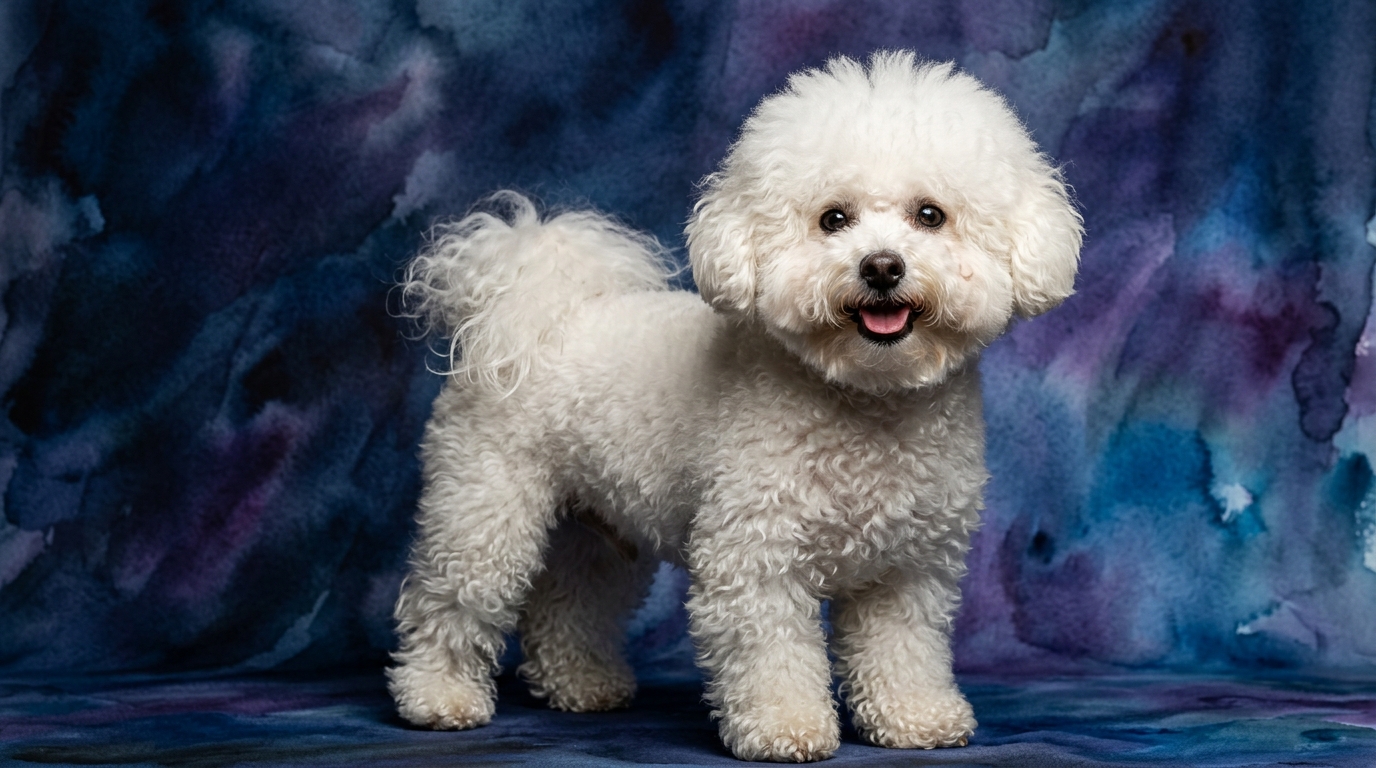
To understand the unique mental makeup of these breeds, The Cosmic Pet Pet IQ Lab evaluates five key cognitive dimensions. For the Bichon Frisé, a non-sporting companion dog ranked #45 by Coren, its profile is distinctly shaped by its role as a beloved family member.
The Bichon Frisé demonstrates a moderate capacity for independent thought and figuring out novel situations, earning a Problem Solving rating of 3/5. While they can adapt to changing environments and learn new routines, their approach to challenges is often influenced by their desire for social interaction rather than purely independent strategizing. Learning new commands and behaviors comes at a moderate pace, reflected in a Training Speed of 3/5; their success is significantly boosted by engaging methods and positive reinforcement. Where the Bichon Frisé truly excels is in Social Intelligence, rated a perfect 5/5. Their exceptional ability allows them to keenly interpret human emotions, body language, and vocal tones, fostering deep bonds and seamless integration into family life. Reflecting their companion role, their Instinctive Drive is low at 2/5, meaning less motivation for independent hunting, herding, or guarding tasks. Finally, the Bichon Frisé exhibits a moderate Memory of 3/5, capable of recalling a good range of learned commands, routines, and past experiences, especially when reinforced consistently.
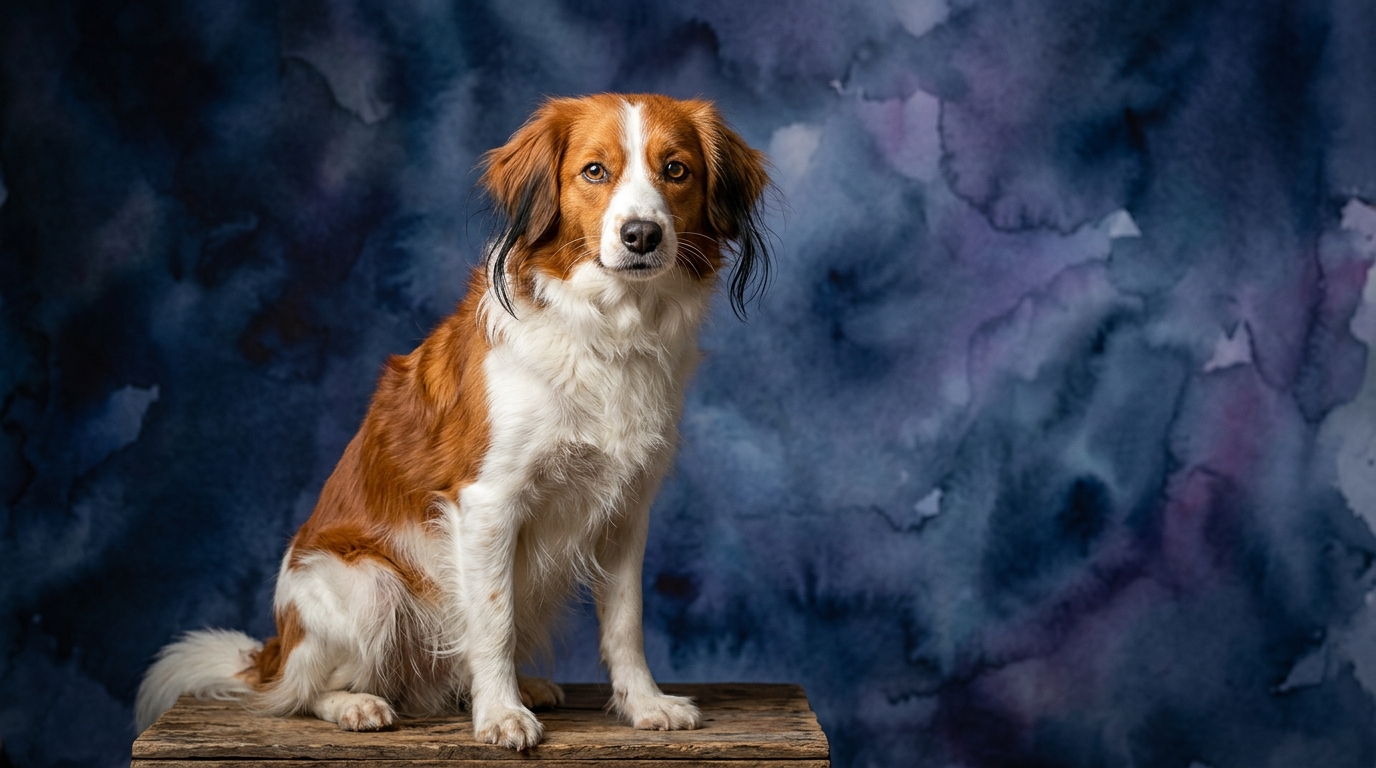
The Kooikerhondje, a sporting dog not yet Coren-ranked, presents a cognitive profile rooted in its historical role as a duck-luring dog, requiring a blend of independence and cooperation. Their cognitive scores paint a picture of a capable, purposeful breed.
With a Problem Solving rating of 3/5, the Kooikerhondje also possesses a moderate ability to figure things out, a trait essential for their original work. They can navigate obstacles and devise simple solutions, often with a purposeful approach. Their Training Speed is also 3/5, similar to the Bichon, though their training might require a slightly different approach, leveraging their natural drives and ensuring activities are stimulating. Kooikerhondjes display a moderate level of Social Intelligence at 3/5. They form strong bonds with their immediate family and are generally attentive to their cues, but might not possess the same broad, intuitive grasp of human emotional nuances as the Bichon. Their Instinctive Drive is moderate at 3/5, a discernible urge for purposeful activity stemming from their duck-luring heritage, manifesting as an interest in retrieving or scent work. Lastly, Kooikerhondjes show a moderate Memory of 3/5, sufficient for remembering complex routines associated with their historical work or modern dog sports, making them reliable partners for ongoing training.
Where the Bichon Frisé Cognitively Excels
The Bichon Frisé's standout cognitive strength lies squarely in their exceptional social intelligence, rated at a perfect 5 out of 5. This isn't merely about being friendly; it's a deep, intuitive ability to perceive and respond to human emotional states and social cues. A Bichon can often discern a shift in an owner's mood, offering comfort or initiating play at just the right moment. Their capacity to understand subtle body language, vocal inflections, and even unspoken expectations allows them to integrate almost seamlessly into human family dynamics. This cognitive aptitude translates into a dog that feels intimately connected to its people, often anticipating needs and reciprocating affection with remarkable sensitivity. They excel in environments where close human interaction and nuanced communication are paramount, acting as highly empathetic companions.
Where the Kooikerhondje Cognitively Shines
While the Bichon excels in social attunement, the Kooikerhondje demonstrates a distinct cognitive edge in their moderate instinctive drive, rated at 3 out of 5, coupled with a purposeful application of their problem-solving and training speed. Originating as duck-luring dogs, their minds are geared towards engaging in tasks that require focus and a degree of independent action. This drive means they possess an inherent motivation for activities beyond mere companionship, such as retrieving, tracking, or participating in dog sports like agility. Their cognitive strengths manifest in their ability to concentrate on a task, work through a sequence of actions, and maintain engagement in structured activities. This makes them particularly adept at learning and executing complex routines when given a clear purpose, showcasing a practical, task-oriented intelligence that differs from the Bichon's social focus.
Training Dynamics: Which Breed is Easier to Work With?
When considering ease of training, both the Bichon Frisé and the Kooikerhondje share a moderate training speed (3/5), suggesting neither is inherently difficult nor exceptionally quick to learn. However, the experience of training them can differ significantly due to their other cognitive profiles. The Bichon Frisé's exceptional social intelligence (5/5) means they are often highly motivated by pleasing their human companions and are very responsive to subtle cues and positive reinforcement. Their low instinctive drive (2/5) means fewer competing internal urges to distract them from obedience tasks. This combination often makes Bichons feel easier to train for general obedience and tricks, as they are eager to engage and readily connect with their trainer's intentions. Their ability to read an owner's mood can also make them more forgiving of minor training inconsistencies.
Conversely, the Kooikerhondje, with its moderate social intelligence (3/5) and higher instinctive drive (3/5), might require a more varied and stimulating training approach. While capable learners, they may be more independent thinkers and require tasks that tap into their natural drives, such as scent work or retrieving, to maintain engagement. Training a Kooikerhondje might involve more creativity in making learning a 'job' rather than just a social interaction, making them suitable for owners who enjoy structured activities and understand how to harness a dog's inherent purposefulness. Their independence means they might not always be as outwardly eager to please as a Bichon, but they are certainly capable of mastering complex commands with the right motivation and consistent leadership.
Matching Lifestyles: Active Owners vs. Relaxed Owners
For owners with an active lifestyle seeking a canine partner for adventures and structured activities, the Kooikerhondje is often the more suitable choice. Their moderate instinctive drive and historical working background mean they thrive on mental and physical engagement, enjoying activities like agility, rally, or extensive walks and hikes. They appreciate having a 'job' and their problem-solving abilities are best utilized when given purposeful tasks. A Kooikerhondje’s energy and drive require an owner willing to invest time in consistent training and enrichment to prevent boredom and channel their cognitive strengths constructively. They excel when their innate desire to work and explore is satisfied through regular, stimulating outings and mental challenges.
In contrast, the Bichon Frisé is an excellent match for more relaxed owners who prioritize companionship and indoor activities. Their exceptional social intelligence means they are deeply content being close to their family, thriving on attention and interaction rather than demanding rigorous physical exertion. While they enjoy play and walks, their lower instinctive drive means they are less likely to become restless without a specific 'task.' They are adaptable to various living situations, making them ideal for individuals or families seeking a sensitive, emotionally attuned companion dog. A Bichon's primary need is for consistent human presence and affection, making them perfect for those who want a constant, loving shadow.
The Verdict
For those seeking a deeply empathetic, highly social companion who thrives on close interaction and intuitive understanding of human emotions, the Bichon Frisé is an ideal choice.
If your lifestyle calls for a purposeful, moderately active dog eager to engage in structured tasks and dog sports, offering a blend of independence and loyalty, the Kooikerhondje will be a rewarding partner.
🧠 Find Your Pet's IQ Score
Our Pet IQ Lab assessment covers 25+ tests across 5 cognitive dimensions — personalized to your breed.
Take the Full IQ Test →Frequently Asked Questions
Is the Bichon Frisé easy to house train?
While their moderate training speed means they can learn quickly, their small size and desire for companionship mean consistent routines and frequent outdoor access are crucial for successful house training. Their high social intelligence helps them understand owner expectations, but patience and consistency are key.
Do Kooikerhondjes need a lot of exercise?
Yes, Kooikerhondjes are active dogs with a moderate instinctive drive, requiring regular physical exercise and mental stimulation. Daily walks, playtime, and engaging activities like retrieving or dog sports are important to keep them content and prevent boredom.
Which breed is better with children?
Both breeds can be good with children, but their approaches differ. The Bichon Frisé, with its high social intelligence, is often very gentle and adaptable to family dynamics, thriving on interaction. The Kooikerhondje, while loyal to its family, might be more reserved and require proper socialization to ensure comfortable interactions with energetic youngsters.