Side-by-Side IQ Profile: Bichon Frisé vs. Shiba Inu
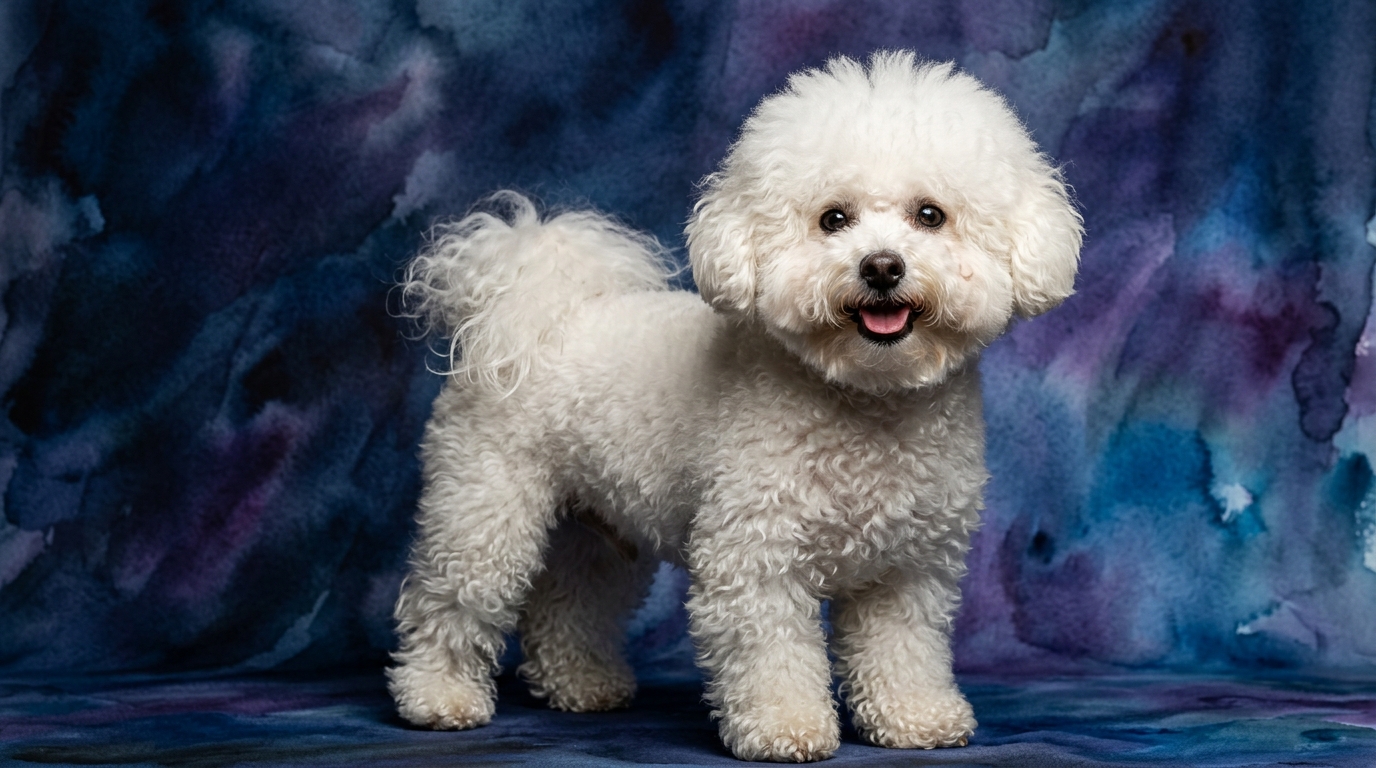
The Bichon Frisé, often celebrated for its cheerful demeanor, presents a cognitive profile indicating a balanced intellect with a strong social leaning. Its Problem Solving score of 3/5 suggests a moderate capacity for navigating novel challenges, capable of figuring out puzzles but perhaps not always the quickest to innovate solutions independently. Training Speed, also at 3/5, indicates they are receptive to learning new commands and routines, responding well to consistent, positive reinforcement. Where the Bichon truly shines is in Social Intelligence, earning a perfect 5/5, reflecting an exceptional ability to read human cues, understand social dynamics, and thrive on interaction. Their Instinctive Drive is a low 2/5, meaning they are less driven by primal urges like hunting or guarding, making them generally adaptable house pets. Memory, at 3/5, suggests they retain learned behaviors and experiences adequately. This Coren-ranked #45 breed demonstrates a delightful blend of teachability and emotional attunement.
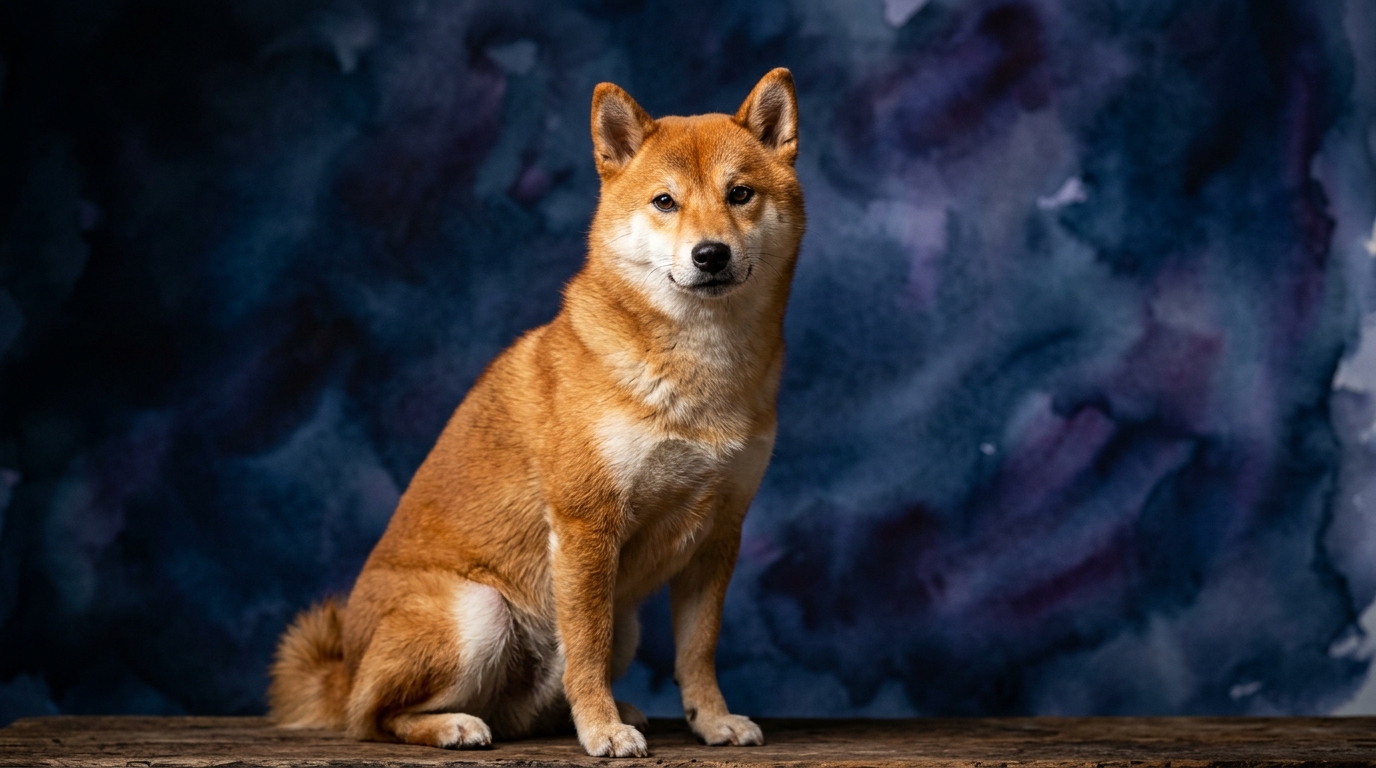
The Shiba Inu, an ancient Japanese breed, exhibits a cognitive makeup marked by independence and sharp instinct. Their Problem Solving capability is a robust 4/5, indicating a strong capacity to analyze situations and devise solutions, often with a self-reliant approach. However, their Training Speed is a lower 2/5, suggesting they might take longer to grasp new commands or require more persistent and creative training methods, often due to their inherent self-determination. Social Intelligence, at 3/5, shows they are capable of forming bonds and understanding social contexts, but may not be as overtly people-pleasing or attuned to every human nuance as some other breeds. Their Instinctive Drive is a high 5/5, reflecting a powerful prey drive, territorial awareness, and a strong sense of self-preservation, which influences many of their behaviors. Memory, scoring 4/5, points to an excellent capacity for recall, remembering both positive and negative experiences, which can impact training and socialization significantly. The Shiba Inu, unranked by Coren, presents a picture of intelligent self-sufficiency.
Where the Bichon Frisé Wins Cognitively
The Bichon Frisé's cognitive strengths distinctly lie in its profound social intelligence and adaptability within a human household. Scoring a perfect 5/5 in Social Intelligence, these dogs possess an innate ability to connect with people, interpret subtle emotional cues, and adjust their behavior accordingly. This makes them exceptionally responsive companions, often appearing to anticipate their owner's moods or desires. Their lower Instinctive Drive (2/5) further enhances their suitability for domestic life, as they are less prone to chasing small animals or exhibiting strong guarding tendencies that require complex management. This cognitive profile allows them to integrate seamlessly into family routines, demonstrating a remarkable capacity for emotional reciprocity and cooperative living. Their moderate Training Speed (3/5) ensures they are teachable, but it's their social acumen that truly sets them apart, enabling them to thrive on companionship and positive reinforcement.
Where the Shiba Inu Wins Cognitively
The Shiba Inu's cognitive advantages are rooted in its independent problem-solving skills and formidable memory. With a Problem Solving score of 4/5, Shibas often exhibit a cleverness in navigating their environment and overcoming obstacles, sometimes finding creative, self-serving solutions to reach desired outcomes. This can manifest as figuring out how to open gates or outsmarting a puzzle toy designed for less astute breeds. Their strong Memory (4/5) means they quickly learn from experiences, retaining information about their surroundings, routines, and interactions for a long time. This acute recall contributes to their self-sufficient nature, allowing them to make informed decisions based on past observations. Furthermore, their high Instinctive Drive (5/5) means they possess a keen awareness of their surroundings and a strong sense of purpose, whether it's exploring, hunting, or protecting their perceived territory, which are all driven by sharp cognitive processing of sensory input.
Which is Easier to Train and Why
Between the Bichon Frisé and the Shiba Inu, the Bichon Frisé generally presents as the easier dog to train. The Bichon's Training Speed of 3/5, combined with its outstanding Social Intelligence (5/5), means it is highly motivated by human interaction and approval. They are eager to please and receptive to learning, making them more amenable to standard obedience commands and house-training. Their low Instinctive Drive (2/5) also means fewer innate distractions or strong independent impulses to overcome during training sessions. In contrast, the Shiba Inu's Training Speed is a lower 2/5, and their high Instinctive Drive (5/5) often translates into a strong independent streak. While they are capable of understanding commands due to their Problem Solving (4/5) and Memory (4/5), their motivation to comply is often less about pleasing an owner and more about what benefits them. This self-serving cognitive approach requires more patience, consistency, and creative methods from trainers, as Shibas can quickly become bored or decide a command is not worth their effort.
Which Suits Active Owners vs. Relaxed Owners
The choice between a Bichon Frisé and a Shiba Inu largely depends on an owner's lifestyle and preferred level of engagement. A Bichon Frisé, with its lower Instinctive Drive (2/5) and high Social Intelligence (5/5), is an excellent match for relaxed owners seeking a devoted, interactive companion. While they enjoy play, their exercise needs are moderate, and they thrive on being part of daily household activities, content with cuddles and gentle walks. Their primary cognitive need is social engagement, making them ideal for individuals or families who can offer consistent companionship and affection.
Conversely, the Shiba Inu, characterized by its high Instinctive Drive (5/5) and strong Problem Solving (4/5), is better suited for active, experienced owners. These dogs require consistent mental stimulation and physical activity to satisfy their innate drives and prevent boredom. Their independent nature means they often enjoy exploring and engaging with their environment on their own terms, making them good partners for hiking, secure off-leash areas, or engaging in dog sports. Owners who appreciate a dog with a strong will and a need for purpose will find the Shiba's cognitive profile rewarding, provided they can meet its substantial demands for engagement and structure.
The Verdict
Choose a Bichon Frisé if you seek a highly social, adaptable companion eager to engage with family life and thrive on emotional connection. Their balanced cognitive profile makes them receptive to training and a joyful presence in a relaxed home environment.
Opt for a Shiba Inu if you are an active, experienced owner prepared to engage with an independent, clever dog possessing strong instincts and a need for mental challenges. Their self-reliant intelligence and impressive memory demand consistent, stimulating interaction.
🧠 Find Your Pet's IQ Score
Our Pet IQ Lab assessment covers 25+ tests across 5 cognitive dimensions — personalized to your breed.
Take the Full IQ Test →Frequently Asked Questions
How does a Bichon Frisé's social intelligence impact its behavior?
A Bichon Frisé's exceptional social intelligence (5/5) means they are highly attuned to human emotions and social cues, making them eager to interact and please. This cognitive strength typically results in a cooperative, affectionate companion who thrives on close family bonds and can easily adapt to various social settings.
What challenges might arise from a Shiba Inu's high instinctive drive during training?
A Shiba Inu's high instinctive drive (5/5) can pose challenges during training due to their strong prey drive, territorial instincts, and self-serving motivations. This often means they require more compelling incentives and consistent, engaging training methods to overcome their natural inclinations and maintain focus.
Is the Coren rank relevant for comparing these breeds' intelligence?
While the Bichon Frisé has a Coren rank (#45), the Shiba Inu does not, making direct Coren comparison impossible. Our Pet IQ Lab's five-dimensional intelligence scores offer a more granular comparison of their cognitive strengths and weaknesses, irrespective of a single, generalized obedience ranking.