Side-by-Side Cognitive Profiles
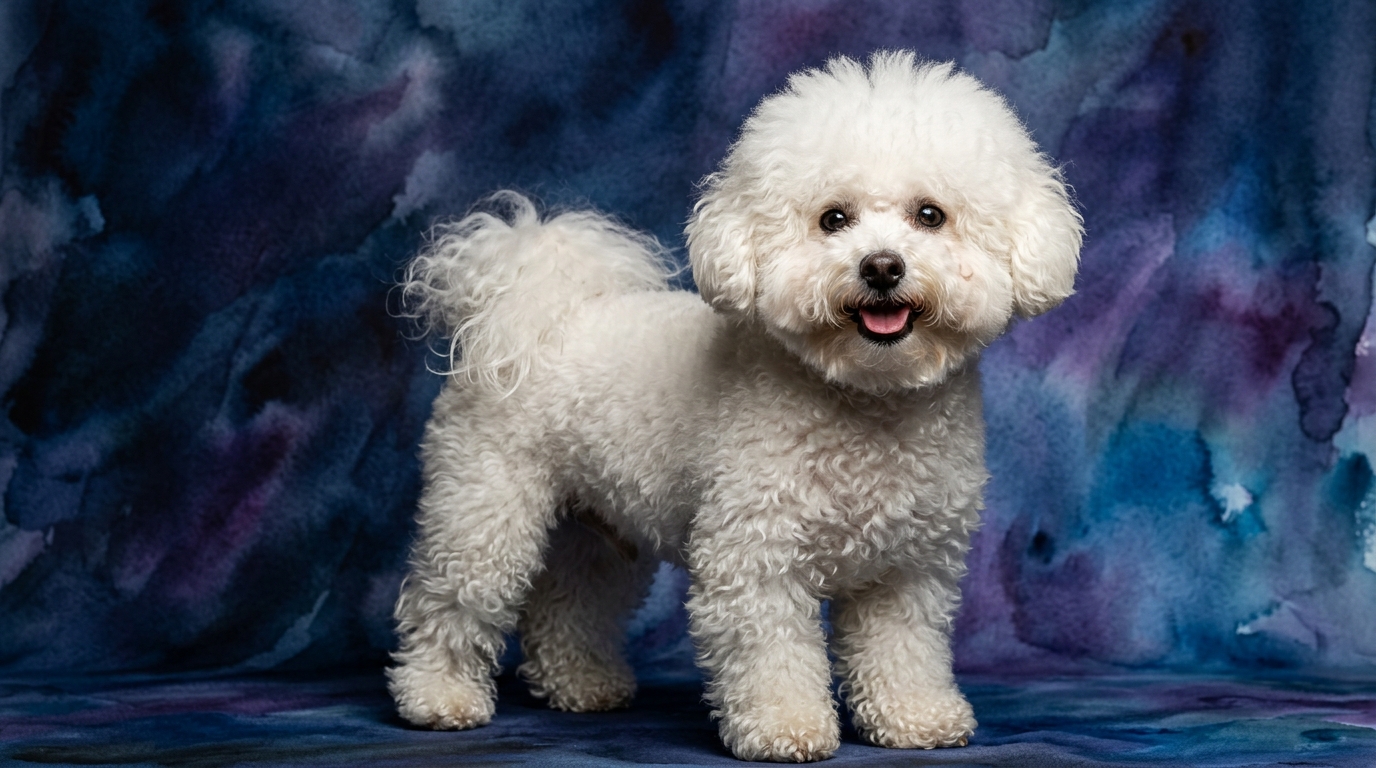
The Cosmic Pet Pet IQ Lab's assessment provides a granular view into the cognitive strengths and tendencies of each breed. For the Bichon Frisé, a Non-Sporting dog, their profile includes Problem Solving (3/5), Training Speed (3/5), Social Intelligence (5/5), Instinctive Drive (2/5), and Memory (3/5). Their Coren rank of #45 places them in the category of average working and obedience intelligence, suggesting they typically understand new commands with 25-40 repetitions and obey 50% of the time or better. This indicates a moderate but consistent capacity for learning within a structured environment.
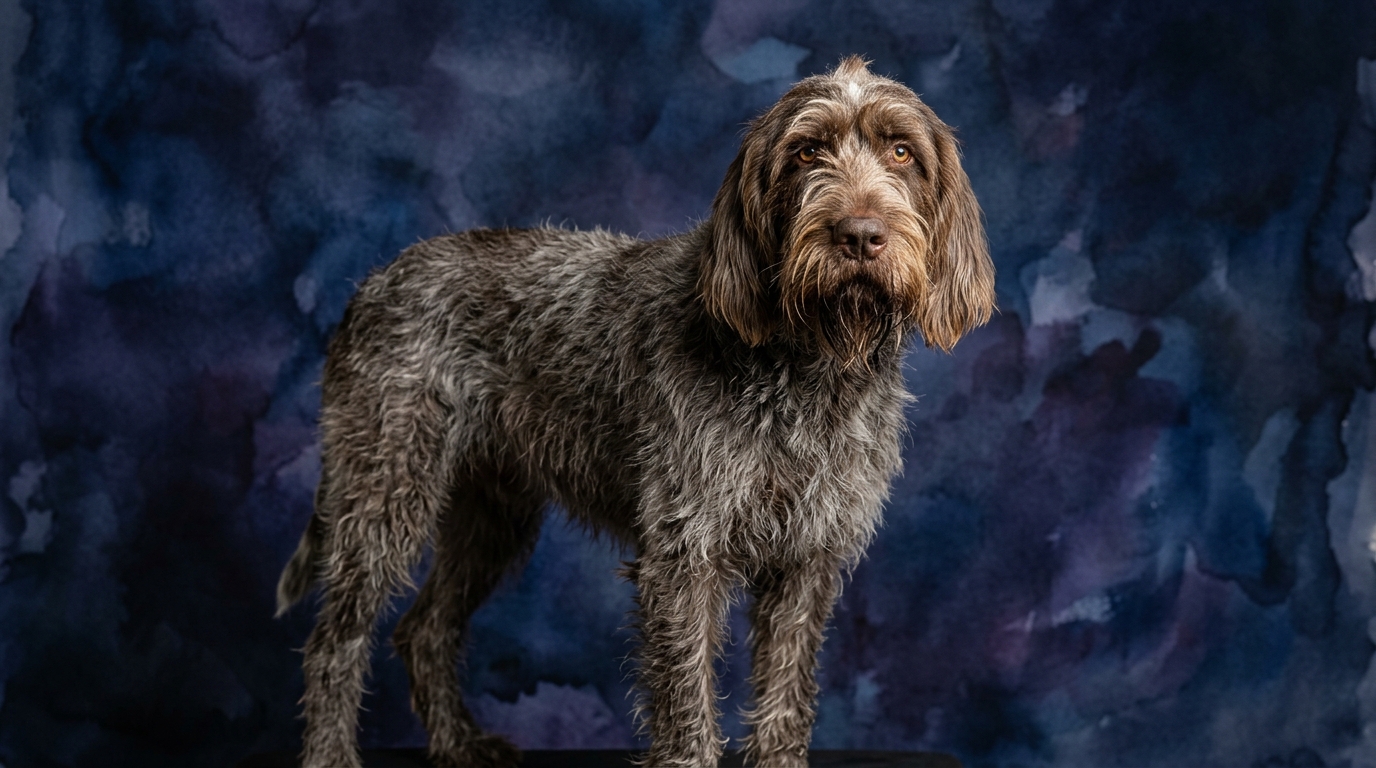
The Spinone Italiano, a Sporting dog, presents a slightly different cognitive blueprint with Problem Solving (3/5), Training Speed (3/5), Social Intelligence (3/5), Instinctive Drive (3/5), and Memory (3/5). Notably, the Spinone Italiano is not Coren-ranked, meaning their cognitive assessment relies solely on these specific IQ dimensions. This profile suggests a balanced set of abilities across several cognitive domains, with a slightly elevated instinctive drive compared to the Bichon, reflecting their heritage as a working gun dog.
Where the Bichon Frisé Excels Cognitively
The Bichon Frisé's undisputed cognitive strength lies in their exceptional Social Intelligence, scoring a perfect 5/5. This dimension reflects their profound ability to interpret and respond to human emotions, body language, and vocal tones. A Bichon doesn't just tolerate human presence; they actively engage in complex social mirroring, often preemptively offering comfort or seeking attention in response to subtle shifts in their owner's mood. This heightened social awareness allows them to integrate seamlessly into family dynamics, adapting their behavior to specific social contexts and making them incredibly intuitive companions who thrive on interaction and belonging.
Their superior social cognition also translates into a unique ability to communicate their own needs and desires effectively through nuanced expressions and behaviors, demonstrating a sophisticated understanding of human-canine communication channels. Their cognitive framework prioritizes social harmony and connection, enabling them to navigate complex human relationships with remarkable finesse and charm. This isn't merely about being friendly; it's about a deep cognitive processing of social cues and a strategic application of behaviors to maintain their place within a social unit.
Where the Spinone Italiano Shines Cognitively
The Spinone Italiano's cognitive edge manifests in their Instinctive Drive, rated at 3/5, which, while not extreme, is notably higher than the Bichon Frisé's 2/5. This score highlights their inherent predisposition for tasks rooted in their sporting heritage. A Spinone possesses a natural inclination towards scent work, tracking, and patient searching, abilities hardwired and refined through generations of selective breeding for field performance. This isn't merely a physical drive; it's a cognitive orientation that prioritizes environmental exploration, pattern recognition related to prey, and persistent engagement with a task until a goal, like finding a scent source, is achieved.
Their brain is wired to process sensory information, particularly olfactory cues, with a high degree of detail and focus, allowing them to follow complex scent trails with unwavering determination. This moderate instinctive drive means a Spinone is often self-motivated by their environment, seeking out opportunities to engage their senses and fulfill their natural working tendencies, distinguishing them as capable partners in outdoor pursuits where their natural talents can truly shine.
Trainability: Bichon Frisé vs. Spinone Italiano
Both the Bichon Frisé and the Spinone Italiano share a Training Speed rating of 3/5, suggesting they learn new commands at a moderate pace. However, the *ease* of training can differ significantly depending on specific goals and the trainer's approach, largely due to their differing strengths in social intelligence and instinctive drive. The Bichon Frisé, with its superior Social Intelligence (5/5), often appears easier to train for companion behaviors.
Their keen ability to read human cues and strong desire to please makes them highly responsive to positive reinforcement. A Bichon understands the social contract of training: 'If I do this, my human is happy, and I get attention or a reward.' This intrinsic motivation to maintain social harmony means they are eager participants, quickly picking up tricks, house rules, and basic obedience when the method involves engagement and praise. Their lower Instinctive Drive (2/5) means fewer distractions from environmental stimuli, allowing them to maintain focus on the trainer during structured lessons.
Conversely, while the Spinone Italiano also learns at an average speed, their moderate Instinctive Drive (3/5) presents both advantages and challenges. For tasks aligning with their natural hunting and scenting abilities, a Spinone can be incredibly focused and persistent, often requiring less explicit motivation once they understand the game. Training for field work or tracking might feel 'easier' because it taps into their inherent cognitive leanings. However, this same drive can make them more easily distracted by compelling environmental stimuli, like a tantalizing scent trail, during general obedience training in varied settings. They might require more patience and creative methods to redirect their attention from an instinctual pursuit back to a human-directed command. Therefore, while both learn at a similar pace, the Bichon's social motivation might make general companion training feel more fluid, whereas the Spinone's drive allows them to excel in specific working roles, provided the training leverages their natural inclinations.
Matching Breeds to Lifestyles: Active vs. Relaxed Owners
The cognitive profiles of the Bichon Frisé and Spinone Italiano clearly delineate which breed might be a better fit for active versus relaxed owners. For the active owner seeking a partner for outdoor adventures, the Spinone Italiano is often the more suitable choice. Their moderate Instinctive Drive (3/5) signifies a robust internal motivation for exploration, scenting, and physical activity. This isn't just about physical stamina; it's a cognitive need to engage with the world through their senses and to fulfill their breed's historical purpose. An owner who enjoys long hikes, trail running, or participating in dog sports like tracking or agility will find the Spinone eager and mentally stimulated by these activities.
Their problem-solving (3/5) and memory (3/5) scores, combined with their drive, mean they can learn complex routes and tasks, thriving when given a job that channels their natural cognitive energies productively. In contrast, the Bichon Frisé, with their standout Social Intelligence (5/5) and lower Instinctive Drive (2/5), is generally better suited for more relaxed owners who prioritize companionship and indoor engagement. While they certainly enjoy walks and play, their primary cognitive need is for social interaction and emotional connection rather than intense physical exertion or independent exploration.
A Bichon's mental well-being flourishes in environments where they receive consistent attention, participate in family activities, and have opportunities to express their social understanding. Their contentment stems more from being close to their human companions, engaging in gentle play, or simply observing family life. For an owner whose lifestyle involves less strenuous outdoor activity and more intimate home-based interaction, the Bichon Frisé's cognitive makeup aligns perfectly, providing a deeply connected and emotionally responsive companion who is content with less physically demanding, but equally mentally stimulating, social engagement.
The Verdict
Choose the Bichon Frisé if your priority is an exceptionally socially intelligent companion who thrives on deep emotional connection and readily adapts to a family's social rhythms, offering intuitive companionship.
Opt for the Spinone Italiano if you seek a dog with a robust instinctive drive for outdoor exploration and a moderate working aptitude, making them an excellent partner for active pursuits and tasks that engage their natural senses.
🧠 Find Your Pet's IQ Score
Our Pet IQ Lab assessment covers 25+ tests across 5 cognitive dimensions — personalized to your breed.
Take the Full IQ Test →Frequently Asked Questions
Does the Bichon Frisé's high social intelligence mean they are more prone to separation anxiety?
Their strong reliance on social connection can indeed make them more sensitive to prolonged periods of isolation. Establishing a routine and providing engaging activities when alone can help manage this sensitivity by providing mental stimulation.
Can a Spinone Italiano adapt to apartment living despite its instinctive drive?
Yes, with sufficient daily exercise and mental stimulation, a Spinone can adapt to apartment living. Regular long walks, scent games, and consistent training sessions are essential to satisfy their cognitive and physical needs, preventing boredom.
How do their problem-solving scores (3/5 for both) impact their daily lives?
A score of 3/5 suggests both breeds can figure out moderately complex situations, like opening a simple gate or navigating a new environment. However, they may not consistently devise novel solutions to complex, multi-step problems without guidance or prior learning.