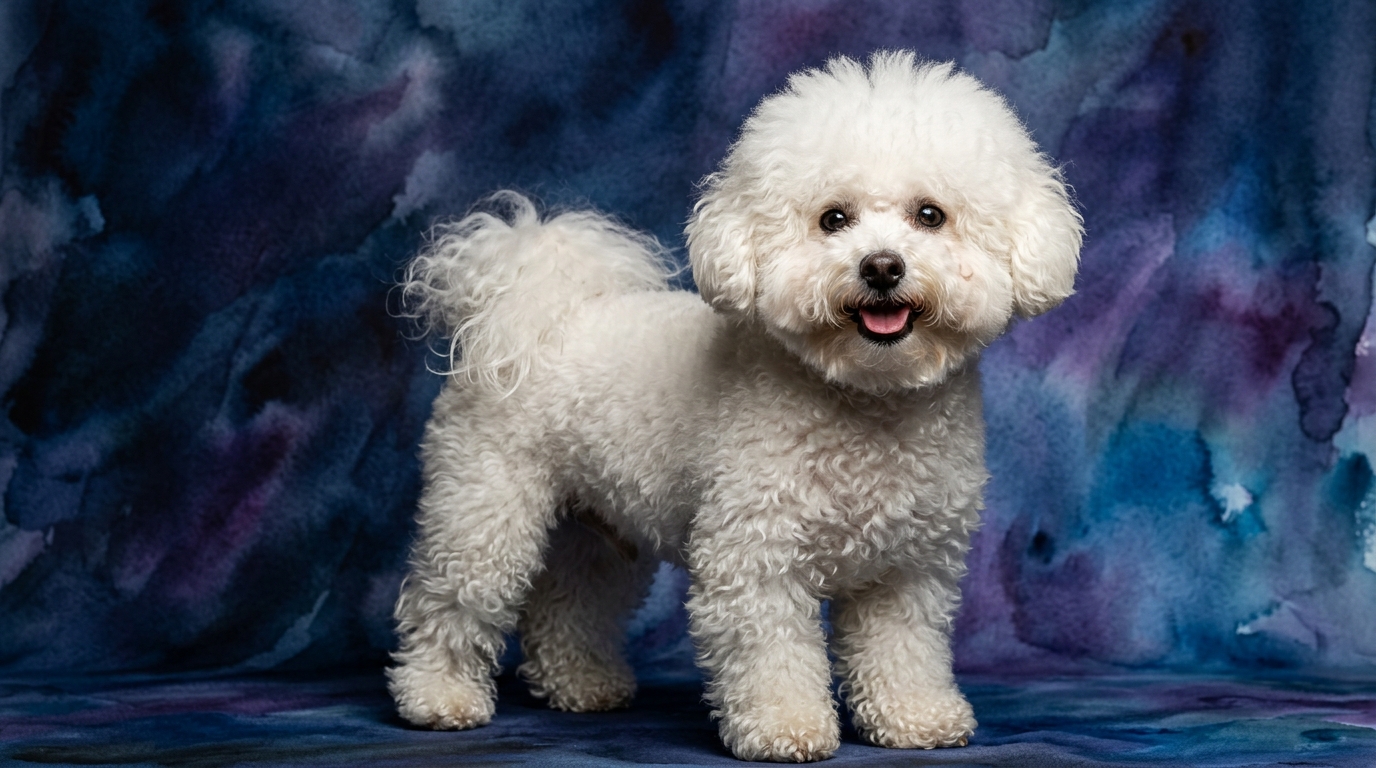
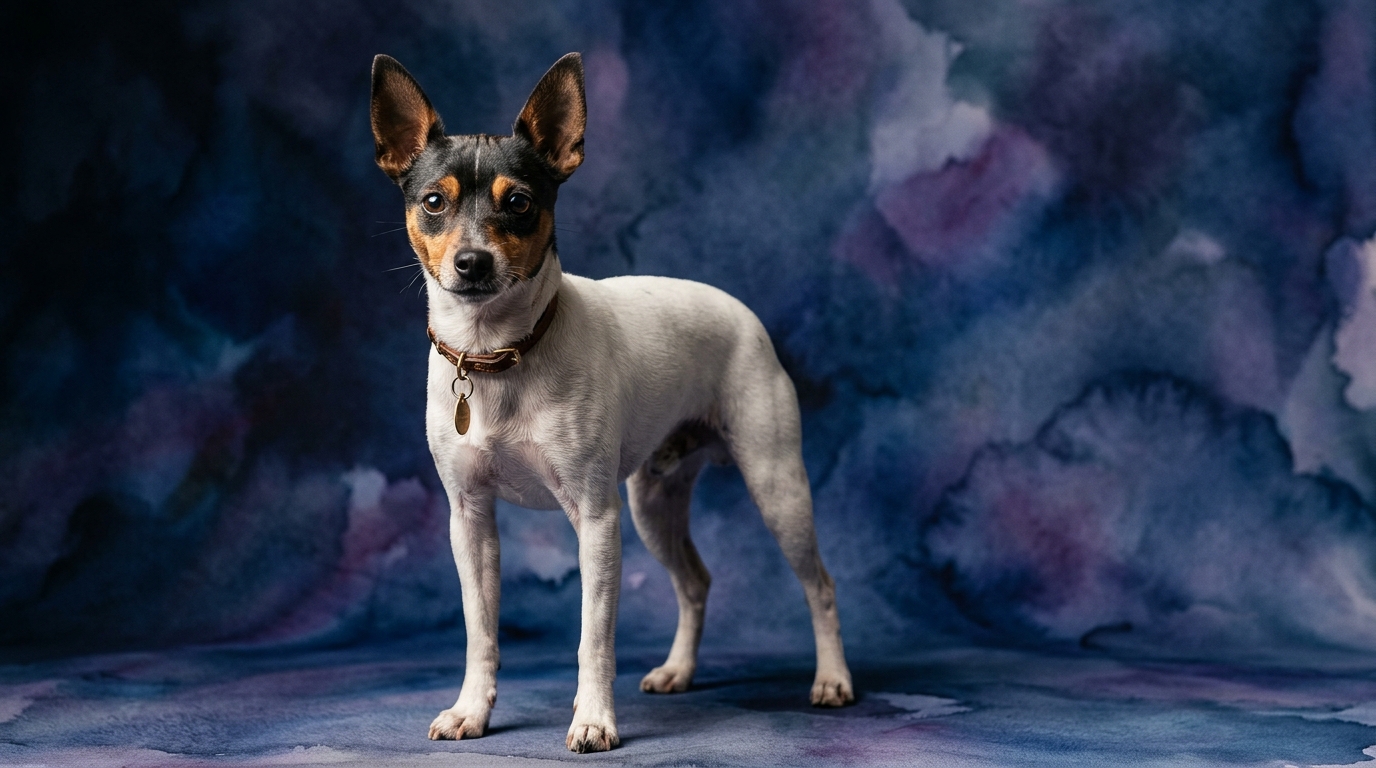
Side-by-Side Cognitive Profiles: Bichon Frisé vs. Toy Fox Terrier
The Cosmic Pet Pet IQ Lab employs a five-dimensional framework to assess canine cognition, offering a nuanced perspective beyond simple obedience. These dimensions — Problem Solving, Training Speed, Social Intelligence, Instinctive Drive, and Memory — help us understand how different breeds perceive, learn, and interact with their world.
The Bichon Frisé, a delightful member of the Non-Sporting group and ranked #45 by Coren, presents a profile marked by strong social aptitude. Our IQ Lab scores indicate a Problem Solving ability of 3/5, a Training Speed of 3/5, an outstanding Social Intelligence of 5/5, a lower Instinctive Drive of 2/5, and a Memory score of 3/5. This suggests a dog highly attuned to human connection with a moderate capacity for learning and independent thought.
In contrast, the Toy Fox Terrier, a lively Toy group representative not specifically Coren-ranked, shows a more balanced cognitive spread. Its IQ Lab scores include Problem Solving at 3/5, Training Speed at 3/5, Social Intelligence at 3/5, Instinctive Drive at 3/5, and Memory at 3/5. This indicates a dog with consistent, moderate abilities across the board, without the extreme highs or lows seen in some other breeds.
Observing these profiles side-by-side, we immediately notice shared scores in Problem Solving, Training Speed, and Memory, suggesting comparable baseline cognitive functions in these areas. The most significant distinctions emerge in Social Intelligence and Instinctive Drive, which profoundly shape each breed's interaction style and overall temperament.
Where the Bichon Frisé's Mind Shines Brightest
The Bichon Frisé's cognitive strength lies overwhelmingly in its exceptional Social Intelligence, scoring a perfect 5/5. This remarkable capacity means Bichons are incredibly adept at reading human emotions, understanding subtle cues, and forming profound emotional bonds. They are not merely companions; they are highly intuitive partners, often anticipating their owner's needs and reacting with empathy.
This high social acumen is complemented by their lower Instinctive Drive (2/5). Unlike breeds with strong independent drives, Bichons are less inclined to pursue self-directed activities like hunting or extensive exploration away from their humans. This reduced internal drive means their attention is more consistently available for social interaction and learning within a human-centric environment, fostering a deep sense of connection and cooperation.
Their Coren rank of #45, which assesses a dog's ability to understand and obey commands, is undoubtedly influenced by this social intelligence. A dog that is highly motivated by human approval and connection will naturally be more attentive and eager to comply during training, even if their raw problem-solving speed isn't the highest. This makes them remarkably receptive to living harmoniously within a family structure.
The Cognitive Strengths of the Toy Fox Terrier
The Toy Fox Terrier's cognitive profile reveals a different kind of strength: a well-rounded and balanced set of abilities, particularly in its moderate Instinctive Drive (3/5). This score indicates a natural curiosity and a greater propensity for independent exploration and engagement with its surroundings compared to the Bichon Frisé. They possess a spark of self-reliance, often keen to investigate new smells, sounds, and objects.
While their Social Intelligence (3/5) is not as pronounced as the Bichon's, it is still perfectly adequate for developing strong, affectionate relationships with their families. The difference lies in their approach; a Toy Fox Terrier might require a bit more intentional engagement to draw them into shared activities, as they balance human interaction with their own investigative interests. They bond deeply, but often with a side of independent spirit.
Their balanced scores across Problem Solving (3/5) and Instinctive Drive (3/5) suggest a dog that is capable of figuring things out on its own terms. This can manifest as resourcefulness in navigating their environment, solving simple puzzles, or independently seeking out entertainment. This inherent drive to engage with the world makes them spirited and often entertaining companions for those who appreciate a dog with a bit of a self-starter attitude.
Training Dynamics: Which Breed Learns with Greater Ease?
Both the Bichon Frisé and the Toy Fox Terrier share an identical Training Speed score of 3/5, implying they acquire new commands at a similar rate. However, the *process* of training and the overall ease experienced by the owner can differ significantly due to their other distinct cognitive traits.
The Bichon Frisé's superior Social Intelligence (5/5) is a major asset in training. They are inherently eager to please and deeply motivated by positive human feedback, praise, and the sheer joy of shared activity. This strong desire for connection means they are typically very cooperative students, readily offering behaviors to earn approval. While they may not solve complex puzzles faster, their willingness to engage and repeat makes training feel smoother, often responding well to gentle guidance and consistent, positive reinforcement.
The Toy Fox Terrier, with its 3/5 Social Intelligence and 3/5 Instinctive Drive, approaches training with a more independent mindset. They are certainly capable of learning, but their motivation might stem more from the enjoyment of the task itself or tangible rewards rather than solely human approval. Training a Toy Fox Terrier requires engaging methods that tap into their inquisitive nature, perhaps incorporating more game-based learning or varying rewards to maintain their focus. They might test boundaries or get distracted by environmental stimuli more readily, necessitating a handler who is consistent, creative, and understands how to channel their inherent drive effectively.
Matching Minds to Lifestyles: Active vs. Relaxed Owners
For owners seeking a relaxed, devoted companion, the Bichon Frisé is often an ideal match. Their low Instinctive Drive (2/5) means they are generally content with moderate indoor activity and regular, but not intense, outdoor walks. Their primary need is constant human companionship and interaction; they thrive in environments where they are central to family life and can participate in relaxed social activities. They are not dogs that typically seek out extensive independent adventures, preferring to be by their human's side.
The Toy Fox Terrier, on the other hand, aligns well with more active owners who appreciate a dog with a spirited, inquisitive nature. Their balanced scores, particularly the 3/5 Instinctive Drive, suggest a dog that benefits from varied activities, including games, puzzles, and perhaps even dog sports that tap into their natural terrier zest and problem-solving abilities. While small, their cognitive makeup points to a dog that thrives on regular mental and physical stimulation beyond simple companionship, making them excellent partners for those who enjoy an engaging, dynamic lifestyle.
The Verdict: When to Choose Each Breed
The Verdict
Choose the Bichon Frisé if your priority is a deeply connected, emotionally responsive companion who thrives on social interaction and a more relaxed pace of life. Their exceptional social intelligence makes them devoted family members eager to please and ideal for those seeking constant, affectionate presence.
Opt for the Toy Fox Terrier if you appreciate a dog with a spirited, independent streak and are prepared to engage their moderate instinctive drive with varied activities and consistent, stimulating training. They offer a lively, inquisitive presence for active households that enjoy a dynamic canine partner.
🧠 Find Your Pet's IQ Score
Our Pet IQ Lab assessment covers 25+ tests across 5 cognitive dimensions — personalized to your breed.
Take the Full IQ Test →Frequently Asked Questions
Does the Bichon Frisé's Coren ranking mean it's smarter than a Toy Fox Terrier?
The Bichon Frisé's Coren rank of #45 indicates a respectable capacity for understanding and obeying commands, often reflecting their social intelligence and eagerness to please. While the Toy Fox Terrier isn't Coren-ranked, our IQ Lab scores show both breeds have similar problem-solving and training speed, meaning the Coren rank primarily reflects a specific aspect of 'working intelligence' rather than overall cognitive ability.
Which breed is better for apartment living based on their cognitive profile?
Both breeds are small enough for apartment living, but their cognitive profiles suggest different needs. The Bichon Frisé, with its lower instinctive drive and high social intelligence, is often more content with indoor companionship and moderate walks. The Toy Fox Terrier's moderate instinctive drive means it will benefit more from consistent mental and physical stimulation, even within an apartment setting, to prevent boredom and channel their natural curiosity.
How does 'Instinctive Drive' impact a dog's daily behavior?
Instinctive Drive refers to a dog's inherent urge to perform breed-specific behaviors like hunting, herding, or guarding, and also impacts their general curiosity and independence. A higher drive, like the Toy Fox Terrier's 3/5, means they might be more inclined to explore, chase, or engage in self-directed play and need outlets for this energy. A lower drive, like the Bichon's 2/5, suggests they are generally less driven by independent pursuits and more focused on human interaction and companionship.