Side-by-Side IQ Profile: Decoding Identical Scores
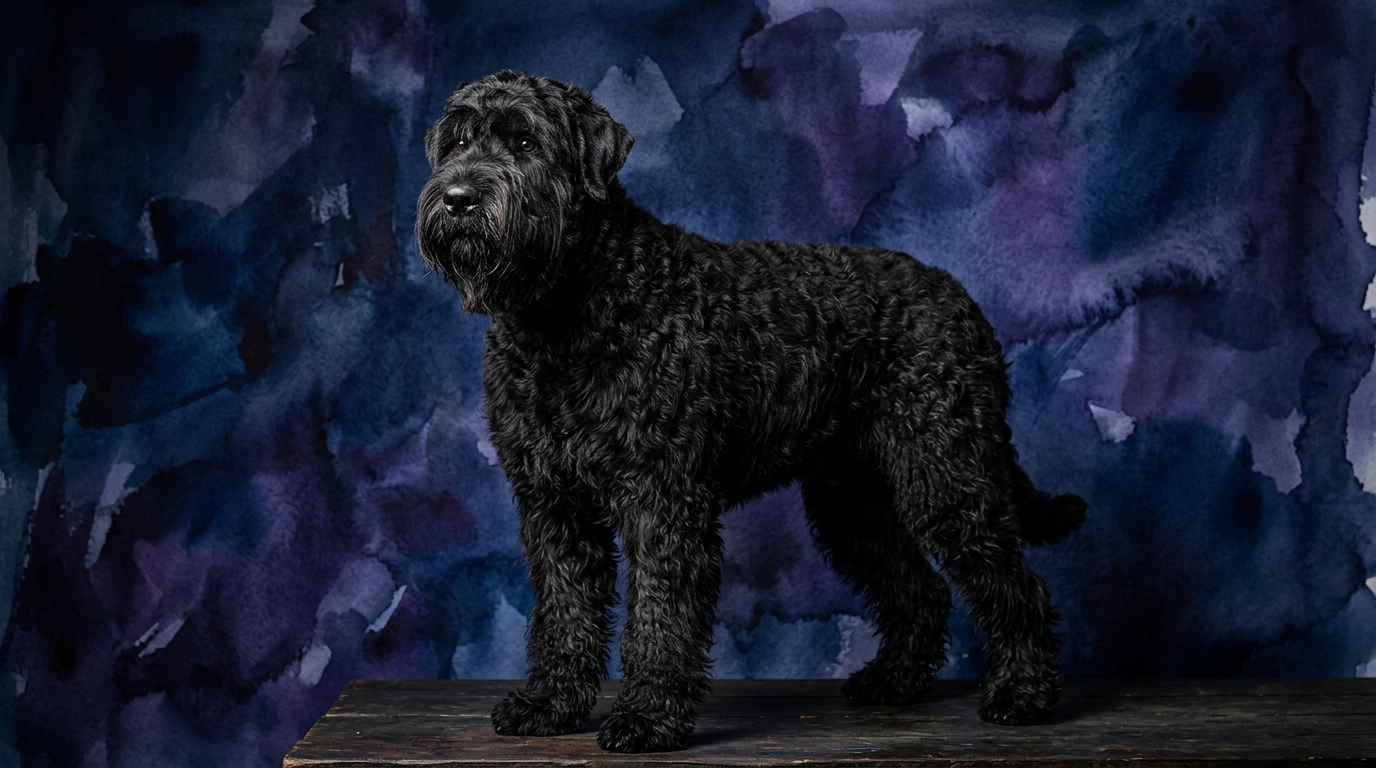
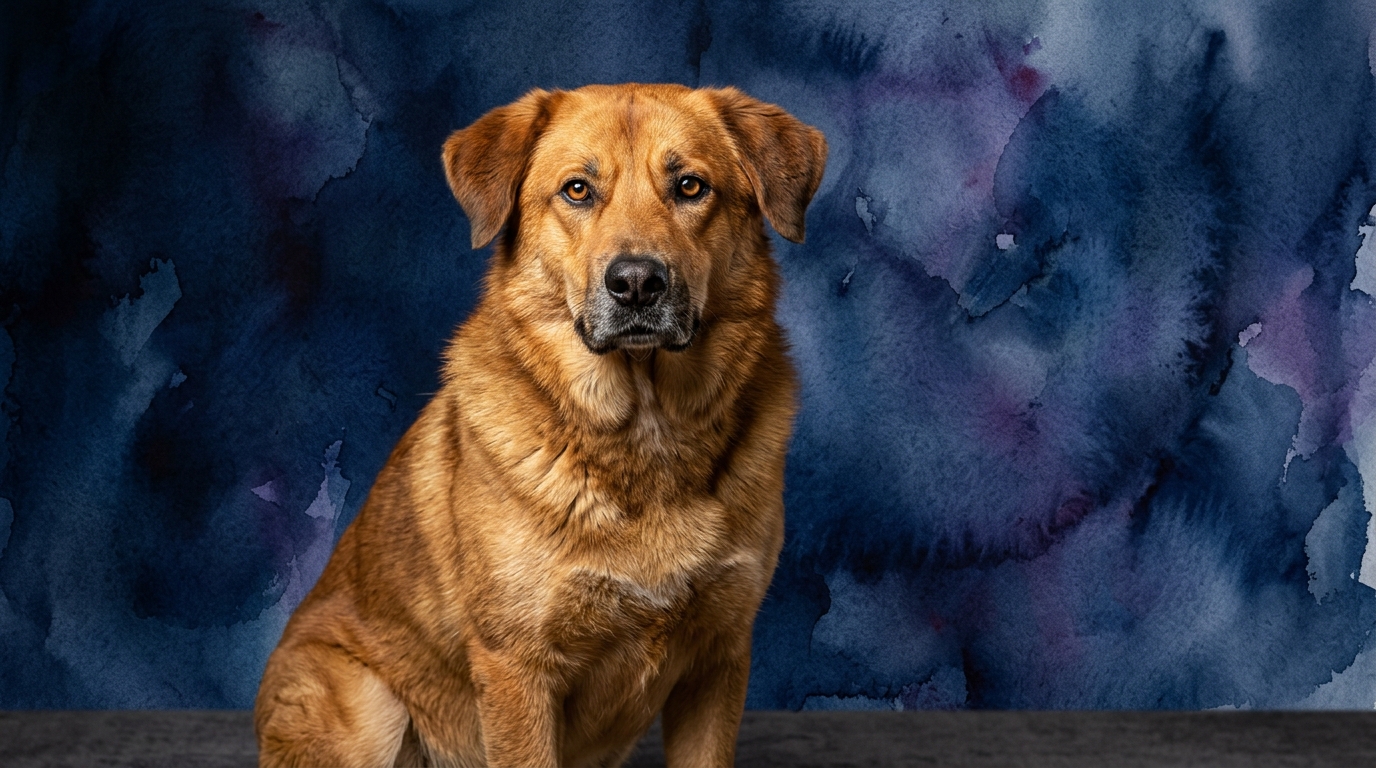
At first glance, the Cosmic Pet Pet IQ Lab's assessment paints the Black Russian Terrier (BRT) and the Chinook as cognitive twins, each scoring 3 out of 5 across all five intelligence dimensions. This moderate rating suggests a solid, capable intellect without the extremes of either genius or significant challenge. However, looking closer at the context of these scores reveals how each breed's historical role and inherent temperament shape the manifestation of their cognitive abilities.
For Problem Solving (3/5), both breeds possess a moderate capacity for independent thought and figuring out novel situations. For the BRT, this might manifest in assessing environmental changes or potential threats to its family, requiring strategic discernment. For the Chinook, problem-solving often relates to navigating varied terrains or overcoming obstacles in a team-oriented context, prioritizing efficiency and collaboration.
Training Speed (3/5) indicates that both breeds learn new commands and routines at a moderate pace, requiring consistency and clear instruction rather than instant grasp. A BRT's learning might be slower due to its independent nature, requiring the handler to establish strong leadership. A Chinook, while not a lightning-fast learner, often compensates with a strong desire to please, which can aid the training process.
Social Intelligence (3/5) suggests a moderate understanding of human cues and social dynamics. The BRT's social acumen is often geared towards family protection, making them discerning with strangers and deeply bonded with their inner circle. The Chinook's social intelligence tends towards amiability and cooperative interaction, making them generally more open and friendly, albeit still observant of social hierarchies.
Instinctive Drive (3/5) points to moderate inherent drives that shape their behavior. The BRT's powerful drive is predominantly protective and territorial, a legacy of its military development, manifesting as vigilance and a strong guarding instinct. The Chinook's drive is rooted in endurance and pulling, reflecting its sled dog heritage, motivating sustained physical effort and teamwork.
Finally, Memory (3/5) indicates a moderate retention of learned information and routines for both breeds. This means consistent training and predictable schedules will be well-remembered. Neither breed is prone to forgetting core commands or established household rules, but neither will they recall every single event with perfect clarity, reinforcing the need for regular reinforcement.
Where the Black Russian Terrier Wins Cognitively
While their numerical scores are identical, the Black Russian Terrier often demonstrates a unique cognitive strength in areas related to discernment and strategic protection. Their 3/5 social intelligence, for instance, isn't about universal friendliness but rather a profound ability to assess and differentiate between welcome guests and potential threats. This acute discernment allows them to act as vigilant guardians, making calculated judgments about new people or situations entering their family's sphere. Their problem-solving abilities, also rated 3/5, are frequently channeled into these protective scenarios, where they might independently determine the best course of action to ensure safety, rather than simply reacting impulsively.
The BRT's 3/5 instinctive drive is overwhelmingly geared towards guarding and territorial defense. This isn't just a physical trait; it requires cognitive processing to understand boundaries, identify perceived intrusions, and respond appropriately. Their memory (3/5) plays a crucial role here, allowing them to recall previous interactions, identify familiar faces, and remember established 'safe zones' around their property. This combination of discerning social intelligence, situation-specific problem-solving, and a deeply ingrained protective drive makes the BRT a formidable and thoughtful protector, often anticipating issues before they fully develop.
Where the Chinook Wins Cognitively
The Chinook, despite sharing identical IQ scores, excels in cognitive areas that emphasize cooperation, sustained effort, and adaptability within a team structure. Their 3/5 problem-solving ability often manifests in practical navigation and persistent effort, particularly in challenging outdoor environments. A Chinook might methodically work through a tricky trail, finding the most efficient path or overcoming a minor obstacle, demonstrating a patient and focused approach to physical challenges. This isn't about confronting threats, but about achieving a goal through sustained mental and physical application.
Their 3/5 social intelligence is expressed through a strong desire to please and a remarkable ability to work in harmony with their human partners. This cooperative spirit is a cornerstone of their sled-dog heritage, where understanding subtle cues from their handler and coordinating with other dogs was paramount. Training Speed (3/5) is often augmented by this eagerness to please, making them generally more responsive and willing participants in learning new tasks. The Chinook's 3/5 instinctive drive, focused on endurance and pulling, is intrinsically linked to their cognitive ability to maintain focus and motivation over long periods, making them excellent companions for sustained outdoor activities where mental fortitude is as important as physical stamina.
Which is Easier to Train and Why
When considering ease of training, the identical 3/5 Training Speed for both the Black Russian Terrier and the Chinook might seem to suggest parity. However, the underlying behavioral differences stemming from their other cognitive dimensions create distinct training experiences. The Chinook, with its strong desire to please and cooperative social intelligence, often proves to be the more straightforward student. They are generally eager to engage with their handler, respond well to positive reinforcement, and are less likely to challenge authority once a bond is established. Their motivation often comes from a place of wanting to work alongside their human, making the training process feel more like a collaborative effort.
The Black Russian Terrier, conversely, while equally capable of learning, requires a more confident and consistent handler. Their discerning social intelligence means they will assess their trainer, and their independent, protective nature means they may test boundaries. Training a BRT is less about simply teaching commands and more about establishing a clear, respectful leadership role. They learn effectively, but they often need to understand the 'why' behind a command or perceive the handler as a reliable authority figure before offering their full cooperation. While both breeds demand consistency, the Chinook typically offers a more inherently willing attitude, making the initial stages of training less demanding on the handler's leadership skills.
Which Suits Active Owners vs. Relaxed Owners
Neither the Black Russian Terrier nor the Chinook are suitable for truly 'relaxed' owners in the sense of minimal engagement. Both are working breeds with 3/5 instinctive drives that demand an outlet. However, their specific needs cater to different types of active lifestyles. The Chinook, with its endurance-focused instinctive drive and cooperative problem-solving, is an ideal companion for owners who enjoy sustained physical activities like long-distance hiking, running, or even urban jogging. They thrive on having a 'job' that involves moving forward and exploring, making them perfect for active individuals or families who want a dog to share their adventures and cover many miles.
The Black Russian Terrier, while also requiring significant physical exercise, needs mental stimulation that often ties into its protective instincts. Owners who appreciate a dog with a strong presence and are willing to engage in structured training that reinforces their guarding role will find a BRT rewarding. Their activity needs extend beyond just physical exertion; they benefit from having a secure territory to 'patrol' and opportunities to use their discerning social intelligence. A BRT might be more content with a large, secure yard and consistent family presence, coupled with purposeful walks, whereas a Chinook might become restless without specific, sustained physical 'work' outside the home. Therefore, the BRT suits owners who are active and seek a canine partner for security and companionship, while the Chinook is better for those whose activity is primarily focused on shared endurance pursuits.
The Verdict
Choose the Black Russian Terrier if you are an experienced owner seeking a discerning, protective companion, prepared to invest in consistent leadership training to channel their formidable instincts and strategic intelligence.
Opt for the Chinook if you desire an amiable, cooperative partner for sustained outdoor adventures, appreciating a dog whose intelligence is geared towards teamwork, endurance, and a desire to please.
🧠 Find Your Pet's IQ Score
Our Pet IQ Lab assessment covers 25+ tests across 5 cognitive dimensions — personalized to your breed.
Take the Full IQ Test →Frequently Asked Questions
Are Black Russian Terriers stubborn?
While their training speed is moderate, BRTs are not typically stubborn but rather discerning and independent. They require a confident leader and clear communication, as they often assess the 'why' behind a command before fully committing.
Do Chinooks require a lot of exercise?
Yes, Chinooks were bred for endurance as sled dogs, so they thrive on consistent, sustained physical activity. Daily long walks, runs, or hikes are essential to keep them mentally and physically content.
Can either breed live in an apartment?
Neither breed is ideally suited for apartment living due to their working dog heritage and energy levels. While possible with truly exceptional dedication to daily exercise and mental stimulation, a home with a secure yard is generally preferable for both.