Side-by-Side IQ Profile: Deconstructing Identical Scores
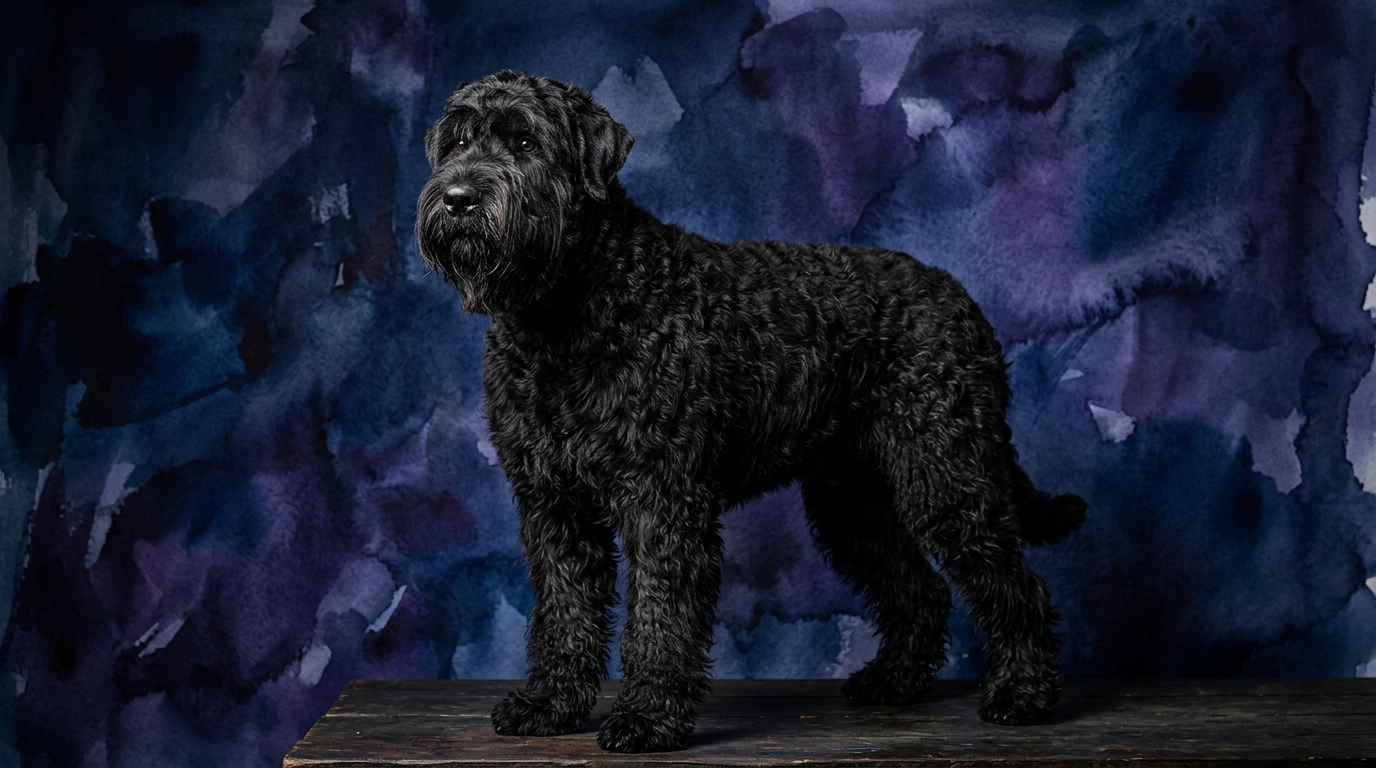
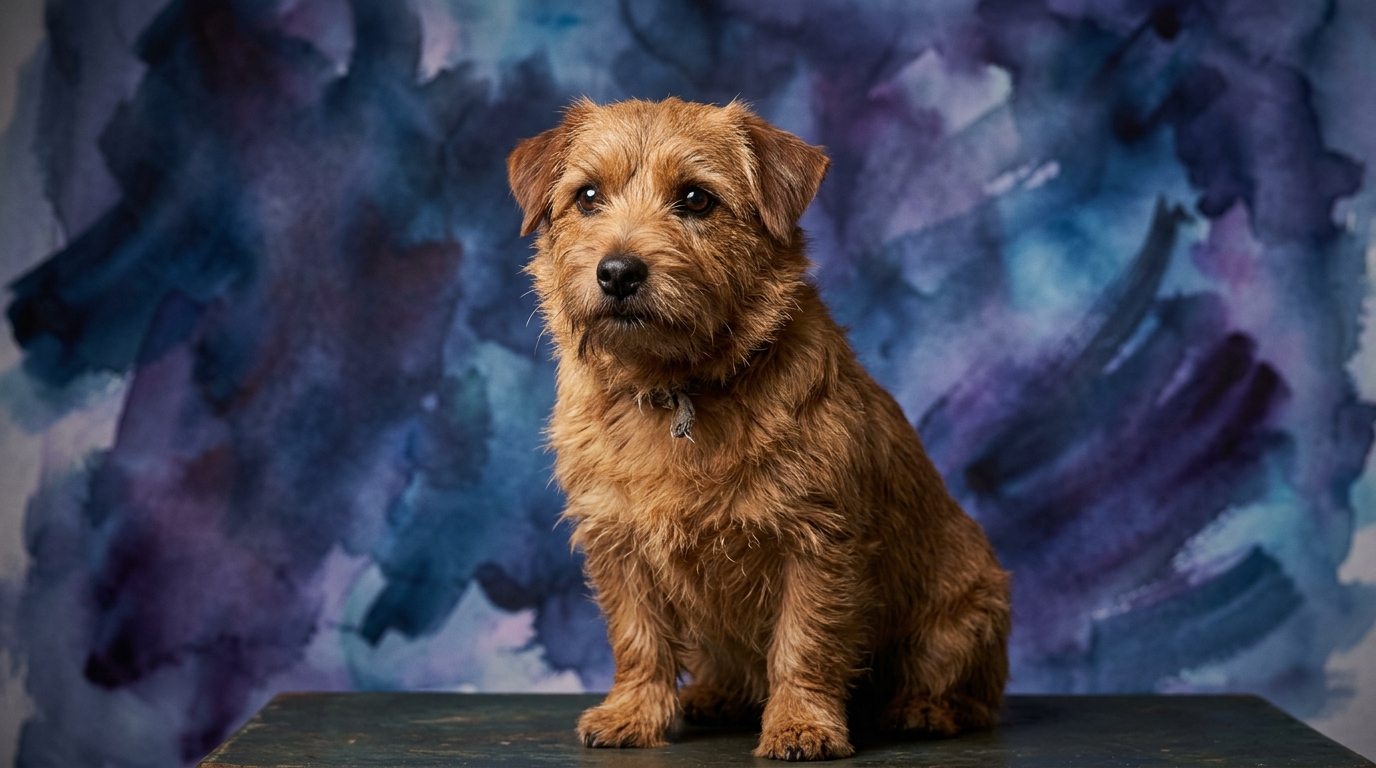
The Cosmic Pet Pet IQ Lab assigns both the Black Russian Terrier (BRT) and the Norfolk Terrier (NT) an identical score of 3/5 across all five cognitive dimensions. This parity on paper, however, belies the fascinating ways their breed-specific histories and physicalities shape the practical application of these cognitive strengths. Understanding these nuances requires examining each dimension through the lens of their working heritage.
For the Black Russian Terrier, a 3/5 in Problem Solving typically involves assessing environmental cues for potential threats or vulnerabilities within their designated territory, reflecting their origins as military and guard dogs. Their solutions often lean towards strategic observation and protective actions, rather than intricate puzzle-solving for treats. This capacity allows them to navigate complex security scenarios with a deliberate and calculated approach.
The Norfolk Terrier's 3/5 Problem Solving, by contrast, often manifests as tenacious resourcefulness in pursuit of small prey, such as figuring out how to access a rodent’s burrow or outmaneuvering a critter in tight spaces. Their solutions are often immediate, driven by instinct and a persistent, sometimes single-minded focus on their objective. This terrier ingenuity is less about broad strategy and more about direct, effective action.
Regarding Training Speed, both breeds score 3/5, indicating a solid capacity for learning new commands and routines. For the BRT, this means they can absorb complex multi-step tasks required for protection work, but their independent nature often necessitates a handler who provides clear, consistent, and confident leadership. They learn effectively when given a purpose and a strong framework.
The Norfolk Terrier's 3/5 Training Speed suggests they pick up cues readily, but their independent and spirited terrier nature means engagement is key, and they might choose to comply based on perceived reward or interest rather than sheer biddability. Training for a Norfolk often needs to be fun, varied, and highly motivating to consistently capture their attention and cooperative spirit.
Social Intelligence at 3/5 for the Black Russian Terrier points to a keen awareness of their human family's dynamics and emotional states, often displaying a deep bond and protective instincts towards their inner circle. However, this social acumen often comes with a reserved or watchful demeanor towards strangers, a hallmark of their guardian role. They discern friend from potential foe with a serious, evaluative gaze.
The Norfolk Terrier's 3/5 Social Intelligence translates to an ability to read their human companions well, often being charming and engaging within their family unit. They tend to be confident and can be quite outgoing with familiar people, but their terrier boldness means they might not back down from perceived challenges from other dogs or unfamiliar situations. They are socially savvy in a more direct, sometimes assertive, manner.
Instinctive Drive for the Black Russian Terrier, at 3/5, is powerfully geared towards protection, guarding, and territorial defense, reflecting their working heritage. This drive manifests as a strong desire to patrol, observe, and secure their environment and family, rather than a high prey drive typical of many sporting breeds. Their instincts are rooted in vigilance and guardianship.
The Norfolk Terrier's 3/5 Instinctive Drive is overwhelmingly characterized by a strong prey drive, a persistent digging instinct, and a propensity for vocalization, all stemming from their history as vermin hunters. This drive makes them tenacious, determined, and often oblivious to distractions when a scent or small animal catches their attention. Their instincts are about the hunt and the chase.
Finally, Memory at 3/5 for both breeds indicates a good capacity to retain learned behaviors, positive and negative experiences, and environmental layouts. A BRT will remember specific training commands for years and recall individuals who posed a threat or were welcomed guests. A Norfolk Terrier will remember where the best digging spots are, the routine for walks, and which humans dispense the best treats, applying their memory to their daily adventures.
Where the Black Russian Terrier Excels Cognitively
The Black Russian Terrier truly shines in situations demanding strategic discernment and a composed response under pressure, a cognitive strength directly tied to their working group heritage. Their 3/5 Problem Solving, combined with their protective Instinctive Drive, allows them to excel at evaluating complex social situations, identifying subtle shifts in human behavior, and responding with a measured, rather than impulsive, protective action. This is not about solving a puzzle box for a treat, but about assessing and mitigating a perceived threat to their family or territory.
Their substantial physical presence combined with their cognitive capacity for memory and social intelligence makes them adept at remembering boundaries and roles. A BRT can be trained to understand intricate security protocols, remembering specific individuals who are allowed entry versus those who are not, and consistently applying these rules. This precise application of learned information, anchored by their protective drive, gives them an edge in roles requiring consistent, reliable guardianship.
Where the Norfolk Terrier Excels Cognitively
The Norfolk Terrier's cognitive strengths lie in their tenacious, independent problem-solving, particularly when faced with challenges requiring persistence and ingenuity in confined or complex environments. Their 3/5 Problem Solving, heavily influenced by their 3/5 Instinctive Drive, manifests as an unwavering determination to achieve a goal, such as locating a hidden toy or navigating an obstacle course with singular focus. This is a dog that will not easily give up on a mental challenge once they set their mind to it.
Their smaller size and agility, coupled with their cognitive memory, allow them to navigate and exploit tight spaces with remarkable efficiency, remembering the quickest routes and hiding spots. This makes them remarkably resourceful in their own way, capable of finding creative solutions to access desired items or explore new areas. Their intelligence is often expressed through their charmingly stubborn pursuit of their own interests.
Which Is Easier to Train and Why?
When considering ease of training, despite both breeds scoring 3/5 in Training Speed, their fundamental temperaments and physical attributes create distinct challenges. The Black Russian Terrier, with its imposing size and inherent protective instincts, demands a handler who is experienced, confident, and consistent from day one. While they are capable of learning complex commands quickly, their sheer power means that any lapses in training or socialization can have significant consequences, requiring firm, fair, and early intervention to channel their protective drives appropriately. Training a BRT is about establishing clear leadership and managing a powerful, purposeful animal.
The Norfolk Terrier, on the other hand, presents a different kind of training challenge. Their small stature belies a big personality, characterized by the typical terrier independence, strong prey drive, and occasional stubbornness. While they grasp concepts readily, getting consistent compliance often requires creative, engaging training methods that make learning feel like a game, rather than a chore. Their tendency to follow their nose or their own agenda means that distraction management and high-value rewards are often crucial. Training a Norfolk is less about managing raw power and more about outwitting a charmingly independent spirit.
Therefore, neither breed can be definitively labeled 'easier' to train; rather, they demand different training approaches. The BRT requires a strong leader to harness their immense potential and ensure their protective instincts are channeled constructively, while the NT benefits from a patient, humorous, and highly motivating approach to keep their spirited independence engaged in learning. An experienced handler might find the BRT more gratifying for complex tasks, while a first-time owner might find the NT's small size less intimidating, though still a significant training commitment.
Which Suits Active Owners vs. Relaxed Owners?
The Black Russian Terrier is unequivocally suited for active owners who are prepared for a significant commitment to their dog's physical and mental well-being. Their working group background means they thrive on having a 'job,' whether it's protection training, competitive obedience, or simply extensive daily exercise and patrolling their yard. A BRT requires considerable physical activity to prevent boredom and destructive behaviors, along with consistent mental stimulation to engage their problem-solving and memory skills. They are not a breed for a sedentary lifestyle or owners seeking a low-maintenance companion; they need an owner who can match their robust energy and dedication.
The Norfolk Terrier, while smaller, is far from a couch potato and still requires an active owner, though perhaps not to the same intense degree as a BRT. Their terrier heritage means they possess bursts of energy, a love for exploring, and a need for regular walks, playtime, and opportunities to satisfy their digging and chasing instincts in a controlled environment. They can adapt to apartment living if their exercise needs are consistently met, but they are not content with minimal activity. A 'relaxed' owner for a Norfolk would still need to be committed to daily walks, engaging play sessions, and providing mental enrichment to prevent boredom and mischief. They are more adaptable than a BRT but still need an outlet for their spirited energy.
The Verdict: When to Choose Each Breed
The choice between a Black Russian Terrier and a Norfolk Terrier hinges on an owner's lifestyle, experience, and specific expectations for a canine companion. Despite their identical IQ scores, their cognitive manifestations are tailored to vastly different roles.
Choose a Black Russian Terrier if you are an experienced dog owner with a confident leadership style, seeking a dedicated, protective companion who thrives on consistent training, a structured environment, and ample physical and mental challenges. This breed is ideal for those who appreciate a powerful, discerning guardian and are prepared for the significant commitment their care entails.
Opt for a Norfolk Terrier if you appreciate a spirited, independent, and charming companion in a smaller package, and are prepared for their tenacious terrier antics and a consistent, engaging training approach. This breed suits owners who enjoy regular activity, value a dog with a big personality, and can provide the mental and physical stimulation to keep their resourceful nature happily occupied.
The Verdict
Choose a Black Russian Terrier if you are an experienced owner seeking a powerful, discerning guardian who thrives on consistent training, a structured environment, and ample physical and mental challenges. They are ideal for those prepared for the significant commitment their care entails and desire a dedicated protector.
Opt for a Norfolk Terrier if you appreciate a spirited, independent, and charming companion in a smaller package, and are prepared for their tenacious terrier antics and a consistent, engaging training approach. They suit owners who enjoy regular activity, value a dog with a big personality, and can provide the mental and physical stimulation to keep their resourceful nature happily occupied.
🧠 Find Your Pet's IQ Score
Our Pet IQ Lab assessment covers 25+ tests across 5 cognitive dimensions — personalized to your breed.
Take the Full IQ Test →Frequently Asked Questions
Do Black Russian Terriers and Norfolk Terriers truly have the same intelligence?
According to The Cosmic Pet Pet IQ Lab, both breeds score identically across five cognitive dimensions. However, their intelligence manifests differently due to their distinct histories and breed traits, shaping how they apply their problem-solving or social skills in real-world scenarios.
Which breed is better for families with children?
Both breeds can be good with children when properly socialized from a young age and raised with respectful interactions. The Black Russian Terrier's protective nature requires careful management, while the Norfolk Terrier's spirited independence means children must be taught to respect their space and boundaries. Proper introductions and supervision are key for both.
What are the key differences in their instinctive drives?
The Black Russian Terrier's instinctive drive is primarily geared towards protection, guarding, and territorial defense, reflecting their working heritage. The Norfolk Terrier's drive is dominated by strong prey drive, digging, and vocalization, stemming from their history as vermin hunters. These core instincts shape their behaviors and training needs significantly.