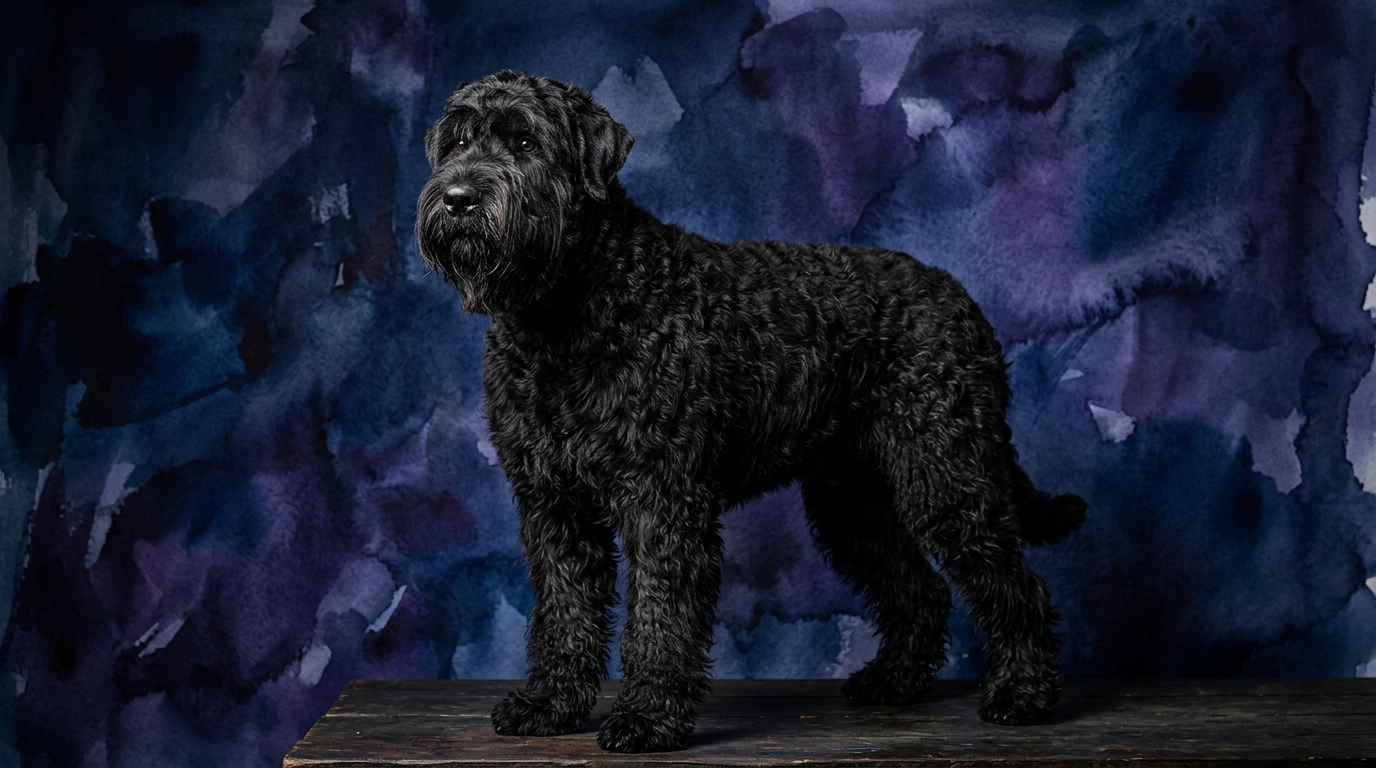
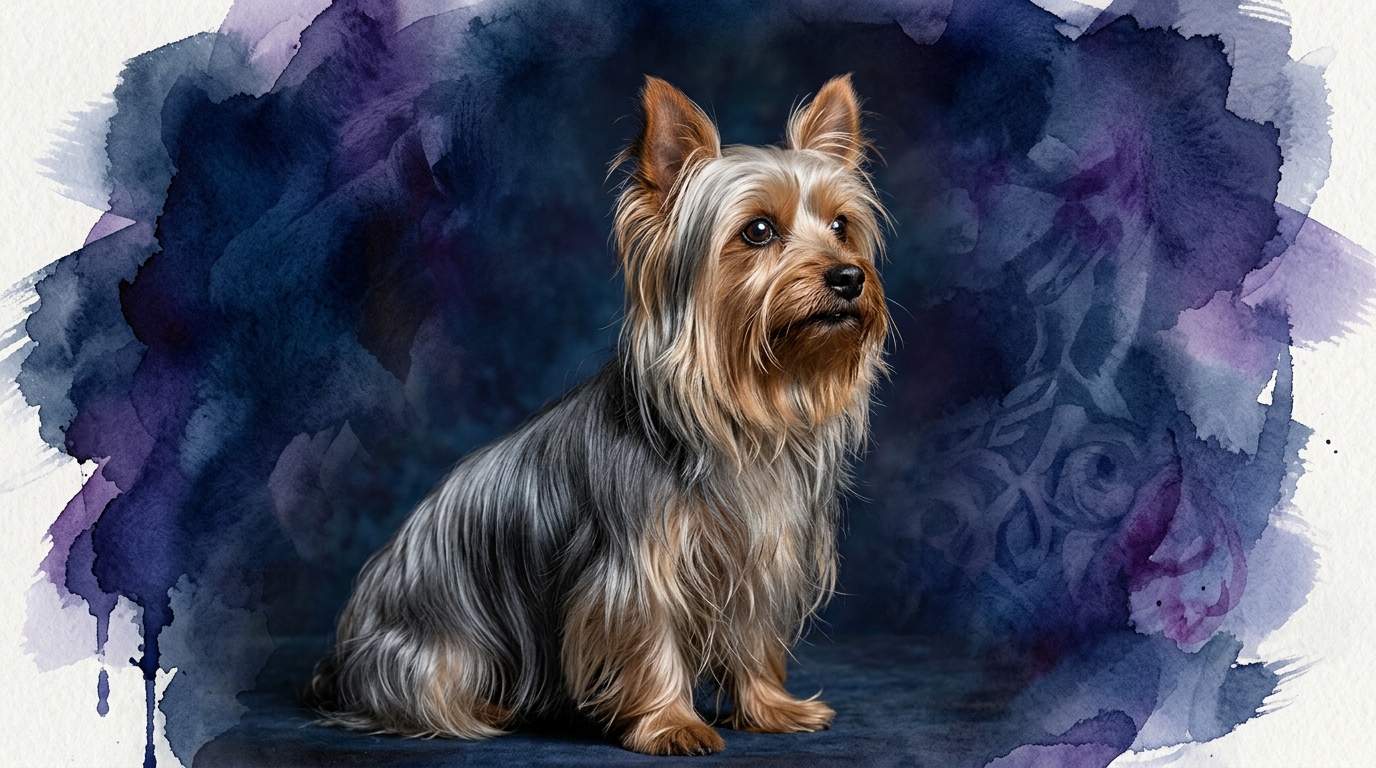
Side-by-Side Pet IQ Profiles
The Cosmic Pet Pet IQ Lab evaluates canine cognition across five distinct dimensions, providing a granular view of how breeds process information and interact with their world. Both the Black Russian Terrier and the Silky Terrier surprisingly share a consistent score of 3 out of 5 across all these categories, suggesting a baseline of moderate, practical intelligence, yet expressed through vastly different breed lenses.
For Problem Solving (3/5), the Black Russian Terrier demonstrates a practical capacity to navigate moderately complex situations, such as discerning how to open a gate or identifying optimal patrol routes, often leveraging their physical prowess and keen observational skills rather than abstract reasoning. The Silky Terrier, with its identical 3/5 in Problem Solving, applies a quick, inquisitive mind to smaller-scale challenges, perhaps figuring out how to retrieve a hidden treat or mastering a multi-step trick sequence, driven by their inherent terrier wit and curiosity.
Training Speed (3/5) for the Black Russian Terrier indicates they learn new commands and routines at a steady, deliberate pace. They require clear, consistent instruction and repetition, valuing a structured learning environment where their guardians provide firm, patient guidance. The Silky Terrier also scores 3/5 in Training Speed, suggesting they grasp new concepts with moderate rapidity, often responding best to engaging, reward-based methods that keep their spirited attention and prevent boredom.
Social Intelligence (3/5) in the Black Russian Terrier manifests as a discerning understanding of social hierarchies and boundaries within their family unit, coupled with a reserved, observant approach to strangers. They are attuned to their guardian's moods and intentions, reacting with appropriate protective instincts when perceived necessary. The Silky Terrier's 3/5 in Social Intelligence reflects their ability to adapt to various social settings and bond closely with their human companions, often displaying an intuitive grasp of human emotions and a readiness to engage playfully or offer comfort.
Instinctive Drive (3/5) for the Black Russian Terrier is rooted in their heritage as a multi-purpose working dog, displaying a moderate yet persistent drive for tasks like guarding, territorial patrol, and family protection. This drive is purposeful and measured, not impulsive, requiring appropriate outlets to be channeled constructively. The Silky Terrier’s 3/5 in Instinctive Drive showcases their classic terrier tenacity and prey drive, manifesting in spirited chasing of small animals or toys, and a determined approach to exploring their environment, reflecting their historical role as vermin hunters.
Finally, Memory (3/5) for the Black Russian Terrier suggests they retain learned commands, routines, and experiences over time with reasonable consistency. They form lasting associations with people and places, remembering specific training cues and family members' habits. The Silky Terrier's 3/5 in Memory enables them to recall a repertoire of tricks, household rules, and preferred play partners, demonstrating a reliable ability to store and retrieve information relevant to their daily lives and interactions.
Where the Black Russian Terrier Wins Cognitively
Despite identical scores, the Black Russian Terrier's cognitive strengths often lie in applications requiring robust physical presence and a measured, protective demeanor. Their problem-solving, while rated 3/5, is often geared towards real-world security scenarios, where their size and territorial instincts provide a unique edge in assessing and responding to environmental cues. Their social intelligence, similarly rated 3/5, translates into a profound understanding of their guardian's needs for security and a discerning ability to differentiate between welcomed guests and potential threats, making them adept at nuanced protective roles. The deliberate pace of their training and the strength of their memory ensures that once a task, especially one related to guarding or family routine, is learned, it is deeply ingrained and reliably executed, making them exceptionally consistent in established behaviors.
Where the Silky Terrier Wins Cognitively
The Silky Terrier, with its equally matched 3/5 scores, demonstrates cognitive advantages in areas that benefit from agility, quickness, and adaptability within a smaller package. Their problem-solving, though the same score, often involves more intricate manipulation of objects or navigating complex indoor environments, using their compact size and nimble paws. Their instinctive drive, also 3/5, translates into a spirited enthusiasm for interactive games and a determined pursuit of toys, making them engaging companions for active play sessions. The Silky's social intelligence, while sharing the same rating, often allows for greater flexibility in varied social settings, quickly assessing and adjusting to new people or pets with a charming, inquisitive approach, rather than the BRT's more reserved assessment.
Which is Easier to Train and Why
While both breeds score 3/5 in training speed, the 'ease' of training can differ significantly due to their inherent temperaments and motivations. The Black Russian Terrier's deliberate learning style and strong working drive means they thrive on consistency, clear expectations, and a guardian who establishes firm, confident leadership. They learn best when tasks are presented logically and with a sense of purpose, often showing immense loyalty once they understand their role. However, their independent streak can sometimes lead to resistance if they perceive commands as arbitrary or if their guardian lacks conviction, requiring patience and a structured approach to overcome.
The Silky Terrier, in contrast, learns at a similar pace but often responds more favorably to positive reinforcement, engaging games, and varied training techniques that prevent boredom. Their spirited nature and desire for interaction mean they can be highly motivated by treats, praise, and play. However, their terrier tenacity can sometimes manifest as stubbornness or a short attention span if training isn't kept fun and stimulating. While they may pick up tricks quickly, ensuring consistent obedience requires guardians to be creative and consistent in maintaining their interest, leveraging their natural curiosity rather than relying solely on repetition.
Which Suits Active Owners vs. Relaxed Owners
For active owners, the Black Russian Terrier is an ideal match. Their robust build and inherent working drive necessitate regular, vigorous exercise, structured training sessions, and mental engagement that challenges their protective instincts and problem-solving abilities. Owners must be prepared for long walks, advanced obedience, and potentially protection sports or similar activities to fulfill their cognitive and physical needs. A 'relaxed' owner who cannot provide consistent mental and physical outlets might find themselves with a bored, potentially destructive or overly watchful companion, as their 3/5 instinctive drive requires a purposeful outlet.
The Silky Terrier, while energetic and spirited for a toy breed, can adapt more readily to owners with a moderately active lifestyle. They enjoy daily walks, interactive play sessions, and opportunities for mental stimulation through puzzle toys or learning new tricks. Their size makes them suitable for apartment living, provided they receive sufficient daily engagement to satisfy their 3/5 instinctive drive and problem-solving curiosity. While they appreciate companionship and playtime, a 'relaxed' owner who enjoys engaging in shorter, focused activities and providing ample lap time will find a Silky Terrier to be a delightful and adaptable companion, requiring less intense physical exertion than their larger counterpart.
The Verdict
Choose the Black Russian Terrier if you are an experienced, active owner seeking a devoted, protective companion for a structured environment, ready to engage deeply with their deliberate learning and powerful instincts.
Opt for the Silky Terrier if you desire a spirited, adaptable companion who thrives on playful interaction and moderate activity, suitable for varied living situations and owners who appreciate a charming, tenacious personality.
🧠 Find Your Pet's IQ Score
Our Pet IQ Lab assessment covers 25+ tests across 5 cognitive dimensions — personalized to your breed.
Take the Full IQ Test →Frequently Asked Questions
Do identical IQ scores mean these breeds are equally 'smart'?
Identical scores of 3/5 across the board suggest a similar *level* of cognitive ability in each dimension. However, the *application* and *manifestation* of that intelligence are vastly different, shaped by their distinct breed purposes and physical attributes. It's about how their moderate abilities are expressed in their respective worlds.
Which breed is better for first-time dog owners?
Neither breed is typically recommended for novice owners without significant preparation and commitment. The Black Russian Terrier's size, protective instincts, and need for consistent leadership require an experienced hand. The Silky Terrier's spirited nature and potential for stubbornness also benefit from an owner familiar with positive reinforcement and consistent training to manage their lively personality.
How do their social intelligence scores (3/5) differ in practice?
In practice, the Black Russian Terrier's 3/5 social intelligence often means a reserved, discerning approach to new people, primarily focused on family protection and loyalty. The Silky Terrier's 3/5 social intelligence typically translates to a more adaptable and openly inquisitive nature with strangers, showing a readiness to engage playfully once comfortable, though still discerning in its own terrier way.