Side-by-Side IQ Profile: Scent Masters vs. Balanced Hunters
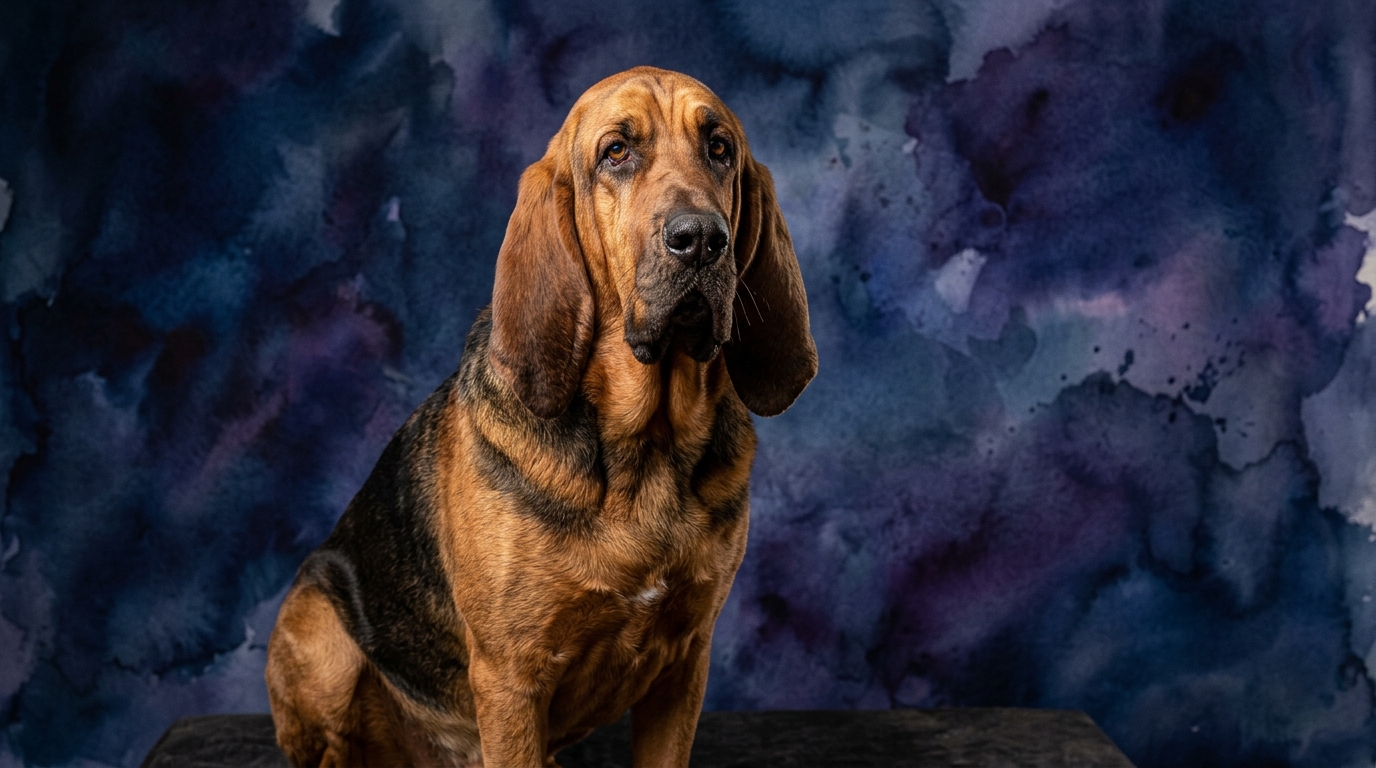
The Cosmic Pet Pet IQ Lab categorizes canine intelligence across five critical dimensions: Problem Solving, Training Speed, Social Intelligence, Instinctive Drive, and Memory. For the Bloodhound, a breed Coren-ranked at #74, these metrics paint a picture of specialized genius. Its Problem Solving ability earns a perfect 5/5, reflecting its unparalleled capacity to follow complex scent trails, often for miles, through varied terrain and distractions. This is not rote memorization but an active, adaptive process of interpreting environmental cues. Its Training Speed, however, registers a low 1/5, indicating a strong independent streak and a tendency to prioritize its olfactory mission over human directives. Social Intelligence is modest at 2/5; while capable of bonding, its primary focus isn't human interaction in the same way a companion breed's might be. Instinctive Drive is an undeniable 5/5, almost entirely dedicated to scent work, making it relentless in pursuit of a trail. Memory, particularly for scents and routes, is an impressive 5/5, allowing it to recall and process vast amounts of olfactory information.
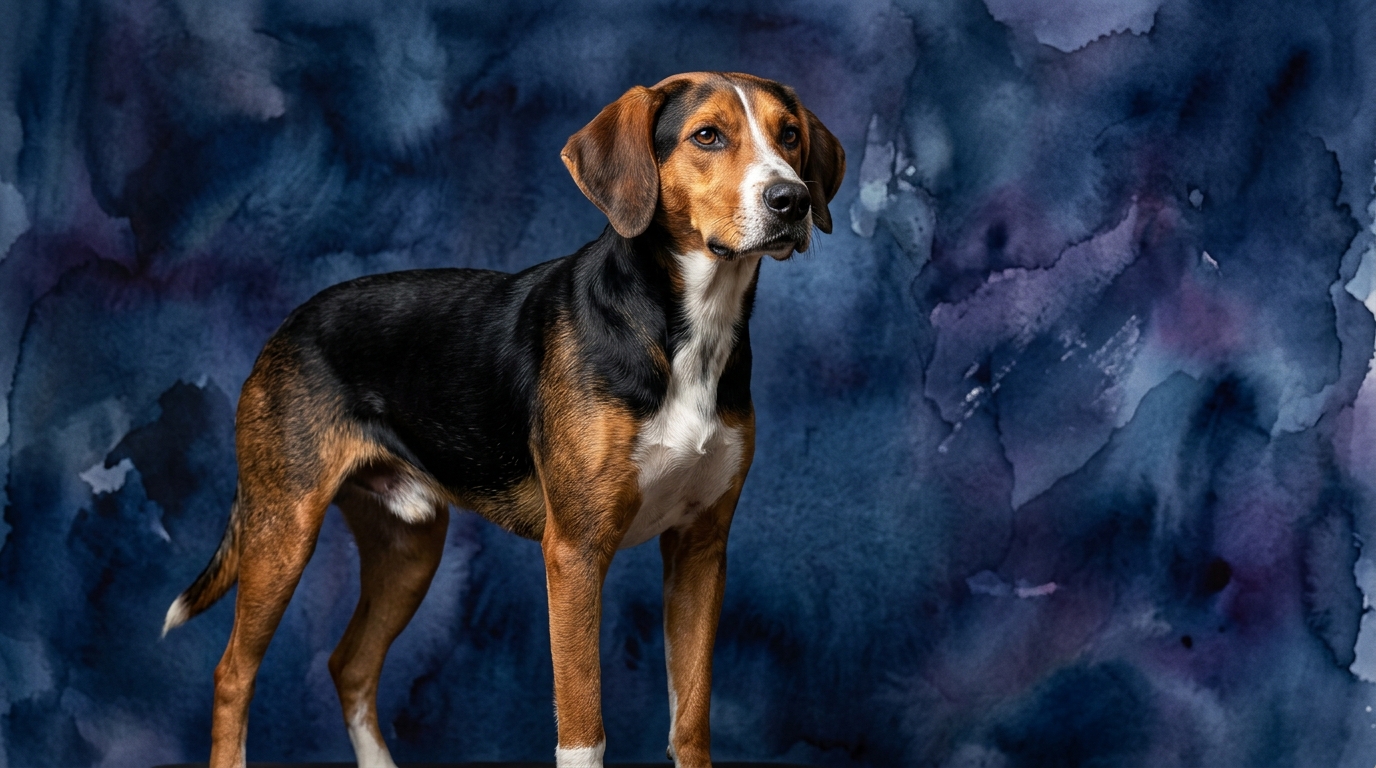
The American Foxhound, not Coren-ranked, presents a more balanced, generalized cognitive profile, reflective of its role as a pack hunter. Its Problem Solving ability is rated at 3/5, indicating a moderate capacity for navigating challenges, often relying on instinct and group cooperation rather than individual, intricate solutions. Training Speed is also 3/5, suggesting an average aptitude for learning commands, capable of being taught but perhaps without the rapid uptake seen in some working breeds. Social Intelligence stands at 3/5, emphasizing its historical role in a pack, where cooperation and awareness of fellow dogs were paramount. This translates to a generally amiable disposition towards humans and other canines. Instinctive Drive, at 3/5, is present but not overwhelming, typically focused on tracking and chasing game, but less singularly intense than the Bloodhound's scent drive. Memory, like its other attributes, is a balanced 3/5, sufficient for remembering hunting patterns and familiar territories.
Where the Bloodhound Excels Cognitively
The Bloodhound's cognitive superiority lies squarely within its domain of olfaction and persistent tracking. Its 5/5 Problem Solving isn't about solving abstract puzzles, but about deciphering a 'scent puzzle' — distinguishing a specific human or animal odor from a myriad of other smells, often days old and degraded. This involves complex cognitive processes like filtering, pattern recognition, and adaptive decision-making based on minute olfactory data. Their 5/5 Memory is specifically a memory for scent patterns and environmental context, allowing them to recall and re-engage with a trail after a break, or to process a long, winding path with incredible accuracy. This specialized memory and problem-solving capacity are unrivaled, making them the ultimate biological tracking device. When a Bloodhound is on a scent, its focus is absolute, demonstrating a level of singular cognitive dedication rarely seen in other breeds. This intense, specialized intellect is what sets them apart, making them invaluable in scenarios requiring precise and unwavering scent detection.
Where the American Foxhound Excels Cognitively
The American Foxhound's cognitive strengths are found in its adaptability and balanced approach to its environment. Its 3/5 Problem Solving, while not as specialized as the Bloodhound's, allows it to navigate a broader range of situations with pragmatic solutions. This breed is less likely to become fixated on a single sensory input and more capable of assessing a situation holistically. Their 3/5 Social Intelligence is a significant advantage, fostering better cooperation with humans and other dogs, which is crucial for group activities like hunting or living in a multi-dog household. This makes them more amenable to varied social dynamics and easier to integrate into different family structures. Furthermore, their moderate Instinctive Drive (3/5) means their pursuit instincts are manageable and can be channeled into diverse activities beyond just a single-minded hunt. This cognitive flexibility allows them to excel in environments where a broader range of social and environmental cues need to be processed and responded to, rather than just one overwhelming task.
Training Dynamics: Independence vs. Cooperation
When it comes to training, the core difference lies in their inherent motivations and attention spans. The Bloodhound's 1/5 Training Speed is a direct consequence of its 5/5 Instinctive Drive. A Bloodhound's brain is wired to prioritize scent. If there's a compelling odor, human commands often become secondary. Training a Bloodhound requires immense patience, consistency, and a deep understanding of positive reinforcement, often needing to integrate scent-based rewards or training into their natural drive. They are not 'disobedient' in the malicious sense, but rather supremely focused on their primary cognitive function. Their low Social Intelligence also means they are less motivated by pleasing a human handler and more by satisfying their own deep-seated drives. This leads to a training experience that can be challenging, requiring an owner to be more of a guide to their natural instincts than a commander of their will, especially in distracting environments.
The American Foxhound, with its 3/5 Training Speed and 3/5 Social Intelligence, presents a more straightforward training prospect for the average owner. They are generally more responsive to human direction and more willing to engage in cooperative learning. Their moderate Instinctive Drive means that while they enjoy a good chase or track, it's less likely to completely override their capacity to listen and learn. They respond well to consistent, positive training methods and can learn a variety of commands and routines. While they still possess a hound's independent spirit, it's tempered by a greater inclination towards social interaction and a desire to be part of a 'pack,' which includes their human family. This makes them generally easier to motivate with praise, treats, and play, leading to a more conventional and often quicker training progression compared to the singularly focused Bloodhound.
Lifestyle Match: Dedicated Pursuit vs. Versatile Companion
The cognitive profiles of these two breeds dictate very different ideal living situations. A Bloodhound, with its overwhelming 5/5 Instinctive Drive and 5/5 Memory for scent, thrives with owners who can provide a dedicated outlet for its natural abilities. This means regular opportunities for scent work, tracking, or participation in search and rescue activities. A Bloodhound needs an active owner who understands that 'exercise' for this breed isn't just a walk around the block, but a mentally stimulating scenting adventure. Their low Social Intelligence means they might not be the most effusive cuddlers, preferring to engage in their work. Owners who are relaxed or unable to commit to extensive, structured scent-based activity will find a Bloodhound challenging, as their unfulfilled drive can lead to boredom, destructive behaviors, or an unstoppable urge to follow a scent if off-leash. They need secure environments where their nose won't lead them astray.
The American Foxhound, with its more balanced 3/5 scores across the board, is better suited for active owners who enjoy a variety of outdoor pursuits. Their moderate Instinctive Drive means they enjoy running, hiking, and exploring, but their energy is more broadly applicable. They are excellent companions for long jogs or exploring trails, and their 3/5 Social Intelligence makes them more generally amenable to family life and social outings. While they need regular exercise to prevent boredom, it doesn't have to be as specialized or intense as a Bloodhound's. They can adapt to a wider range of active lifestyles, from suburban homes with large yards to rural settings, as long as they receive consistent physical activity and mental engagement. Relaxed owners might find their energy levels a bit much, but for those who enjoy an active, versatile canine partner, the American Foxhound is a fitting choice.
The Verdict
Choose the Bloodhound if you are a dedicated, active owner passionate about specialized scent work, willing to commit to extensive training that channels their singular, powerful drive.
Opt for the American Foxhound if you seek a versatile, active companion for varied outdoor adventures, appreciating a balanced temperament and more conventional trainability.
🧠 Find Your Pet's IQ Score
Our Pet IQ Lab assessment covers 25+ tests across 5 cognitive dimensions — personalized to your breed.
Take the Full IQ Test →Frequently Asked Questions
Is a Bloodhound difficult to live with due to its low training speed?
A Bloodhound's low training speed stems from its intense focus on scent, not a lack of capacity. Living with one requires an owner to understand and channel this drive, providing ample opportunities for scent work and consistent, patient training tailored to their independent nature. They are not inherently difficult, but require a specific kind of engagement.
Can an American Foxhound be a good family pet despite its hunting background?
Yes, American Foxhounds can be excellent family pets, particularly for active families. Their moderate social intelligence means they generally get along well with children and other pets, especially if socialized early. They thrive when included in family activities and given sufficient exercise to manage their energy.
Which breed is better for off-leash activities?
The American Foxhound, with its more moderate instinctive drive and higher trainability, is generally a safer choice for off-leash activities in secure areas once recall is mastered. A Bloodhound's overwhelming scent drive means it will almost always follow a compelling scent, making off-leash reliability extremely challenging and potentially dangerous in open environments.