Side-by-Side IQ Profile
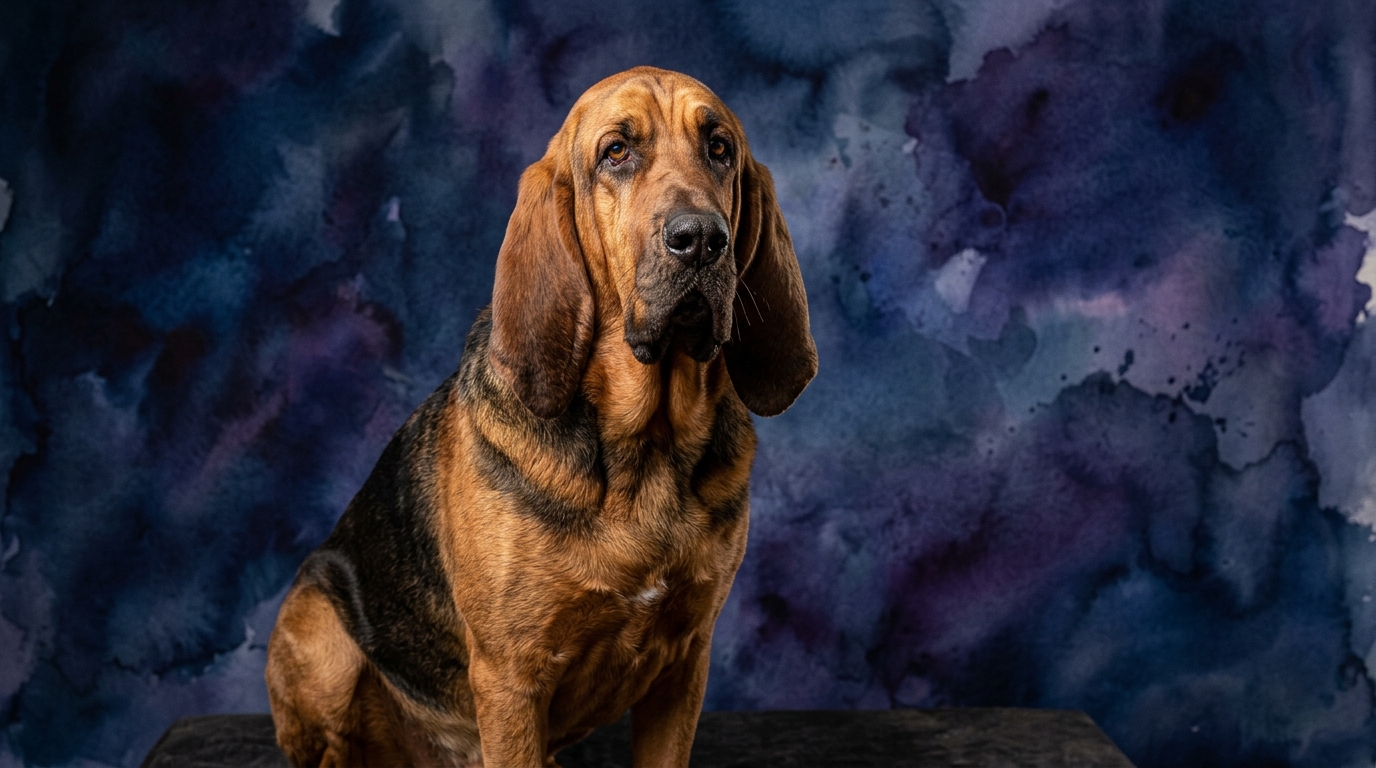
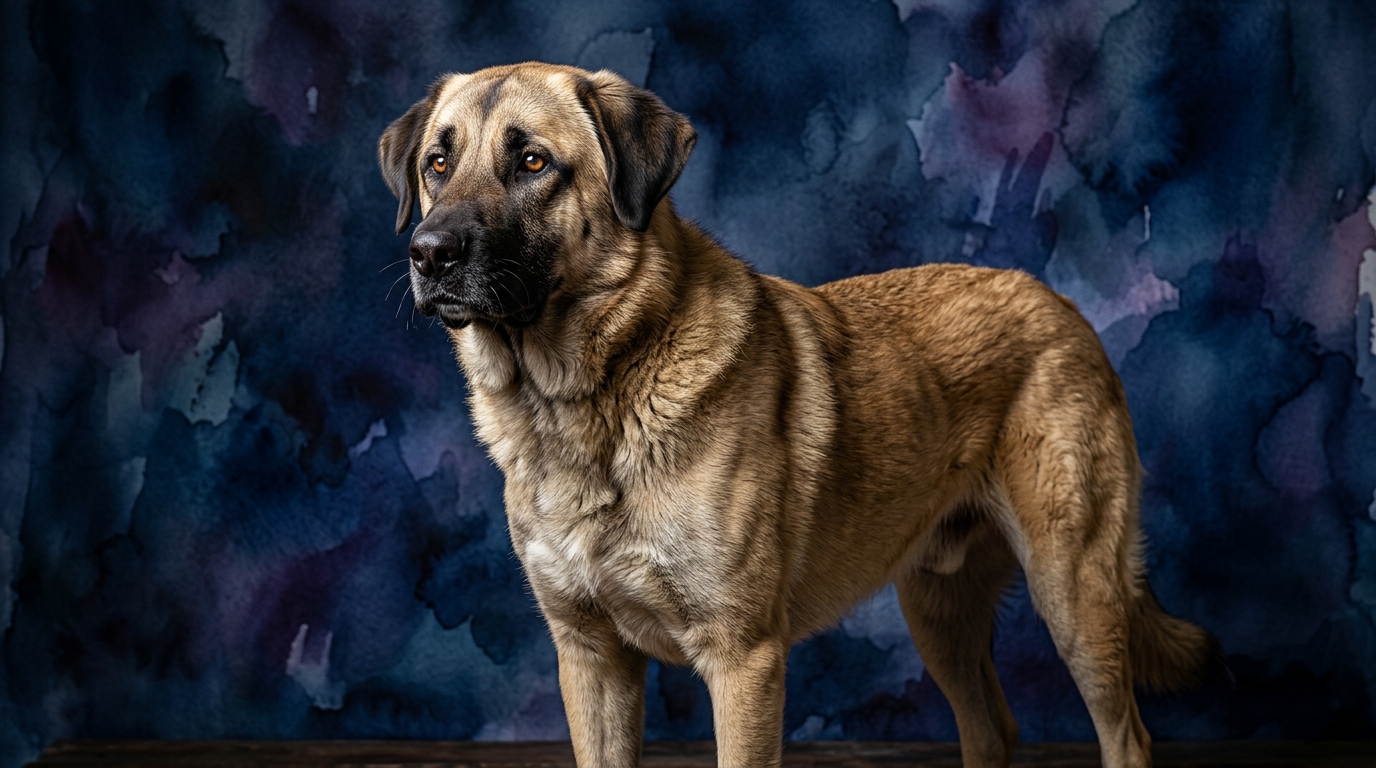
The Cosmic Pet Pet IQ Lab data reveals distinct cognitive blueprints for these two breeds. The Bloodhound, a Hound breed, registers a Coren rank of #74, while the Anatolian Shepherd Dog, a Working breed, is not Coren-ranked, reflecting their specialized, rather than generalized, cognitive roles.
Bloodhound's Cognitive Blueprint: This breed's entire processing system is geared towards scent. Their Problem Solving is rated 5/5, indicating an extraordinary capacity to unravel complex olfactory trails, differentiate individual odors, and follow a specific target through varied environments. However, their Training Speed is 1/5, as their profound focus on scent makes redirection challenging. Social Intelligence is 2/5; while amiable, they are often less attuned to subtle human cues than to environmental scents. Their Instinctive Drive is a perfect 5/5, an all-consuming compulsion to track. Memory, also 5/5, is exceptional for scent profiles and the pathways associated with them.
Anatolian Shepherd Dog's Cognitive Blueprint: This breed's intelligence is rooted in practical guardianship. Their Problem Solving is 3/5, demonstrating skills in assessing threats, strategically positioning themselves, and making independent decisions about intervention, rather than abstract puzzles. Training Speed is 3/5; they are capable learners but respond best to instruction aligned with their purpose, often exhibiting independence. Social Intelligence is 3/5, geared towards understanding flock dynamics and discerning external threats. Instinctive Drive is 3/5, a strong territorial and protective nature. Memory is 3/5, functional for remembering territory, routines, and past threats, contributing to effective guardianship.
Where Bloodhound Wins Cognitively
The Bloodhound's cognitive strengths are almost entirely specialized around olfaction. They possess an unparalleled ability to process and discriminate between millions of distinct scent molecules, constructing a detailed mental map from invisible chemical traces. Their sustained attentional focus, rated 5/5 for problem-solving in this domain, allows them to relentlessly pursue a trail for hours, overcoming obstacles and distractions that would completely derail other breeds. This specialized cognitive function, combined with their 5/5 memory for specific scent patterns, makes them the undisputed champions of tracking and scent detection, far surpassing the general cognitive abilities of the Anatolian Shepherd Dog in this niche.
Where Anatolian Shepherd Dog Wins Cognitively
The Anatolian Shepherd Dog excels in independent, real-time threat assessment and strategic decision-making within a dynamic environment. While their problem-solving is rated 3/5, it's a practical intelligence focused on situational awareness, identifying potential dangers to their charges, and reacting appropriately without direct human command. This involves processing multiple sensory inputs—sight, sound, and general environmental cues—to make nuanced judgments about safety and intervention. Their balanced instinctive drive (3/5) and social intelligence (3/5) allow them to effectively manage and protect a flock or family, a complex cognitive task requiring constant vigilance and adaptable responses, areas where the scent-focused Bloodhound would be profoundly out of its depth.
Which Is Easier to Train and Why
Neither breed is considered particularly straightforward to train in the conventional sense, but for very different reasons. The Bloodhound, with a training speed of 1/5, is notoriously challenging because their profound scent drive often overrides any desire to comply with human commands. Once they're 'on a scent,' their attentional tunnel vision makes it incredibly difficult to break their focus, requiring immense patience and highly rewarding, scent-based training methods to achieve even basic obedience. Their social intelligence, rated 2/5, means they might also be less responsive to subtle human cues.
The Anatolian Shepherd Dog, scoring 3/5 for training speed, is also independent but trainable if the owner understands their guardian instincts. They learn best when commands align with their perceived purpose, such as protecting their territory or family. Their training requires consistency, clear leadership, and an understanding that they will evaluate commands rather than blindly follow. While they can be stubborn, they are generally less prone to the singular, overwhelming distraction that defines a Bloodhound's scent-driven pursuits, making them more amenable to general obedience training, albeit requiring a firm and experienced hand.
Which Suits Active Owners vs. Relaxed Owners
The Bloodhound is unequivocally suited for highly active and dedicated owners who are prepared to channel their dog's intense instinctive drive (5/5) into productive outlets like scent work, tracking, or search and rescue. Their need for consistent mental stimulation through scent challenges and physical exercise to match their endurance is non-negotiable. A relaxed owner who cannot provide these outlets will quickly find themselves with a restless, vocal, and potentially destructive companion.
The Anatolian Shepherd Dog, while not a couch potato, suits owners who appreciate an independent, watchful presence rather than a constant companion for high-intensity activities. Their activity is often characterized by patrolling and observing their territory, rather than sustained, high-speed exertion. They thrive with owners who have property to guard or a 'flock' to oversee, and who understand their need for a clear purpose. While they need regular exercise, it's typically less about structured high-impact activity and more about providing a secure environment where they can fulfill their guardian role, making them a better fit for owners who are active in a different, more supervisory capacity.
The Verdict
Choose a Bloodhound if your lifestyle allows for intense, dedicated engagement in scent work and tracking, and you appreciate a dog whose world revolves around olfactory exploration.
Choose an Anatolian Shepherd Dog if you seek a vigilant, independent guardian for your property or family, and you value a canine companion whose decision-making is rooted in protection and situational awareness.
🧠 Find Your Pet's IQ Score
Our Pet IQ Lab assessment covers 25+ tests across 5 cognitive dimensions — personalized to your breed.
Take the Full IQ Test →Frequently Asked Questions
Are Bloodhounds easy to live with in a typical family home?
Bloodhounds can be affectionate family members, but their strong scent drive means they require secure containment and extensive mental and physical exercise focused on tracking. Their vocal nature and propensity to follow scents make them less 'easy' than some breeds in a standard suburban setting.
Can an Anatolian Shepherd Dog be a good pet without livestock to guard?
Yes, an Anatolian Shepherd Dog can be a devoted family pet, but they still retain their strong guarding instincts. They need a clear role in protecting their human family and home, ample space, and consistent training to manage their territorial nature.
Which breed is better for off-leash activities?
Neither breed is ideal for casual off-leash activities in unfenced areas. A Bloodhound's overwhelming scent drive means they will follow a trail irrespective of commands, while an Anatolian Shepherd Dog's territorial and protective instincts can lead them to challenge perceived threats or expand their 'patrol' area. Both require secure environments.