Side-by-Side IQ Profile: Specialized Scent vs. Balanced Terrier
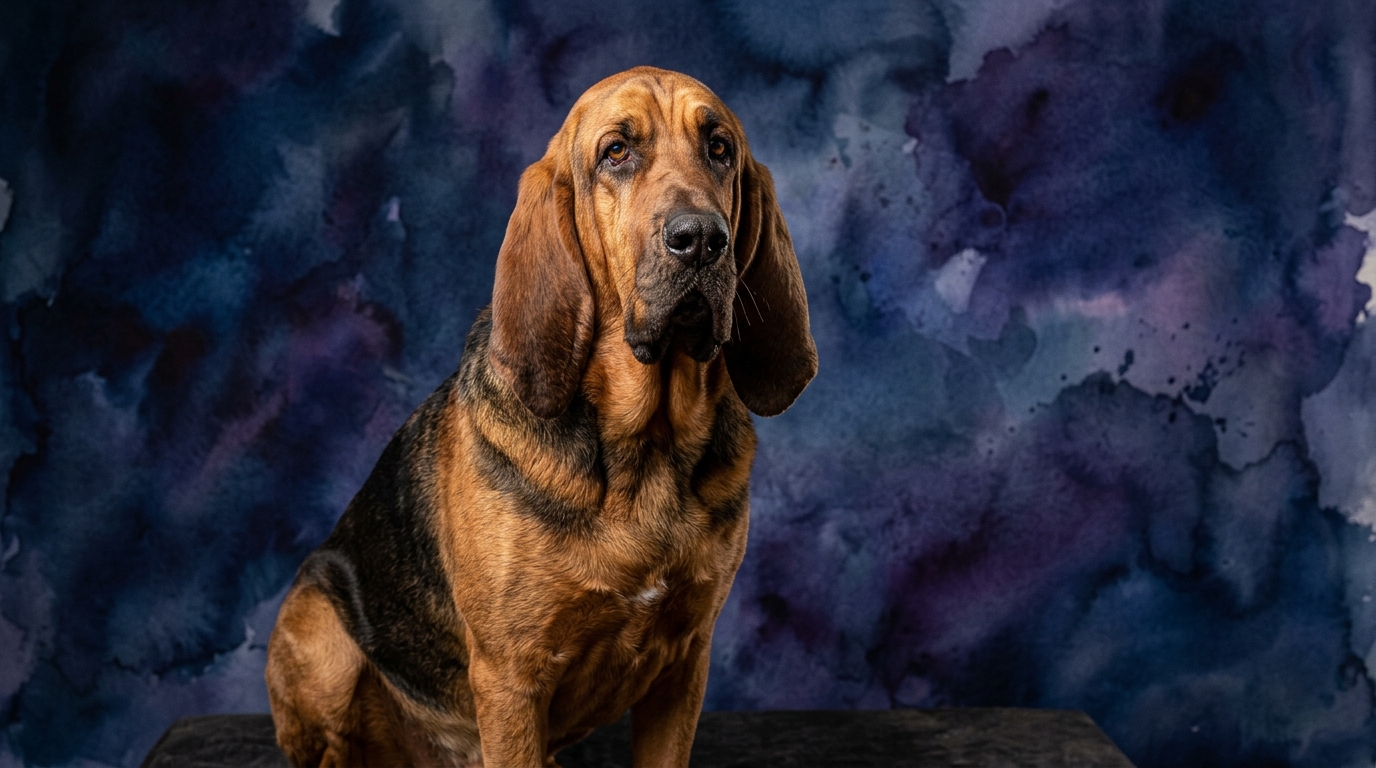
The Cosmic Pet Pet IQ Lab employs a five-dimensional framework to assess canine cognition, offering a granular view of how breeds process the world. For the Bloodhound, we observe a remarkable profile: Problem Solving 5/5, Training Speed 1/5, Social Intelligence 2/5, Instinctive Drive 5/5, and Memory 5/5. This paints a picture of a singularly focused intellect, unparalleled in its domain yet possessing specific challenges in other areas.
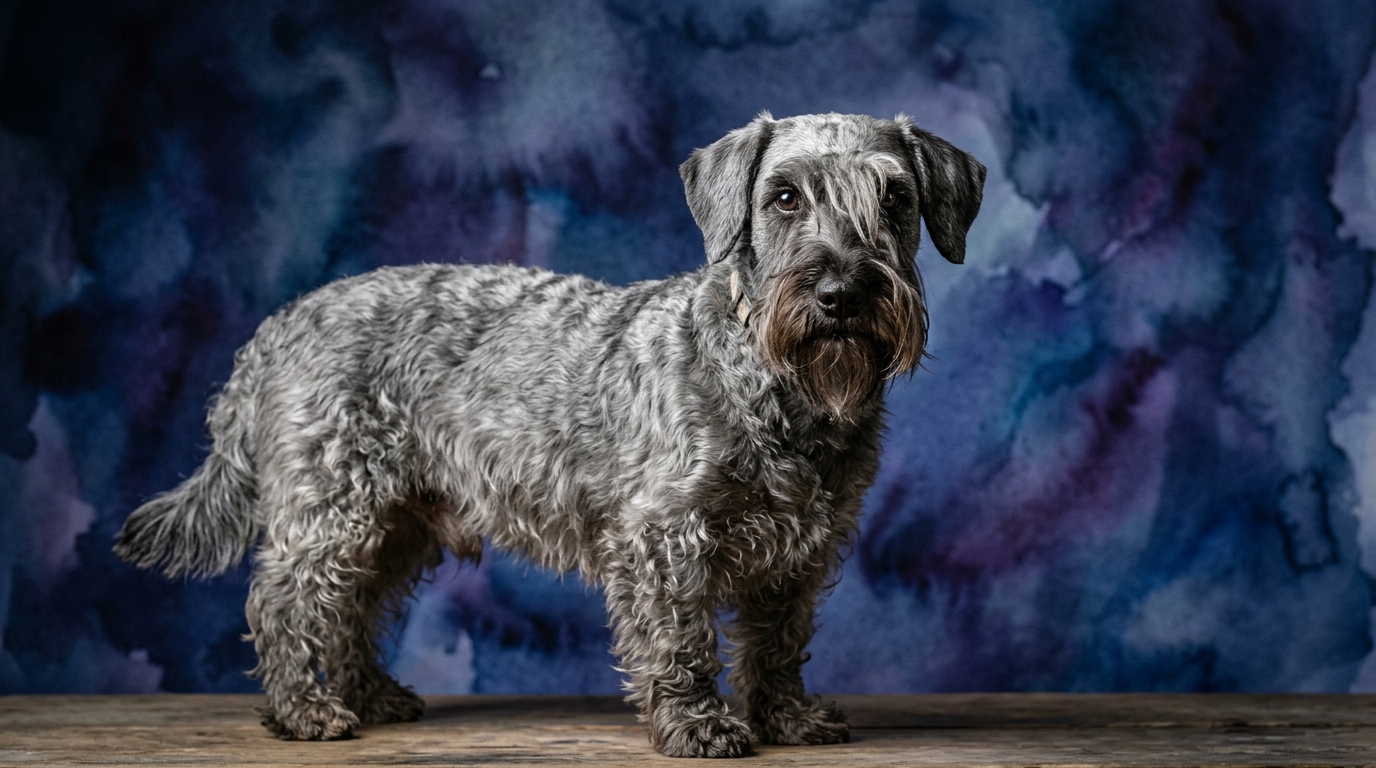
In contrast, the Cesky Terrier presents a more balanced cognitive spread: Problem Solving 3/5, Training Speed 3/5, Social Intelligence 3/5, Instinctive Drive 3/5, and Memory 3/5. Without a Coren ranking, the Cesky’s scores suggest a versatile, moderately capable companion, lacking the extreme peaks and valleys seen in its scent-tracking counterpart. This middle-ground profile indicates a dog that can adapt to various tasks and social settings without the intense specialization of a Bloodhound.
Where the Bloodhound Excels Cognitively
The Bloodhound's cognitive superiority undeniably lies within its extraordinary sensory processing and memory, specifically concerning olfaction. Its 5/5 score in Problem Solving is not indicative of abstract puzzle-solving, but rather an unparalleled ability to navigate, interpret, and resolve complex scent trails over vast distances and varied terrains. This involves intricate cognitive mapping, pattern recognition of scent molecules, and an unwavering focus to distinguish a target scent from countless others. Their memory, also scoring 5/5, is intimately tied to this, allowing them to retain and recall specific scent profiles and the paths associated with them for extended periods, making them the ultimate long-term trackers.
Furthermore, their 5/5 Instinctive Drive fuels this cognitive prowess, providing an almost unshakeable motivation to pursue a scent once engaged. This drive is a powerful internal engine, pushing them through fatigue and distractions, a testament to their evolutionary purpose. The Bloodhound’s intellect is a masterclass in specialized cognition, designed for a single, profound task: following a trail to its conclusion with relentless precision. This single-minded focus, while a strength in their niche, also contributes to their lower scores in areas like training speed and social intelligence, as their internal world is often dominated by olfactory data.
Where the Cesky Terrier Wins Cognitively
The Cesky Terrier’s cognitive advantages stem from its balanced and adaptable intelligence, which offers a broader range of applications compared to the Bloodhound's specialized genius. With a 3/5 in Problem Solving, the Cesky demonstrates a moderate capacity for general problem-solving, allowing them to figure out household challenges, navigate new environments, or learn various tricks. This score suggests a practical, versatile intellect that is neither overwhelmed by complexity nor limited by a singular focus, making them more generally resourceful.
Their 3/5 scores across Training Speed, Social Intelligence, and Memory indicate a well-rounded cognitive toolkit. A moderate training speed means they can learn new commands and routines at a reasonable pace, responding to conventional training methods more readily than the Bloodhound. Their social intelligence, also 3/5, allows them to read and respond to human cues and social dynamics within a family setting, fostering more reciprocal interactions. The 3/5 memory score ensures they retain general learning and experiences effectively, contributing to their overall trainability and adaptability in diverse situations. The Cesky's cognitive strengths lie in their ability to integrate into various human environments and learn a multitude of tasks without the intense, singular devotion to one specific domain.
Which is Easier to Train and Why
When it comes to ease of training, the Cesky Terrier distinctly holds the advantage over the Bloodhound. The Cesky's Training Speed score of 3/5 indicates a moderate willingness and ability to learn and comply with commands. They possess a balanced instinctive drive (3/5) and social intelligence (3/5), meaning they are generally more amenable to human direction and find satisfaction in pleasing their owners, while still maintaining a terrier's independent streak. Their problem-solving skills (3/5) allow them to grasp new concepts, making them responsive to positive reinforcement and consistent methods. A Cesky will typically engage with training as a cooperative activity, making progress at a steady rate.
The Bloodhound, with a Training Speed of 1/5, presents a significantly greater challenge. Their formidable 5/5 Instinctive Drive means that once a scent is detected, their focus becomes almost entirely dedicated to that pursuit, rendering them largely deaf to commands. Their Social Intelligence score of 2/5 suggests they are less motivated by human approval or social interaction compared to many other breeds; their internal reward system is primarily activated by the successful resolution of a scent trail. Training a Bloodhound requires immense patience, understanding of their unique drives, and often involves integrating their scent work into the training itself to capture their attention. Basic obedience can be a lifelong endeavor, as their independent, scent-driven nature frequently overrides conventional compliance.
Suited Lifestyles: Dedicated Pursuit vs. Adaptable Companion
The cognitive profiles of these two breeds dictate vastly different ideal lifestyles. The Bloodhound, with its extreme scores in instinctive drive, problem-solving (scent-related), and memory, is best suited for owners who are not just physically active, but mentally dedicated to engaging their dog's specialized abilities. This means individuals or families passionate about scent work, tracking sports, or even those involved in search and rescue. Owners must be prepared for long, focused outings where the dog can utilize its nose, understanding that a Bloodhound on a scent trail is a force of nature, requiring robust containment and management. Their independence and lower social intelligence mean they thrive with owners who appreciate their singular focus and are prepared to work with, rather than against, their profound natural instincts, providing an environment that channels their drive constructively.
The Cesky Terrier, with its balanced 3/5 scores across most cognitive dimensions, is a far more adaptable companion, suiting a broader range of owners. They require regular exercise and mental stimulation, but their needs are not as intensely specialized. An active owner who enjoys daily walks, interactive playtime, and varied training sessions will find a willing participant in a Cesky. Their moderate social intelligence allows them to integrate well into family life, enjoying companionship without the overwhelming independence of a Bloodhound. Even a 'relaxed' owner, if they are consistent with moderate daily activity and provide engaging puzzle toys or short training sessions, can find a Cesky Terrier to be a rewarding and manageable partner. They offer a versatile cognitive engagement that fits into diverse home environments, from active suburban families to more tranquil, yet still engaging, households.
The Verdict: When to Choose Each Canine Intellect
The choice between a Bloodhound and a Cesky Terrier hinges entirely on an owner's lifestyle, experience, and what they seek in a canine companion. Opt for a Bloodhound if you are a dedicated individual or family passionate about scent work, prepared for an independent, persistent companion requiring specialized cognitive engagement in tracking or similar activities.
Choose a Cesky Terrier if you desire a versatile, moderately trainable companion that integrates well into family life, offering balanced cognitive and physical engagement suitable for a wider range of activities and social interactions.
The Verdict
Opt for a Bloodhound if you are a dedicated individual or family passionate about scent work, prepared for an independent, persistent companion requiring specialized cognitive engagement in tracking or similar activities.
Choose a Cesky Terrier if you desire a versatile, moderately trainable companion that integrates well into family life, offering balanced cognitive and physical engagement suitable for a wider range of activities and social interactions.
🧠 Find Your Pet's IQ Score
Our Pet IQ Lab assessment covers 25+ tests across 5 cognitive dimensions — personalized to your breed.
Take the Full IQ Test →Frequently Asked Questions
Is a Bloodhound difficult to manage?
Yes, their exceptional instinctive drive and low training speed mean they require consistent, experienced handling, particularly regarding their tendency to follow a scent relentlessly. Their independence and singular focus can be a significant challenge for novice owners.
What kind of mental stimulation does a Cesky Terrier need?
Ceskies benefit from varied mental challenges, including obedience training, puzzle toys, and interactive games, to satisfy their moderate problem-solving and instinctive drives. They appreciate activities that engage their adaptable terrier nature and prevent boredom.
How do their social intelligence scores impact their family life?
A Bloodhound's 2/5 social intelligence suggests they might be more task-focused and less attuned to nuanced human interactions, valuing independence over constant companionship. A Cesky Terrier's 3/5 indicates a more balanced social disposition, making them generally more engaged and adaptable within a family setting.