Side-by-Side IQ Profile: Bloodhound vs. Chinook
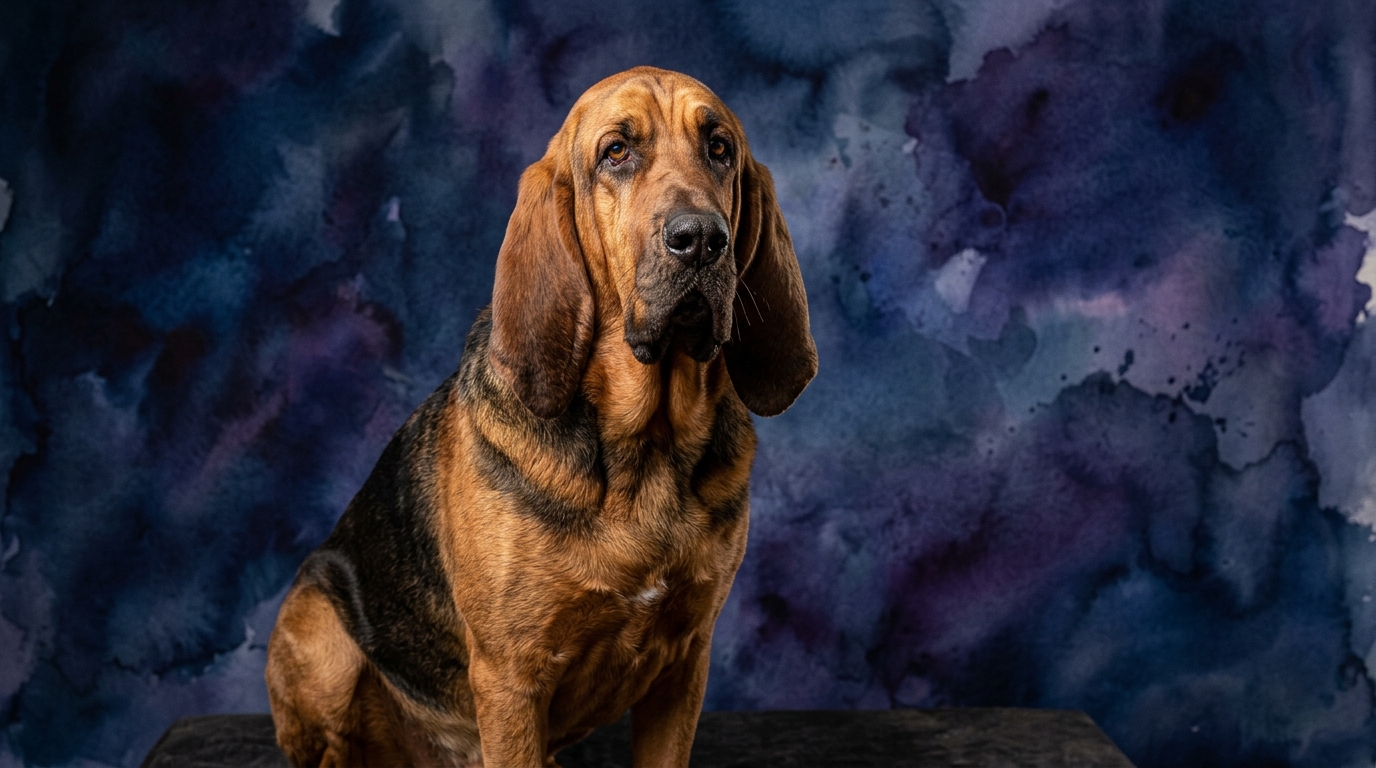
The Bloodhound, a venerable Hound breed, presents a unique cognitive blueprint. Their problem-solving ability rates a perfect 5/5, driven almost exclusively by their olfactory world where they excel at intricate trail navigation and discrimination. However, their training speed is a challenging 1/5, reflecting a deep independence and a primary focus that often overrides human directives. Social intelligence sits at 2/5; while affectionate, their profound dedication to scent work means they can be less attuned to subtle human social cues. Their instinctive drive is an unparalleled 5/5, a relentless engine for tracking, complemented by an exceptional 5/5 memory, specifically for scents and their associated contexts.
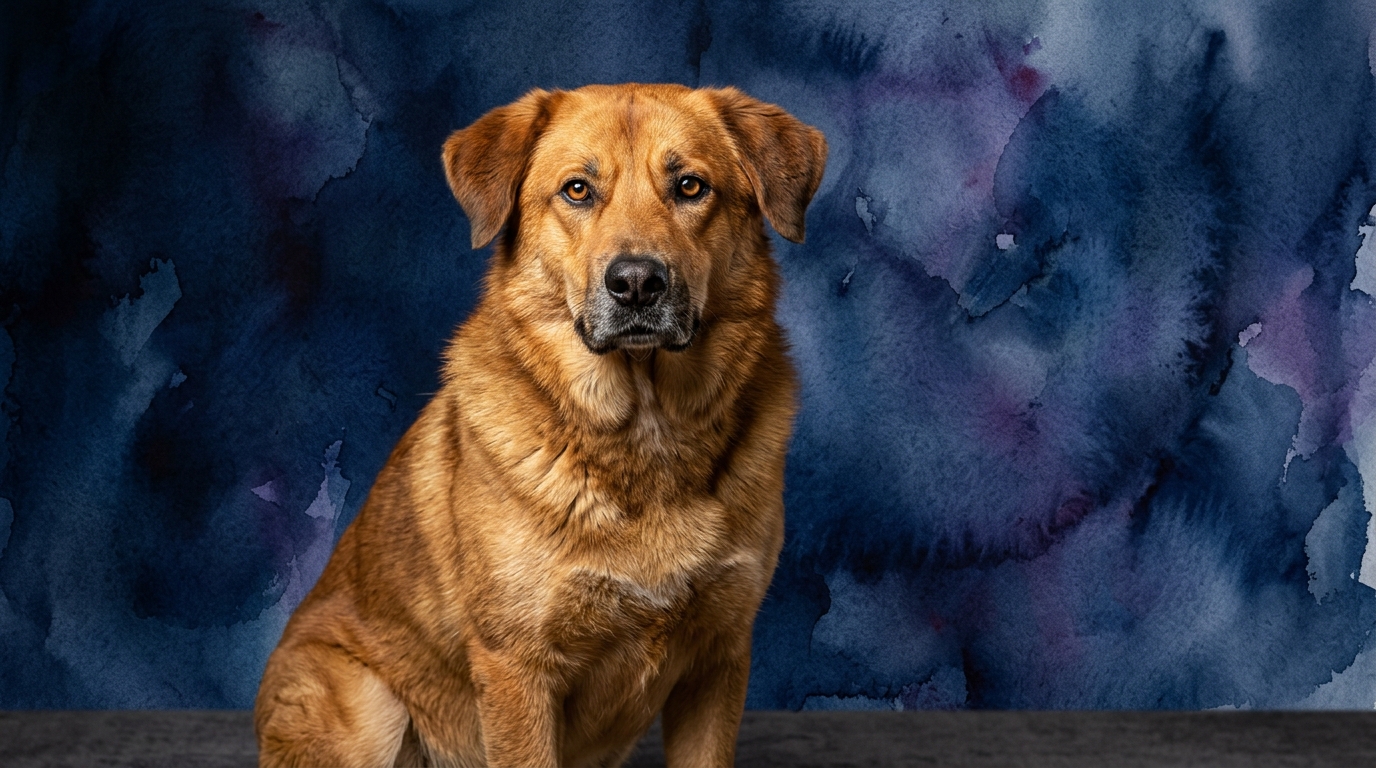
In contrast, the Chinook, a robust Working breed, exhibits a more balanced cognitive profile. Their problem-solving capacity is a solid 3/5, indicating an ability to learn and execute multi-step tasks within a cooperative framework. Training speed is also 3/5, suggesting a moderate responsiveness and a steady learning curve when engaged with a handler. Social intelligence scores 3/5, reflecting a generally amiable nature and an adequate understanding of human interactions and family dynamics. Their instinctive drive is a balanced 3/5, present but not overwhelming, allowing for versatility in activities. Memory, too, is a functional 3/5, sufficient for retaining commands and learned routines without the specialized depth of the Bloodhound.
Where the Bloodhound Excels Cognitively
The Bloodhound's cognitive superiority undeniably lies in its specialized olfactory domain. Their 5/5 problem-solving isn't about opening a latch puzzle, but about navigating a complex, invisible landscape of scent molecules, often aged or faint. This requires sophisticated cognitive mapping, an ability to filter extraneous information, and an unwavering focus to reconstruct a narrative purely from odor. They excel at discriminating between countless smells to isolate a target scent and follow its intricate path, a feat of sustained mental effort and sensory processing unmatched by most breeds.
Furthermore, their 5/5 memory is exceptional within this specialized context. A Bloodhound can recall a specific scent profile over extended periods and distances, effectively linking an odor to a specific individual or event. This profound olfactory memory is not merely recognition but a detailed recall that underpins their ability to pursue trails days after they were laid. Their 5/5 instinctive drive, while sometimes challenging for handlers, is a cognitive asset in itself, providing the relentless internal motivation necessary to persist through difficult tracking scenarios where other dogs would abandon the task. This drive fuels their unique problem-solving capacity.
Where the Chinook Demonstrates Cognitive Strengths
The Chinook demonstrates cognitive advantages in areas of general adaptability and social engagement. Their 3/5 training speed, while not exceptional, signifies a greater willingness and capacity to learn and respond to human-initiated commands with moderate repetition. Unlike the Bloodhound, whose attention can be overwhelmingly captured by scent, the Chinook is generally more amenable to focusing on a handler, processing directives, and making progress in a typical training session. This makes them more efficient at acquiring a broad repertoire of skills.
Their 3/5 social intelligence is another key cognitive strength. Chinooks are typically more attuned to human body language, vocal inflections, and emotional states, fostering a more cooperative and intuitive partnership. This ability to read and respond to subtle social cues allows for smoother interaction within a family unit and in collaborative activities like sledding or agility, where understanding a handler's intent is crucial. Their problem-solving, though rated 3/5, is more generalized, allowing them to adapt to diverse tasks that require a broader cognitive toolkit than just olfaction, such as navigating complex obstacle courses or understanding multi-step routines that integrate various sensory inputs.
Trainability: Which Breed is Easier to Guide?
Without question, the Chinook is generally easier to train for the average owner, primarily due to their more balanced cognitive profile. Their 3/5 training speed means they are moderately responsive and willing to engage with human instruction, learning new commands and routines at a steady pace. This is significantly aided by their 3/5 social intelligence, which fosters a desire to cooperate and pleases their human companions, making them more likely to attend to and process directives. Their moderate instinctive drive (3/5) ensures that while they are motivated, they are less likely to become singularly fixated on environmental distractions compared to a Bloodhound.
The Bloodhound's 1/5 training speed and 5/5 instinctive drive present substantial training challenges. Their profound independence and single-minded focus on scent mean that standard obedience commands often take a distant second place to their olfactory pursuits. Training a Bloodhound requires immense patience, highly specialized methods, and often relies on extremely high-value rewards to momentarily redirect their intense focus from a compelling scent. Their lower social intelligence score (2/5) suggests they may not always prioritize or even fully process human social cues when their nose is engaged, requiring handlers to work harder to gain and maintain their attention.
Lifestyle Match: Active vs. Relaxed Owners
The Bloodhound unequivocally suits active owners who are not only physically capable but also mentally prepared for a dog with an exceptionally strong, specialized drive. 'Active' for a Bloodhound owner means committing to engaging their profound scenting abilities through tracking sports, long-line walks in varied environments, or even volunteer search and rescue work. It means understanding that their exercise isn't just about physical exertion but about intense mental engagement of their nose. Owners must be ready for a dog that will follow a scent without hesitation, requiring robust containment and vigilant supervision.
The Chinook, with its balanced drives and good social intelligence, is better suited for moderately active owners who enjoy a variety of outdoor pursuits. They thrive on activities like hiking, jogging, or participating in dog sports such as agility or obedience, where they can work collaboratively with their human. While they appreciate and need regular exercise and mental stimulation, their needs are more flexible and less singularly focused than the Bloodhound's. They are also content to settle down and be a calm companion indoors after their exercise needs are met, making them a good fit for owners who appreciate both adventure and relaxed companionship.
The Verdict
Choose a Bloodhound if you are a dedicated enthusiast of scent work, prepared for a deeply independent dog whose cognitive strengths lie in complex olfactory problem-solving and memory, and can commit to specialized training that respects their profound instinctive drive.
Choose a Chinook if you seek a versatile companion for various outdoor activities and family life, valuing a dog with balanced cognitive abilities, moderate trainability, and a social intelligence that fosters a cooperative partnership.
🧠 Find Your Pet's IQ Score
Our Pet IQ Lab assessment covers 25+ tests across 5 cognitive dimensions — personalized to your breed.
Take the Full IQ Test →Frequently Asked Questions
Are Bloodhounds stubborn?
Bloodhounds are often perceived as stubborn because their profound instinctive drive for scenting can override their responsiveness to human commands, making them appear uncooperative rather than lacking understanding. Their singular focus on scent is a cognitive prioritization, not necessarily a defiance.
Can Chinooks be good family dogs?
Yes, Chinooks generally possess good social intelligence and a balanced temperament, making them well-suited for family life where they receive adequate exercise, mental stimulation, and companionship. They typically enjoy being part of family activities and bond closely with their humans.
How do the memory types differ?
The Bloodhound's memory is profoundly specialized for olfactory information and long-term scent recall, crucial for their tracking work. The Chinook's memory is more generalized, focusing on retaining learned commands, routines, and social interactions for everyday tasks and cooperative activities.