Side-by-Side IQ Profile
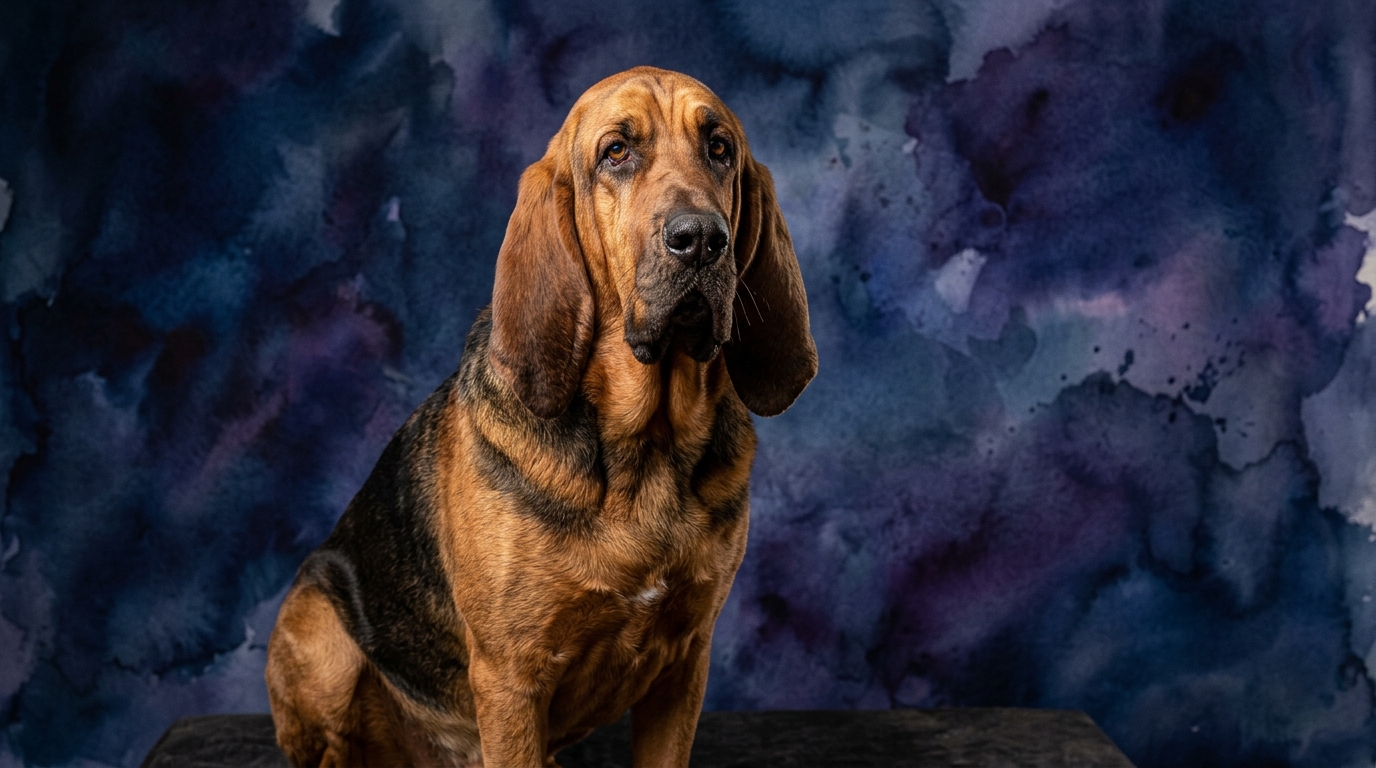
The Bloodhound, ranking #74 on Coren's list, displays a profoundly specialized cognitive toolkit. Its Problem Solving score of 5/5 is not about abstract puzzles, but an unparalleled capacity to decipher complex scent trails, navigating varied terrains and distractions with singular focus. Training Speed, however, registers a low 1/5, indicating a strong independent streak and a powerful drive to follow its nose, often overriding human directives. Social Intelligence at 2/5 suggests a dog less attuned to subtle human cues and more absorbed in its olfactory world. Its Instinctive Drive of 5/5 highlights an overwhelming genetic predisposition for tracking, a force that defines its very being. Finally, a Memory score of 5/5 means a Bloodhound can recall complex scent patterns and locations over extended periods, crucial for its primary function.
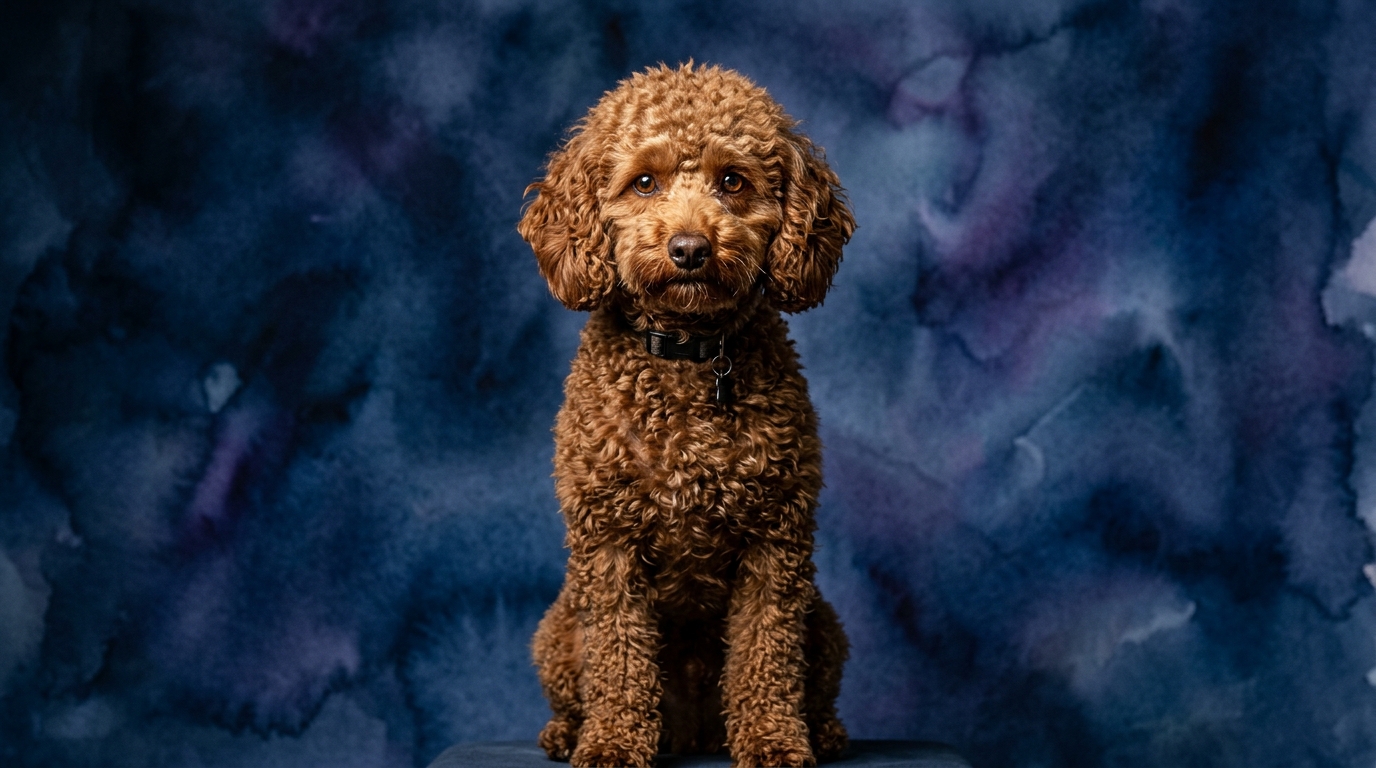
The Miniature Poodle, a remarkable #2 on Coren's list, showcases a more generalized and adaptable cognitive profile. Its Problem Solving at 5/5 reflects a quick wit and an ability to learn complex tasks, adapt to new situations, and even figure out how to manipulate its environment for desired outcomes. Training Speed, also at 5/5, indicates an eagerness to learn, a high responsiveness to commands, and a desire to please, making it exceptionally receptive to instruction. Social Intelligence at 3/5 points to a moderate awareness of human emotions and intentions, allowing for effective communication and companionship. Its Instinctive Drive of 3/5 suggests a balanced level of innate behaviors, such as retrieving or guarding, that can be channeled and modified. A Memory score of 5/5 means the Miniature Poodle retains learned commands, routines, and experiences with exceptional clarity, contributing to its consistent performance.
Where Bloodhound Wins Cognitively
The Bloodhound's cognitive superiority shines in domains requiring intense, sustained focus on a singular sensory input. Its 5/5 Problem Solving score, though different from a Poodle's, is unmatched in its specific application: interpreting a vast, invisible tapestry of odors. This breed excels at filtering out irrelevant scents and maintaining an unwavering pursuit of a target odor, a feat of cognitive endurance and discrimination that few other breeds can approach. This isn't just about a good nose; it's about the mental architecture to process, analyze, and remember complex olfactory data. The 5/5 Instinctive Drive fuels this entire process, ensuring that once a Bloodhound locks onto a scent, its internal motivation is nearly indefatigable. Its perfect 5/5 Memory score further solidifies this advantage, allowing it to retrace steps, pick up old trails, and build a mental map of scent data over time, making it the definitive specialist in detection and tracking tasks. The Bloodhound's unique cognitive niche is a testament to natural selection honing a specific set of mental faculties to an extraordinary degree.
Where Miniature Poodle Wins Cognitively
The Miniature Poodle's cognitive strengths lie in its versatility, adaptability, and responsiveness, traits reflected in its high Coren rank. Its 5/5 Problem Solving capacity allows it to excel in diverse learning scenarios, from agility courses that demand quick thinking and sequence memorization to complex trick training. This breed can generalize learned behaviors to new situations, demonstrating a flexible intellect. The Poodle's 5/5 Training Speed is a direct win, indicating an ability to grasp new concepts and commands with remarkable swiftness, often requiring fewer repetitions than many other breeds. This rapid acquisition of knowledge makes it a standout performer in competitive obedience, service work, and therapy roles where consistent, nuanced responses are paramount. Its 3/5 Social Intelligence, while not as specialized as a Bloodhound's olfactory focus, means it is more attuned to human emotional states and intentions, fostering a deeper, more reciprocal bond. This cognitive awareness allows the Poodle to adjust its behavior based on human cues, a significant advantage in companion and working roles that require close collaboration.
Which Is Easier to Train and Why
Without question, the Miniature Poodle is significantly easier to train than the Bloodhound, and their cognitive profiles explain precisely why. The Poodle's 5/5 Training Speed is its defining advantage; it possesses a natural eagerness to learn, a strong desire to engage with its handler, and a quick comprehension of new commands. This breed responds well to positive reinforcement, quickly associating actions with rewards and understanding what is expected of it. Its moderate 3/5 Instinctive Drive means that while it has natural predispositions, they are not so overwhelming that they consistently overshadow human direction. For example, a Poodle might have an instinct to chase a squirrel, but it's generally manageable with consistent recall training. In contrast, the Bloodhound's 1/5 Training Speed is a direct consequence of its overwhelming 5/5 Instinctive Drive. When a Bloodhound catches a scent, its genetic programming to follow that trail becomes an almost irresistible force. Its focus is so intensely directed at its olfactory task that human commands often become secondary, or even entirely unheard. This isn't stubbornness in a malicious sense, but rather an intense, single-minded devotion to its primary instinct, making consistent obedience training a persistent challenge. Training a Bloodhound requires immense patience, understanding of its drive, and often specialized methods to work *with* its nose, rather than against it.
Which Suits Active Owners vs. Relaxed Owners
The choice between these two breeds depends heavily on an owner's lifestyle and their definition of activity. For owners who define "active" as engaging in structured training, dog sports, or varied intellectual challenges, the Miniature Poodle is an ideal match. Its cognitive agility means it thrives on mental stimulation, enjoying activities like agility, obedience, trick training, or even problem-solving games. While physically energetic, its exercise needs are generally met with regular walks and play, making it adaptable to both active and moderately relaxed homes, provided its mind is kept engaged. It suits owners who enjoy teaching and interacting in a dynamic, responsive way. The Bloodhound, however, suits a different kind of active owner – one dedicated to its profound instinctive drive. Its "activity" is less about generalized play and more about sustained, purposeful exertion, primarily scent work. An owner who can provide consistent opportunities for tracking, whether formal search and rescue or recreational "nose work" games, will find a Bloodhound content. Its physical endurance for long trails means it needs significant, directed outdoor time. For a truly relaxed owner, neither breed is entirely low-maintenance, but the Bloodhound's intense, singular focus on scent work requires an owner whose lifestyle can accommodate this specific, demanding form of activity. A relaxed owner might struggle with a Bloodhound's independent drive and need for specialized engagement, whereas a Poodle could adapt better to a more varied, though still mentally stimulating, routine.
The Verdict
Choose the Bloodhound if you are a dedicated enthusiast of canine scent work, prepared to channel its unparalleled olfactory talents and independent nature into purposeful tracking activities.
Opt for the Miniature Poodle if you seek a highly trainable, versatile companion eager to learn new commands and participate in a wide array of cognitive and physical activities.
🧠 Find Your Pet's IQ Score
Our Pet IQ Lab assessment covers 25+ tests across 5 cognitive dimensions — personalized to your breed.
Take the Full IQ Test →Frequently Asked Questions
Is a Bloodhound's scent tracking ability considered a form of problem-solving?
Absolutely. A Bloodhound's 5/5 Problem Solving score is intrinsically linked to its capacity for scent work, involving complex discrimination, memory recall of scent patterns, and navigating environmental challenges to locate a target odor. It's a highly specialized form of cognitive problem-solving that few other breeds can match in intensity and precision.
How does the Miniature Poodle's high training speed benefit a typical pet owner?
The Miniature Poodle's 5/5 Training Speed means it learns commands quickly, making basic obedience and house-training relatively straightforward for the average pet owner. This responsiveness allows for easier integration into family life and opens doors for participation in various dog sports or advanced trick training, leading to a well-adjusted and engaged companion.
Can a Bloodhound be trained for tasks other than scent work, given its low training speed?
While a Bloodhound's 1/5 Training Speed and intense instinctive drive make traditional obedience challenging, they can certainly learn other tasks. The key is patience, understanding its motivations, and often incorporating scent into the training process to leverage its primary cognitive strength, rather than fighting against it.