Side-by-Side Cognitive Profiles
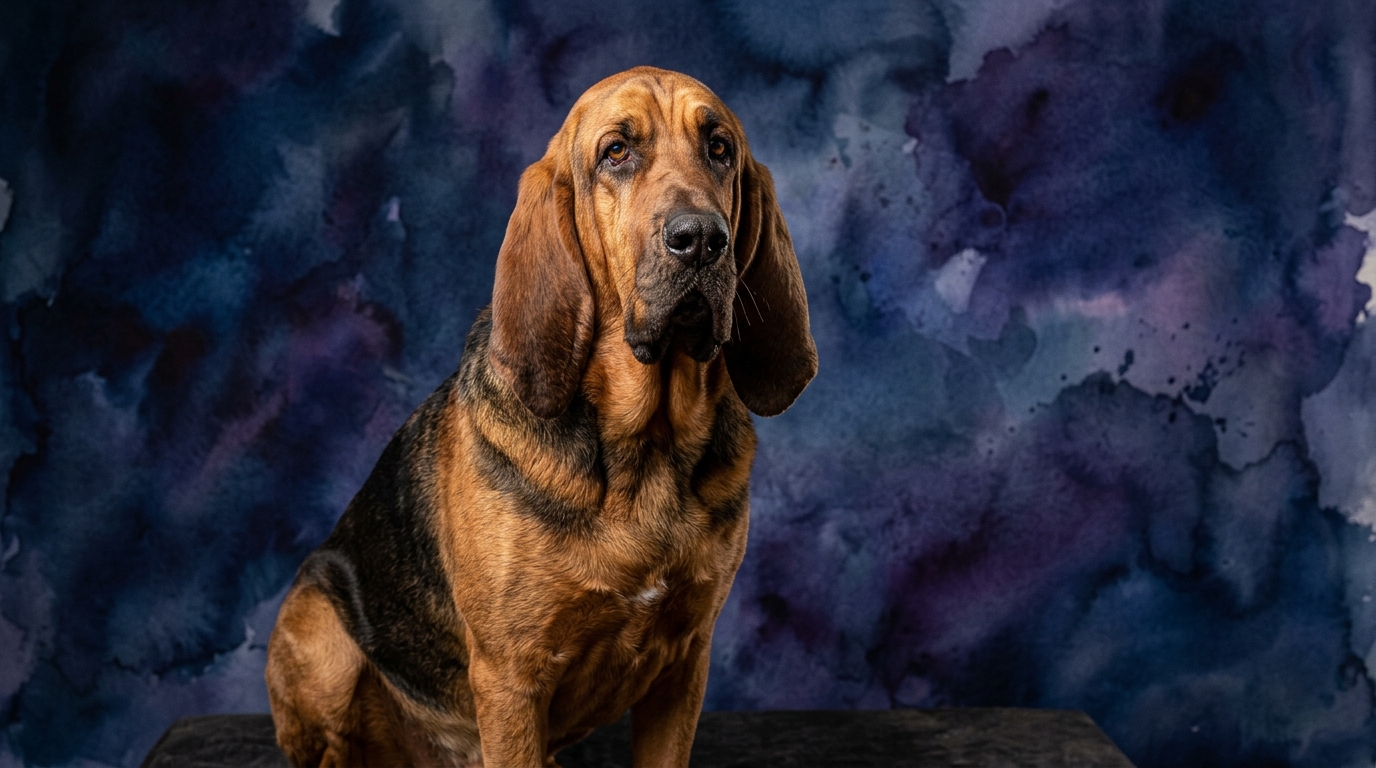
The Cosmic Pet Pet IQ Lab assesses canine cognition across five critical dimensions, revealing stark differences between these two breeds. The Bloodhound, a Hound group member, boasts a superior Problem Solving score of 5/5, reflecting its unparalleled ability to unravel complex scent trails. Its Instinctive Drive also stands at a perfect 5/5, underscoring its relentless pursuit of odor. Complementing this is an exceptional Memory score of 5/5, allowing it to retain vast amounts of olfactory data. However, this specialized intellect comes with trade-offs: a low Training Speed of 1/5, indicating a strong independent streak, and a Social Intelligence of 2/5, suggesting less attunement to subtle human cues.
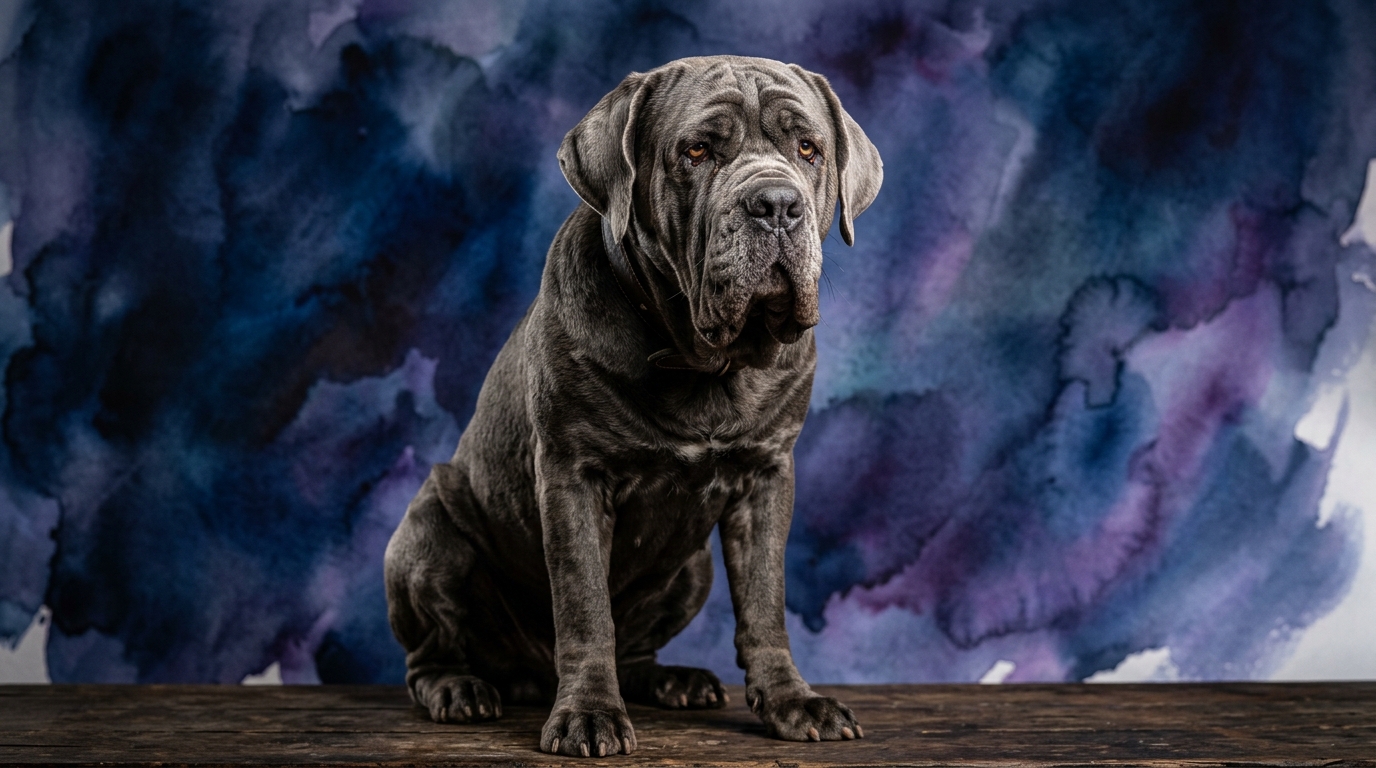
In contrast, the Neapolitan Mastiff, from the Working group, presents a more balanced cognitive profile. It registers a Problem Solving score of 3/5, capable of practical decisions related to its environment and protection. Its Training Speed is a moderate 3/5, indicating a reasonable capacity for learning commands with consistent effort. Social Intelligence also sits at 3/5, suggesting a decent understanding of family dynamics and social interactions. Similarly, its Instinctive Drive is 3/5, primarily manifesting as a protective, territorial nature, and its Memory is also a moderate 3/5, sufficient for routines and recognizing individuals. This overall symmetry points to a less specialized, more generalist cognitive approach compared to the Bloodhound's focused genius.
Where the Bloodhound Excels Cognitively
The Bloodhound's cognitive strengths are undeniably rooted in its olfactory prowess, achieving perfect 5/5 scores in Problem Solving, Instinctive Drive, and Memory. Its problem-solving capabilities are not about abstract puzzles, but an intricate, iterative process of deciphering scent. A Bloodhound excels at navigating complex environments, discerning specific target odors from a multitude of distractions, and overcoming physical obstacles to maintain a trail. This isn't just following a line; it's a dynamic, real-time analysis of a fading, invisible puzzle. Their instinctive drive to track is an all-consuming passion, an intrinsic motivation that fuels their endurance and single-mindedness. This powerful, unwavering focus allows them to work tirelessly for hours, making them peerless in specific scent-related tasks. Furthermore, their memory for scent profiles is legendary. They can recall and follow trails that are hours, even days old, demonstrating an extraordinary capacity to store and retrieve specific olfactory information, distinguishing minute differences in individual scent signatures.
Where the Neapolitan Mastiff Excels Cognitively
The Neapolitan Mastiff's cognitive advantages lie in its more holistic and socially integrated intellect, particularly when viewed against the Bloodhound's specialized nature. With moderate scores across the board (3/5 for Problem Solving, Training Speed, Social Intelligence, Instinctive Drive, and Memory), the Neapolitan Mastiff possesses a balanced cognitive profile that makes it highly adaptable to a domestic environment. Its relative strength in Social Intelligence (3/5 versus Bloodhound's 2/5) means it is generally more attuned to the nuances of human emotion and household dynamics, fostering deeper, more reciprocal social bonds within a family unit. This allows them to function effectively as integrated members of a human pack, understanding subtle cues and displaying loyalty. Furthermore, its 3/5 Training Speed, while not lightning-fast, signifies a greater willingness and capacity to learn and adhere to human-directed tasks and obedience commands compared to the Bloodhound’s highly independent nature. This makes them more amenable to structured training and integration into a typical family routine.
Which is Easier to Train and Why
When considering ease of training, the Neapolitan Mastiff generally presents a more manageable experience due to its balanced cognitive traits. Its 3/5 Training Speed indicates a reasonable receptiveness to learning new commands and routines, and its 3/5 Social Intelligence means it is more inclined to understand and respond to human expectations. While they can exhibit a stoic independence, they typically respond well to consistent, positive reinforcement methods, understanding the benefits of cooperation within their family structure. Their protective instincts, though strong, are usually channeled through watchful observation and can be guided through socialization and training from a young age.
Conversely, the Bloodhound is significantly more challenging to train for general obedience, reflected in its 1/5 Training Speed. This isn't due to a lack of capacity, but rather the overwhelming dominance of its 5/5 Instinctive Drive. Once a Bloodhound catches a scent, its focus becomes singular and intense, making recall or redirection incredibly difficult. Their 2/5 Social Intelligence further means they are less motivated by a desire to please their owner and more by fulfilling their innate drive to track. Training a Bloodhound requires immense patience, creativity, and an understanding that their primary motivation lies in scent work, not necessarily in performing human-centric commands. Owners must learn to work with their powerful instincts, rather than against them.
Suitability for Active vs. Relaxed Owners
The choice between these breeds often comes down to an owner's lifestyle and their willingness to engage with specific canine needs. The Bloodhound is an ideal match for active owners who are prepared to embrace and channel its extraordinary physical and mental energy, particularly its scent-driven passion. These dogs require extensive, mentally stimulating "work" that directly engages their powerful nose and remarkable endurance. This goes beyond simple physical exercise; it involves dedicated tracking games, scent discrimination activities, or even professional search and rescue work. Owners who enjoy long, investigative walks, are comfortable with a dog that follows its nose relentlessly, and can manage a highly focused, independent canine will thrive with a Bloodhound.
In contrast, the Neapolitan Mastiff is better suited for more relaxed owners who appreciate a calmer, deliberate presence in their home. While they certainly need regular, moderate exercise to maintain their health and well-being, their activity level is generally not as intense or demanding as a Bloodhound's. Their guarding instincts are typically expressed through watchful observation and a steady, protective demeanor rather than constant high-energy movement. They flourish with owners who can provide a stable, predictable home environment, consistent routines, and who value a loyal, steadfast companion content to be near them, offering a quiet, imposing presence.
The Verdict
Opt for a Bloodhound if you seek a canine partner for intense, dedicated scent work, valuing their unparalleled tracking abilities and enduring focus above all else, and are prepared for a highly independent training journey.
Select a Neapolitan Mastiff if you desire a steadfast, protective family companion with a more balanced cognitive profile, capable of integrating into a domestic routine with a calm presence, and appreciate a dog more attuned to social cues.
🧠 Find Your Pet's IQ Score
Our Pet IQ Lab assessment covers 25+ tests across 5 cognitive dimensions — personalized to your breed.
Take the Full IQ Test →Frequently Asked Questions
Can a Bloodhound be a good family pet despite its low social intelligence?
Yes, a Bloodhound can be a loyal and affectionate family member, often displaying a gentle nature with their immediate human companions. However, their social interactions might be less nuanced, and their intense focus on scent means they require an environment that understands and accommodates their primary, all-consuming drive to track.
Are Neapolitan Mastiffs difficult to train because of their size and guarding instincts?
Neapolitan Mastiffs have a moderate training speed (3/5) and can be trained effectively with consistency, patience, and positive reinforcement. Their large size and natural guarding instincts necessitate early socialization and firm, fair leadership to ensure they are well-mannered, confident, and appropriate in their protective behaviors.
Which breed requires more mental stimulation?
The Bloodhound arguably requires more specialized mental stimulation, specifically engaging their powerful olfactory system through dedicated tracking games, scent work, or complex puzzle toys that utilize their nose extensively. The Neapolitan Mastiff benefits from moderate mental stimulation through consistent obedience training, clear routines, and opportunities for watchful observation, but doesn't have the same singular, intense cognitive demand as the Bloodhound.