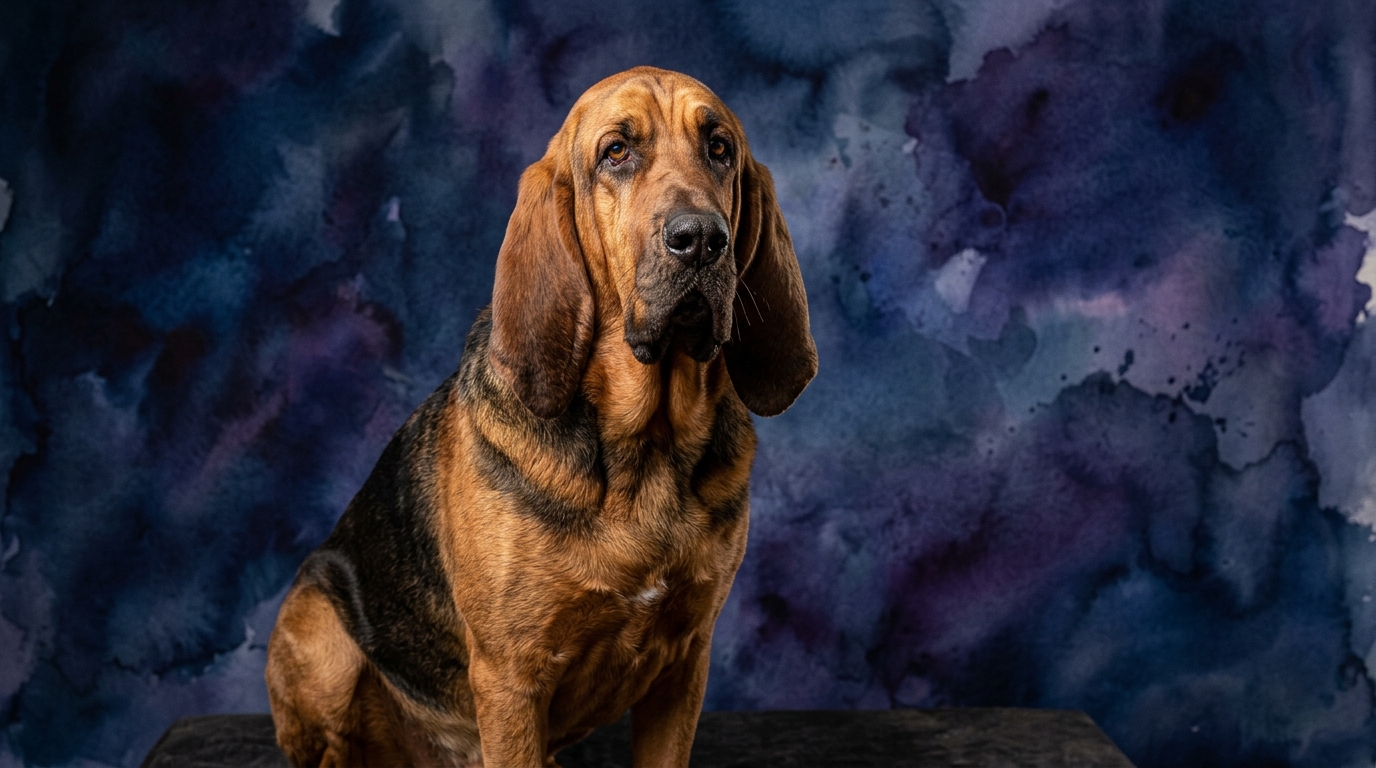
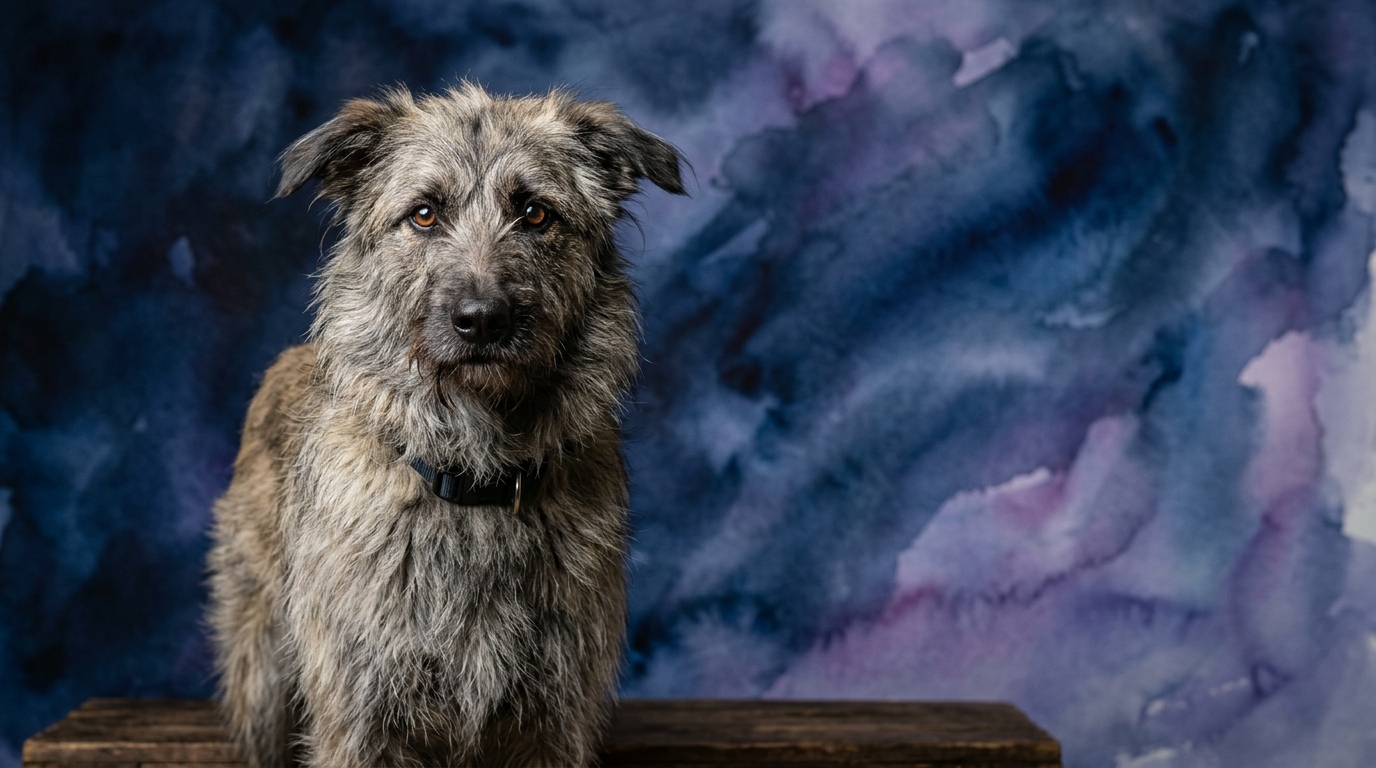
Side-by-Side IQ Profile: Bloodhound vs. Pyrenean Shepherd
The Cosmic Pet Pet IQ Lab provides a unique lens through which to examine the cognitive strengths and inclinations of these two distinct breeds. The Bloodhound, ranked #74 by Coren, and the unranked Pyrenean Shepherd each bring a specialized set of mental tools to their interactions with the world.
For the Bloodhound, Problem Solving scores a perfect 5/5. This isn't about generalized logic but rather their exceptional capacity for sustained focus on a single sensory input, specifically following intricate scent trails over varied terrain and through complex distractions. Their problem-solving is intrinsically tied to interpreting and navigating elaborate olfactory puzzles. Training Speed, however, registers a low 1/5. These dogs are not quick to pick up new commands or tricks in conventional obedience settings, as their focus is overwhelmingly directed towards their primary drive, making them less inclined to engage in repetitive, human-directed tasks that don't align with their innate seeking behavior. Social Intelligence is rated 2/5; while generally amiable, their primary motivation isn't centered on nuanced human interaction or complex social cues outside of their working context. Their Instinctive Drive is a profound 5/5, an unshakeable determination to follow a trail once engaged, often to the exclusion of all other stimuli, forming the bedrock of their working purpose. Finally, Memory scores 5/5, reflecting an extraordinary capacity for recalling and distinguishing specific individual scent patterns and trails even after significant time or environmental changes, a highly specialized memory serving their tracking vocation.
The Pyrenean Shepherd, though not Coren-ranked, presents a balanced cognitive profile. Their Problem Solving is 3/5, displaying a practical, adaptive ability, particularly in dynamic situations like managing livestock, where they assess changing conditions, anticipate movements, and adjust strategy. Training Speed is also 3/5; these dogs show a moderate aptitude for learning new commands, capable of picking up tasks with reasonable repetition and clear guidance, generally willing to engage in training with consistent, engaging methods. Social Intelligence stands at 3/5, indicating a balanced capacity for forming strong bonds with humans and understanding social dynamics within their family or working group, allowing them to read cues and respond appropriately. Their Instinctive Drive is 3/5, balanced and versatile, primarily geared towards herding but not to the exclusion of other behaviors; it's a natural inclination that can be channeled and modified. Memory is 3/5, a functional recall for learned tasks, routines, and environmental layouts, allowing them to associate experiences and commands, though not with the hyper-specialized intensity of a Bloodhound's scent memory.
Where the Bloodhound Excels Cognitively
The Bloodhound's cognitive superiority undeniably lies within the realm of olfaction and sustained, singular focus. Their problem-solving acumen, rated 5/5, isn't about general logic puzzles but rather the intricate deciphering of scent trails. This involves complex cognitive mapping, where they process minute scent particles, filter distractions, and maintain an unwavering trajectory over hours, often across challenging and varied terrain. This singular dedication is a testament to their unparalleled instinctive drive (5/5), which compels them to complete a task regardless of fatigue or environmental shifts. Furthermore, their memory (5/5) is a highly specialized archive of olfactory data, allowing them to differentiate between individual scents and recall specific trail patterns with startling accuracy, making them peerless in forensic tracking and search operations. Their brain is uniquely wired for this one profound purpose, excelling where other breeds would quickly falter in tasks requiring such intense sensory specialization.
Where the Pyrenean Shepherd Excels Cognitively
The Pyrenean Shepherd shines in its cognitive versatility and adaptive intelligence, qualities that are essential for their herding lineage. Their problem-solving (3/5) manifests as a practical ability to react to dynamic, unpredictable situations, such as managing a flock of sheep. This requires quick assessments, strategic positioning, and responsive adjustments, rather than a single-minded pursuit. Their balanced training speed (3/5) indicates a readiness to learn a variety of tasks and commands, making them more amenable to diverse roles beyond a singular specialization. Crucially, their social intelligence (3/5) is more developed in terms of human interaction and understanding complex group dynamics, allowing them to integrate effectively into a family unit and respond to nuanced social cues. This breed's cognitive strengths are rooted in a flexible, responsive mind that can process multiple inputs and adapt its behavior, offering a broader spectrum of trainable behaviors and interactive capabilities compared to the Bloodhound's intense specialization.
Training Aptitude: Which is Easier and Why?
When considering ease of training in a conventional sense, the Pyrenean Shepherd presents a more approachable experience for the average owner. With a training speed of 3/5, they demonstrate a reasonable aptitude for acquiring new commands and behaviors, often showing a willingness to engage with their human counterparts in learning sessions. Their instinctive drive (3/5) is substantial but also malleable; while they possess a natural inclination to herd, this drive can be effectively channeled and shaped through consistent positive reinforcement. They generally respond well to clear instructions and varied exercises, making them suitable for obedience, agility, or even trick training.
In stark contrast, the Bloodhound's training speed is rated 1/5, reflecting a profound disinterest in human-directed, generalized obedience tasks. Their overwhelming instinctive drive (5/5) is singularly focused on scent work, making it incredibly difficult to divert their attention once they are on a trail or intrigued by an odor. This isn't a lack of cognitive capacity, but rather a prioritization of their innate function; convincing a Bloodhound to 'sit' when their nose is on a fascinating scent is a monumental challenge, as their brain is literally wired to ignore everything else in pursuit of that olfactory information. Therefore, while both breeds can learn, the Pyrenean Shepherd is considerably more amenable to a diverse and typical training regimen due to its balanced drives and quicker learning curve for general tasks.
Matching Breeds to Owner Lifestyles
The choice between a Bloodhound and a Pyrenean Shepherd heavily depends on an owner's lifestyle and their willingness to engage with a dog's specific cognitive demands. Active owners who are prepared to embrace and channel a dog's intense, specialized drive will find the Bloodhound a rewarding companion. These owners must be committed to providing regular, extensive opportunities for scent work, whether through formal tracking sports, search and rescue training, or long, exploratory walks where the dog is encouraged to follow its nose. A truly 'relaxed' owner who prefers casual strolls and expects easy off-leash reliability would quickly become frustrated, as a Bloodhound's profound instinctive drive (5/5) means they will instinctively follow a scent trail to the exclusion of all else, often ignoring calls to return.
The Pyrenean Shepherd, on the other hand, suits active owners who appreciate a versatile, engaged partner for a broader range of activities. While they are not a 'relaxed' dog in the sedentary sense, their balanced instinctive drive (3/5) and problem-solving (3/5) make them excellent candidates for hiking, agility, herding trials, or even as a running partner. They require mental stimulation and physical exercise, but their cognitive flexibility means this can be achieved through diverse activities that foster engagement and partnership, rather than being singularly focused on one intense pursuit. For truly relaxed, low-activity owners, neither breed would be an ideal fit, as both possess significant energy and cognitive needs that demand consistent engagement.
The Verdict
Select a Bloodhound if you are a dedicated, active individual fascinated by the profound power of scent and prepared to commit to extensive, consistent engagement in tracking activities. This breed thrives with an owner who understands and nurtures its singular, intense drive for olfactory exploration, valuing its specialized cognitive gifts above conventional obedience.
Opt for a Pyrenean Shepherd if you seek a versatile, engaged canine partner for a variety of activities, from sports to family life, and appreciate a dog with balanced intelligence and adaptability. This breed suits active owners who can provide consistent mental and physical stimulation through diverse training and interactive experiences.
🧠 Find Your Pet's IQ Score
Our Pet IQ Lab assessment covers 25+ tests across 5 cognitive dimensions — personalized to your breed.
Take the Full IQ Test →Frequently Asked Questions
Is a Bloodhound difficult to manage?
Due to their overwhelming instinctive drive for scent work and lower training speed for general obedience, Bloodhounds can be challenging to manage for inexperienced owners. Their tendency to follow a scent relentlessly requires secure containment and consistent management strategies to ensure their safety.
Do Pyrenean Shepherds need a lot of exercise?
Yes, Pyrenean Shepherds are an active herding breed with a balanced instinctive drive that requires significant physical and mental exercise daily. Without adequate stimulation, they can become bored or destructive, so owners must be prepared for regular, engaging activities.
Which breed is better with children?
While individual temperament varies, the Pyrenean Shepherd's balanced social intelligence (3/5) and adaptability generally make them a more suitable choice for families with children, provided they are well-socialized and trained. Bloodhounds, with their lower social intelligence (2/5) and intense focus, might be less instinctively attuned to the nuances of family dynamics, though they can be gentle.