
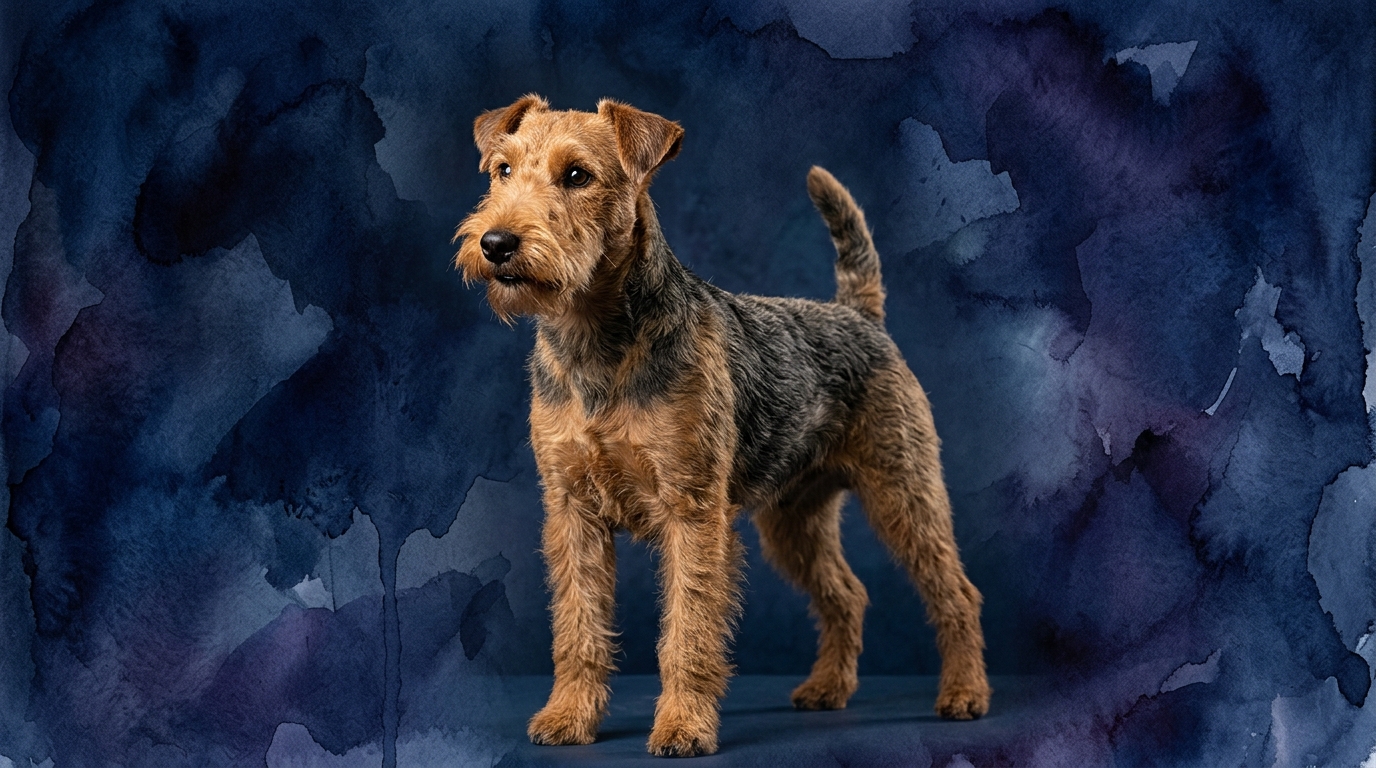
Side-by-Side IQ Profile: Identical Scores, Distinct Manifestations
**Problem Solving (3/5):** This score indicates a moderate capacity for understanding complex situations and devising solutions. For the Boerboel, this manifests in assessing threats, strategizing deterrence, or navigating their territory effectively. The Welsh Terrier applies this to outmaneuvering prey, solving environmental puzzles, or creatively accessing hidden objects.
**Training Speed (3/5):** A 3/5 suggests moderate learning pace, requiring consistent reinforcement. The Boerboel's size and guarding instincts mean training focuses on channeling protection appropriately, demanding firm, patient guidance. The Welsh Terrier's independent terrier spirit requires engaging, varied positive reinforcement to maintain focus and overcome stubbornness.
**Social Intelligence (3/5):** This moderate score indicates a fair understanding of social cues. The Boerboel directs this towards family, discerning emotional shifts for comfort or vigilance. The Welsh Terrier's social acumen is more outwardly expressed, navigating interactions with bold confidence, sometimes leading to assertive engagements.
**Instinctive Drive (3/5):** A 3/5 points to moderate but defined innate behaviors. The Boerboel's drive centers on protection and territorial defense, manifesting as a watchful presence. The Welsh Terrier's drives are rooted in terrier heritage: persistent prey drive, digging, and chasing, guiding much of their exploratory behavior.
**Memory (3/5):** Both exhibit moderate memory, retaining commands, recognizing faces, and recalling experiences. The Boerboel's memory aids in routines, identifying threats, and recalling training for reliable guardianship. The Welsh Terrier's memory helps recall buried items, routes, or trick sequences, often applied with independent flair.
Where the Boerboel Wins Cognitively
While both breeds share identical numerical scores, the Boerboel's cognitive strengths shine in the application of their 3/5 social intelligence and instinctive drive for strategic protection. Their moderate social intelligence, when paired with their inherent guarding instinct, allows them to develop an unparalleled discernment for discerning genuine threats from benign situations within their family's environment. This isn't just reacting to a stranger; it's understanding the nuances of body language, intent, and context, providing a highly sophisticated, living security system. Their problem-solving abilities (3/5) are frequently channeled into devising the most effective, often non-confrontational, methods to deter perceived dangers, relying on their imposing presence and watchful demeanor before any physical intervention, demonstrating a measured and thoughtful approach to their protective role.
Where the Welsh Terrier Wins Cognitively
The Welsh Terrier's identical 3/5 scores manifest distinct advantages in areas requiring sustained, focused tenacity and adaptability. Their 3/5 instinctive drive, powerfully channeled into their prey drive, translates into an exceptional capacity for persistent problem-solving when pursuing a goal, such as tracking a scent or extracting a toy from a complex puzzle. This breed exhibits a remarkable cognitive endurance in tasks that engage their natural hunting instincts, often outlasting other breeds in their focused determination. Their moderate memory (3/5) combined with their independent problem-solving skills allows them to quickly adapt to new environments and challenges, remembering successful strategies for navigating novel situations or outsmarting obstacles, showcasing a resilient and resourceful intellect.
Which is Easier to Train, and Why?
Labeling one 'easier' to train is an oversimplification, as both the Boerboel and Welsh Terrier present unique challenges despite their identical 3/5 training speed. The Boerboel, with its formidable size and protective instincts, demands exceptionally consistent, confident, and early socialization. Training success hinges on unwavering leadership; once trust is established, their moderate memory and social intelligence make them receptive, especially when tasks align with their guardian role. Inconsistent guidance, however, can lead to a powerful dog making its own judgments.
The Welsh Terrier’s challenge stems from its independent terrier spirit and high instinctive drive (3/5). While learning at a similar pace, their training demands more creativity, variety, and an understanding of their desire to explore and chase. They need to be convinced training is engaging and rewarding, not just to please. Their moderate problem-solving can be used to circumvent commands, making consistency and patience paramount. Thus, neither is 'easy,' but the Boerboel requires a strong leader for power management, while the Welsh Terrier needs an engaging, patient trainer for their independence.
Suited for Active Owners vs. Relaxed Owners
When considering lifestyle fit, the Boerboel and Welsh Terrier cater to distinct types of owners, despite both requiring mental engagement. The Boerboel, while not requiring frantic, high-impact exercise, is ideally suited for owners who are active in a purposeful, structured way. They thrive with consistent routines, plenty of space, and a clear 'job,' even if that job is simply being a watchful family companion. Their moderate instinctive drive means they need regular, engaging walks and mental stimulation that taps into their problem-solving and social intelligence, such as advanced obedience or protection sports. A Boerboel fits well with owners who can provide strong leadership, a stable environment, and who appreciate a calm, watchful presence rather than a constantly energetic companion.
The Welsh Terrier, on the other hand, is a better match for truly active owners who relish vigorous play, outdoor adventures, and consistent mental challenges. Their high energy levels and pronounced instinctive drive (3/5 for chasing and digging) demand daily, intense exercise sessions, often involving off-leash running, fetch, or agility training. They are ideal for owners who enjoy hiking, running, or engaging in dog sports, and who can channel their terrier tenacity into productive outlets rather than allowing it to manifest as boredom or destructive behavior. Relaxed owners might find the Welsh Terrier's boundless energy and independent streak overwhelming, as they are not content to simply lounge for extended periods without mental and physical engagement.
The Verdict
Choose a Boerboel if you seek a powerful, discerning guardian whose intelligence manifests as strategic protection and deep family loyalty, thriving with a confident leader and a structured home environment.
Opt for a Welsh Terrier if you desire a tenacious, spirited companion whose intelligence shines in independent problem-solving and energetic engagement, best suited for active owners who appreciate their bold, resourceful nature.
🧠 Find Your Pet's IQ Score
Our Pet IQ Lab assessment covers 25+ tests across 5 cognitive dimensions — personalized to your breed.
Take the Full IQ Test →Frequently Asked Questions
Do Boerboels and Welsh Terriers learn at the same speed?
Yes, both breeds register a 3/5 in training speed, indicating they learn new commands at a moderate pace. However, the *approach* to training differs; Boerboels require firm, consistent leadership, while Welsh Terriers need engaging, varied methods to hold their independent interest.
How does their problem-solving ability differ despite identical scores?
While both score 3/5, the Boerboel typically applies problem-solving to assessing threats and family dynamics, devising strategic protective actions. The Welsh Terrier uses its problem-solving for navigating environments, outsmarting prey, or figuring out complex puzzles with tenacity.
Which breed is more adaptable to new situations?
Both possess moderate memory and problem-solving, contributing to adaptability. The Welsh Terrier's independent, curious nature often leads them to explore and adapt to new environments with a resourceful spirit, while the Boerboel's adaptability is often framed within their protective duties and established routines.