Side-by-Side IQ Profile
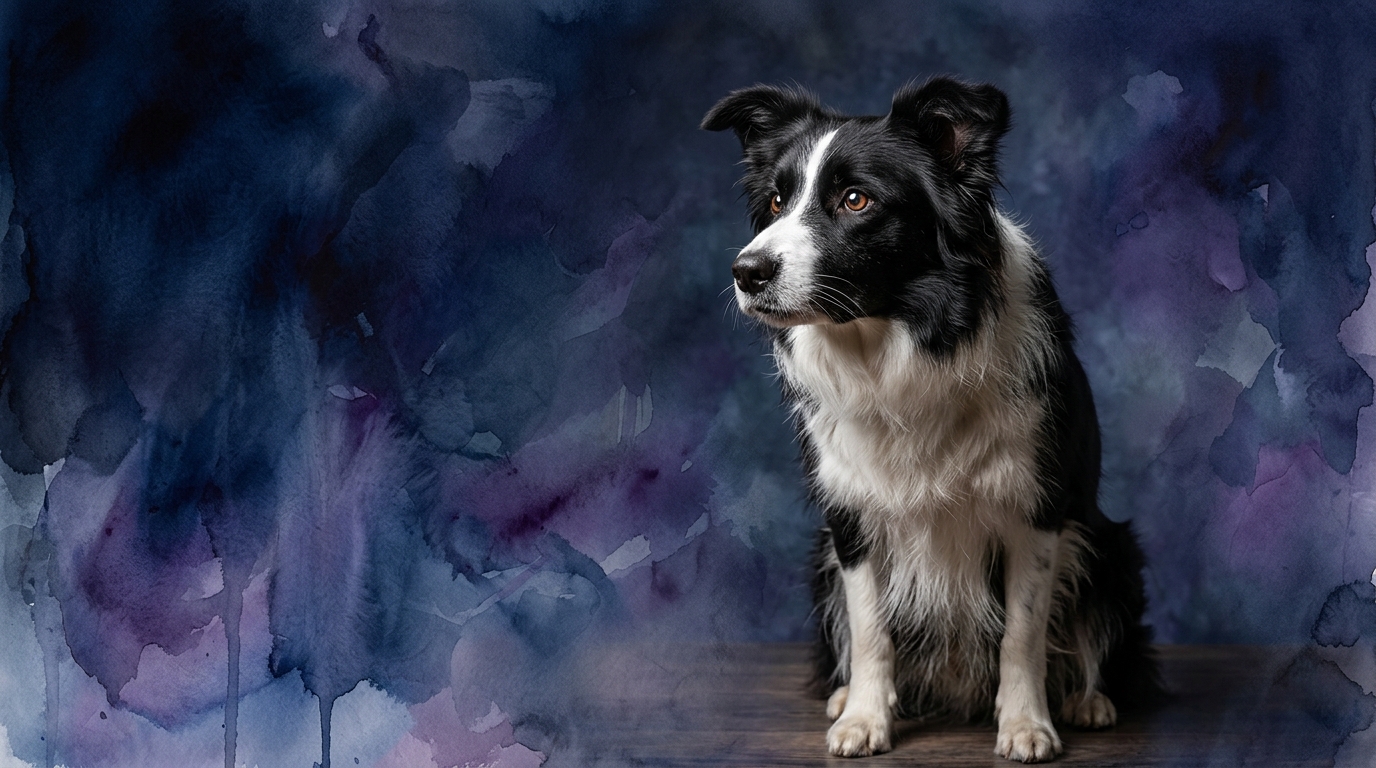
**Border Collie: Problem Solving (5/5)**: The Border Collie excels at complex, multi-step problem-solving, demonstrating an innate capacity to quickly analyze situations and devise solutions, whether it's navigating a sheep flock or figuring out puzzle toys. Their cognitive flexibility allows them to adapt strategies rapidly, making them adept at tasks requiring sequential logic and foresight.
**Border Collie: Training Speed (5/5)**: These dogs absorb new commands and routines with exceptional swiftness, often requiring only a few repetitions to grasp a concept. Their eagerness to engage and their drive for partnership translate into a remarkable ability to learn and perform intricate behaviors consistently.
**Border Collie: Social Intelligence (4/5)**: Border Collies possess a strong awareness of human cues and intentions, often anticipating their handler's next move. While highly attuned to their primary human companion, their social interactions can be more reserved with strangers, prioritizing their working bond over broad social engagement.
**Border Collie: Instinctive Drive (5/5)**: Their foundational herding instinct is a powerful, persistent force, manifesting as an intense desire to gather, control, and organize. This drive translates into an unwavering focus and stamina, channeling their energy towards purposeful activity, whether herding livestock or excelling in dog sports.
**Border Collie: Memory (5/5)**: Possessing an exceptional capacity for recall, Border Collies retain a vast array of commands, routines, and experiences over extended periods. Their robust memory aids in complex task sequences and allows them to build upon learned behaviors with remarkable consistency.
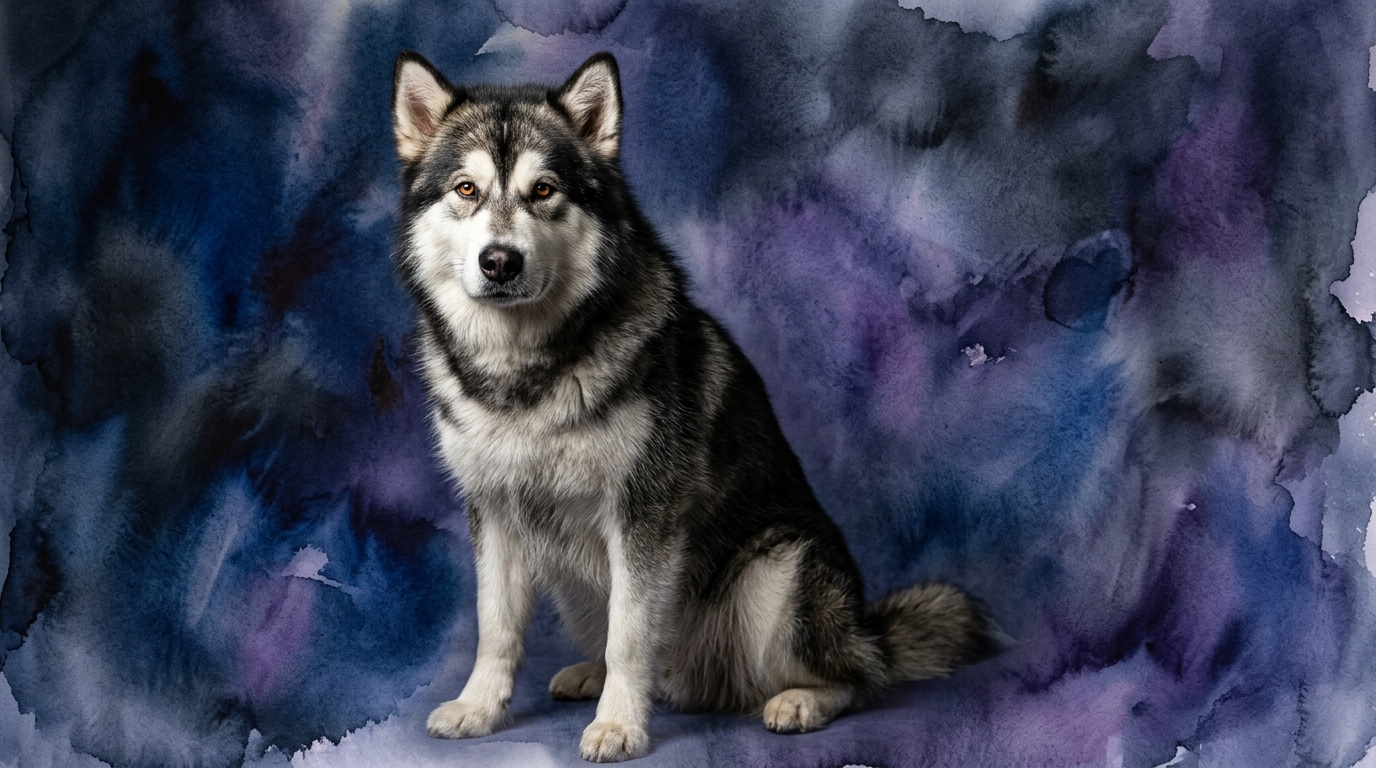
**Alaskan Malamute: Problem Solving (4/5)**: Alaskan Malamutes approach problem-solving with a practical, often physically oriented perspective. Their solutions tend to be direct and persistent, geared towards overcoming environmental obstacles or achieving a desired outcome through sheer determination, such as finding a way to access food or navigate challenging terrain.
**Alaskan Malamute: Training Speed (2/5)**: Learning new commands with a Malamute typically requires patience and consistent reinforcement over many repetitions. Their independent nature means they evaluate the utility of a command from their own perspective, often requiring a strong motivator and clear demonstration of purpose before compliance becomes routine.
**Alaskan Malamute: Social Intelligence (3/5)**: Malamutes exhibit a more independent social intelligence, capable of forming deep bonds but often displaying a discerning nature towards new people and situations. They are less driven by a desire to constantly please, often preferring to engage on their own terms, which can be perceived as aloofness rather than a lack of connection.
**Alaskan Malamute: Instinctive Drive (5/5)**: Their powerful drive for pulling and endurance is paramount, reflecting their heritage as freight sled dogs. This drive fuels their need for sustained physical activity and purpose, making them tireless workers when given a task that aligns with their inherent motivations, such as long hikes or hauling.
**Alaskan Malamute: Memory (4/5)**: Malamutes demonstrate a solid memory for learned commands, routines, and their environment. While perhaps not as quick to imprint complex sequences as some breeds, they retain crucial information effectively, especially when it relates to their daily life, territory, or established social hierarchy.
Where Border Collie Wins Cognitively
The Border Collie's cognitive strengths shine particularly in areas demanding rapid assimilation of information and intricate execution. Their problem-solving acumen (5/5) allows them to master advanced tasks like agility courses or complex obedience routines, where anticipating obstacles and executing precise movements are paramount. This breed's training speed (5/5) is unparalleled; they grasp new concepts with minimal repetition, translating into a dog that can quickly learn an extensive vocabulary of commands and cues. Furthermore, their memory (5/5) is exceptional, enabling them to recall vast sequences of behaviors and adapt previous learning to novel situations with ease, making them adept at continuous learning and refinement of skills. Their focused social intelligence (4/5), while perhaps not universally outgoing, allows for an intense, almost telepathic bond with their primary handler, optimizing their cooperative learning potential.
Where Alaskan Malamute Wins Cognitively
While the Alaskan Malamute's cognitive profile differs, it presents distinct advantages for its historical role. Their problem-solving (4/5), though not rapid in abstract reasoning, is robustly practical; they excel at figuring out physical challenges through persistence and strength, like escaping an enclosure or finding the easiest path through deep snow. Their instinctive drive (5/5) for endurance and pulling is a cognitive asset, channeling mental and physical energy into sustained, purposeful work over long durations—a unique form of cognitive stamina. The Malamute's independent social intelligence (3/5) fosters self-reliance, allowing them to make critical decisions in challenging environments without constant human direction, a vital trait for a sled dog. This self-sufficiency, while slowing training (2/5), means they are less prone to "shutting down" without a handler's immediate input, demonstrating a different kind of cognitive resilience tailored to their purpose.
Which Is Easier to Train and Why
The Border Collie is demonstrably easier to train, primarily due to its extraordinary training speed (5/5) and profound desire to engage cooperatively. These dogs possess an inherent eagerness to learn and please, coupled with a remarkable capacity to understand and respond to cues quickly. Their problem-solving skills (5/5) allow them to anticipate and grasp the "game" of training, leading to faster progress in everything from basic manners to competitive dog sports. They thrive on mental stimulation and structured tasks, aligning perfectly with consistent training sessions. Conversely, the Alaskan Malamute presents a greater challenge due to its lower training speed (2/5) and strong independent nature. While capable, Malamutes often require many more repetitions and a highly motivating reward system. Their problem-solving (4/5) leans towards self-interest, meaning they'll weigh compliance against their own desires. A Malamute might understand a command but choose not to execute it if their powerful instinctive drive (5/5) for exploration takes precedence. This demands exceptional patience, consistency, and creativity from the trainer.
Which Suits Active Owners vs. Relaxed Owners
For owners leading an exceptionally active lifestyle, eager to channel canine energy into structured activities, the Border Collie is an ideal match. Their intense instinctive drive (5/5) for purpose, combined with boundless physical and mental stamina, means they thrive with a "job." Owners engaging in dog sports like agility, obedience, flyball, or extensive hiking will find a willing, capable partner. A Border Collie requires daily mental challenges alongside vigorous physical exercise to prevent boredom and behavioral issues from unfulfilled cognitive needs. The Alaskan Malamute also suits active owners, but with a different emphasis. Their activity needs are rooted in endurance and sustained effort, not rapid, intricate movements. Owners enjoying long, steady hikes, backpacking, or skijoring will find an enthusiastic companion. While their instinctive drive (5/5) is equally strong, it's geared towards pulling and covering distance. They are less suited for quick, high-intensity bursts or complex obedience trials. Owners appreciating a robust, self-reliant personality and providing ample outdoor opportunities for their breed-specific drives will find a Malamute highly rewarding; they are not a fit for truly "relaxed" owners.
The Verdict
Choose a Border Collie if you seek an intensely cooperative, quick-learning companion for complex tasks and competitive sports, thriving on constant mental engagement and a clear purpose.
Opt for an Alaskan Malamute if you value a self-reliant, enduring partner for sustained outdoor adventures, appreciating a dog with strong, independent drives and a practical approach to problem-solving.
🧠 Find Your Pet's IQ Score
Our Pet IQ Lab assessment covers 25+ tests across 5 cognitive dimensions — personalized to your breed.
Take the Full IQ Test →Frequently Asked Questions
Can an Alaskan Malamute perform well in obedience or agility?
While Malamutes can learn obedience and some agility, their training speed (2/5) and independent nature mean they typically won't excel to the same competitive degree as a Border Collie. Their strength lies more in endurance and practical, self-directed tasks rather than rapid, precise responses to a handler's every cue. Consistent, patient training focused on positive reinforcement is essential for success.
Do Border Collies need a lot of physical exercise, or is mental stimulation enough?
Border Collies require both substantial physical exercise and intensive mental stimulation. Their instinctive drive (5/5) and high energy mean that physical activity alone isn't sufficient; they need complex problems to solve, new skills to learn, and a sense of purpose to truly thrive. A lack of either can lead to boredom and undesirable behaviors.
How does the social intelligence difference impact household dynamics?
The Border Collie's focused social intelligence (4/5) typically translates to a deep, often singular bond with their primary handler, making them highly attuned to that individual's moods and commands, though they might be reserved with others. The Alaskan Malamute's more independent social intelligence (3/5) means they bond with their family but may be less outwardly demonstrative or constantly seeking approval, often engaging on their own terms, which requires owners to respect their self-possessed nature.