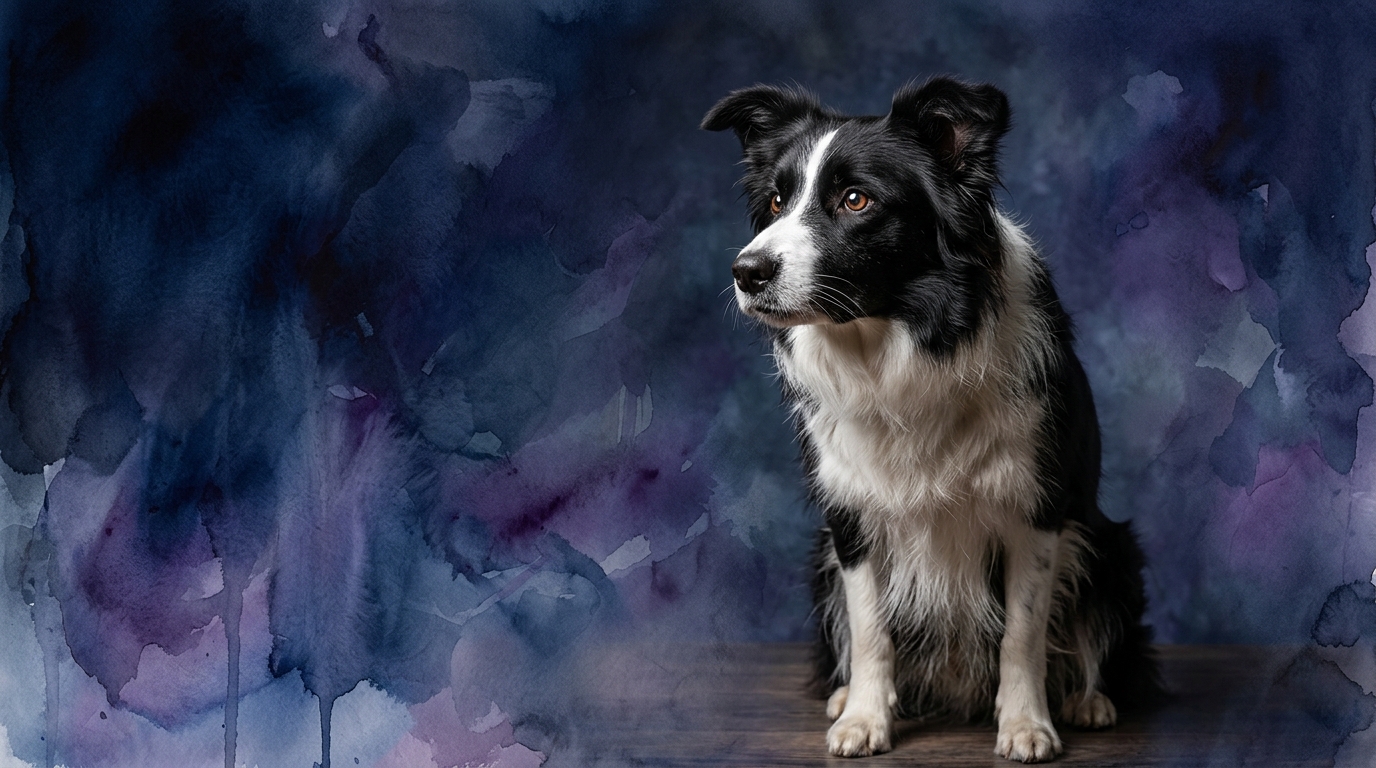
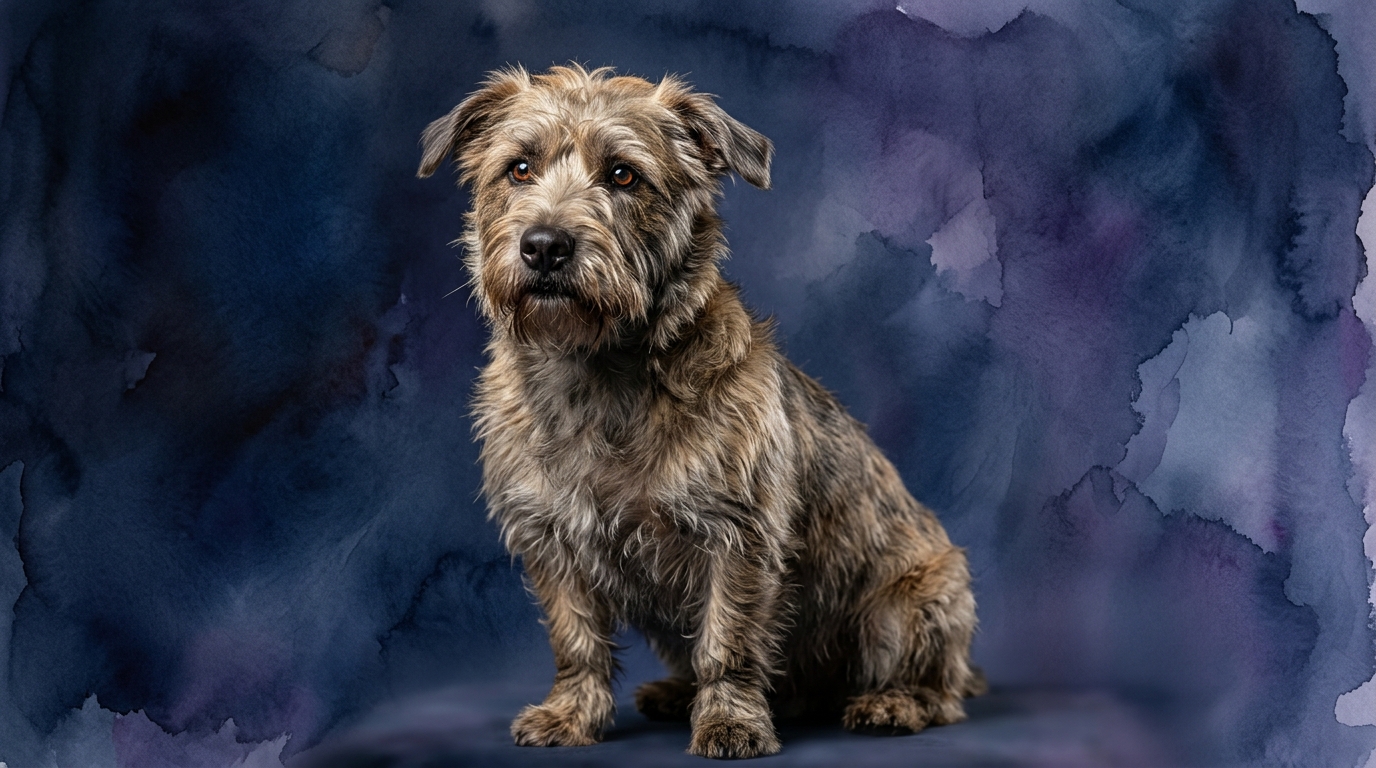
Side-by-Side IQ Profile: Border Collie vs. Glen of Imaal Terrier
Our Pet IQ Lab evaluates canine cognition across five key dimensions: Problem Solving, Training Speed, Social Intelligence, Instinctive Drive, and Memory. These metrics provide a nuanced understanding of how each breed processes information, interacts with their environment, and engages with their human companions. By examining these specific attributes, we can appreciate the diverse forms canine cognition takes.
The Border Collie, a breed renowned for its working acumen, consistently scores at the top of our cognitive scale. Their Problem Solving is rated 5/5, reflecting an exceptional capacity for complex, multi-step tasks and strategic thinking, particularly in dynamic environments. Training Speed also stands at a remarkable 5/5, indicating an almost instantaneous grasp of new commands and concepts. Social Intelligence is strong at 4/5, demonstrating a deep understanding of human cues and a collaborative spirit. Their Instinctive Drive is a powerful 5/5, a relentless urge for purpose and activity, while Memory is an outstanding 5/5, allowing them to recall vast sequences of commands and information over extended periods.
In contrast, the Glen of Imaal Terrier presents a different, yet equally compelling, cognitive profile. Each of their IQ dimensions — Problem Solving, Training Speed, Social Intelligence, Instinctive Drive, and Memory — registers a score of 3/5. This suggests a dog with practical intelligence, capable of learning and adapting, but often with a more independent approach. Their problem-solving is typically self-directed, their training requires patience, and their social interactions are often more discerning. Their instinctive drive is present but channeled differently, and their memory is sufficient for daily routines rather than extensive, complex information recall.
Where the Border Collie Excels Cognitively
The Border Collie's cognitive prowess is most evident in its unparalleled capacity for directed, sustained work, a trait cemented by its Coren rank of #1. Their 5/5 Problem Solving isn't merely about figuring things out; it’s about strategic application of intellect to achieve a goal, often involving a dynamic environment and multiple variables. They excel at anticipating outcomes, adapting tactics on the fly, and executing complex plans, whether it's managing a flock of sheep or navigating an advanced agility course.
This breed's exceptional working memory (5/5) allows them to retain and process an extensive vocabulary of commands, cues, and sequences, often in rapid succession. They can recall the precise meaning of dozens, even hundreds, of words and actions, linking them to specific behaviors and environmental contexts. This profound memory, coupled with their rapid Training Speed (5/5), enables them to learn and perfect intricate routines with remarkable efficiency, making them unparalleled partners in collaborative tasks.
While their Social Intelligence is 4/5, it is exquisitely tuned for human partnership in a working context. Border Collies possess an acute awareness of their handler’s body language, vocalizations, and intentions, allowing for seamless communication during tasks. Their cognitive strength lies in their ability to interpret these subtle cues and respond with precise, goal-oriented actions, demonstrating a collaborative intelligence that few other breeds can match.
Where the Glen of Imaal Terrier Shows Unique Cognitive Strengths
The Glen of Imaal Terrier's cognitive strengths lie in a different realm: that of independent, self-directed problem-solving, particularly when it aligns with their inherent terrier purpose. Their 3/5 Problem Solving score reflects a resourceful and persistent approach to challenges, not necessarily through collaborative effort, but through individual cunning. They are adept at figuring out how to access desired areas, track scents, or outmaneuver small prey, demonstrating a practical, hands-on intelligence driven by their own motivations.
Their Social Intelligence, while rated 3/5, manifests as a discerning and loyal understanding of their immediate family. Glens are not typically eager to please or universally outgoing; instead, they form deep, selective bonds and exhibit a quiet, observant intelligence regarding their trusted humans. They may not constantly seek validation, but they possess a keen awareness of their family's routines and emotional states, responding with a steadfast presence rather than effusive displays.
The Glen's Instinctive Drive, also 3/5, is a tenacious, focused pursuit of their own goals, often involving digging or tracking. This drive requires a specific type of cognitive endurance and self-motivation. It's less about responding to external direction and more about an internal resolve to achieve a self-assigned task. This independent drive means they can work autonomously, solving problems on their own terms, which is a distinct cognitive advantage in specific scenarios where self-reliance is paramount.
Training Dynamics: Effort and Engagement
Training a Border Collie is often a rapid and engaging experience, largely due to their 5/5 Training Speed and 5/5 Memory. These dogs possess an innate desire to learn and work, absorbing new commands and concepts with astonishing quickness. Their intense focus and high problem-solving ability mean they thrive on structured, sequential learning and complex challenges. Owners typically find that Border Collies are not only willing but eager to participate in training sessions, often needing little repetition to solidify new behaviors, making advanced obedience or intricate sport training highly rewarding.
The Glen of Imaal Terrier, with its 3/5 Training Speed and more independent nature, requires a different approach to training. It's not that they are incapable of learning; rather, they need more patience, consistency, and a strong understanding of positive reinforcement. Glens are less driven by a desire to please and more by what benefits them, meaning motivation must be tailored to their preferences. They may take longer to grasp new commands, and repetition is often necessary, but once a behavior is learned, their 3/5 Memory ensures it sticks.
The fundamental difference lies in the nature of engagement. A Border Collie views training as a collaborative intellectual exercise and a vital outlet for their instinctive drive, making them active participants in the learning process. A Glen, conversely, approaches training with a more discerning attitude, often requiring the trainer to prove the value of the task. Training a Glen is more about building a relationship of mutual respect and trust, understanding their terrier independence, and making learning a positive, non-confrontational experience, rather than expecting immediate, eager compliance.
Lifestyle Match: Active Pursuits vs. Relaxed Companionship
Matching a dog's cognitive profile to an owner's lifestyle is crucial for a harmonious relationship. The Border Collie, with its 5/5 Instinctive Drive and 5/5 Problem Solving, is ideally suited for highly active owners who can provide constant mental and physical engagement. These dogs thrive when they have a 'job' to do, whether it's competitive dog sports like agility, flyball, or herding, or complex obedience training that challenges their intellect. An owner must be prepared for rigorous daily exercise, extensive training, and a commitment to channeling their dog's intense focus and energy constructively, as boredom can quickly lead to undesirable behaviors.
The Glen of Imaal Terrier, while still enjoying activity, is a better fit for owners seeking a more relaxed yet still engaged companion. Their 3/5 Instinctive Drive means they appreciate a good daily walk, playtime, and mental enrichment through puzzle toys or scent games, but they don't possess the relentless, high-intensity demands of a Border Collie. Glens are often content to relax alongside their family, enjoying quiet companionship once their moderate exercise needs are met. They don't constantly demand attention or tasks, making them adaptable to a home life that balances activity with periods of calm.
Ultimately, the choice hinges on the intensity of engagement an owner is prepared to offer. Border Collies require an owner who is essentially a full-time project manager for their dog's cognitive and physical needs, constantly seeking new ways to stimulate their profound intellect. Glen of Imaal Terriers, on the other hand, flourish with owners who appreciate a resilient, independent spirit and can provide consistent, yet not overwhelming, engagement, valuing a dog that is a companion first and a worker second.
The Verdict
Opt for a Border Collie if you are an experienced owner seeking an intense, collaborative partner for demanding activities like competitive dog sports or working roles, prepared to dedicate significant time to their mental and physical needs.
Choose a Glen of Imaal Terrier if you appreciate a resilient, independent companion who thrives on a quieter, yet still engaged, lifestyle, and you value a dog with a discerning loyalty and a unique terrier spirit.
🧠 Find Your Pet's IQ Score
Our Pet IQ Lab assessment covers 25+ tests across 5 cognitive dimensions — personalized to your breed.
Take the Full IQ Test →Frequently Asked Questions
Does a Border Collie's high IQ mean they are easier to own?
While Border Collies grasp concepts quickly, their intense cognitive needs mean they require constant mental stimulation and purpose. This makes them easier to train in terms of speed, but more demanding to manage in terms of preventing boredom and channeling their intellect constructively.
Are Glen of Imaal Terriers difficult to train due to their lower IQ scores?
Glen of Imaal Terriers are not difficult to train in the sense of being incapable of learning, but their independent nature and lower drive to please mean training requires more patience and understanding. They respond best to positive reinforcement and consistency, forming a partnership rather than simply obeying.
How do the instinctive drives differ between these two breeds?
The Border Collie's 5/5 instinctive drive is a powerful, directed urge to herd and work collaboratively, requiring an outlet. The Glen of Imaal Terrier's 3/5 drive is more about independent pursuit of prey or digging, a self-motivated tenacity that doesn't necessarily seek human direction but rather an opportunity for self-expression.