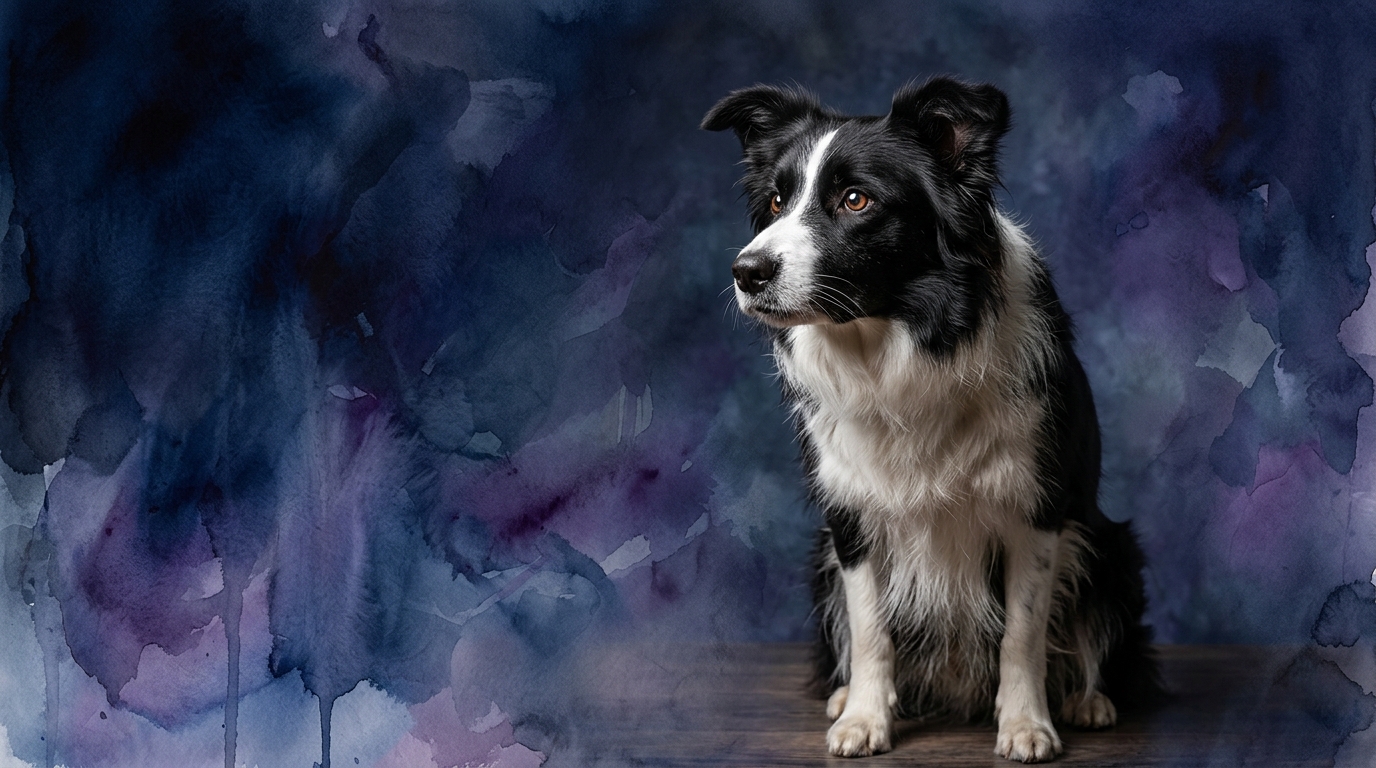
Side-by-Side IQ Profile: Border Collie
The Border Collie, holding Coren's rank #1, exemplifies a breed honed for intricate, cooperative work, reflected in its exceptional cognitive scores.
Problem Solving (5/5): This breed exhibits exceptional aptitude for dissecting complex situations and devising effective solutions, whether it's navigating a challenging agility course or figuring out how to open a stubborn gate. Their cognitive flexibility allows them to rapidly adapt strategies when initial attempts fail, demonstrating a deep capacity for trial-and-error learning and abstract thought.
Training Speed (5/5): Border Collies absorb new commands and behaviors with astonishing rapidity, often requiring only a handful of repetitions to grasp a concept. Their eagerness to engage and high focus contribute to an accelerated learning curve, making them highly responsive to consistent instruction.
Social Intelligence (4/5): While intensely connected to their primary human handler, Border Collies possess a nuanced understanding of social cues and intentions. They can interpret subtle body language and vocal inflections, using this insight to anticipate desires and collaborate effectively, though their focus might narrow on their immediate working relationship rather than broad social interactions.
Instinctive Drive (5/5): Their innate herding drive is a powerful, finely tuned cognitive program, directing their attention, energy, and problem-solving skills toward controlling movement. This translates into a relentless focus on tasks, an intense desire to work, and an intrinsic motivation to manage their environment, often through 'eye' and strategic positioning.
Memory (5/5): Border Collies demonstrate a remarkable capacity for long-term retention of commands, routines, and experiences. They can recall intricate sequences of actions and apply past learnings to new, similar situations, indicating a robust cognitive filing system that supports complex behavioral repertoires.
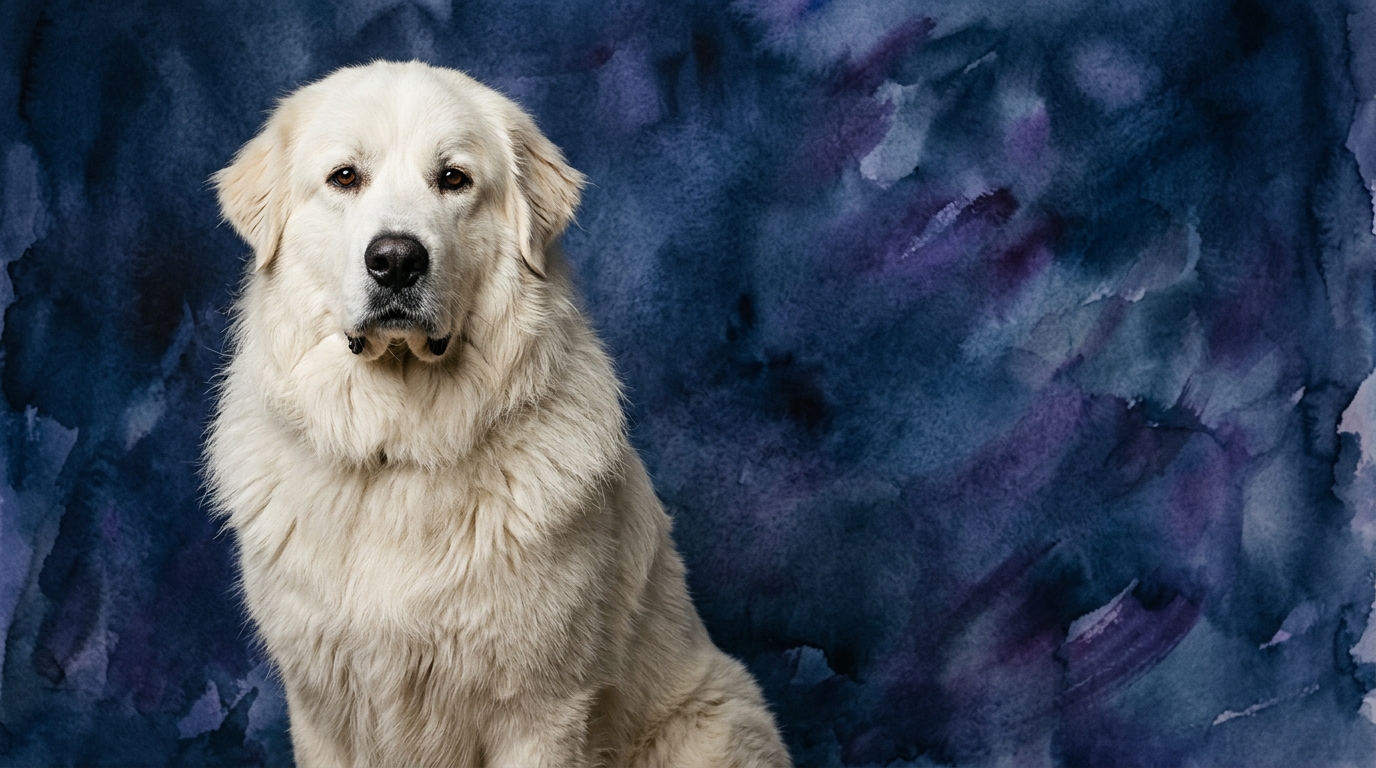
Side-by-Side IQ Profile: Great Pyrenees
The Great Pyrenees, ranked #64 by Coren, showcases a different spectrum of cognitive strengths, centered around independent guardianship and vigilance.
Problem Solving (3/5): The Great Pyrenees approaches problem-solving with a deliberate, independent mindset, often evaluating situations for potential threats or changes in their charge. Their solutions tend to be practical and geared towards maintaining the status quo of their flock or territory, rather than intricate manipulation of objects or rapid strategic shifts.
Training Speed (3/5): This breed learns at a more measured pace, often requiring more repetitions and a clear understanding of the 'why' behind a command for it to stick. Their inherent independence means they are less motivated by mere compliance and more by what they perceive as relevant to their guarding duties, leading to a slower uptake for arbitrary tasks.
Social Intelligence (3/5): Great Pyrenees possess a deeply ingrained understanding of their flock's dynamics, whether that flock is sheep or their human family, demonstrating a protective social awareness. While they might not seek constant human interaction for task performance, they are acutely attuned to the well-being of their charges, exhibiting a calm, reassuring presence and discerning friend from foe.
Instinctive Drive (3/5): Their primary instinct is protection and vigilance, manifesting as a steady, watchful presence over their territory and charges. This drive is less about active manipulation and more about passive observation, alert assessment of surroundings, and decisive, but often measured, intervention when a threat is identified.
Memory (3/5): Great Pyrenees retain information relevant to their guarding responsibilities and routines, remembering boundaries, familiar faces, and past threats. While they may not recall complex sequences with the same precision as a Border Collie, their memory serves their purpose of long-term vigilance and consistent protection, anchoring their understanding of their domain.
Where the Border Collie Wins Cognitively
The Border Collie's cognitive prowess shines in scenarios demanding rapid learning, intricate task execution, and dynamic adaptation. Their superior problem-solving (5/5) allows them to master multi-stage commands and complex sequences, like navigating an agility course with precision or executing a detailed herding pattern, often anticipating the next step before a cue is given. Their unparalleled training speed (5/5) means they can acquire an extensive vocabulary of commands and tricks faster than almost any other breed, absorbing new information with minimal repetition. Furthermore, their intense instinctive drive (5/5) coupled with high memory (5/5) ensures they not only learn these tasks quickly but also retain them flawlessly, enabling them to perform consistently under varying conditions and over long periods. This breed excels at understanding and executing abstract concepts, like 'left' or 'right' applied to an object or animal, showcasing a level of cognitive flexibility that is truly remarkable.
Where the Great Pyrenees Wins Cognitively
While their cognitive strengths diverge from the Border Collie's task-oriented brilliance, the Great Pyrenees demonstrates distinct advantages in areas crucial to their role as livestock guardian dogs. Their problem-solving (3/5), though deliberate, excels in situational assessment and independent judgment without human intervention. They are adept at evaluating potential threats to their flock or family, discerning genuine danger from benign occurrences, and choosing the appropriate, often subtle, response—a bark, a stand-off, or a quiet watchful presence. Their social intelligence (3/5), though not expressed as eagerness to please, is profoundly developed for understanding flock dynamics and protecting the vulnerable. They possess an innate ability to bond deeply with their charges and prioritize their safety above all else, often making decisions based on the collective well-being rather than individual directives. This breed's instinctive drive (3/5) is a continuous, low-level vigilance that requires sustained attention over long periods, making them exceptional at maintaining a constant protective presence without succumbing to boredom or distraction, a cognitive feat distinct from rapid task performance.
Which Is Easier to Train and Why
Without question, the Border Collie is significantly easier to train due to its exceptional cognitive profile. Their training speed (5/5) means they grasp new commands almost instantly, often needing only a few repetitions before demonstrating proficiency. This rapid assimilation is coupled with a powerful instinctive drive (5/5) to engage in purposeful work and a high social intelligence (4/5) that makes them eager to cooperate and please their handler. They thrive on mental stimulation and find joy in learning, which translates into an enthusiastic and focused student. In contrast, the Great Pyrenees presents a different training challenge. Their training speed (3/5) is more moderate, and their inherent independence means they are often less motivated by repetitive drills or the desire to simply 'please' in the human sense. They evaluate commands through the lens of their primary purpose: guarding. If a command doesn't align with their perceived duty or seems arbitrary, they may show reluctance or simply choose not to comply, relying on their own judgment. This isn't a lack of capacity, but a difference in cognitive priorities and motivation; they learn what they deem important for their role, which often doesn't include competitive obedience nuances.
Which Suits Active Owners vs. Relaxed Owners
The choice between these breeds hinges significantly on an owner's lifestyle and capacity for engagement. The Border Collie is unequivocally suited for active owners who can provide consistent, high-level mental and physical stimulation. Their relentless instinctive drive (5/5) and need for problem-solving (5/5) mean they require daily outlets for their energy and intellect, such as advanced obedience, agility, herding, or complex puzzle-solving games. A relaxed owner who cannot meet these demands will likely find themselves with a bored, potentially destructive, and certainly frustrated canine. Conversely, the Great Pyrenees is a better match for more relaxed owners, provided those owners understand and respect the breed's independent nature. While they appreciate regular walks and patrolling their territory, their physical exercise requirements are moderate once mature. Their cognitive needs revolve around vigilance and independent decision-making rather than constant task performance. They are content to observe and guard, making them excellent companions for those who appreciate a calm, watchful presence and are prepared to navigate their independent streak rather than demanding constant obedience or high-octane activities.
The Verdict
Choose a Border Collie if you are an active, dedicated owner seeking an intensely collaborative canine partner for sports, advanced training, or demanding work, thriving on mental and physical challenges.
Opt for a Great Pyrenees if you value a calm, independent guardian for your home or livestock, appreciating their self-reliant judgment and protective nature over eager obedience and constant interaction.
🧠 Find Your Pet's IQ Score
Our Pet IQ Lab assessment covers 25+ tests across 5 cognitive dimensions — personalized to your breed.
Take the Full IQ Test →Frequently Asked Questions
Do Great Pyrenees dogs require less mental stimulation than Border Collies?
Yes, but differently. Great Pyrenees dogs thrive on vigilance and independent decision-making within their territory, which is a form of mental engagement. However, they do not require the constant, structured problem-solving tasks or rapid-fire training sessions that a Border Collie needs to stay stimulated and content.
Can a Great Pyrenees learn complex commands?
A Great Pyrenees can learn commands, but their training speed (3/5) is more deliberate, and their motivation often stems from perceived relevance to their guarding role rather than eagerness to please. Complex sequences may require more patience and consistency to instill compared to a Border Collie, who grasps them rapidly.
Is the Border Collie's high drive always a positive trait?
The Border Collie's intense instinctive drive (5/5) is a tremendous asset for work and sport, but it requires significant channeling. Without appropriate outlets for their energy and intellect, this drive can manifest as obsessive behaviors, anxiety, or destructive tendencies, making it a demanding trait for unprepared owners.