Side-by-Side IQ Profile
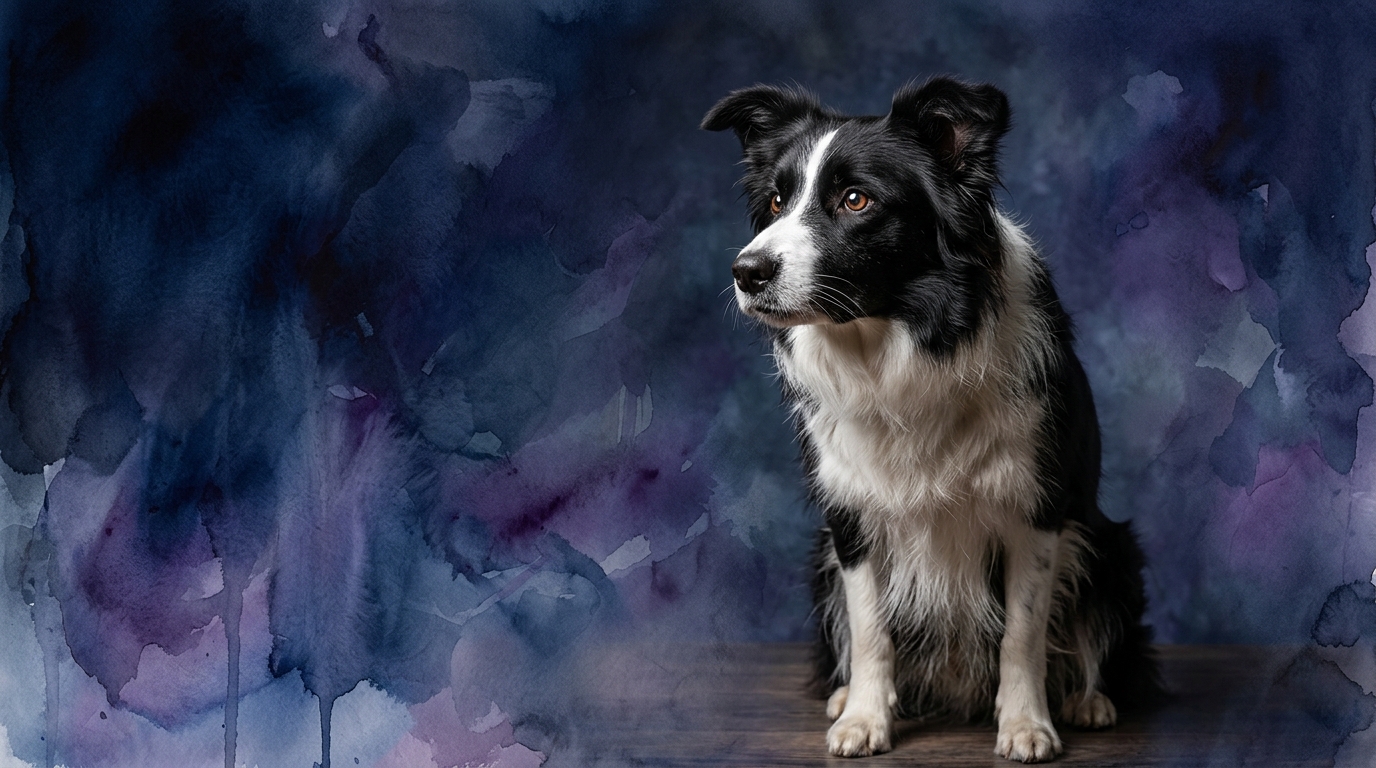
The Border Collie, a herding powerhouse and Coren's #1 ranked breed, demonstrates a formidable cognitive architecture. Their Problem Solving is a perfect 5/5, meaning they don't just learn solutions; they strategize, adapt to novel situations, and often anticipate outcomes, whether navigating complex sheep movements or deciphering an intricate puzzle toy. Training Speed also scores 5/5, indicating an exceptional capacity to grasp new commands and multi-step routines with minimal repetition, often seeming to absorb instruction effortlessly. Their Social Intelligence, a strong 4/5, reveals a keen awareness of human cues, intentions, and emotional states, allowing them to form deep, responsive partnerships, though their primary focus remains on tasks. An Instinctive Drive of 5/5 fuels their ceaseless desire to work, control, and engage, stemming from centuries of selective breeding for herding prowess. Finally, their Memory, another 5/5, enables them to retain vast repertoires of commands, learned behaviors, and spatial information over extended periods, making them masters of complex sequences.
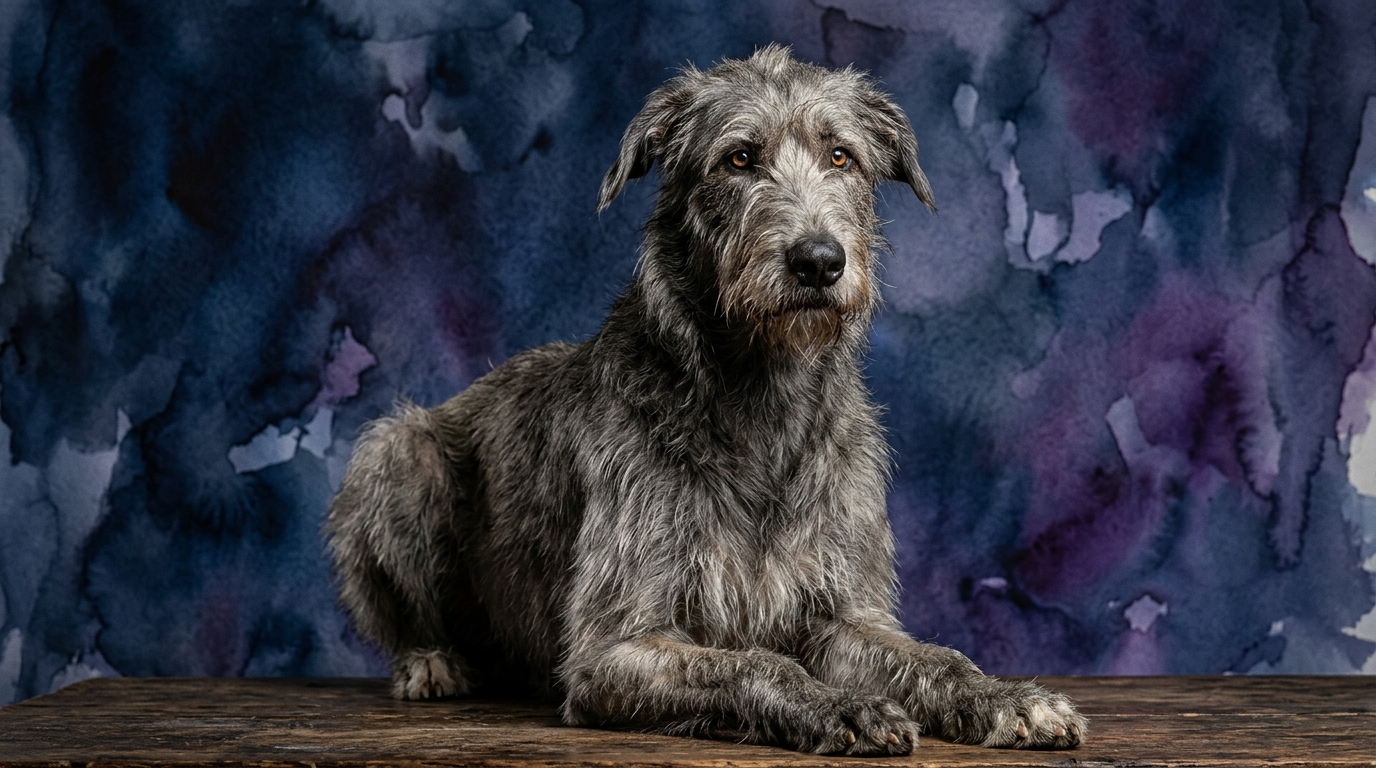
In contrast, the majestic Irish Wolfhound, a sighthound without a Coren ranking, presents a different cognitive landscape. Their Problem Solving is rated 3/5, suggesting they approach challenges with a more straightforward, less overtly strategic mindset, often relying on observation and simpler trial-and-error rather than intricate planning. Training Speed at 3/5 means they require consistent, patient instruction and more repetitions to solidify new commands and behaviors, learning at a steady, moderate pace. Social Intelligence, also 3/5, describes a gentle and observant nature; they understand human moods and bond deeply, but may not be driven by the same intense need for constant interaction or task-oriented partnership as the Border Collie. Their Instinctive Drive, a 3/5, manifests primarily as a sighthound's innate impulse to chase moving objects, rather than a strong intrinsic motivation for complex work or control. Lastly, their Memory, scoring 3/5, allows them to retain basic commands and routines reliably, but perhaps without the same capacity for highly detailed or abstract sequences.
Where Border Collie Wins Cognitively
The Border Collie's cognitive profile positions them as unparalleled masters of complex, dynamic tasks. Their 5/5 problem-solving isn't just about quick learning; it's about active mental engagement, where they proactively seek solutions, generalize concepts from one situation to another, and even modify their approach when initial attempts fail. This makes them adept at advanced dog sports like agility, obedience, and flyball, where rapid decision-making, sequencing, and adaptability are paramount. Furthermore, their superior memory and instinctive drive mean they can maintain focus on multi-stage tasks over long durations, remembering intricate patterns and commands without faltering. They thrive on the mental exercise of constantly learning and applying new information, often appearing to "think ahead" in their interactions with their environment and handlers.
Where Irish Wolfhound Wins Cognitively
While the Irish Wolfhound's cognitive scores are generally moderate, their unique blend of traits offers distinct advantages for specific living situations. Their 3/5 instinctive drive, for instance, means they are not constantly seeking a "job" or mental puzzle to solve, translating into a remarkably calm and settled presence indoors once their exercise needs are met. This contrasts sharply with the Border Collie's perpetual need for mental stimulation. The Irish Wolfhound's moderate social intelligence and memory mean they are affectionate and responsive companions without the intense, often demanding, cognitive engagement that can lead to anxiety in breeds designed for constant partnership. Their cognitive profile fosters an independent yet gentle nature, allowing them to be content observers rather than active manipulators of their environment or human interactions. For owners who desire a large, serene presence rather than a constant cognitive partner, the Irish Wolfhound's specific mental makeup is a clear advantage.
Which is Easier to Train and Why
The Border Collie is undeniably easier to train for a vast array of tasks, primarily due to their perfect 5/5 Training Speed and powerful 5/5 Instinctive Drive. They possess an almost insatiable desire to learn and work alongside their human, absorbing commands with remarkable speed and enthusiasm. This means fewer repetitions are needed, and they often pick up on subtle cues, actively offering behaviors to please their handler. Their focus is intense, making them highly receptive to instruction. In contrast, the Irish Wolfhound, with a 3/5 Training Speed and 3/5 Instinctive Drive, requires a more patient, consistent, and reward-based approach. While capable of learning, they are not inherently driven by the same intense desire for complex tasks or constant human direction. Their sighthound heritage means they can be easily distracted by visual stimuli, and their independent nature means they may require more motivation to engage in repetitive training sessions. What a Border Collie learns in a few sessions, an Irish Wolfhound might take weeks to master, not due to lack of capacity, but a different motivational structure.
Which Suits Active Owners vs Relaxed Owners
For owners who embrace an active, highly engaged lifestyle, the Border Collie is an ideal match. These dogs require not just physical exertion, but significant daily mental stimulation through dog sports, advanced obedience, puzzle toys, and consistent training challenges. An owner must be prepared to dedicate substantial time and effort to channeling their powerful instinctive drive and problem-solving abilities, otherwise, these traits can manifest as unwanted behaviors. Conversely, the Irish Wolfhound is better suited for owners who prefer a more relaxed pace. While they need regular, moderate exercise, such as daily walks or a secure area to gallop, their cognitive demands are far less intense than a Border Collie's. They are generally content to be calm, gentle companions indoors, observing the household rather than constantly seeking a "job." Their ideal owner appreciates their quiet dignity and independent spirit, without needing a dog that requires constant cognitive partnership.
The Verdict
Choose the Border Collie if you are an experienced, active owner committed to providing daily, rigorous mental and physical challenges, and you desire a highly engaged, working partner for dog sports or complex tasks.
Choose the Irish Wolfhound if you seek a gentle, dignified companion content with a calmer indoor life and moderate outdoor activity, appreciating their independent spirit over constant cognitive engagement.
🧠 Find Your Pet's IQ Score
Our Pet IQ Lab assessment covers 25+ tests across 5 cognitive dimensions — personalized to your breed.
Take the Full IQ Test →Frequently Asked Questions
Do Irish Wolfhounds need less exercise than Border Collies?
While both breeds need exercise, the Irish Wolfhound generally requires less intense and structured physical and mental activity than a Border Collie. Border Collies need vigorous daily exercise combined with extensive mental challenges, whereas Irish Wolfhounds are typically content with regular walks and opportunities for a good run, without the same cognitive demands.
Can an Irish Wolfhound be trained for advanced obedience?
Yes, Irish Wolfhounds can learn advanced obedience, but it will require more patience, consistency, and positive reinforcement than with a Border Collie. Their training speed is moderate, and their instinctive drive isn't geared towards complex, repetitive tasks, so owners must adapt their methods to suit the Wolfhound's independent nature.
Is a Border Collie always a good choice for a first-time dog owner?
A Border Collie is generally not recommended for first-time dog owners due to their exceptional cognitive demands and intense instinctive drive. They require an owner who understands advanced training, is committed to extensive mental and physical stimulation, and can effectively channel their innate working behaviors to prevent frustration or undesirable habits.