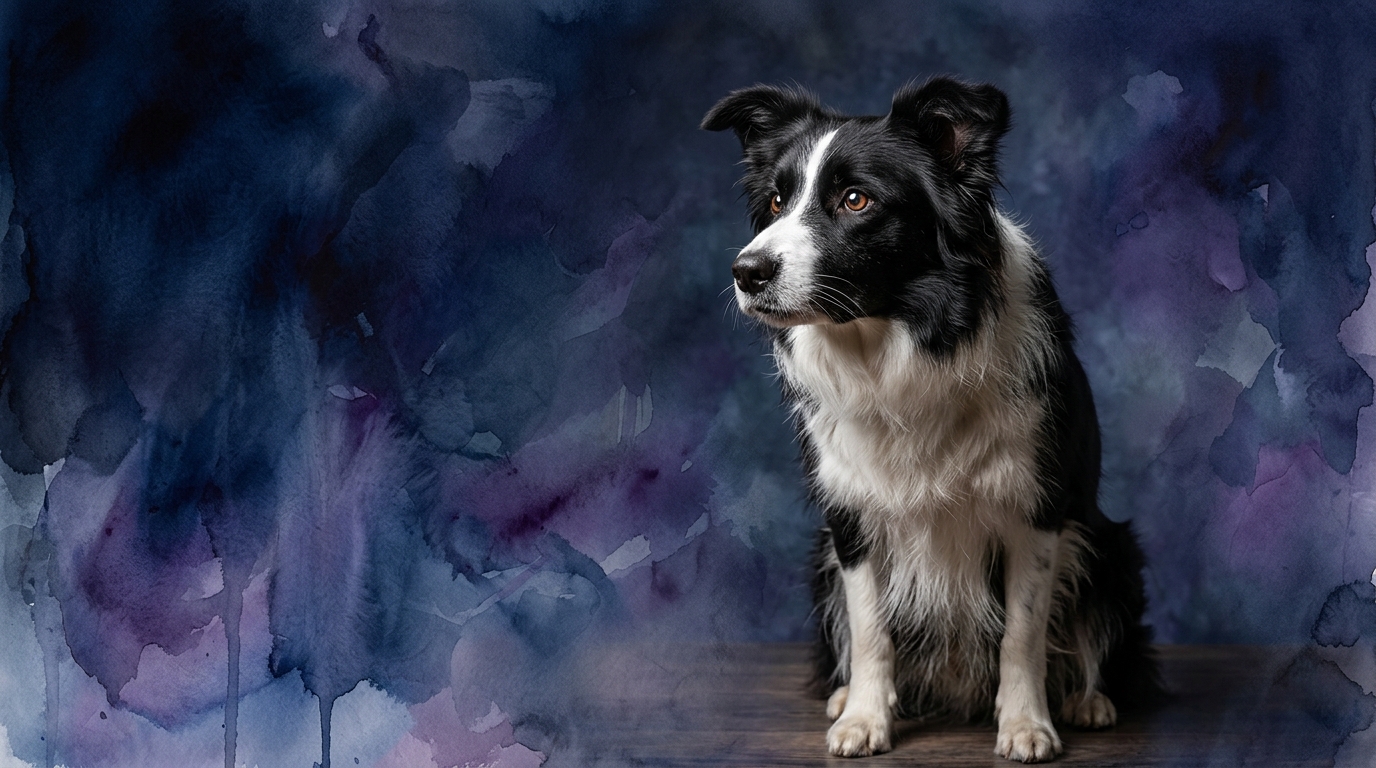
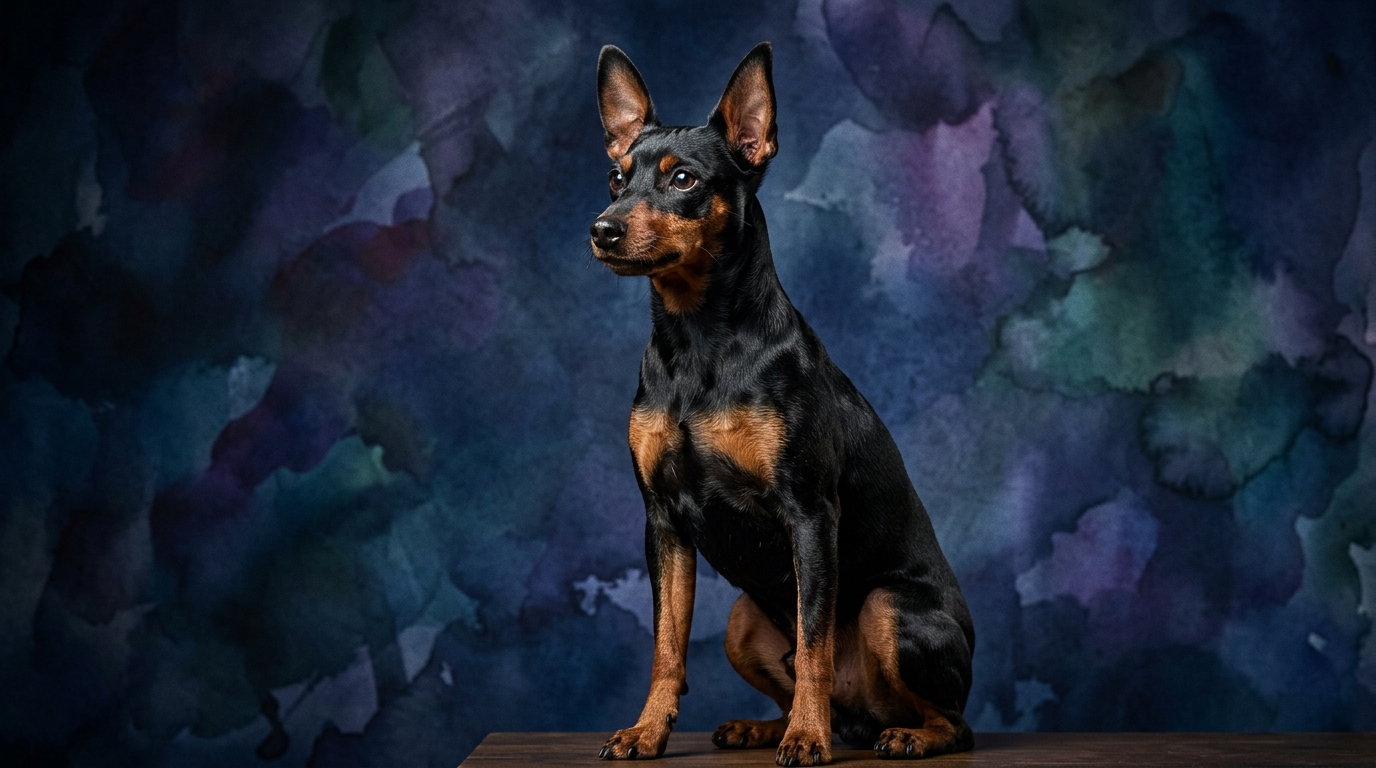
Side-by-Side IQ Profile: Border Collie vs. Miniature Pinscher
The Border Collie, a prominent figure in the Herding Group and often cited as a top-ranked working breed, exhibits a cognitive profile tailored for complex tasks. Their Problem Solving is rated 5/5, reflecting an exceptional capacity for strategic thought, understanding intricate sequences, and adapting solutions to dynamic challenges. This breed's Training Speed also stands at a perfect 5/5, signifying an almost immediate grasp of new commands and an eagerness to engage in learning. Social Intelligence for the Border Collie scores 4/5, indicating a strong ability to interpret human cues and intentions, fostering a deep partnership. An Instinctive Drive of 5/5 highlights their profound herding impulse and need for purpose-driven activity, while their Memory, also 5/5, ensures retention of vast amounts of information and learned behaviors over extended periods.
In contrast, the Miniature Pinscher, a lively member of the Toy Group, presents a cognitive makeup suited for companionship and alert guardianship, though not formally Coren-ranked. Their Problem Solving is rated 3/5, suggesting a capacity for direct, persistent solutions rather than elaborate planning. Training Speed for the Miniature Pinscher is 3/5, meaning they learn at a moderate pace, requiring consistent motivation and repetition to solidify commands. Their Social Intelligence is also 3/5, indicating an awareness of their environment and human interactions, often interpreted through a lens of self-interest or independence. An Instinctive Drive of 3/5 points to a pronounced prey drive and territorial alertness, but not the sustained, complex drive of a working breed. Lastly, their Memory, at 3/5, is sufficient for retaining routines and basic commands, but less extensive than that of a breed engineered for multi-layered tasks.
Where the Border Collie Excels Cognitively
The Border Collie's cognitive architecture provides distinct advantages in scenarios demanding advanced mental engagement. Their superior Problem Solving (5/5) and Memory (5/5) enable them to master intricate multi-step tasks that would overwhelm many other breeds. For instance, they can navigate complex agility courses, execute elaborate obedience routines involving numerous sequential commands, or strategically manage a flock of livestock by anticipating their movements and adjusting their herding patterns on the fly. This capacity extends beyond rote memorization; it involves understanding the *why* behind the actions and adapting their approach.
Furthermore, the Border Collie's cognitive flexibility shines in novel or rapidly changing environments, particularly within a working context. Their ability to quickly assess new variables, process information, and adapt their strategy is unparalleled. This means if a herding situation changes unexpectedly, or a new obstacle appears in an agility course, a Border Collie can often adjust their approach with minimal guidance, demonstrating a proactive rather than purely reactive intelligence. Their high Training Speed (5/5) and strong Instinctive Drive (5/5) further amplify this, allowing them to not only learn rapidly but also apply that learning with intense focus and purpose, leading to exceptional consistency and reliability in performance.
Their profound Social Intelligence (4/5) allows them to develop a deep, almost telepathic understanding with their handler, reading subtle body language and anticipating intentions. This makes them highly cooperative partners in any task, often seeming to predict what is asked of them before a command is even fully issued. This predictive learning capability, fueled by their memory and problem-solving, sets them apart, allowing them to operate effectively as extensions of their human counterparts rather than simply following instructions.
Where the Miniature Pinscher Excels Cognitively
While not designed for complex working roles, the Miniature Pinscher's cognitive profile offers unique strengths, particularly in domestic and companion settings. Their Instinctive Drive (3/5), though moderate, manifests as exceptional environmental alertness and a keen sense of observation. This makes them highly effective and immediate alarm systems; they are quick to notice and react to any unusual sounds or sights, often signaling perceived threats with vocalizations. This quick situational awareness is a practical cognitive advantage for home security, where immediate detection is prioritized over strategic engagement.
The Miniature Pinscher’s Problem Solving at 3/5, while not involving multi-layered strategizing, often translates into a resourceful and persistent approach to achieving their own objectives. They might figure out clever, direct ways to access a coveted treat, navigate around a barrier to reach a desired spot, or manipulate objects to their advantage through trial and error. This self-directed problem-solving demonstrates a practical, "street-smart" intelligence focused on personal gain, showcasing their ability to adapt and find solutions within their immediate environment, even if not through complex planning.
Additionally, their Social Intelligence (3/5) combined with their independent nature often results in a dog that is self-assured and less dependent on constant human direction for self-amusement or emotional regulation. They are capable of entertaining themselves and navigating social situations with a strong sense of personal agency. This independence can be a cognitive "win" for owners who appreciate a spirited companion with a distinct personality, one that doesn't constantly demand collaborative mental engagement but is content to observe and interact on their own terms, while still being affectionate and loyal to their chosen people.
Training Ease: Border Collie vs. Miniature Pinscher
When it comes to ease of training, the Border Collie stands out as the significantly more cooperative and rapid learner. Their 5/5 Training Speed means they can often grasp a new command in just a few repetitions, sometimes even minutes. This is fueled by an intense desire to work, an eagerness to please their handler, and a profound capacity for understanding what is being asked of them, thanks to their high problem-solving skills and memory. They thrive on mental challenges and view training as a rewarding collaborative activity, making them exceptionally responsive to instruction and capable of learning vast repertoires of commands and tricks. Behavioral differences, such as their unwavering focus and sustained attention span, contribute directly to their training efficiency; they rarely lose interest or become distracted during a training session.
The Miniature Pinscher, by contrast, presents a more moderate training experience. With a 3/5 Training Speed, they require more patience and consistency. While perfectly capable of learning a wide range of commands, they often need more repetitions and stronger, more consistent motivation to internalize lessons. Their independent nature and tendency to prioritize their own instincts or desires over handler commands can make training more challenging. For example, house-training or recall might take longer to solidify, as their attention can be easily diverted by interesting smells or sights. Their moderate memory also means that lessons might need refreshing more frequently, and without consistent positive reinforcement, learned behaviors can fade. They are not inherently difficult to train, but they demand a more persistent and engaging approach from their owner, focusing on high-value rewards to maintain their interest and cooperation.
Matching Breeds to Lifestyles: Active vs. Relaxed Owners
The cognitive and instinctive profiles of these two breeds dictate vastly different ideal living arrangements. The Border Collie, with its 5/5 Instinctive Drive and 5/5 Problem Solving, is unequivocally suited for highly active owners who can provide constant mental and physical stimulation. These dogs were bred for demanding work and possess an insatiable need for purpose. They thrive in environments where they are engaged in dog sports like agility, flyball, advanced obedience, or even actual herding work. Owners must be prepared to dedicate significant daily time to structured activities, complex training sessions, and enrichment puzzles to prevent boredom, which can quickly manifest as destructive behaviors, excessive barking, or obsessive tendencies. A relaxed owner who cannot meet these intense needs will likely find themselves with a frustrated and unmanageable Border Collie.
The Miniature Pinscher, while energetic and spirited, aligns better with owners seeking a companion with more manageable activity requirements. Their 3/5 Instinctive Drive and 3/5 Problem Solving mean they enjoy daily walks, interactive play sessions, and consistent but less intensive training. They are content being an active part of family life, often enjoying the role of a vigilant companion and occasional lap dog. While they still require mental engagement through toys and basic training, they do not possess the same relentless drive for complex work as a Border Collie. They can adapt to more relaxed home environments, provided their needs for regular exercise, attention, and an outlet for their alertness are met, making them a suitable choice for owners who enjoy an active lifestyle but don't have the capacity for a canine partner requiring constant, high-level intellectual challenges.
The Verdict
Choose the Border Collie if you are an owner seeking an intellectually demanding, highly engaged canine partner for advanced training, dog sports, or working roles, prepared to dedicate significant time and effort to their mental and physical challenges.
Opt for the Miniature Pinscher if you desire an alert, spirited, and self-possessed companion who thrives on moderate activity, consistent training, and being an active part of family life without requiring constant, complex intellectual engagement.
🧠 Find Your Pet's IQ Score
Our Pet IQ Lab assessment covers 25+ tests across 5 cognitive dimensions — personalized to your breed.
Take the Full IQ Test →Frequently Asked Questions
Can a Miniature Pinscher be trained for complex tasks like a Border Collie?
While a Miniature Pinscher can certainly learn many commands and even some tricks, their cognitive profile suggests they won't reach the same level of complexity or speed as a Border Collie. Their strength lies more in practical alertness and companion behaviors, rather than multi-step, abstract problem-solving.
How does instinctive drive impact daily life for these breeds?
For the Border Collie, their intense herding drive means a constant need for purpose and mental stimulation, which can manifest as nipping, chasing, or obsessive behaviors if unmet. The Miniature Pinscher's drive, while lower, translates to vigilance, a strong prey drive for small animals, and a tendency to be a vocal guardian of their territory.
Is a Border Collie always social?
A Border Collie's social intelligence allows them to understand human cues well, but their intense focus on tasks can sometimes make them less overtly social or demonstrative than other breeds. They thrive on working partnerships and may be reserved with strangers, preferring the company of their chosen 'flock' or handler.