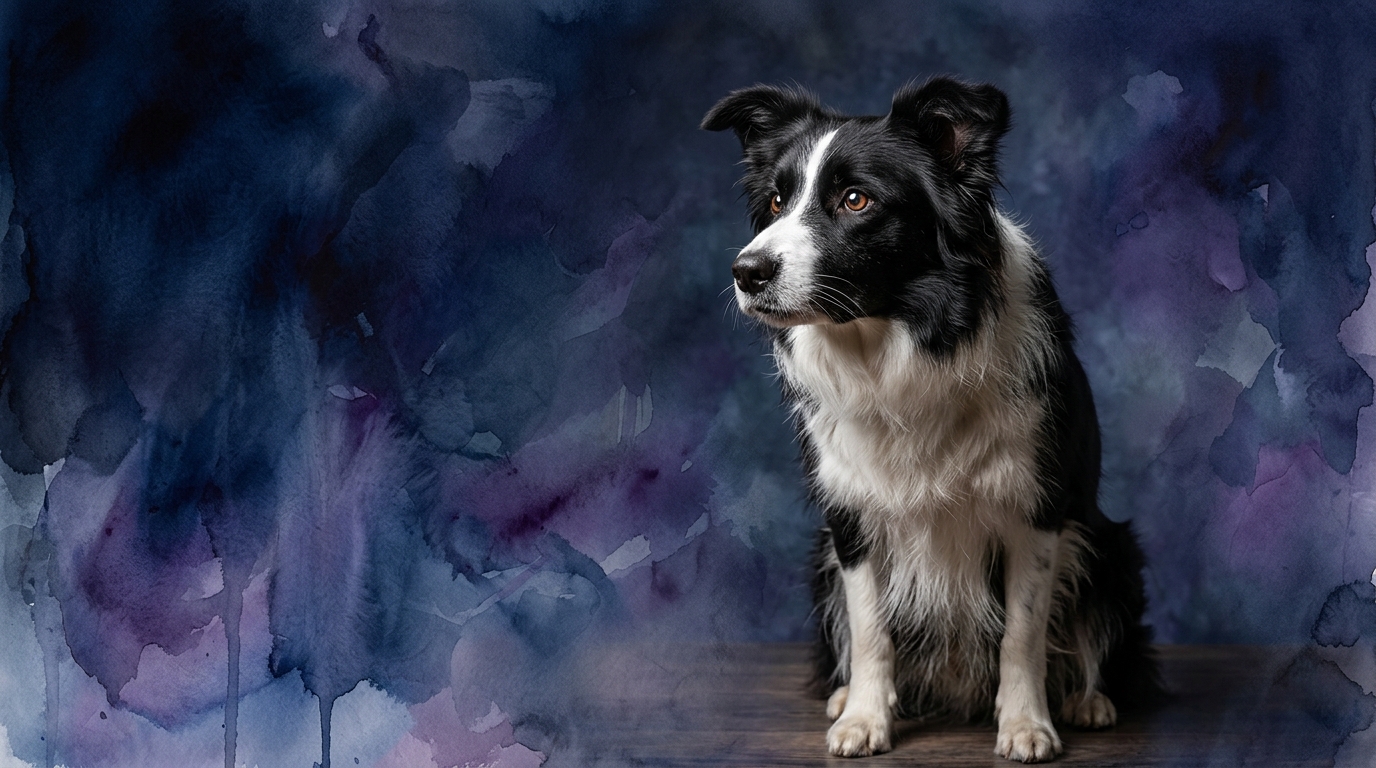
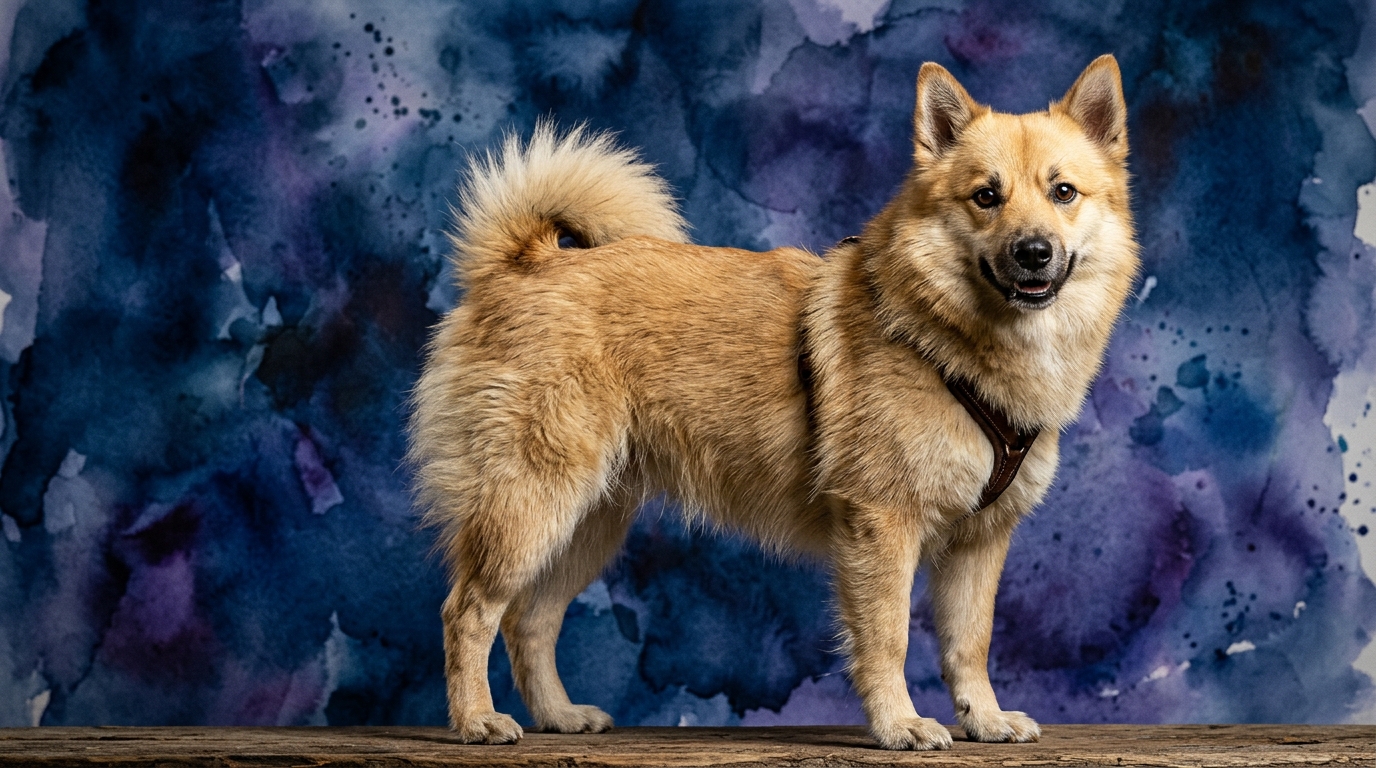
Side-by-Side IQ Profile: Border Collie vs. Norwegian Buhund
When we delve into the core cognitive dimensions, the distinctions between these two herding breeds become clear, each excelling in areas reflective of their historical roles. Our Pet IQ Lab metrics offer a precise lens into their mental aptitudes.
For Problem Solving, Border Collies, scoring 5/5, demonstrate a remarkable capacity to analyze new situations, devise novel solutions, and adapt strategies quickly, often appearing to "think through" challenges with impressive foresight. The Norwegian Buhund, with a 3/5, can navigate common problems and learn established solutions but might require more trial-and-error or direct human guidance when faced with genuinely unfamiliar or complex cognitive puzzles.
In Training Speed, the Border Collie (5/5) acquires new commands with astonishing rapidity, sometimes in just a few repetitions, reflecting a powerful desire to engage and a keen understanding of human intent. The Norwegian Buhund (3/5) learns at a moderate pace, requiring consistent repetition and clear communication, and while capable, they might not always exhibit the same immediate drive for continuous learning as their counterpart.
Regarding Social Intelligence, Border Collies (4/5) excel at reading human cues, anticipating intentions, and understanding subtle social dynamics, making them highly responsive partners, though their intensity can sometimes be overwhelming. Norwegian Buhunds (3/5) are generally friendly and capable of reading basic human moods and commands, but they tend to be more independent, potentially less attuned to minute emotional shifts, and might require clearer, more direct communication.
The Border Collie's 5/5 in Instinctive Drive manifests as an intense, almost obsessive focus on movement, a profound desire to herd, gather, and control, often translating into a relentless work ethic. The Norwegian Buhund (3/5) possesses herding instincts, but they are typically expressed with less intensity and more versatility, often blending into a general watchdog tendency and a desire to oversee their territory without the same single-minded fixation on movement.
Finally, for Memory, Border Collies (5/5) retain a vast repertoire of commands, routines, and past experiences over extended periods, enabling them to execute intricate sequences and recall learned behaviors even after long breaks. The Norwegian Buhund (3/5) has a functional memory for established tasks and daily routines, but might require more frequent refreshers for less common commands or complex sequences, demonstrating a solid but not extraordinary recall capacity.
Where the Border Collie Wins Cognitively
The Border Collie's cognitive strength is most evident in its unparalleled capacity for complex task mastery and fluid intelligence. Their 5/5 problem-solving score means they don't just learn solutions; they generalize them, applying principles from one scenario to an entirely new one, a hallmark of advanced cognitive flexibility. This allows them to excel in intricate multi-stage tasks, like advanced obedience routines or competitive herding trials where environmental variables constantly shift.
Furthermore, their rapid training speed (5/5) isn't just about quick learning; it reflects an eagerness to understand and an active engagement with the learning process itself, making them ideal for owners who enjoy teaching elaborate sequences and pushing the boundaries of canine capability. This breed often anticipates commands, sometimes even predicting the next step in a familiar routine, showcasing a deep understanding of patterns and sequences.
Where the Norwegian Buhund Wins Cognitively
While not reaching the same peak scores as the Border Collie, the Norwegian Buhund exhibits a different, yet valuable, cognitive strength rooted in its historical role as a versatile farm dog. Their balanced instinctive drive (3/5) means their herding impulse is present but less overwhelming, allowing them to integrate other roles, such as guarding and companionship, without the intense single-minded focus of a Border Collie. This cognitive adaptability makes them less prone to developing obsessive behaviors if their herding drive isn't constantly engaged.
Their social intelligence (3/5), while not as nuanced, fosters a more independent and resilient temperament; they are less likely to become overly dependent on their owners for constant direction or validation. This self-reliance translates into a dog that can make sound judgments in familiar situations, demonstrating a practical intelligence that prioritizes resourcefulness and situational awareness over intricate problem-solving. They possess a robust common-sense approach to their environment, making them reliable and steady companions in diverse settings.
Which is Easier to Train, and Why?
Determining which breed is "easier" to train depends heavily on the owner's experience and goals. The Border Collie, with its 5/5 training speed and problem-solving, is undeniably faster at acquiring new commands and performing complex behaviors. They thrive on mental stimulation and often actively seek out learning opportunities, making them a dream for experienced trainers aiming for precision and advanced skills.
However, this very intensity can be a double-edged sword; their profound instinctive drive (5/5) and need for constant mental engagement mean they can become restless, destructive, or develop unwanted behaviors if not adequately challenged and directed. Their high drive requires an owner who is equally committed to consistent, engaging training and providing an outlet for their cognitive energy.
In contrast, the Norwegian Buhund, with its 3/5 scores across the board, learns at a more moderate pace, requiring more repetitions and patience from the handler. They are less likely to attempt to "outsmart" their owner or become frustrated by a lack of constant novelty. Their training is often more straightforward, focusing on clear communication and positive reinforcement, without the same pressure to constantly evolve the curriculum. For an owner seeking a cooperative companion without the demands of a competitive sport dog, the Buhund's less intense cognitive profile might actually present an "easier" training experience, as it requires a less specialized approach to manage their mental needs.
Which Suits Active Owners vs. Relaxed Owners?
The Border Collie is unequivocally suited for highly active owners who are prepared to integrate their dog into a dynamic lifestyle that includes significant mental and physical engagement. Owners who thrive on competitive dog sports like agility, obedience, flyball, or actual herding work will find an unparalleled partner in a Border Collie. Their intense instinctive drive and boundless energy necessitate hours of structured activity daily, not just physical exercise but complex mental challenges that tap into their problem-solving and memory abilities. A relaxed owner, or one who cannot commit to this level of engagement, would find a Border Collie overwhelming, potentially leading to a frustrated and behaviorally challenged dog.
The Norwegian Buhund, while still an active breed, offers a more adaptable middle ground. They are excellent companions for active owners who enjoy regular hikes, long walks, or casual outdoor adventures, but without the same relentless demand for structured "work" or competitive outlets. Their independence means they are often content to explore alongside their owner rather than requiring constant direction. They can adapt to a slightly less intense routine than a Border Collie, making them suitable for owners who are active but perhaps don't view their dog as a full-time training project. They are generally not a match for truly relaxed, sedentary lifestyles, but their cognitive demands are significantly lower than those of a Border Collie.
The Verdict
Choose the Border Collie if you are an experienced, dedicated owner seeking a canine partner for competitive dog sports, complex training, or demanding working roles, and are prepared for a profound commitment to their extensive mental and physical needs.
Opt for the Norwegian Buhund if you are an active owner desiring a spirited, independent companion for outdoor adventures and family life, appreciating a dog with a solid work ethic but without the intense, specialized cognitive demands of a top-tier working breed.
🧠 Find Your Pet's IQ Score
Our Pet IQ Lab assessment covers 25+ tests across 5 cognitive dimensions — personalized to your breed.
Take the Full IQ Test →Frequently Asked Questions
Are Norwegian Buhunds difficult to live with due to their independence?
Norwegian Buhunds possess a healthy degree of independence, which can be a positive trait for owners who appreciate a dog that isn't constantly underfoot. While they are not overly clingy, they thrive on being part of family activities and require consistent training and socialization to ensure their independence doesn't translate into aloofness or a lack of responsiveness.
Can a Border Collie be a good family pet?
A Border Collie can be an excellent family pet, provided the family understands and commits to meeting its substantial mental and physical needs. They often bond closely with their family and can be gentle with children, but their intense herding drive means they may attempt to "herd" children or other pets, requiring careful supervision and redirection.
Which breed is better for first-time dog owners?
Generally, the Norwegian Buhund might be a more suitable choice for first-time dog owners who are active and committed to training, due to its more moderate cognitive demands and adaptable nature. The Border Collie, with its intense drive and specialized needs, typically requires an experienced owner who understands how to channel its profound mental capabilities effectively.