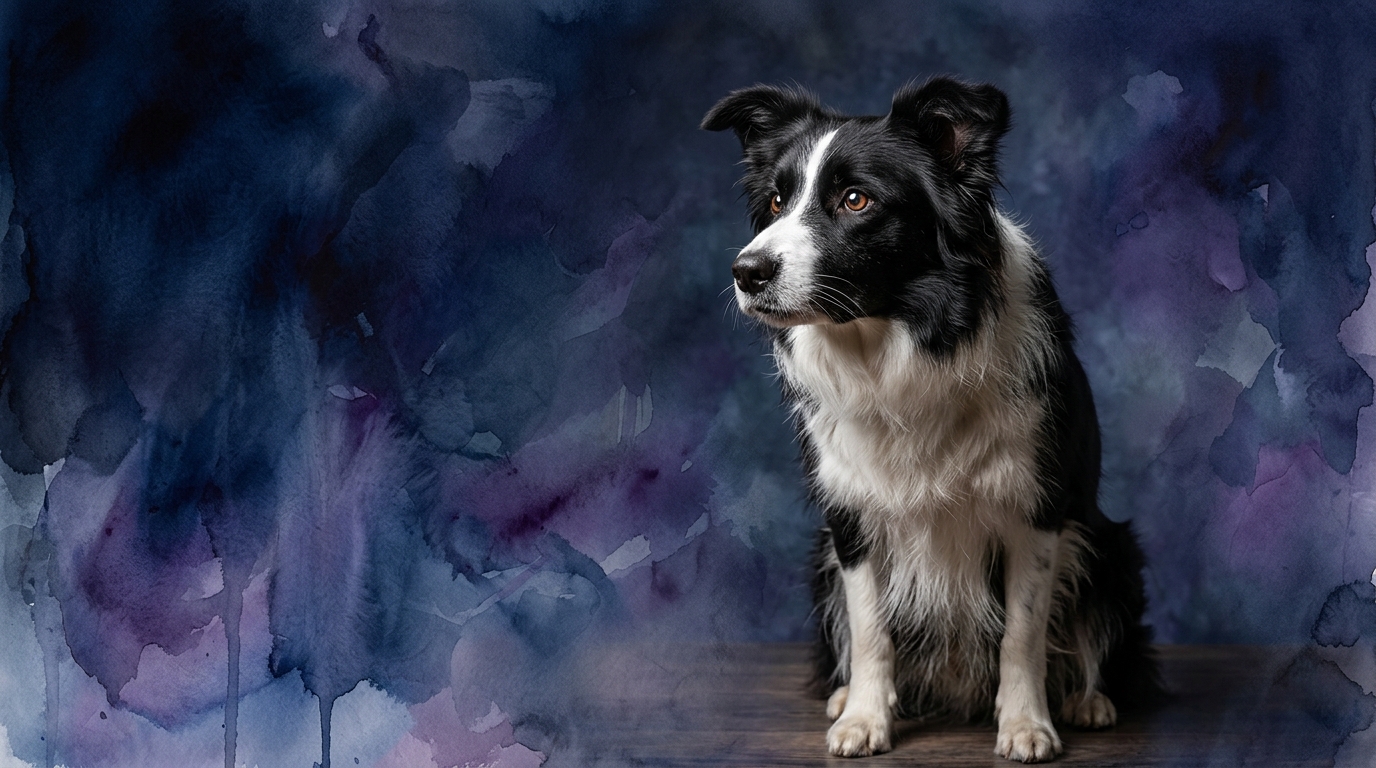
Side-by-Side IQ Profile: Border Collie
**Problem Solving (5/5):** A Border Collie’s mind excels at intricate puzzles. They don't just follow instructions; they learn to anticipate sequences, understand abstract concepts, and devise novel strategies to achieve a goal, such as moving a flock or navigating a complex agility course. Their capacity for adaptive, logical thinking is exceptional.
**Training Speed (5/5):** New commands are absorbed with astonishing rapidity. A Border Collie often requires only a handful of repetitions to grasp a new cue, retaining this learning over extended periods. This rapid acquisition is fueled by an innate desire to understand and work collaboratively with their handler.
**Social Intelligence (4/5):** These dogs are highly attuned to human body language and vocal nuances, forming profound working partnerships. They excel at reading intentions and responding to subtle cues, though they can sometimes be reserved or cautious around unfamiliar people, focusing their social energy primarily on their core "pack" or handler.
**Instinctive Drive (5/5):** The Border Collie's herding instinct is not merely a physical urge; it's a profound cognitive framework. This drive manifests as intense focus, a desire to gather and control, and an almost obsessive need to complete tasks. It's a powerful motivator that, when channeled, makes them incredibly directed and purposeful.
**Memory (5/5):** Their recall is profound, encompassing a vast lexicon of commands, intricate routines, and the precise locations of objects or animals. A Border Collie can remember complex sequences of actions and apply past learning to new situations with remarkable accuracy, demonstrating long-term retention of detailed information.
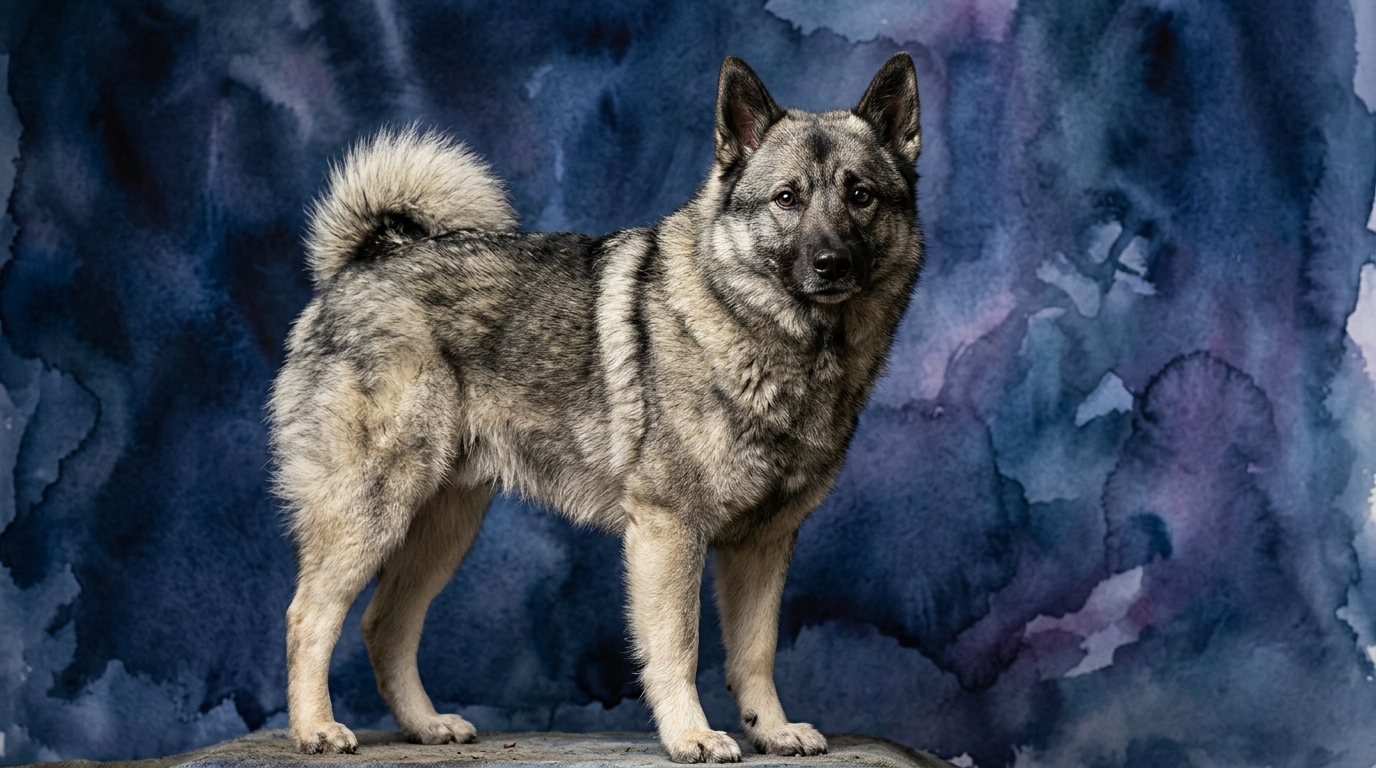
Side-by-Side IQ Profile: Norwegian Elkhound
**Problem Solving (4/5):** The Norwegian Elkhound approaches problems with a resourceful, independent spirit. Their problem-solving often centers on navigating terrain, tracking scents, or outsmarting prey. While they can learn complex tasks, they prefer to apply their own ingenuity, sometimes devising solutions that might differ from a handler's intended method, especially if it involves persistent pursuit.
**Training Speed (4/5):** Elkhounds are capable learners, absorbing commands effectively with consistent, positive reinforcement. However, they typically require more repetitions and a clearer demonstration of purpose than a Border Collie. Their learning speed is solid, but their independent nature means they might take a moment to weigh the value of a command against their own interests.
**Social Intelligence (3/5):** Elkhounds are devoted to their families, forming strong, affectionate bonds. Yet, their social intelligence is less focused on a constant, eager partnership with humans for complex tasks. They are often more self-contained, less inclined to constantly seek human direction, and can be reserved or indifferent towards strangers, preferring the company of their chosen few.
**Instinctive Drive (3/5):** Their primary drive is rooted in hunting and tracking, manifesting as a keen sense of smell, endurance, and a strong prey drive. This drive is self-directed and persistent, focused on the pursuit of a scent rather than compliance with a handler's every whim. It's a drive for independence in action.
**Memory (4/5):** Elkhounds possess a robust memory, particularly for scent patterns, geographical layouts, and established routines. They remember where they’ve found interesting smells or the path taken on a previous hike. While they retain commands, their memory might prioritize practical, survival-oriented information over a vast repertoire of abstract cues.
Where Border Collie Wins Cognitively
The Border Collie’s cognitive strengths are particularly apparent in areas demanding precise collaboration and abstract processing. Their 5/5 Problem Solving shines in quickly deciphering multi-step instructions, like weaving through poles in agility or executing complex obedience routines. Unlike a dog that might try brute force, a Border Collie often seeks the most efficient, elegant solution, driven by their deep understanding of human cues and anticipating handler intentions. Their 5/5 Training Speed and 5/5 Memory synergize, allowing them to accumulate a vast lexicon of commands and recall them with near-perfect accuracy, even after long breaks. This makes them exceptional candidates for competitive dog sports where intricate sequences and rapid responses are paramount. Furthermore, their 5/5 Instinctive Drive, specifically tailored for herding, translates into an intense focus and a profound desire to manage and organize, making them incredibly receptive to a handler's direction. They don't just learn a task; they internalize its purpose within a working partnership.
This breed's capacity for sustained, directed attention on human-initiated tasks is a significant cognitive advantage. They demonstrate an advanced ability to generalize learned behaviors across different contexts and to self-correct based on feedback, exhibiting a sophisticated level of meta-cognition in their drive for accuracy and completion.
Where Norwegian Elkhound Wins Cognitively
While the Border Collie excels in human-directed tasks, the Norwegian Elkhound demonstrates a unique cognitive prowess in independent, self-motivated scenarios. Their 4/5 Problem Solving, though numerically lower, is characterized by a tenacious resourcefulness, particularly in outdoor environments. An Elkhound, presented with a scent trail, will apply sustained focus and independent reasoning to follow it, often for hours, devising its own path through challenging terrain without constant human guidance. This persistence and self-reliance in pursuit are distinct cognitive strengths. Their 4/5 Memory, particularly for olfactory information and spatial awareness, allows them to navigate complex environments and recall specific scent signatures with remarkable precision, a crucial trait for a hunting dog. They are less reliant on human input for motivation or direction once a task, like tracking, is initiated, showcasing a robust internal compass and an unwavering commitment to their self-appointed mission.
The Elkhound's cognitive resilience in the face of environmental challenges, where they must autonomously adapt and persevere, sets them apart. Their ability to make independent decisions based on their sensory input, rather than solely awaiting human cues, highlights a different, equally valuable form of intelligence suited to their historical role as a solitary hunter.
Which is Easier to Train and Why
The Border Collie is unequivocally easier to train for obedience and structured tasks, primarily due to its exceptional cognitive profile geared towards partnership. Their 5/5 Training Speed means they grasp new commands in significantly fewer repetitions, often appearing to anticipate what is expected. This is coupled with their 5/5 Problem Solving, allowing them to generalize learning and apply it to novel situations, and a 4/5 Social Intelligence that makes them highly receptive to human cues and eager to please. Their 5/5 Instinctive Drive, which is intrinsically about control and response to direction, makes them highly biddable. A Border Collie thrives on the mental challenge of learning and the reward of working collaboratively with their handler, often viewing training as a fulfilling game, and their strong memory ensures long-term retention of a broad command vocabulary.
The Norwegian Elkhound, while certainly trainable, presents a different challenge. Their 4/5 Training Speed means they learn, but often require more patience and consistency. Their 3/5 Social Intelligence indicates they are less driven by constant human approval or the desire for intricate partnership in the same way a herder is. Instead, their 3/5 Instinctive Drive is rooted in independent hunting and tracking. This means they often evaluate a command's utility or their own interest before complying. For example, an Elkhound on a compelling scent might struggle to disengage, not due to a lack of understanding, but because their natural drive overrides the learned command. Training an Elkhound often requires finding ways to align their natural instincts with desired behaviors, employing strong motivation and understanding their independent spirit. They learn effectively, but they often choose when and how to apply that learning, sometimes prioritizing their self-directed pursuits.
Which Suits Active Owners vs. Relaxed Owners
For the Border Collie, an active owner is not merely preferred but essential for their well-being. Their 5/5 Problem Solving, 5/5 Instinctive Drive, and 5/5 Memory demand constant mental and physical engagement. An owner must be prepared to provide daily structured activities that challenge their intellect, such as advanced obedience, agility, flyball, or actual herding. Without sufficient outlets for their intense mental energy and drive, a Border Collie can quickly become bored, leading to destructive behaviors, excessive barking, or neurotic tendencies as they invent their own "jobs." They are dogs that thrive on having a purpose and a job to do, making them unsuitable for owners seeking a purely relaxed companion.
The Norwegian Elkhound suits owners who are active outdoors, but perhaps in a less structured, more exploratory way. While their 3/5 Instinctive Drive for hunting means they need regular, vigorous exercise, it doesn't necessarily translate into a need for constant, complex mental tasks directed by a human. They excel as hiking companions, enjoying long treks where they can use their keen sense of smell and independent problem-solving to navigate and explore. They are resilient and enjoy the elements. A "relaxed" owner in this context would be someone who enjoys a quiet home life but is dedicated to providing substantial daily outdoor adventures. They are not content to be couch potatoes but also don't require the same level of mental "work" as a Border Collie; their mental stimulation often comes from engaging with the natural world independently through scent and exploration.
The Verdict
If your lifestyle demands a dedicated, highly trainable working partner eager to master complex tasks, excel in competitive dog sports, and thrive on intricate mental challenges, then the Border Collie is your ideal companion.
However, if you seek an independent, resilient companion for adventurous outdoor pursuits, appreciate a dog that thinks for itself, and are prepared to navigate a training journey that respects their self-directed nature, the Norwegian Elkhound will prove a loyal and engaging partner.
🧠 Find Your Pet's IQ Score
Our Pet IQ Lab assessment covers 25+ tests across 5 cognitive dimensions — personalized to your breed.
Take the Full IQ Test →Frequently Asked Questions
Do Border Collies get bored easily?
Yes, their exceptional Problem Solving and Memory mean they require constant mental stimulation and purpose. Without sufficient engagement, they can become bored, leading to frustration and potentially destructive behaviors as they invent their own activities.
Are Elkhounds stubborn during training?
Their independent nature and strong instinctive drive, particularly for scent work, can sometimes be perceived as stubbornness. They may prioritize their natural instincts over human commands, requiring consistent, motivating training methods that appeal to their self-sufficient mindset.
Can a Norwegian Elkhound live in an apartment?
While their exercise needs are substantial, an Elkhound can adapt to apartment living if their owners commit to providing extensive daily outdoor activities, including long walks, hikes, and opportunities for scent exploration, to satisfy their innate drives.